


Picture the moment you open the box. The cheetah print looks great, but a sharp chemical smell hits you, and your child is already pulling the boots on. Rain boots sit against small legs for hours in warm, damp conditions, so the question is fair. The honest answer depends on the material, the colours and which country's rules apply. Here is what the main rules say and where they stop.
Why Do Printed Rubber Boots Raise Questions at All?
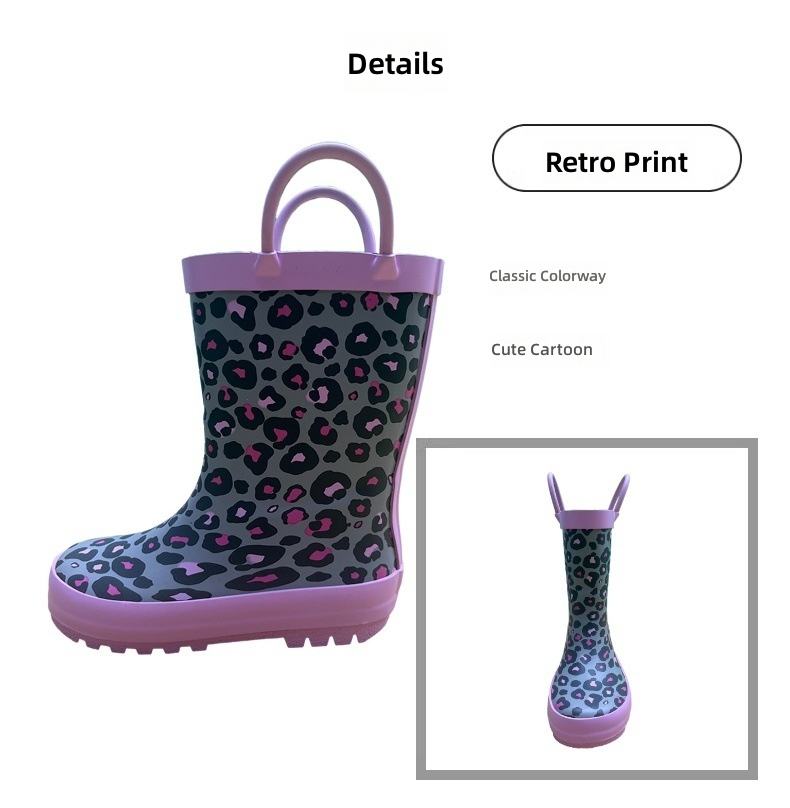
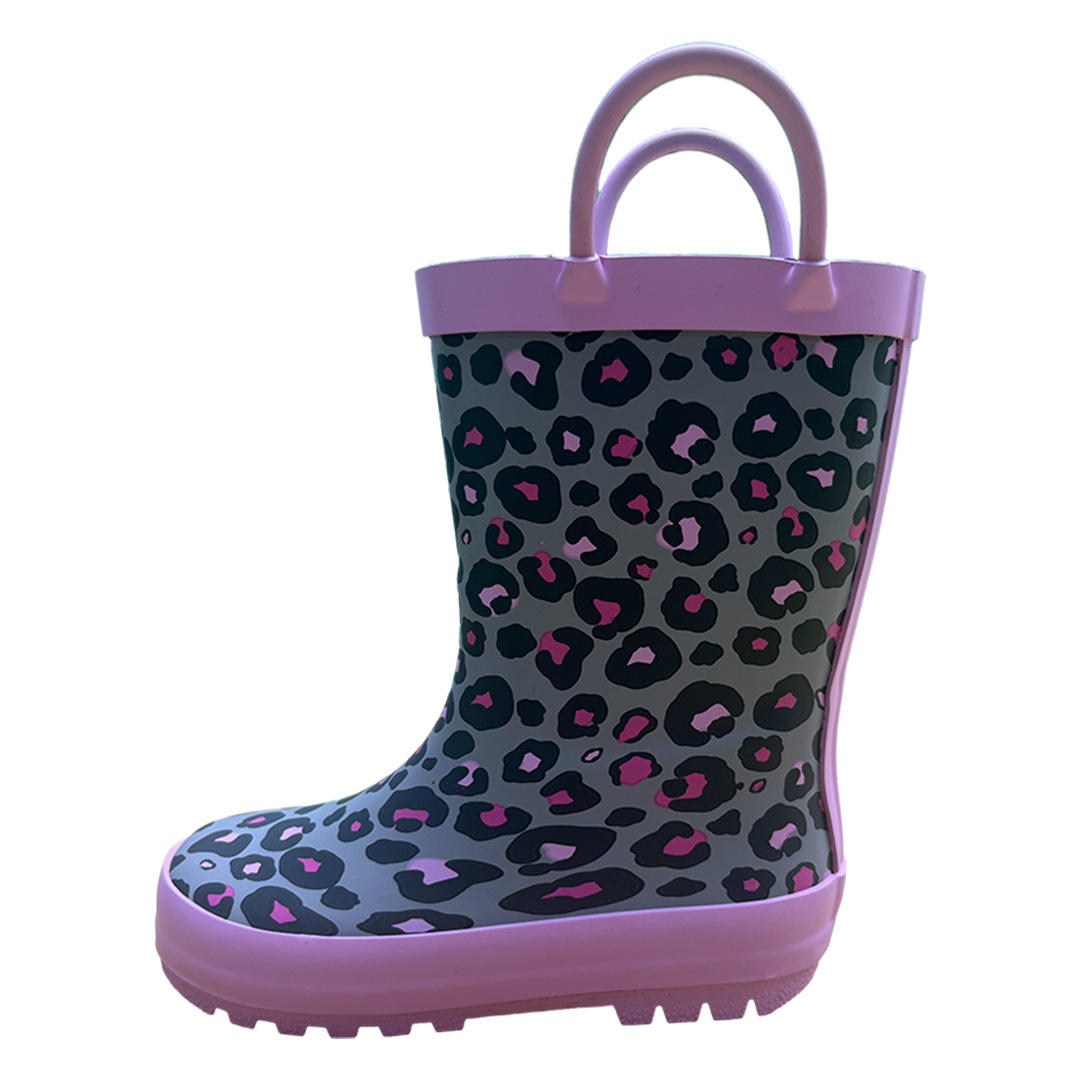
A cheetah boot is more than rubber. It carries colourants for the spots, often a dark sole, and sometimes soft plastic trim. Each part can bring its own concern: plasticisers in soft plastic, heavy metals in some pigments, and polycyclic aromatic hydrocarbons (PAHs) in carbon-black rubber. PAHs usually enter materials as impurities from carbon black or extender oils, so dark soles and dark spots deserve more attention than pale areas.
What Does EU Law Say about Boots?
Two rules matter most. First, four phthalates (DEHP, DBP, BBP and DIBP) are restricted at 0.1% of the plasticised material in articles placed on the EU market. Second, REACH sets a PAH limit of 1 mg/kg for rubber or plastic parts that touch the skin repeatedly, and footwear is named in the list of covered articles. The stricter 0.5 mg/kg applies to toys and childcare articles, which a rain boot is not.
What about the United States?
For lead, the 100 ppm substrate limit applies to products made for children aged 12 or younger. Phthalates work differently. US phthalate limits cover toys and childcare articles, and footwear is excluded, although some retailers add those limits to their own specifications. So a pair of boots can sit in a gap where the law is silent and the buyer's own checks matter more.
Where Can Problems Hide?
| Substance | Where It Can Hide | Rule to Know | Practical Sign |
|---|---|---|---|
| Phthalates | Soft plastic parts, trim, some prints | EU: 0.1% of plasticised material for four phthalates | Strong, sharp odour; sticky surface |
| PAHs | Black rubber soles, dark print areas | EU: 1 mg/kg in skin-contact rubber or plastic | Only a lab report can show it |
| Lead | Pigments, coatings | US: 100 ppm in children's product substrate | Flaking or chalky colour |
| Chlorinated paraffins | Plastic components | Flagged in an Irish notice on kids' boots | Report that names the substance |
Why Does a Real Case Matter?
Ireland's consumer authority published a safety notice on kids' rain boots found to contain banned phthalates and chlorinated paraffins. It was one product among many, so it proves nothing about the whole category. It does show that low prices and bold prints are no guide to what is inside.
Does Rubber or PVC Change the Picture?
It shifts where to look. PVC needs plasticisers to stay soft, so the phthalate rules bear on it most directly. Vulcanised rubber boots, which many cheetah print rain boots are, raise fewer plasticiser questions but more PAH questions when carbon black is used in the sole or print. Neither material is automatically safe or unsafe. What counts is the formula, the supplier's control over raw materials and a test report that covers the finished boot.
What Should You Do with a New Pair at Home?
Air new boots in a ventilated room for a day or two before first wear, and wipe the inside with a damp cloth. Keep them away from hot car dashboards and radiators, since heat and humidity can increase odour. Home steps like these are only a comfort measure. They do not replace testing, so a boot that still smells harsh after airing should go back.
How Can a Buyer Check a Pair before Paying?
Start with the nose, because a harsh odour is a reason to return the boots. Then ask the seller for a recent test report from an accredited laboratory. Check that it names the substances and limits above, matches the exact model and colour, and carries a date. Reports for a plain black boot do not cover a spotted leopard colourway. Buyers comparing suppliers, including Yudahang's cheetah print rain boots, can use the same questions. Finally, rules differ by market, so confirm the current requirements for the country where the boots will be sold.
Conclusion
Cheetah print rain boots can be a safe, enjoyable choice, but safety comes from the materials and the paperwork, not from the print. Know where the EU and US rules apply, notice where they go quiet, and ask for a report that matches the exact boot. That small effort turns a vague worry into a clear buying decision.
References
- SATRA. PAH restrictions under UK and EU REACH.
- INERIS. EU restriction on DEHP, DBP, BBP and DIBP in articles.
- Commission Regulation (EU) No 1272/2013, amending Annex XVII to REACH (PAHs).
- U.S. Consumer Product Safety Commission. Lead in children's products.
- SATRA. US lead and phthalate legislation.
- Competition and Consumer Protection Commission (Ireland). Product Safety Information Notice on Rain Boots for Kids Sold on the Temu Platform.





