
Quick answer:
- What it is: PSBR (powdered styrene-butadiene rubber) is SBR supplied as a dry, free-flowing powder instead of bales or crumb.
- Where it fits: dry-mix processes such as tire compounding, asphalt modification, cement and mortar modification, and plastic modification.
- How to choose: match particle size, moisture, ash, anti-caking agent and dispersion behaviour to your process, and always test a sample first.
- Need a grade recommendation? Request a sample and TDS.
You need powdered SBR for your production line. You search online and find ten suppliers and twenty grades, but none of them tell you which one fits your process.
There is no single "best" PSBR Synthetic Rubber Powder. The right grade depends on your processing method, your application, and your supply needs. A good choice matches particle size, purity, and dispersion behaviour to your line, not a general ranking.
This guide covers how powdered SBR is made, when to use it, how to choose a grade, where it comes from, and whether it can be recycled.
How is Powdered Styrene-Butadiene Rubber Made?
Making PSBR Synthetic Rubber Powder is not simple. Manufacturers must turn a sticky, elastic rubber into a dry, free-flowing powder, and this step largely decides the quality of the final product.
Most powdered SBR starts as latex, a milky rubber emulsion, which is dried by one of two main methods. Anti-caking agents are then added to keep the powder from sticking back together, and the process controls particle size, moisture content, and flow behaviour.
Spray drying turns the latex into fine droplets and dries them quickly in hot air, giving small, round particles with good flow. In one laboratory study of spray-dried modified SBR latex, the powder particles measured roughly 1 to 10 micrometers. That figure belongs to that specific modified latex, so always check the particle size of the actual grade you plan to buy.
Coagulation drying first turns the latex into solid rubber crumb. This is the same basic route long used in large emulsion-SBR plants, where the crumb is dried on continuous belt dryers and, for powder grades, ground down further. It gives a coarser particle, but it suits high-volume production.
After drying, most plants add a small amount of anti-caking agent, often calcium carbonate or silica, to keep the powder loose in storage. Particle size matters most: fine particles mix faster but raise dust levels, while coarser particles are easier to handle but disperse more slowly.
| Method | Particle Shape | Typical Use Case |
|---|---|---|
| Spray Drying | Fine, round | High-dispersion, low-dust needs |
| Coagulation Drying | Coarser, irregular | High-volume, cost-sensitive lines |
When is Powdered Styrene-Butadiene Rubber Used?
Not every rubber job needs powder. Picking the wrong form can slow your line down or ruin a batch. PSBR is ideal for dry-mix processes where fast, even dispersion matters more than handling bales or crumb.
Tire compounding. Powder blends into dry compound mixes more evenly than bale rubber, which can cut mixing time and energy use.
Asphalt modification. The powder can be added directly into hot asphalt mix, skipping the pre-melting step that bale rubber often needs. A comparison of powder and latex SBR in rock-asphalt binders found that powder SBR most clearly improved high-temperature deformation resistance and aging stability, with stronger effects at higher dosage.
Cement and mortar modification. Powder mixes into dry cement blends without extra equipment and can improve flexibility, water resistance, and crack control. Side-by-side testing reported that latex additions above roughly 5% lowered compressive strength, while powder across a 1 to 20% replacement range raised it. That is one reason dry-mix producers often prefer powder.
Plastic modification. Powdered SBR can also be used as a modifier in plastic formulations. See our powdered SBR for plastic modification page, and our guide on how to choose the right polymer modifier.
How to Choose a PSBR Grade: Specification Checklist
Before you request quotes, ask every supplier for the same set of data. Comparing grades on identical parameters is the fastest way to avoid a wrong purchase.
| Parameter | Why It Matters | What to Ask For |
|---|---|---|
| Particle size / mesh | Controls dispersion speed and dust level | Size distribution on the TDS, plus a sieve test on your sample |
| Moisture / volatile content | Affects caking, storage life, and porosity in the end product | Test method and limit |
| Ash content | Reflects purity and the amount of anti-caking agent | Ash value and the agent used (for example calcium carbonate or silica) |
| Bound styrene content | Influences hardness, flexibility, and compatibility with the matrix | Value on the TDS |
| Mooney viscosity or crosslink level | Affects processing behaviour and final properties | Value and test conditions |
| Anti-caking agent | Can affect compatibility with your formulation | Agent type and approximate loading |
| Packaging and shelf life | Powder can cake under heat, humidity, or pressure | Bag type, net weight, recommended storage, shelf life |
| Samples, MOQ, lead time | Determines how fast you can validate and scale | Sample policy, minimum order, typical delivery time |
Run a small trial in your own process before committing to volume. A grade that looks identical on paper can behave differently in your mixer, asphalt plant, or dry-mix blender. If you want to compare options, tell us your process and target performance and we can suggest a grade.
Where is Powdered Styrene-Butadiene Rubber Manufactured?
Sourcing location shapes cost, lead time, and quality control. Production is concentrated in a few regions, and Asia-Pacific accounts for the largest share of global SBR demand and capacity, according to broader SBR industry data. Specialty and high-purity grades are also made in North America and Europe.
The table below is a general buying guide, not a ranking. Individual suppliers vary widely, so qualify each one with samples and documentation.
| Region | Typical Strength | Watch For |
|---|---|---|
| China | Volume and competitive pricing | Batch-to-batch consistency; test samples from several lots |
| US / Europe | Specialty grades, strict compliance | Higher cost, smaller volumes |
| Other Asian producers | Possible shorter lead times for nearby buyers | Confirm capacity and grade range directly |
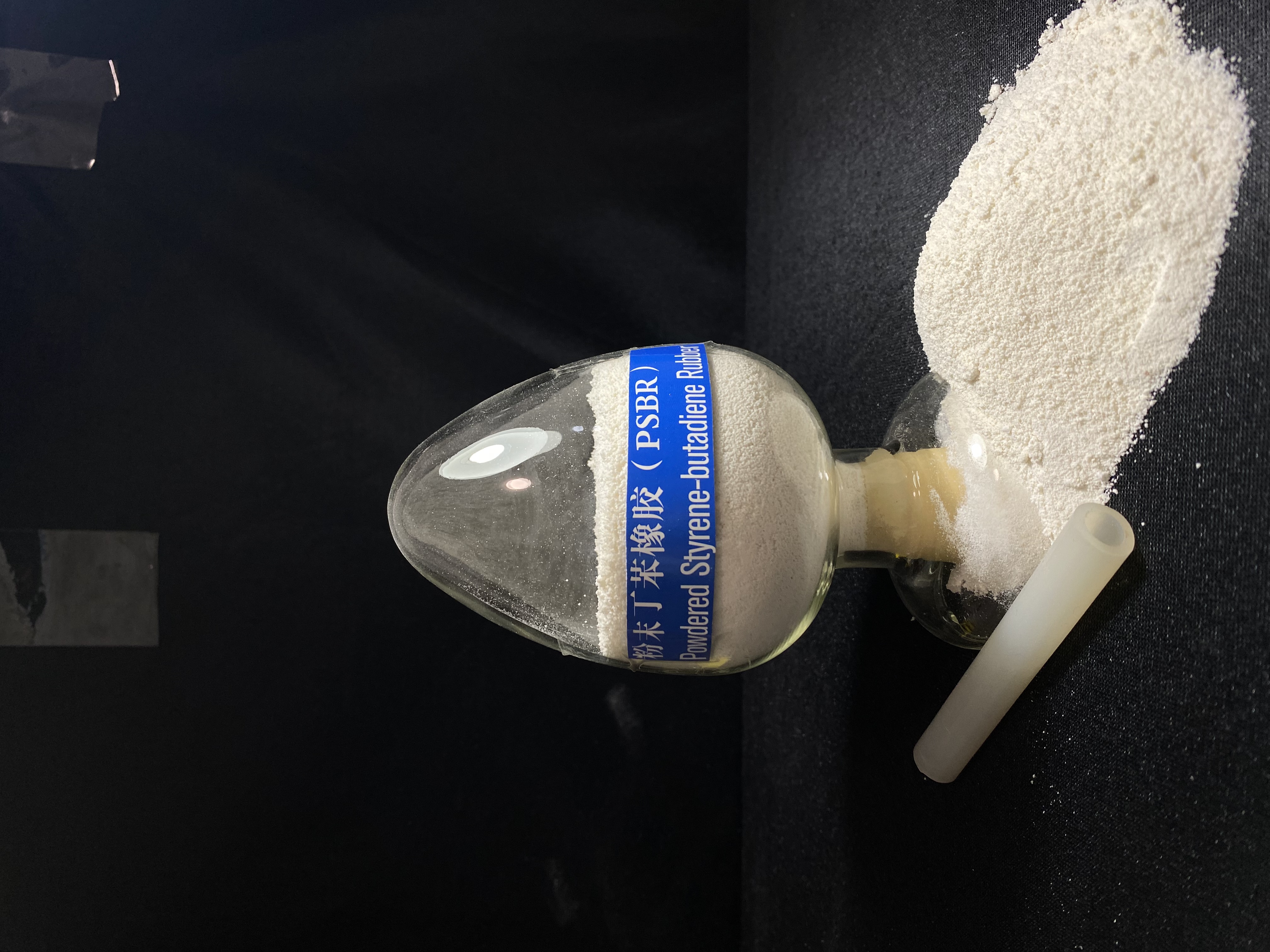
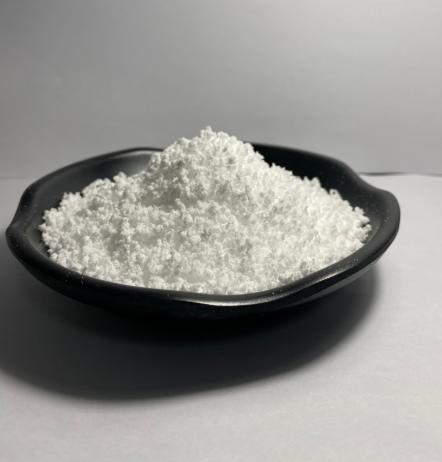
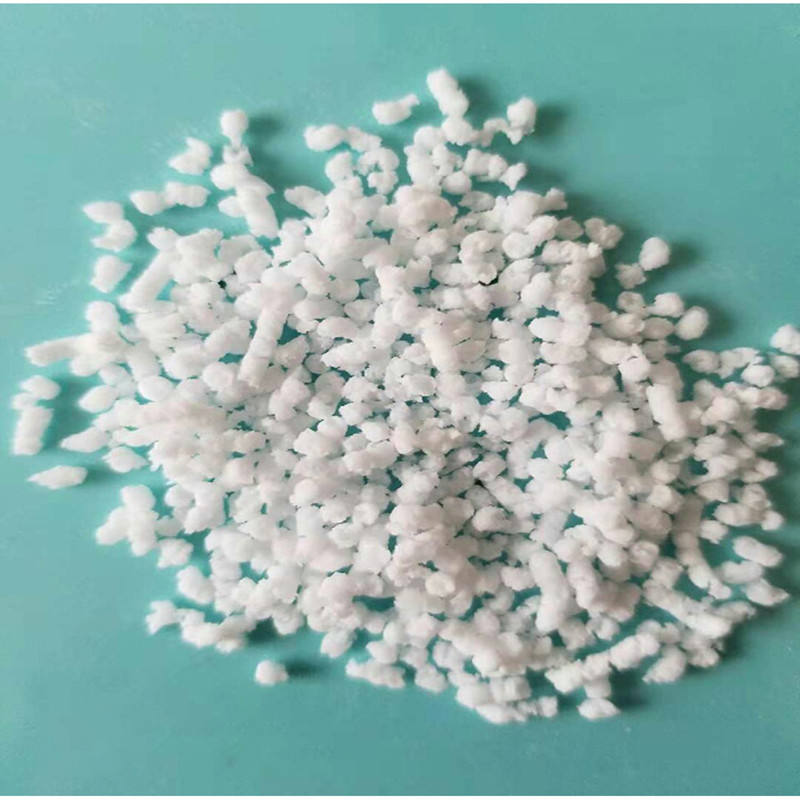
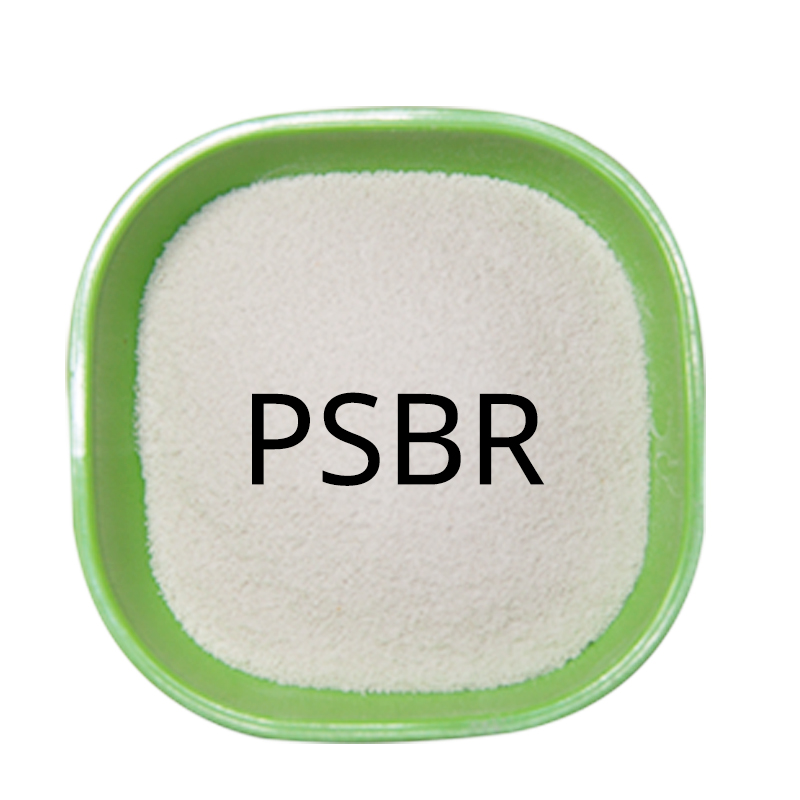
PSBR powder sample as supplied by Yudahang.
Can Powdered Styrene-Butadiene Rubber be Recycled?
Sustainability questions come up more often now. PSBR is a synthetic material and does not biodegrade on its own, but rubber scrap and used rubber products can be reclaimed by grinding them into powder.
Recycled powder usually comes from manufacturing scrap or used products such as old tires, processed through mechanical or cryogenic grinding. Cryogenic grinding makes rubber brittle with extreme cold and allows finer, more controlled particle sizes. Research on the process also points to practical limits: very fine sizes are hard to reach, and the liquid nitrogen involved is a major cost driver.
Recycled powder often shows more variation in particle size and purity than virgin powder, so buyers frequently blend the two for demanding uses such as tire compounding. For less demanding uses, fully recycled grades can perform well.
Conclusion
There is no single best PSBR Synthetic Rubber Powder. The right grade depends on your process, application, and sourcing goals, so match the material to your real production needs rather than a generic label.
Yudahang focuses on professional sourcing of synthetic rubber and elastomer materials. We support engineers and procurement teams with material selection, sample evaluation, and long-term supply.
For more purchasing-related questions, see the FAQ on our powdered SBR product page.
Related reading:
- Common applications of NBR synthetic rubber powder in manufacturing
- Rubber toughening materials: types, selection factors and polymer modification applications
- Browse all styrene butadiene rubber products
References
Rubber powder from modified-SBR latex by spray drying. Powder Technology, ScienceDirect.
Process for preparing styrene-butadiene rubber (US5583173A). Google Patents.
Asphalt Modified by Buton-Rock Asphalt and Styrene-Butadiene-Rubber. Applied Sciences, 2020.
Compressive strength of SBR-modified mortars using powder form and nanoparticles. ScienceDirect.
Cryogenic grinding of scrap tire rubber via ScCO2 devulcanization. Powder Technology, ScienceDirect.
Global SBR Market Analysis: Plant Capacity, Production, Regional Demand. ChemAnalyst / GII.