
What Makes Gum Rubber Outsole Boots Genuinely Durable?
I get this question constantly from footwear buyers: which rain boots can survive rough outdoor use, wet job sites, and demanding industrial conditions? Durability is never just about appearance. A sole's rubber compound, tread design, bonding method, and manufacturing consistency all decide how long a boot actually lasts. I have a degree in polymer materials engineering and have spent years studying how rubber compounds perform in footwear — here is what buyers should understand before choosing gum rubber outsole boots.
Durability Starts with the Compound, Not the Look
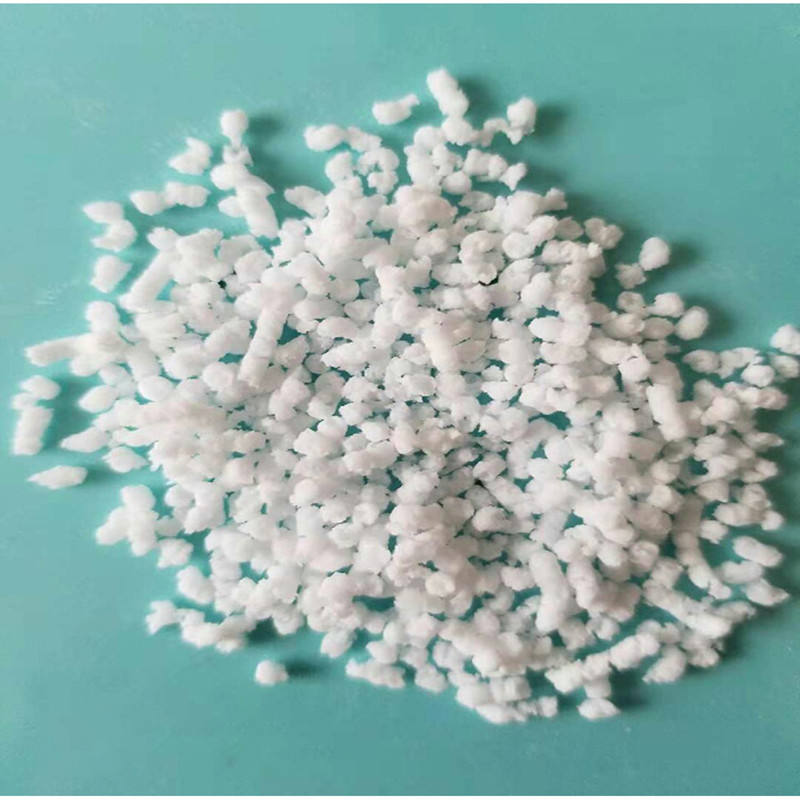
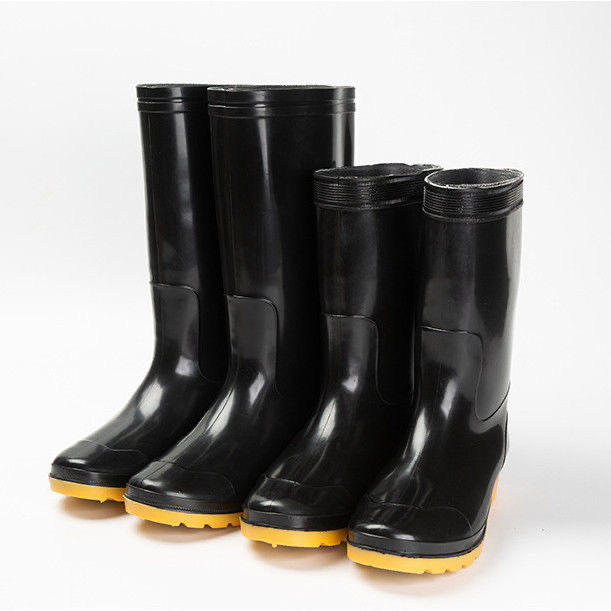
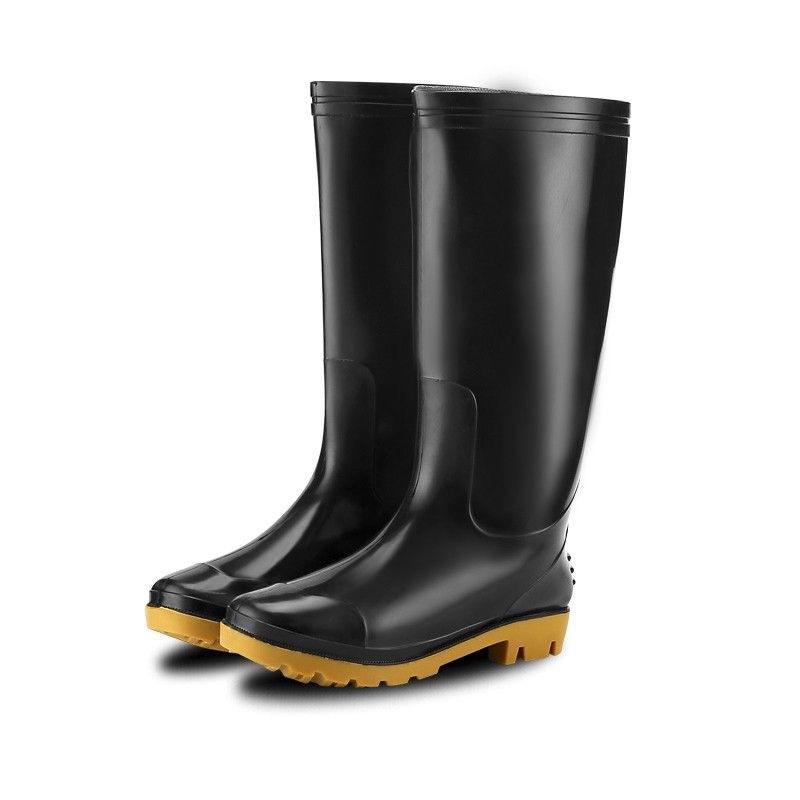
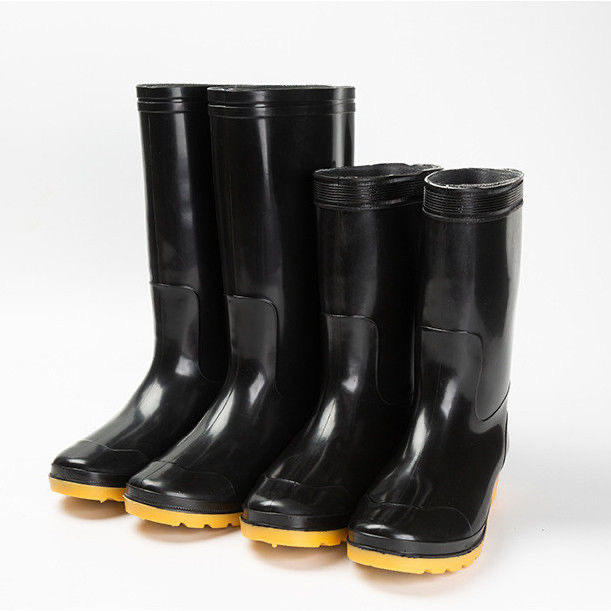
The best gum rubber outsole boots use tough, well-formulated soles that deliver strong abrasion resistance, structural support, and reliable traction. According to The Science and Technology of Rubber, wear resistance and mechanical performance depend on compound formulation, filler systems, crosslinking, and processing conditions — not on how thick or glossy a sole looks in a product photo.
Comfort Depends on Sole Structure, Not Just Softness
Comfort matters as much as toughness, especially for workers on their feet all day. A soft sole may feel pleasant at first touch, but how well it recovers after repeated compression is what determines long-term comfort. As Rubber Compounding: Chemistry and Applications explains, compression set and resilience are critical properties for elastomers under repeated load, and tread geometry works together with the compound to shape grip and wear.
| Comfort Factor | Standard Soft Sole | Gum Rubber Outsole Design |
|---|---|---|
| Initial softness | Often high | Usually moderate |
| Structural support | Inconsistent | Engineered for stability |
| Flexibility | Depends on formulation | Balanced for repeated movement |
| Long-term recovery | Depends on material quality | Shaped by compound & processing |
Per Rubber Technology, both material properties and tread pattern jointly determine how a boot performs on wet or uneven surfaces — so a deep tread on a poor compound, or a great compound on a shallow tread, will each fall short.
Why the Material Supplier Matters More than the Factory Label
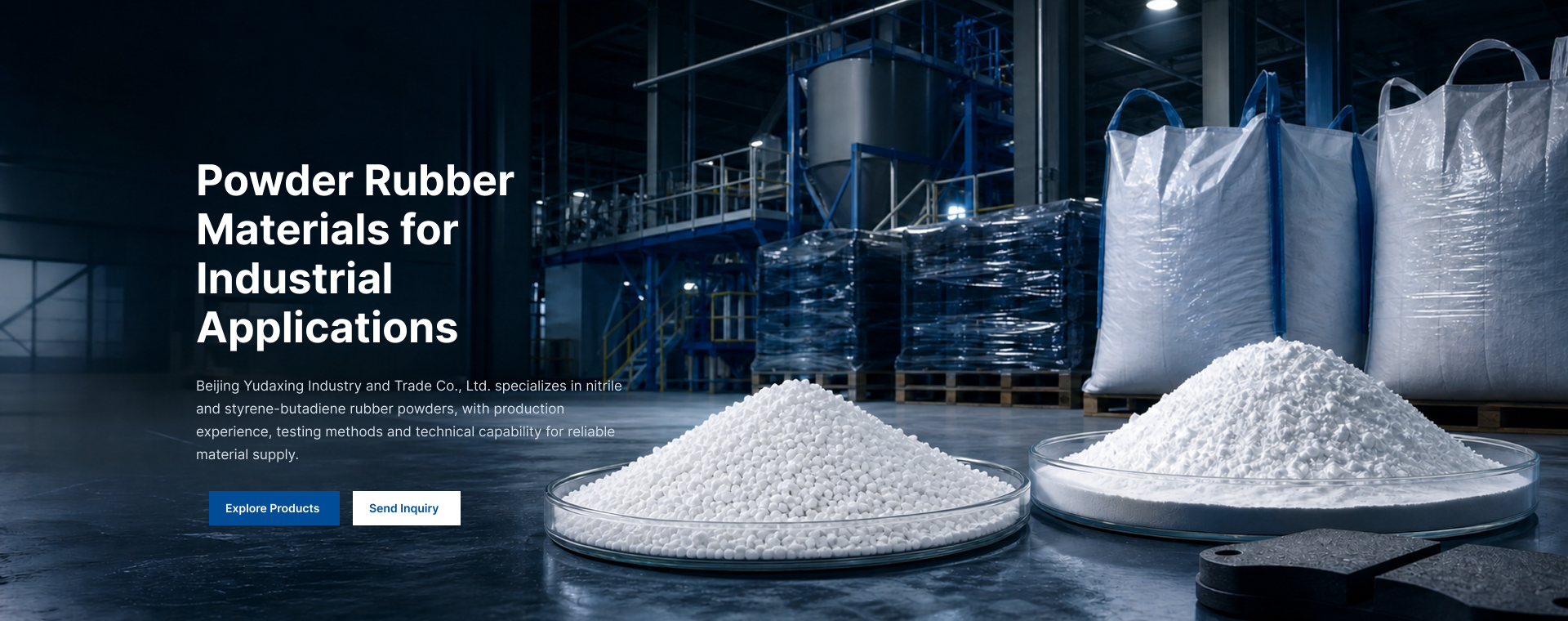
Buyers often ask which factory or brand made a boot, but a finished product is the result of a full supply chain: brand design, factory molding, and — most critically — the raw rubber compound supplied by a specialized material partner. At Yudahang, we supply rubber and polymer materials for footwear and industrial applications, and consistent material batches are what let a factory reproduce the same sole quality order after order.
Per Engineering with Rubber: How to Design Rubber Components, formulation, processing conditions, and final mechanical performance are tightly linked — a sound mold design can still underperform if the compound varies unexpectedly between production runs. Before selecting a supplier, buyers should ask:
- What material system does the sole use?
- How is batch-to-batch consistency controlled?
- What finished-product testing is performed, following recognized methods such as the ASTM rubber abrasion-resistance standard?
- How is sole-to-upper bonding evaluated?
Reading Reviews Without being Misled
Star ratings alone tell buyers little. Useful reviews mention tread wear, grip, cracking, flexibility, and separation between the sole and upper. Sole separation, however, is rarely a sign of poor rubber quality — it usually traces back to bonding: surface preparation, adhesive choice, and curing conditions, as outlined in the Handbook of Adhesives. A durable compound cannot compensate for poor bonding, and excellent bonding cannot fix an unsuitable rubber formulation — both have to be controlled together.
How to Choose Durable Gum Rubber Outsole Boots
-
Match the sole to the environment — rough outdoor terrain needs more abrasion resistance than light indoor use.
-
Evaluate compound and manufacturing consistency, not just the spec sheet.
-
Check sole construction and bonding quality as a complete system.
-
Request samples. Lab data helps, but real-world wear testing reveals what a spec sheet cannot.
The Bottom Line
Gum rubber outsole boots are tough and supportive when built from quality materials and disciplined manufacturing. The goal isn't the hardest or most expensive sole — it's the right balance of abrasion resistance, flexibility, compression recovery, traction, and bonding quality. Buyers should look past the finished boot and understand what goes into it.
At Yudahang, we help manufacturers and buyers get this right — from evaluating rubber and polymer material choices to supporting a steady, quality-controlled supply for specific applications and production goals. If you're sourcing rain boot materials, our team is ready to help.
References
- Mark, J. E., Erman, B., & Roland, C. M. (Eds.). The Science and Technology of Rubber. Academic Press.
- Rodgers, B. (Ed.). Rubber Compounding: Chemistry and Applications. CRC Press.
- Morton, M. (Ed.). Rubber Technology. Springer.
- Gent, A. N. (Ed.). Engineering with Rubber: How to Design Rubber Components. Hanser Publishers.
- Skeist, I. (Ed.). Handbook of Adhesives. Springer.
- ASTM International. Standard Test Method for Rubber Property — Abrasion Resistance (Rotary Drum Abrader), ASTM D5963.