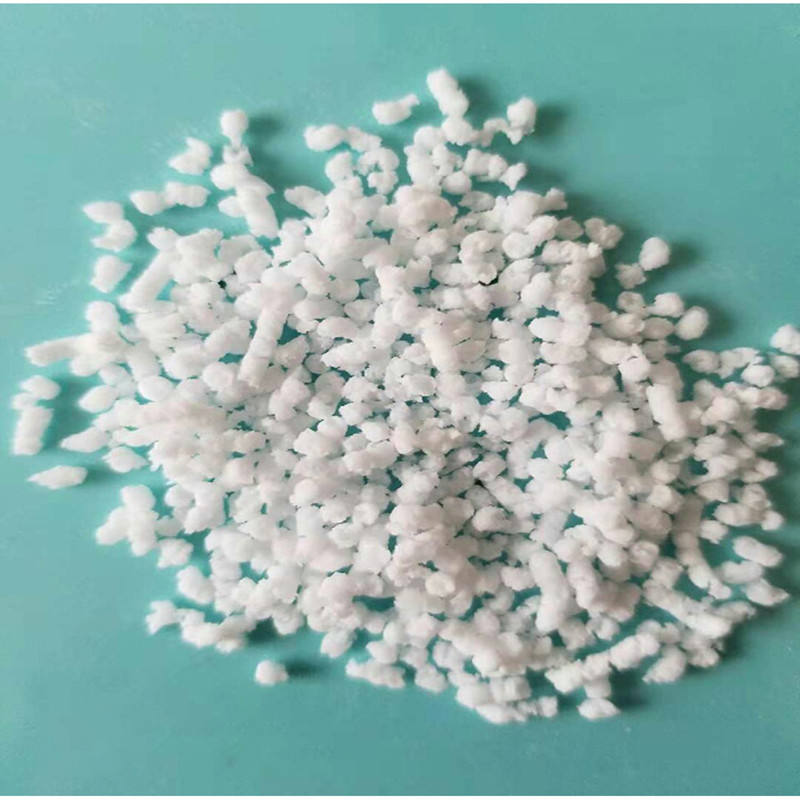

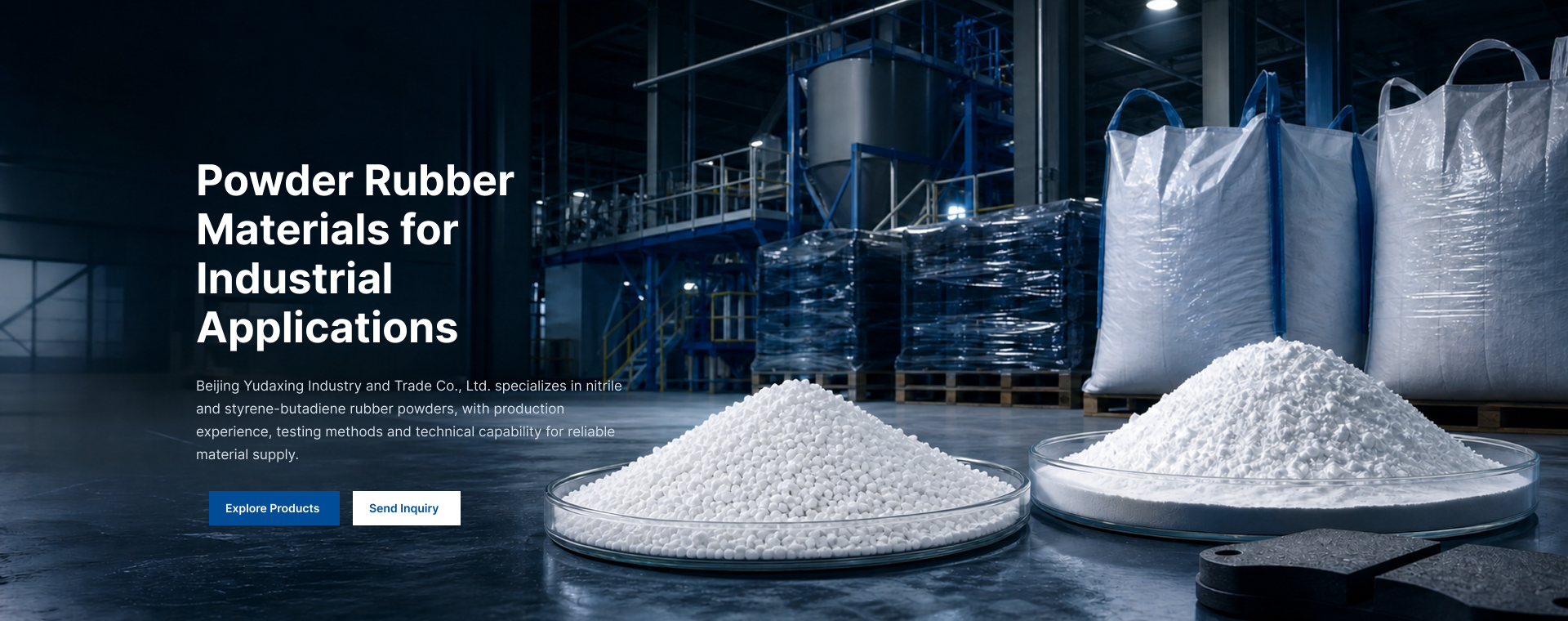
Why is Fine ABS Resin Powder Used in So Many Everyday Products?
Choosing the right material for a product is not easy. Many options exist, and each one claims to be strong, light, or flexible. ABS solves this problem in a practical way.
Fine ABS resin powder is mainly used for consumer products, home appliances, electronic housings, and car parts. It offers a good mix of impact resistance, rigidity, surface quality, and easy processing, which is why it shows up in so many industries at once.
This balance sounds simple, but it explains why ABS turns up almost everywhere, from kitchen appliances to car interiors. Let's walk through what actually makes this material work, and where its real limits are.
Which ABS Grade is the Strongest?
People often search for the "strongest" ABS grade, but this question misses the real point behind good material choice.
There is no single ABS grade that wins for every use. Strength depends on the grade's formulation, additives, and processing. High-impact grades handle sudden shocks better, while other grades favor rigidity or heat resistance. ABS is a thermoplastic copolymer made from acrylonitrile, butadiene, and styrene, and its mechanical properties depend on the ratio and processing of these three monomers.
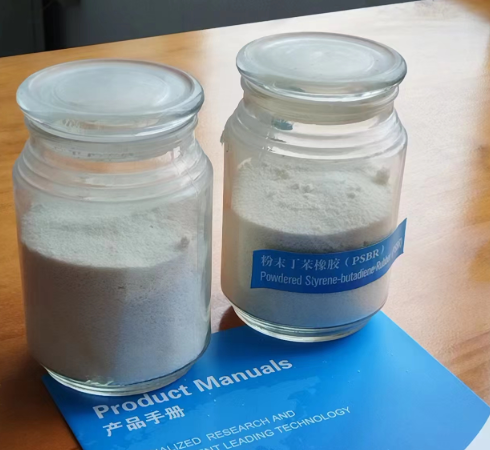
Strength is Not One Number
I never look at ABS strength as a single value. Acrylonitrile adds chemical resistance and hardness, butadiene adds toughness, and styrene adds rigidity and a glossy surface. Shift the ratio and the properties shift with it: more butadiene improves impact strength but softens the part, while a styrene-rich mix boosts gloss and flow. As impact strength increases, tensile and flexural performance usually decreases.
The key mechanism is rubber toughening: tiny particles of polybutadiene rubber dispersed in a hard styrene-acrylonitrile matrix. It's this two-phase structure, not one ingredient, that gives ABS its blend of stiffness and impact absorption. Adding fillers like talc or graphene oxide can further boost stiffness and thermal performance, which shows how adjustable this "one material" really is.
| Grade Type | Main Strength | Trade-Off |
|---|---|---|
| High-impact ABS | Resists sudden shock well | Slightly softer surface |
| High-rigidity ABS | Holds shape under load | Lower impact resistance |
| Heat-resistant ABS | Performs well at higher temperature | Often costs more |
The "strongest" grade only exists once you define what strength means for your part.
Is ABS Toxic?
Many people worry that plastic parts are unsafe, often confusing plastic types with harmful chemicals in general. ABS is not considered toxic under normal use, and it's widely approved for consumer products, appliances, and automotive interiors.
Where Real Risk Comes from
ABS itself is a stable solid polymer at room temperature and does not release harmful substances during normal handling, which is why it shows up in toys, kitchen appliances, and everyday products. The real risk shows up under specific conditions, not on the shelf. Heating ABS above roughly 274°C (525°F) can release fumes, including styrene and acrylonitrile monomers, that should not be inhaled, and risk rises sharply once the material is overheated, melted for extended periods, or burned.
Proper ventilation and correct processing temperature solve this in a factory setting. Additives are another factor worth watching: colorants, flame retardants, and other additives affect the safety of the final part, which matters most for children's products and food-related items. I always recommend asking a supplier for test reports rather than assuming a grade is safe just because it's labeled ABS.
How does Fine ABS Resin Powder Compare to Other Thermoplastics for Automotive Parts?
Automotive parts need many properties at once, and ABS is only one option among several engineering plastics competing for the job. It balances impact strength, surface finish, and cost well for interior parts, though materials like polycarbonate (PC) blends can offer better heat resistance.
Choosing Between ABS and Its Alternatives
In automotive manufacturing, ABS shows up often in interior trim, dashboard components, and housings, thanks to its smooth finish, dimensional stability, and lower cost. Interior-trim formulations typically use roughly 15–35% acrylonitrile, 5–30% butadiene, and 40–60% styrene, a balance chosen to keep gloss and moldability high while meeting impact and VOC targets for cabin air quality.
For parts facing higher heat or needing more impact strength, engineers move toward PC/ABS blends or polycarbonate. Unmodified ABS typically reaches a heat deflection temperature of about 88–110°C, while PC/ABS blends lift that to roughly 100–115°C — which is exactly why PC/ABS, not plain ABS, tends to appear closer to engine or cabin heat sources.
Polypropylene offers lower cost and good chemical resistance but weaker rigidity than ABS. Nylon performs well under heat and load but costs more and needs careful processing control. The best choice depends on where the part sits in the vehicle, not on which material sounds the most advanced.
| Material | Strength for Automotive Use | Typical Trade-Off |
|---|---|---|
| ABS | Good impact strength, smooth finish | Lower heat resistance |
| PC/ABS blend | Better heat resistance | Higher material cost |
| Polypropylene | Good chemical resistance | Lower rigidity |
No single material wins every category — the part's job decides the right fit.
Conclusion
ABS earns its place through balance, not extremes. It works because it fits real production needs, not because it's the strongest material on paper. At Yudahang, we help manufacturers strike that balance with reliable Fine ABS resin powder and other polymer raw materials, backed by consistent quality and responsive support.
References
[1] Wikipedia contributors. “Acrylonitrile butadiene styrene.” Wikipedia, The Free Encyclopedia.
[2] ScienceDirect Topics. “Acrylonitrile Butadiene Styrene — an overview.” Elsevier.
[3] “The Effect of Graphene Oxide and SEBS-g-MAH Compatibilizer on Mechanical and Thermal Properties of Acrylonitrile-Butadiene-Styrene/Talc Composite.” PMC, National Center for Biotechnology Information.
[4] “Is ABS Plastic Toxic? Safety, Risks & Health Effects Explained.” PlasticRanger.
[5] Formerra. “PC/ABS Blends.” Formerra Product Chemistries.
[6] “ABS In Automotive Interior Parts: Impact Resistance, Surface Finish, and VOC Control.” Eureka Research Reports, PatSnap.