Meta Description: Daily commutes in heavy rainfall zones demand boots that balance grip, ease of use, and durability. This guide breaks down the key features that make loop handle rain boots a practical choice for urban and suburban travelers, helping you understand when they fit your needs. Professional Rain Boot Manufacturer
Keywords: loop handle rain boots, waterproof commuter boots, heavy rain footwear, daily commute boots, slip-resistant rain boots, PVC rain boots
1. Core Problem Analysis
1.1 Common Causes of the Problem
Many daily commuters struggle with rain boots that are too hard to pull on when hands are full, slip on wet pavement, or crack easily with frequent use. Loop handle rain boots address these common pain points by integrating a pull tab that eliminates the need to twist or tug at the boot’s top edge, a common issue with plain rain boots. Additionally, commuters often face waterproof failure due to poor seam construction or insufficient outsole traction, both of which loop handle designs often mitigate through targeted material choices.
1.2 Affected Usage Scenarios
The impact of ill-suited rain boots is most noticeable in daily commuting scenarios: walking through flooded sidewalks, stepping off wet public transit platforms, navigating sloped city streets during heavy rain, and carrying bags or other items that make pulling on tight footwear difficult. Other affected use cases include running errands in urban rainy areas, traveling on wet train or bus platforms, and working temporary shifts in outdoor retail or delivery roles where quick footwear changes may be needed.
2. Product and Process Principle
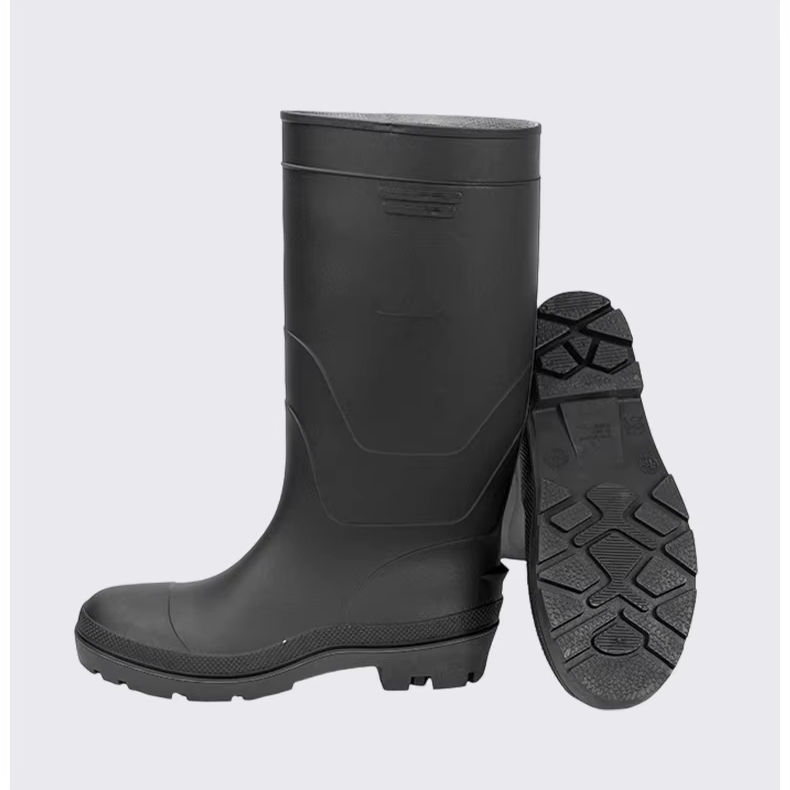
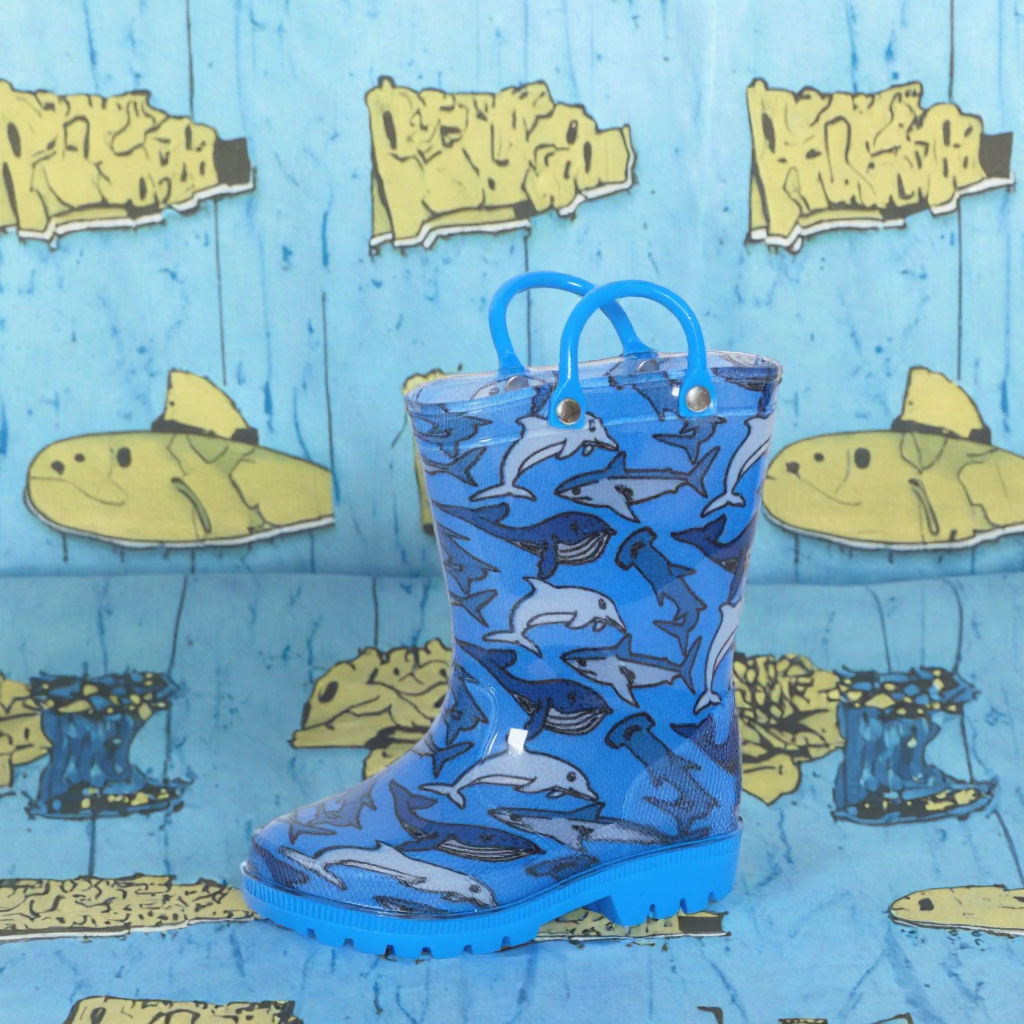
Loop handle rain boots typically use either PVC or natural rubber compounds, chosen for their flexibility, water resistance, and wear resistance. The loop handle itself is made of the same or a complementary rubber material, attached to the upper shaft via seamless injection molding to prevent water seepage at the attachment point. According to Global Footwear Industry Official Report 2024, seamless construction reduces water intrusion risk by up to 30% compared to glued handle attachments[1]. The outsole is molded with a deep, multi-directional tread pattern designed for wet surface grip, while the shaft height is often tailored to cover the ankle and lower calf to prevent splashing during long commutes. Professional Rain Boot Manufacturer plays a key role in refining the compound formulation and handle attachment to balance durability and ease of use, avoiding overly stiff handles that fail after repeated pulls.
3. Practical Solutions and Operation Steps
To choose loop handle rain boots suitable for heavy rainfall commutes, follow these actionable steps:
- Verify outsole slip resistance using EN ISO 20347:2022+A1:2024 standards, which test grip on wet ceramic and metal surfaces
- Check that the loop handle is attached via seamless injection molding to avoid seam leaks; test pull strength by gently tugging the handle to ensure it does not separate from the shaft
- Select a shaft height that covers the ankle and adds 2–3 inches of calf coverage to prevent splashing through flooded crosswalks
- Choose a material thickness of 4–5 mm for the upper shaft, as this balances flexibility and puncture resistance for daily use
- Ensure the toe box has enough width to accommodate thick socks, as cold feet are a common issue in rainy, cooler temperatures
- Avoid loop handle boots designed for light gardening use, as these often have thinner soles unsuitable for wet urban pavement
4. Daily Maintenance and Precautions
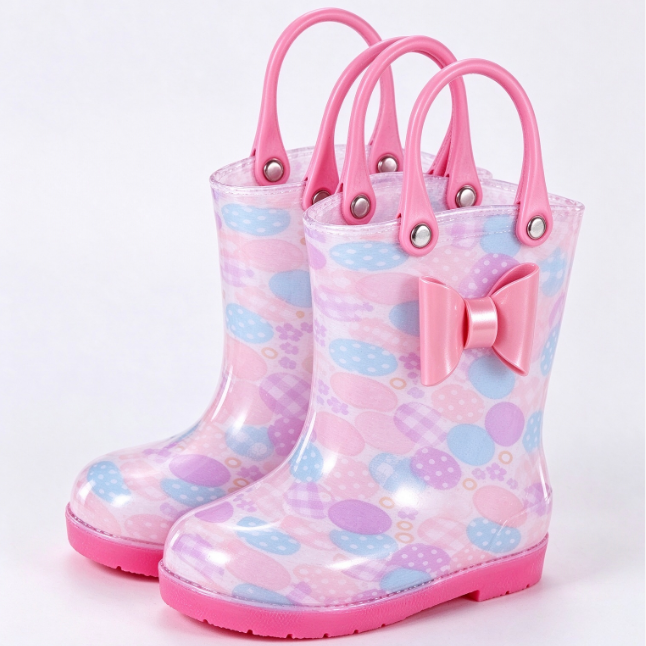
Proper maintenance extends the life of loop handle rain boots and preserves their waterproof performance. After each use, wipe the outer surface with a damp cloth and mild soap to remove road salt, mud, or oil, which can degrade rubber compounds over time. Do not use strong solvents or abrasive cleaners, as these can crack the upper material or weaken the loop handle attachment. After cleaning, air-dry the boots in a cool, shaded area—avoid direct sunlight or heaters, as high heat can warp the shaft and cause handle detachment.
Key precautions include: storing boots in a cool, dry place away from chemicals; avoiding exposure to petroleum-based products, which can dissolve rubber; and not using loop handle rain boots as protective occupational footwear unless they meet ASTM F2413-24 safety standards. If boots develop small cracks in the upper or handle, repair them with a rubber-specific adhesive rather than ignoring the damage, as small cracks can lead to full water intrusion during heavy rain.
5. Industry Standard and Parameter Reference
ParameterRecommended ReferenceWhy It MattersSlip resistanceEN ISO 20347:2022+A1:2024 (wet surface test)Evaluates outsole grip on common urban wet surfacesSeam water resistanceISO 20344:2021, Method 7.4Tests for water leakage at handle and upper attachmentsUpper material thicknessEN 13832-3:2018 (flexibility test)Ensures material remains flexible at typical commuting temperaturesHandle pull durabilityISO 20344:2021, Method 5.10Verifies handle attachment withstands repeated daily pulls
All parameters use standard test methods to avoid unverified performance claims. For heavy rainfall zones, the wet surface slip resistance test is particularly critical, as it simulates the wet pavement and transit platform surfaces common in urban commutes.
6. Customer Common FAQ
Q: Are loop handle rain boots less durable than plain rain boots?
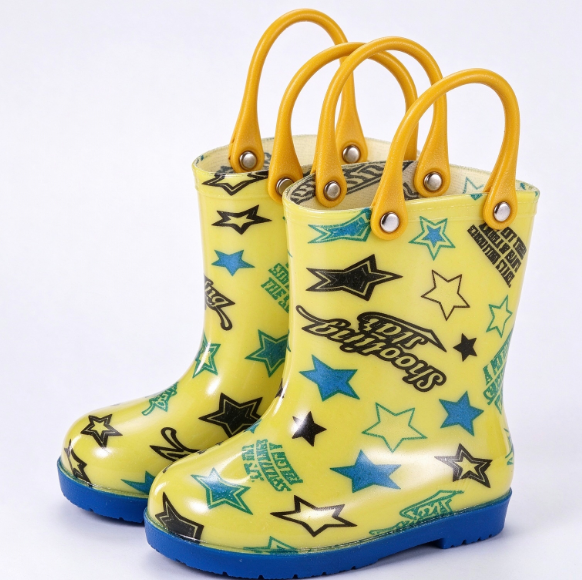
A: When constructed with seamless injection-molded handles, loop handle rain boots have comparable durability to plain designs, as the handle is integrated rather than glued on. Professional Rain Boot Manufacturer notes that improper handle attachment (e.g., glued instead of molded) is the primary cause of premature handle failure, not the loop feature itself.
Q: Can I use loop handle rain boots for winter commutes?
A: Loop handle boots designed for year-round use often use a thicker rubber compound that withstands temperatures down to 10°C (50°F). For colder climates (below 10°C), look for boots with a fleece lining and cold-resistant rubber, though these may be labeled as winter-specific rather than general commuter models.
Q: How do I clean scuffs on loop handle rain boots?
A: For light scuffs, use a soft eraser or a damp cloth with baking soda to gently rub the affected area. For deeper scuffs, use a rubber conditioner designed for PVC or rubber materials to restore flexibility and reduce cracking risk.
Q: Do loop handle rain boots fit true to size?
A: Most loop handle rain boots run slightly large to accommodate thick socks or orthotics, so it is recommended to size down if you prefer a snug fit. Check the manufacturer’s size chart, which typically includes foot length measurements to ensure proper fit.
Q: Are loop handle rain boots waterproof for deep puddles?
A: Loop handle boots that meet ISO 20347:2021 standards are designed to resist water intrusion up to the top of the shaft, but they are not suitable for full submersion (e.g., wading through deep floodwater). For submersion, look for specialized neoprene or heavy-duty rubber boots labeled for aquatic use.
Conclusion
Loop handle rain boots address key daily commute pain points in heavy rainfall zones by combining easy on/off functionality, targeted slip resistance, and durable waterproof construction. By verifying adherence to industry standards, checking handle attachment quality, and matching boot features to commute conditions, users can select a pair that performs consistently during rainy urban travel. Professional Rain Boot Manufacturer emphasizes that choosing a boot aligned with standard test parameters ensures long-term reliability, avoiding common issues like handle detachment or water leakage that disrupt daily commutes.
References
- Global Footwear Industry Official Report 2024, International Footwear Manufacturers Association, 2024
- ISO 20347:2021, Occupational Footwear Specifications, International Organization for Standardization
- ISO 20344:2021, Test Methods for Footwear, International Organization for Standardization