
Best Chemical-Resistant Work Boots: PVC vs Rubber vs Neoprene
Which Type of Footwear is Best Suited for Working Around Chemicals?
A splash of acid on the wrong boot can end a shift in the ER, not the break room. Most workers never think about their footwear until that moment arrives.
The best footwear for chemical work is a boot made from a material matched to the exact chemical you handle, not just a boot labeled "chemical resistant." PVC, rubber, neoprene, and nitrile each block different substances and fail against others, so the right choice depends on the job.
I have spent years looking at boots that failed on the job, and the pattern is almost always the same. The boot looked tough on the shelf, but the material was wrong for the chemical in the room. Before you buy your next pair, it helps to know what actually makes a boot safe.
How to Know if Boots are Chemical Resistant?
A boot that feels thick and heavy is not proof of anything. Chemical resistance is a material property, not a weight class.
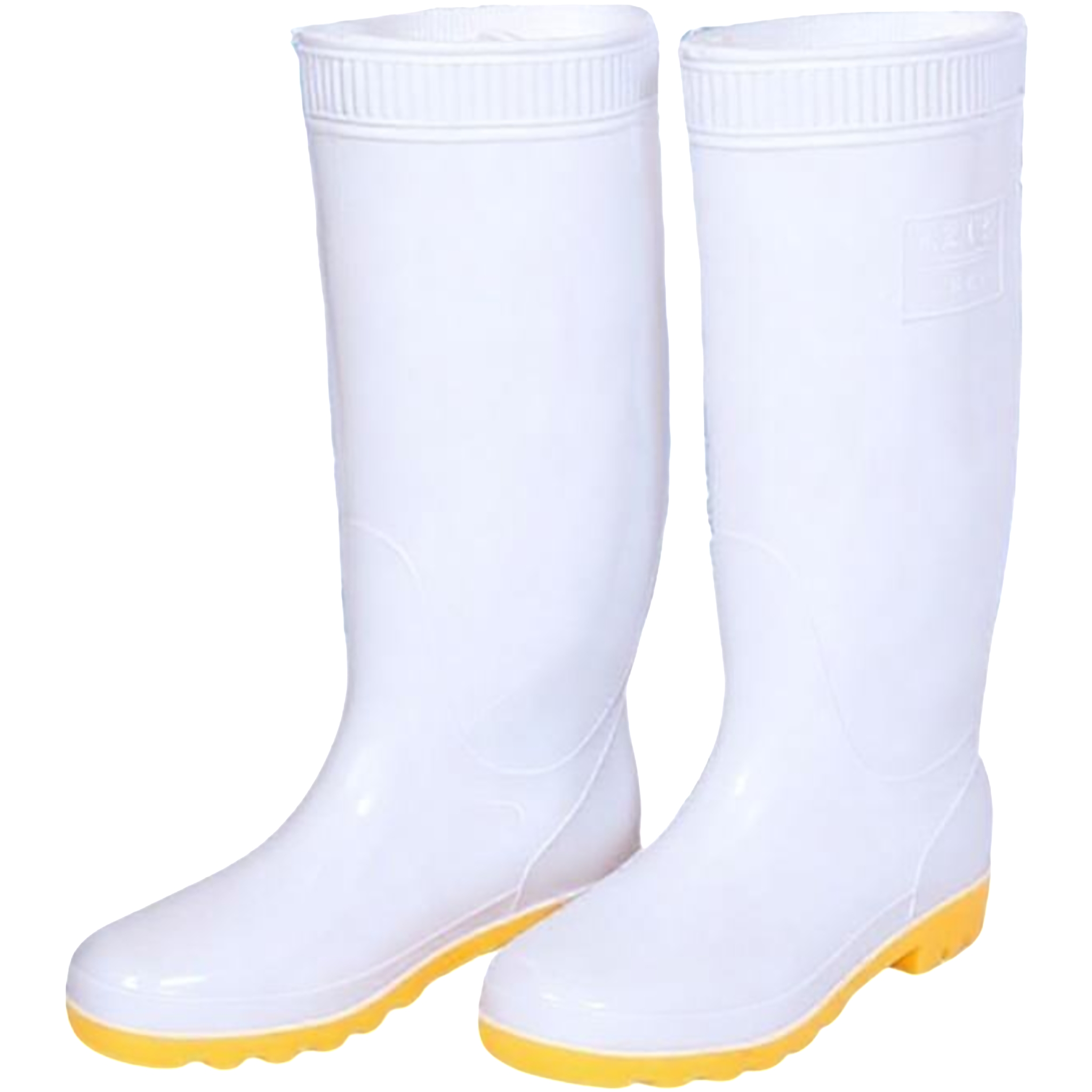
A boot is truly chemical resistant when its upper, sole, and seams have been tested against specific chemicals, not just marketed with the phrase "chemical resistant." Ask the supplier for a resistance chart that names the chemical, its concentration, and the test result.
Workplaces in the US lean on OSHA's PPE guidance and the foot protection rule in 29 CFR 1910.136 to decide when protective footwear is required at all, but neither tells you which material to pick. The label most buyers recognize is ASTM F2413. It covers impact, compression, and other mechanical hazards, but it does not certify resistance to any particular chemical. A safety-toe rating on its own says nothing about acid or solvent. I tell buyers to treat F2413 as the baseline for mechanical protection and the manufacturer's chemical data as the proof for chemical protection.
Check the seam construction too. A seamless or fully sealed boot keeps liquid from creeping in at the stitch line, which is often where failures start. Sole bonding matters just as much as the upper. If the sole separates after repeated flexing, the boot stops being protective no matter how resistant the upper material is.
Do Your Feet Absorb Chemicals from Shoes?
Skin looks like a solid wall, but it is not one. Some chemicals move straight through it while a worker feels nothing at all.
Yes, skin can absorb certain chemicals directly through contact, including through footwear that has been contaminated. Absorption depends on the chemical, the exposure time, and how well the boot material blocks it.
This is the part of chemical safety that gets the least attention, and I think that is a mistake. NIOSH research on dermal exposure shows that skin contact can lead to effects well beyond simple irritation, including systemic absorption into the bloodstream in some cases. A boot that blocks liquid on the surface but breaks down internally after repeated exposure can still let chemicals reach the skin over time. Occupational hygiene guidance points out that this kind of exposure is often missed because there is no smell or sting at the moment of contact. That is why I recommend checking boots after each shift, not just before buying them. A cracked sole or a soft spot in the upper is a warning sign, not a cosmetic issue.
Which Footwear is Best for Workers in Chemical Areas: PVC, Rubber, Neoprene, or Nitrile?
Not every chemical boot belongs in every chemical room. A boot built for acid splashes is not automatically the right choice for solvents.
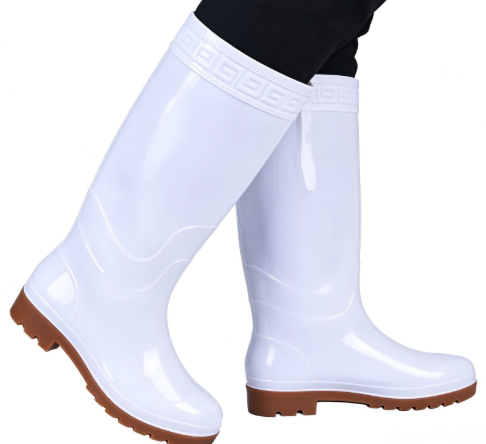
PVC suits acids, alkalis, salts, and oils. Natural rubber suits dilute acids, alkalis, and alcohols where comfort matters. Neoprene balances moderate chemical resistance with flexibility and heat tolerance. Nitrile is the pick for oils and fuels.
Matching material to hazard is where most buying decisions go wrong. In my own comparisons, I lean on published material comparisons and independent material testing before recommending a boot for a specific site. The table below shows what holds true across most industrial settings, including the chemicals each material should not be used with. Ratings shift with compound, concentration, and temperature, so confirm against the supplier's chart for your exact chemical.
| Material | Resists Well | Avoid With | Key Property |
|---|---|---|---|
| PVC | Acids, alkalis, salts, oils, fats | Ketones, esters, aromatic and chlorinated solvents | Wide chemical range, stiffer in cold |
| Natural rubber | Dilute acids, alkalis, alcohols | Oils, fuels, most solvents | Flexible and comfortable, heavier |
| Neoprene | Alkalis, many acids, oils, heat | Strong oxidizing acids, aromatic solvents | Flexible, softer fit |
| Nitrile | Hydrocarbons, fuels, oils | Ketones, strong oxidizers | Good abrasion resistance, low-temp flexibility |
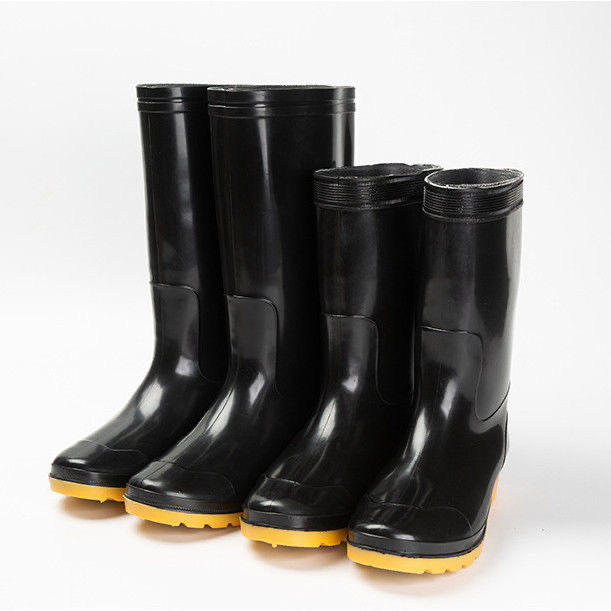
This is the same logic I apply whenever I look at boot construction for real work sites. A worker handling sulfuric acid needs a different upper than one working around solvents, even though both jobs fall under the same "chemical area" label. Getting this match right, in my experience, prevents more injuries than any warranty or replacement policy ever will. For acid and alkali work, PVC chemical boots are usually the first material I would shortlist.
What Else Should You Check before Buying Chemical-Resistant Boots?
Material is the first filter, not the last. Once the chemistry fits, these details decide whether the boot works through a full shift:
- Boot height: mid-calf or knee height keeps splashes from running in over the cuff. Wear trousers or a suit leg over the boot, not tucked into it.
- Sole tread: wet or oily floors are common in chemical areas, so an anti-slip tread matters as much as the upper.
- Mechanical protection: if the job involves falling objects or sharp debris, look for a safety toe and puncture-resistant midsole on top of chemical resistance.
- Temperature: PVC stiffens in the cold, while neoprene stays flexible and handles heat better.
- Fit: a loose boot rubs and flexes the sole at the wrong point. Try it on with the socks you will actually wear.
How Often Should Chemical-Resistant Boots be Replaced?
There is no universal calendar answer, because wear depends on the chemical, concentration, temperature, and hours worn. Follow the manufacturer's guidance and inspect after every shift.
Retire a boot immediately after a splash from a chemical it is not rated for, and replace it when you see cracking, swelling, softening, sticky surfaces, discoloration, or a loose sole. Rinse boots with clean water and mild detergent after use, then dry them away from direct heat so the material does not harden.

Conclusion
Chemical-resistant footwear only works when material, testing, and job conditions actually line up with the hazard at hand. For acid and alkali work, Yudahang's acid resistant boots in PVC with an anti-slip tread are a sensible place to start, as long as the chemicals on your site sit inside the material's resistance range.
References
OSHA. "Personal Protective Equipment (OSHA 3151-02R 2023)." osha.gov
OSHA. "29 CFR 1910.136 - Foot protection." osha.gov
HexArmor. "Get to Know OSHA and ASTM Footwear Standards." hexarmor.com
NIOSH/CDC. "Skin Notations Documentation, 2009-147." cdc.gov
CCOHS. "Occupational Hygiene – Dermal Exposure." ccohs.gc.ca
Droppe. "Understanding Chemical Resistance Materials Used in Protective Boots." droppe.com
Workwear.org. "PVC vs Neoprene vs Rubber – Which One Is Superior in Work Boots?" workwear.org