
How do Breathable Boots for Men Balance Comfort, Protection, and Durability?
Your feet sweat for eight hours inside a boot built to block everything else. Heat builds. Blisters follow. Focus drops.
Breathable boots for men balance comfort, protection and durability by letting heat and moisture out while keeping hazards and water out. The balance comes from the upper, the lining and the construction working together, not from one feature.
Most buyers check one label and stop. I think that causes most bad purchases. Here is what I check instead.
Why does Breathability Matter in Men's Boots?
Hot, damp feet slow you down by noon. By the end of the shift, they hurt.
Breathability matters because boots trap heat and sweat. Damp skin rubs harder and blisters sooner. A breathable boot lets moisture escape, so your feet stay cooler, drier and more comfortable through a long day.
Moisture raises friction
Blister Prevention explains that wet skin creates more friction against the sock. In one heel study, a soaked foot heated up faster under repeated rubbing than a dry foot. That heat is an early sign of a blister. I have seen this on real job sites.
Breathable boots vs traditional boots
Traditional boots often use thick leather or coated materials. Timberland warns that heavy, non-breathable materials such as rubber or coated leather trap heat. That does not make them bad. They suit cold or wet work. Breathable boots suit warm weather and long dry days. The two types simply serve different jobs.
What Makes a Boot Breathable?
Many pages say "breathable material" and stop. That explains nothing.
A boot is breathable because of its upper material, its inner lining and its overall construction. The upper lets air move. The lining pulls moisture away from the skin. The structure decides where air can flow.
Upper materials
Timberland recommends mesh, canvas and leather for warm weather. Mesh is light and airy. Leather and synthetics give stronger protection and longer wear. In my experience, mesh wears out faster at flex points and scuff zones. The best upper depends on the job.
Lining and construction
A moisture-wicking lining moves sweat off the skin. Blister Prevention notes that the top of the foot produces about 70% of foot sweat, and the sole about 30%. So a ventilated upper helps more than many buyers expect. At Yudahang, I look at the upper, lining and structure as one system. One part alone never fixes the problem.
Can Waterproof Boots Also be Breathable?
Many men think waterproof boots cannot breathe. The idea sounds logical. It is only half right.
Yes, waterproof boots can be breathable, but with limits. A waterproof layer blocks liquid water from outside. A breathable structure lets sweat vapor escape. Both can work together, though a waterproof boot will always breathe less than a vented one.
Two different jobs
T3 states that waterproof boots are less breathable and typically heavier. Waterproofing and breathability solve different problems. Good design needs both water protection and inside comfort.
| Feature | Function |
|---|---|
| Waterproof layer | Blocks external water |
| Breathable structure | Lets moisture vapor escape |
| Moisture-wicking lining | Helps manage sweat |
My view on the trade-off
No boot is fully waterproof. T3 notes that a membrane resists water only up to a point. In dry heat, I skip the membrane. In rain and mud, I accept the small loss in airflow.
How do Breathable Boots Improve Comfort During Long Hours?
A boot that feels fine at 8 a.m. can feel wrong by 4 p.m.
Breathable boots improve long-hour comfort by managing three things: weight, cushioning and temperature. Lighter boots reduce fatigue. Good support lowers foot strain. Airflow stops heat from building up inside the boot.
Weight and cushioning
Nick's Boots says lighter builds reduce fatigue without giving up protection. I agree. You lift each boot thousands of times a day, so extra weight adds up fast. Timberland also points to cushioned insoles and arch support for long shifts.
Fit and movement
Here is a point most pages miss. Blister Prevention reports that perceived wetness seems driven more by foot movement inside the shoe than by actual sweat. So a locked-in fit matters as much as airflow. A loose boot feels damp and rubs, even with good ventilation.
Are Breathable Boots Suitable for Work Environments?
Hiking and camping pages dominate this topic. Work sites follow different rules.
Yes, breathable boots suit many work environments when they match the hazards. Construction needs protection and durability. Warehouses need light weight and standing comfort. Outdoor labor needs weather resistance and airflow.
Match the boot to the site
KEEN shows that breathable work boots can still carry steel or soft toes, mesh uppers and slip-resistant outsoles. Nick's Boots notes that steel toes run hotter, but breathable liners help offset the heat. Work boots need more than comfort. They must handle daily challenges.
Check features beyond breathability
I always check grip, sole wear and the protection rating. Timberland stresses slip-resistant soles, since summer showers make floors slick. A cool boot that slips is not a good boot.
How to Choose Breathable Boots Based on Different Conditions?
Buyers often pick by brand or price. Conditions should come first.
Choose by condition. Hot weather needs ventilation and moisture control. Wet sites need waterproof protection with some breathability. Long shifts need low weight and support. Outdoor work needs flexibility and durability.
Hot and dry, or wet and cold
T3 says that in dry places, breathability matters most. In wet, muddy or cold places, waterproofing earns its place. Brunt's guide begins with a simple rule: start with your jobsite. I follow the same rule.
Long shifts and standing water
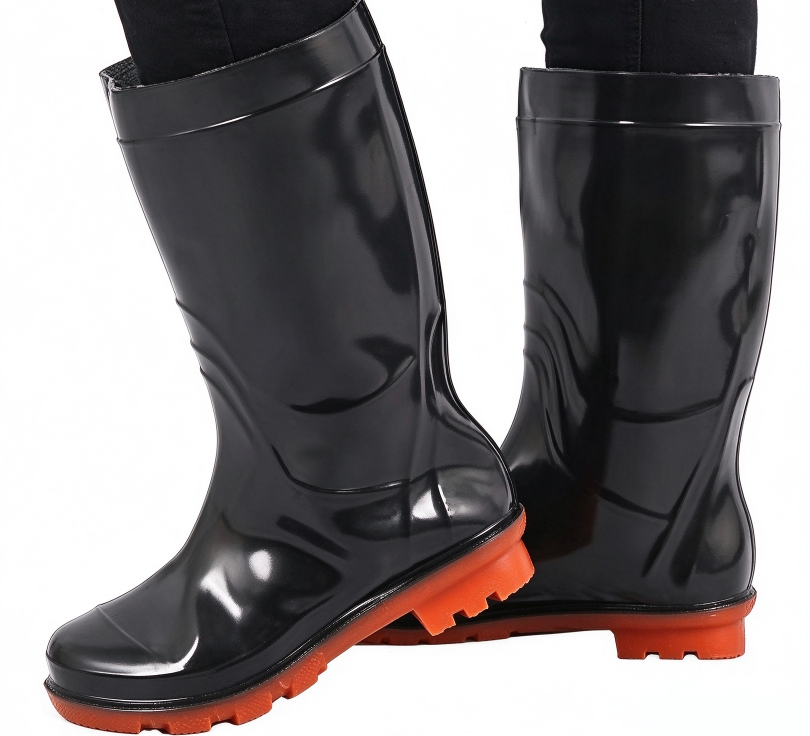
For long shifts, I put weight and fit first. For standing water, I use a different answer. At Yudahang, I tell customers that if water rises above the ankle, a rain boot works better than any breathable mesh. If you face both dry heat and wet days, T3 suggests owning two pairs.
Conclusion
Breathable boots work when the upper, lining, fit and protection match your conditions. Choose by environment first. Then check comfort and durability.
References
Blister Prevention. Findings on Foot Sweat (Including Regional Differences).
Timberland. Lightweight Work Boot Guide.
T3. Do You Really Need Waterproof Hiking Boots?
Nick's Boots. Best Summer Work Boots.
KEEN Utility. Breathable Work Boots and Shoes.
Brunt Workwear. Waterproof Work Boot Guide.