
Which Type of Footwear May be Best Suited for Working around Chemicals?
A splash of acid on the wrong boot can end a shift in the ER, not the break room. Most workers never think about their footwear until that moment arrives.
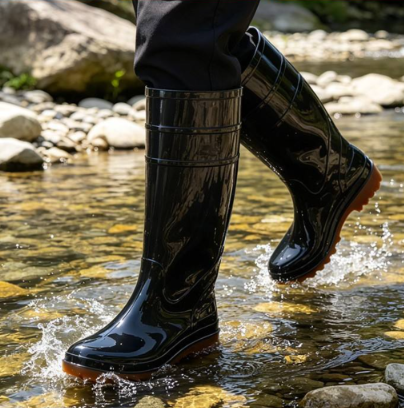
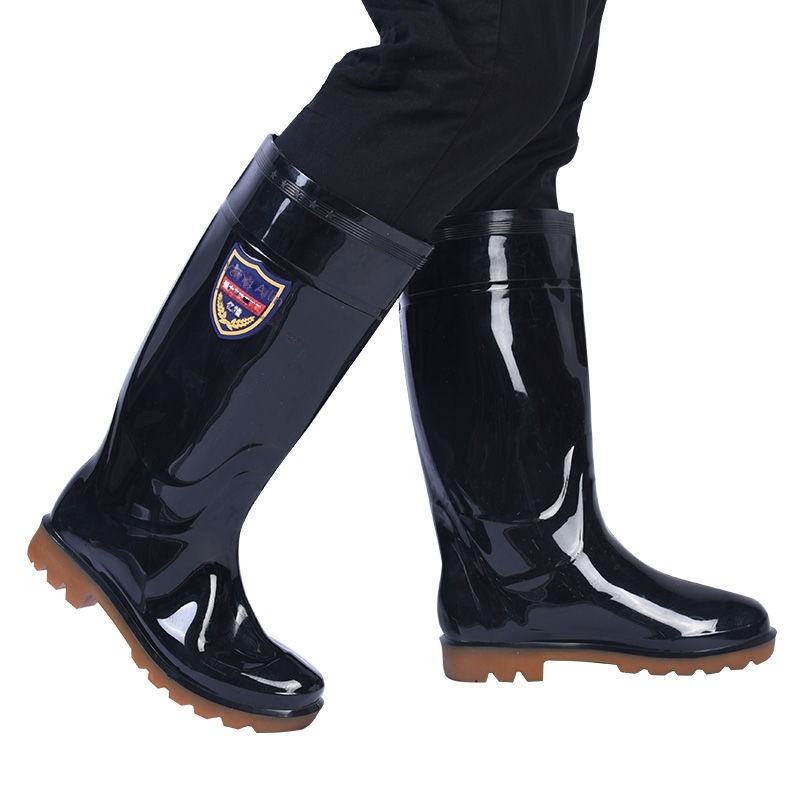
The best footwear for chemical work is a boot made from a material matched to the exact chemical you handle, not just a boot labeled "chemical resistant." PVC, rubber, and neoprene each block different substances, so the right choice depends on the job.
I have spent years looking at boots that failed on the job, and the pattern is almost always the same. The boot looked tough on the shelf, but the material was wrong for the chemical in the room. Before you buy your next pair, it helps to know what actually makes a boot safe.
How to Know if Boots are Chemical Resistant?
A boot that feels thick and heavy is not proof of anything. Chemical resistance is a material property, not a weight class.
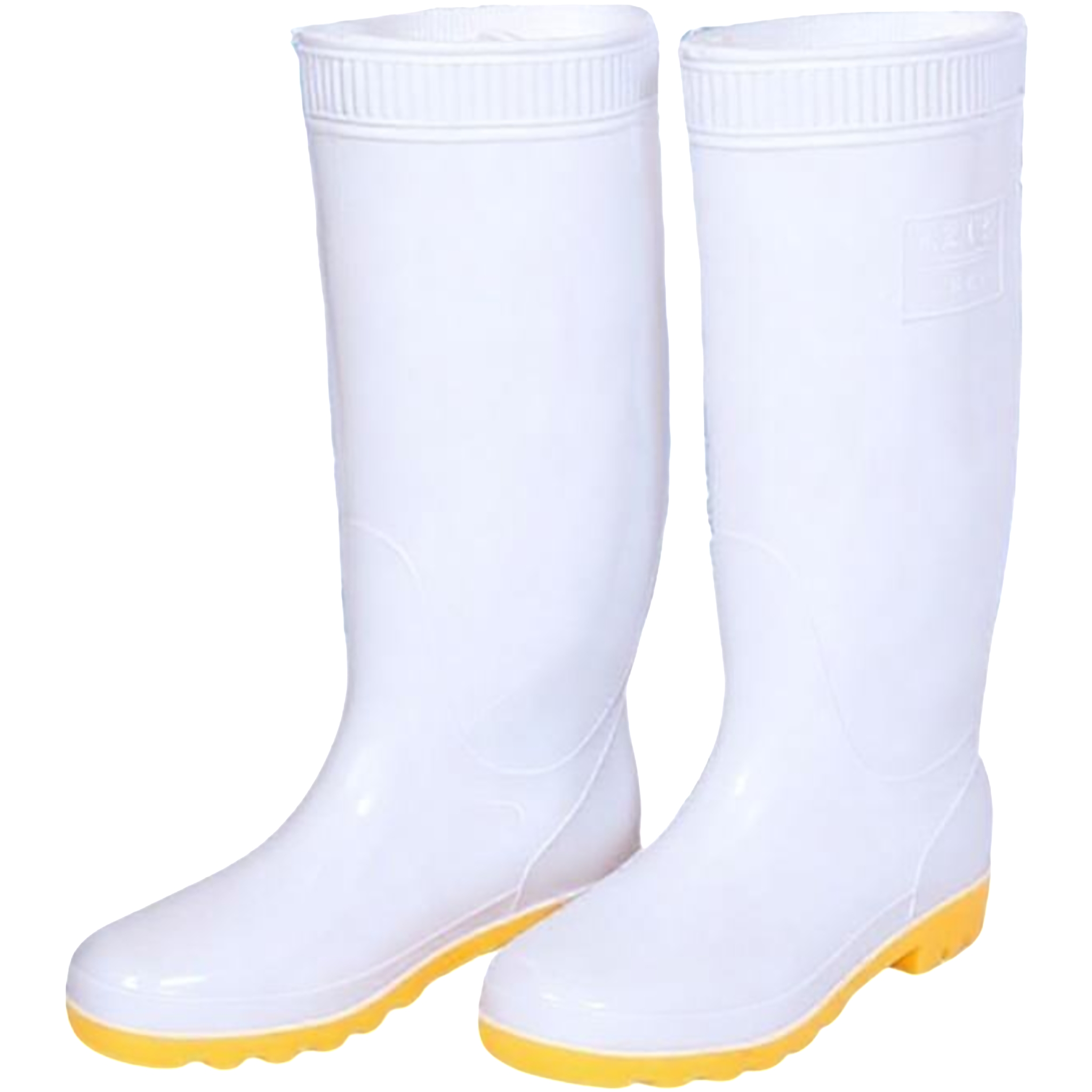
A boot is truly chemical resistant when its upper material, sole, and seams have been tested against specific chemicals and pass recognized performance standards, not just marketed with the phrase "chemical resistant."
Workplaces in the US lean on OSHA's foot protection rule to decide when protective footwear is required at all, but the rule itself does not tell you which material to pick. That decision comes down to product testing. Boots that meet ASTM F2413 performance requirements have gone through impact, compression, and in some cases chemical exposure tests, so the label carries real weight instead of just marketing language. I always tell buyers to check the seam construction too. A seamless or fully sealed boot keeps liquid from creeping in at the stitch line, which is often where failures start. Sole bonding matters just as much as the upper. If the sole separates after repeated flexing, the boot stops being protective no matter how resistant the upper material is.
Do Your Feet Absorb Chemicals from Shoes?
Skin looks like a solid wall, but it is not one. Some chemicals move straight through it while a worker feels nothing at all.
Yes, skin can absorb certain chemicals directly through contact, including through footwear that has been contaminated. Absorption depends on the chemical, exposure time, and how well the boot material blocks it.
This is the part of chemical safety that gets the least attention, and I think that is a mistake. NIOSH research on dermal exposure shows that skin contact can lead to effects well beyond simple irritation, including systemic absorption into the bloodstream in some cases. A boot that blocks liquid on the surface but breaks down internally after repeated exposure can still let chemicals reach the skin over time. Occupational hygiene guidance points out that this kind of exposure is often missed because there is no smell or sting at the moment of contact. That is why I always recommend checking boots after each shift, not just before buying them. A cracked sole or a soft spot in the upper is a warning sign, not a cosmetic issue.
Which Type of Footwear is Recommended for Workers in Chemical Areas?
Not every chemical boot belongs in every chemical room. A boot built for acid splashes is not automatically the right choice for solvents.
PVC boots suit acids, oils, and mineral compounds, rubber suits broad-spectrum exposure in heavy-duty settings, and neoprene suits alkalis and environments where flexibility and heat resistance matter most.
Matching material to hazard is where most buying decisions go wrong. In my own comparisons, I lean on published material comparisons and independent material testing before recommending a boot for a specific site. The table below reflects what I have found holds true across most industrial settings.
| Material | Best For | Key Property |
|---|---|---|
| PVC | Acids, oils, mineral compounds | Strong resistance, less flexible |
| Rubber | Acids, alcohols, bases | Broad protection, heavier weight |
| Neoprene | Alkalis, heat exposure | Flexible, softer fit |
| Nitrile | Hydrocarbons, fuels | Good abrasion resistance, low-temp flexibility |
This is the same logic I apply whenever I look at boot construction for real work sites. A worker handling sulfuric acid needs a different upper than one working around solvents, even though both jobs fall under the same "chemical area" label. Getting this match right, in my experience, prevents more injuries than any warranty or replacement policy ever will.
Conclusion
Chemical-resistant footwear only works when material, testing, and job conditions actually line up with the hazard at hand.

References
- OSHA. "Personal Protective Equipment (OSHA 3151-02R 2023)." osha.gov
- HexArmor. "Get to Know OSHA and ASTM Footwear Standards." hexarmor.com
- NIOSH/CDC. "Skin Notations Documentation, 2009-147." cdc.gov
- CCOHS. "Occupational Hygiene – Dermal Exposure." ccohs.gc.ca
- Droppe. "Understanding Chemical Resistance Materials Used in Protective Boots." droppe.com
- Workwear.org. "PVC vs Neoprene vs Rubber – Which One Is Superior in Work Boots?" workwear.org