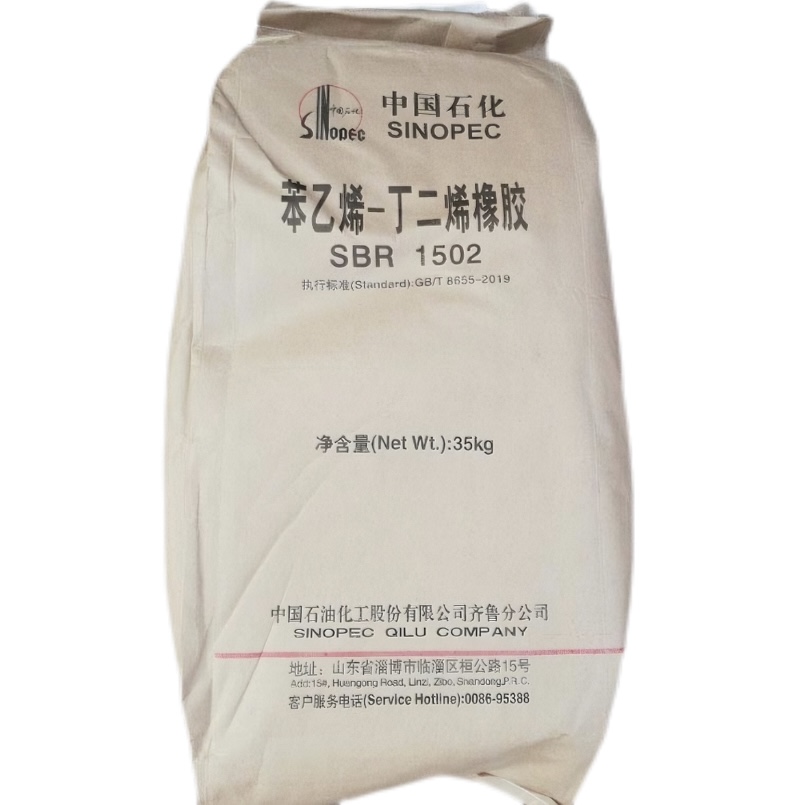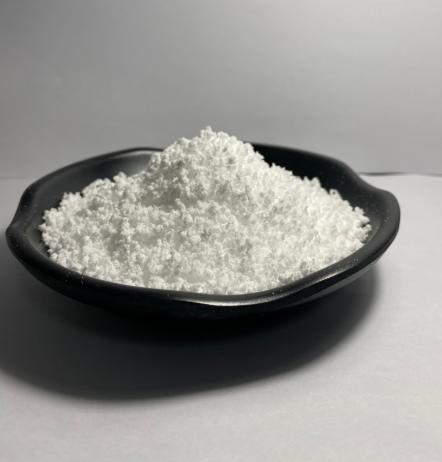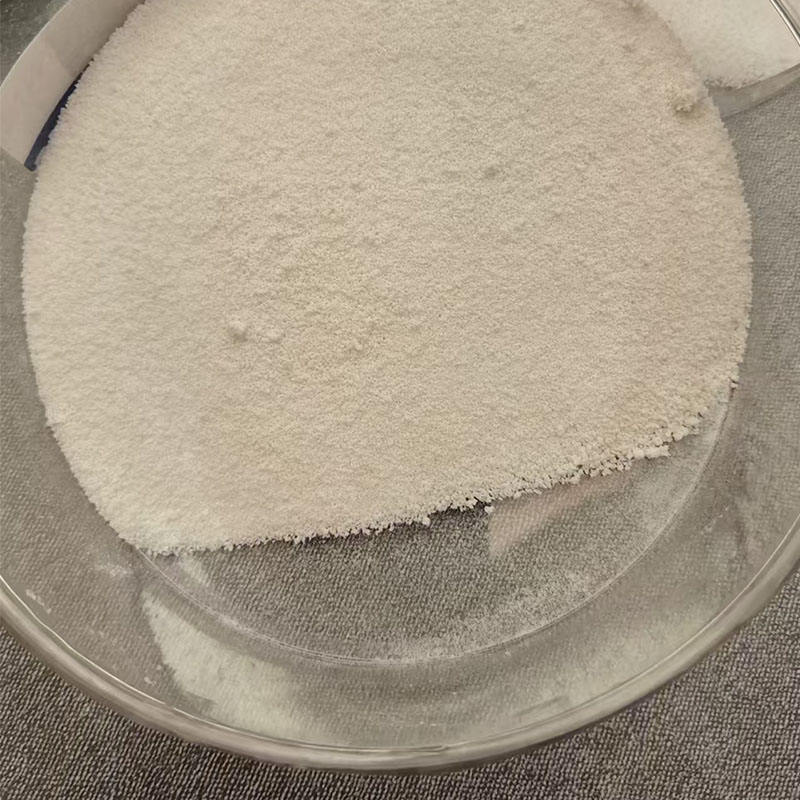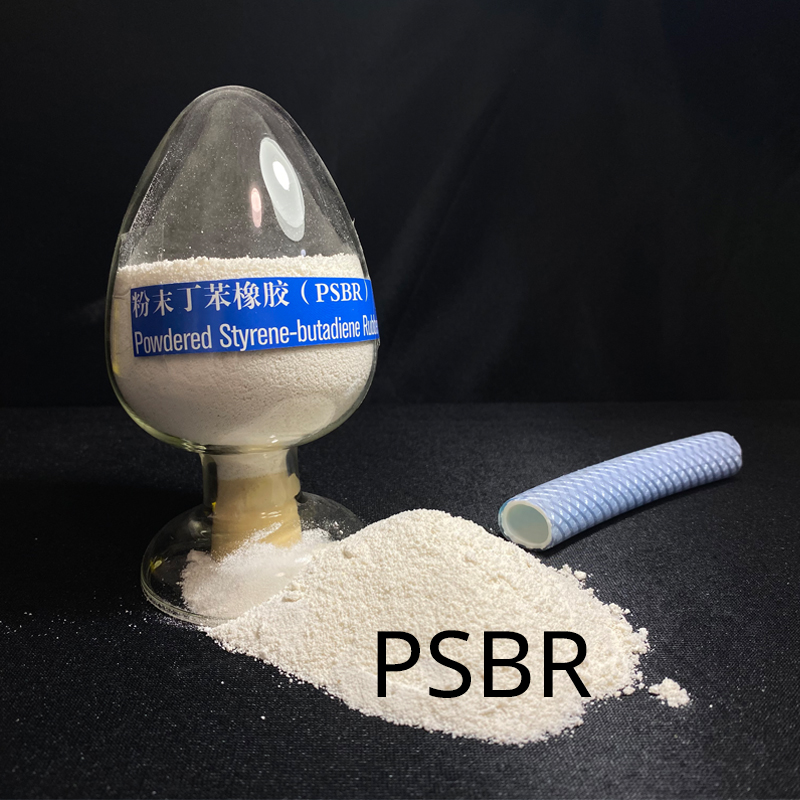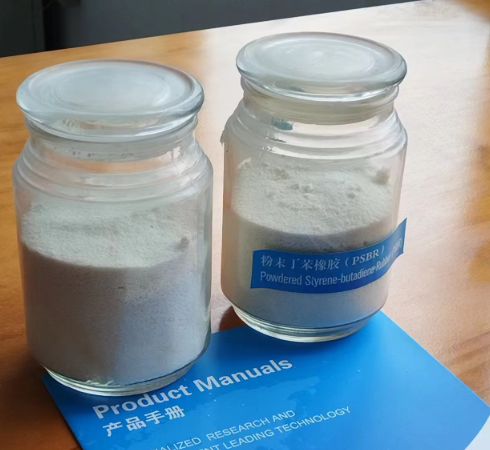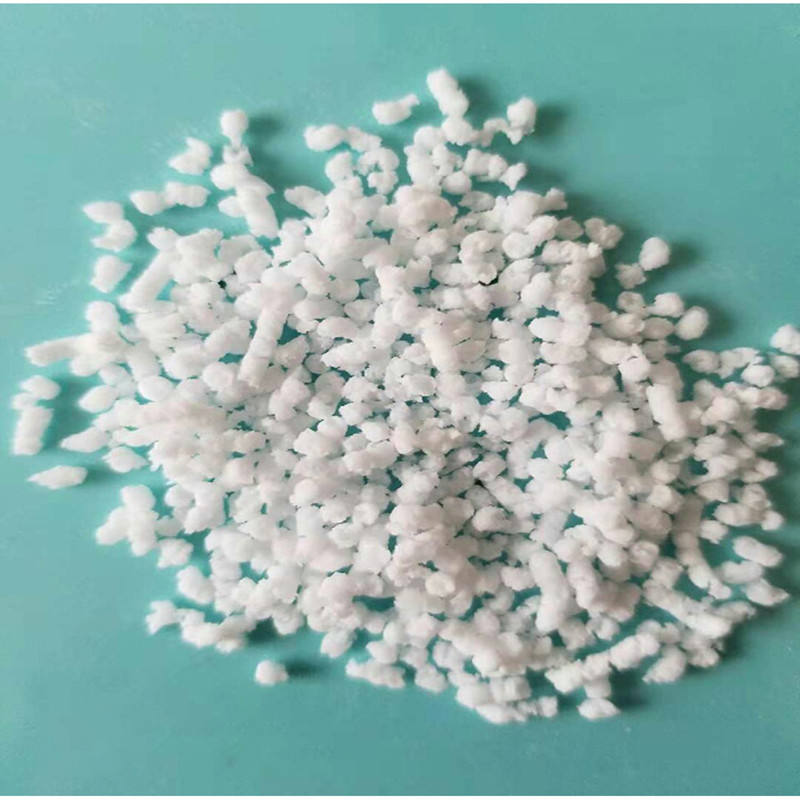

How is Non-staining SBR 1502 Produced?
You need a reliable rubber grade for your mixing line. You keep hearing the name Non-staining SBR 1502, but no one explains where it comes from or how it's made.
Non-staining SBR 1502 is produced through emulsion polymerisation of styrene and butadiene monomers. Manufacturers manage temperature, monomer ratio, and reaction time to produce a consistent, general-purpose synthetic rubber. This process gives it stable properties that work well across a wide range of rubber compounding applications.
I'll walk you through this material step by step — where it's made, what characteristics it has, which companies supply it, and whether it can still perform after it ages. By the end, you'll understand this rubber grade the way a compounding engineer does.
Where is Non-staining SBR 1502 Manufactured?
Sourcing decisions start with location. Buyers often skip this step, and that mistake can cost them consistency later.
It's made in key synthetic rubber regions like China, Russia, South Korea, and parts of Europe and North America. Large petrochemical complexes typically produce this grade alongside other general-purpose synthetic rubbers, according to industry data from IISRP.
Most production happens inside large petrochemical facilities running continuous emulsion polymerisation lines, often alongside other synthetic rubber grades like SBR 1712 or different latex products. China holds a large share of global production capacity, backed by easy access to styrene and butadiene feedstock. Russia and South Korea also have strong production capacity and typically supply local tyre and rubber goods makers, while European and North American producers tend to focus on smaller volumes serving specialty compounding markets with stricter quality requirements.
I once visited a compounding plant that sourced this grade from three different regions in the same year. Each batch behaved a bit differently on the mixing line, even though the datasheets looked almost identical. Feedstock access plays a big role in where production happens — producers with strong upstream integration usually offer steadier supply and better pricing. Buyers should ask suppliers where they get their feedstock, not just the specs of the finished product.
What Material Characteristics does Non-staining SBR 1502 Have?
Not all synthetic rubbers behave the same way on the mixing line. Understanding its specific characteristics saves time during compound development.
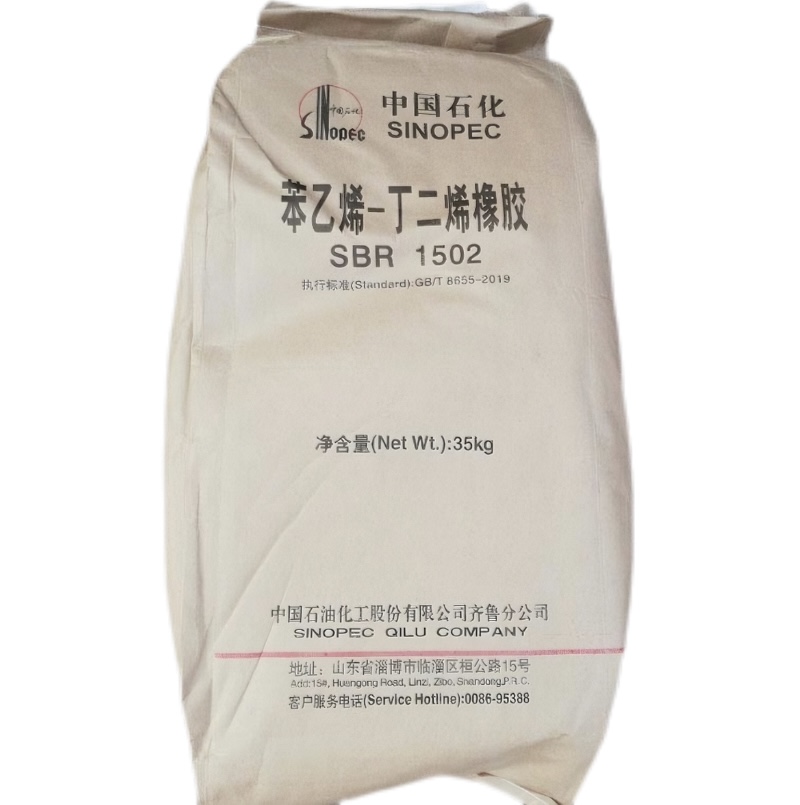
It is a cold-polymerised, non-staining general-purpose synthetic rubber that offers good abrasion resistance, ageing stability, and processing consistency. Its bound styrene content is usually about 23.5 percent — a ratio confirmed by standard rubber technology references — which balances strength and flexibility for tyres and other rubber products.
Production runs through cold emulsion polymerization, typically below 5°C. A lower reaction temperature cuts down branching in the polymer chain, which enhances rubber strength and makes processing more consistent than hot-polymerized grades. In my compounding work, I've found it mixes more evenly than higher-styrene grades, especially when blended with natural rubber.
| Property | Typical Behavior |
|---|---|
| Polymerization | Cold, emulsion process |
| Bound styrene | Around 23.5 percent |
| Staining | Non-staining, non-discoloring |
| Abrasion resistance | Good, suitable for tire treads |
It's popular for general rubber compounding, giving processors reliable, consistent results in large production batches.
Which Companies Supply Non-staining SBR 1502?
Picking a supplier matters as much as picking the grade — the wrong supplier can turn a stable material into a production headache.
Major suppliers are large petrochemical and synthetic rubber makers from China, Russia, South Korea, and Europe. Buyers usually decide based on production consistency, sample support, and reliable long-term supply, not just price.
Large state-owned and private petrochemical firms lead production in China, often making several synthetic rubber grades from the same facility. Russian and South Korean producers supply a lot of tyres, serving both local manufacturers and export markets. Many buyers also work with trading companies and material distributors who source from various mills — this can help smaller manufacturers get steady supply without committing to large minimum orders from a single producer.
I once compared samples from two suppliers quoting the same specification sheet — one ran noticeably smoother on our internal mixer, and it took a side-by-side batch test to understand why. When evaluating a supplier, I always look past the spec sheet: production consistency, batch-to-batch testing, communication speed, and readiness to provide samples all matter more than the number on a datasheet.
Can Non-staining SBR 1502 Be Repaired after Ageing?
Rubber does not last forever. Heat, oxygen, and time all change how it performs — the real question is what you can still do once ageing starts.
Once it ages, its original properties cannot be fully restored. Ageing breaks down polymer chains through oxidation, reducing flexibility and strength. Proper storage, antioxidant additives, and controlled processing can slow ageing, but they can't reverse damage that has already happened.
Oxygen reacts with the polymer chains over time, especially when the rubber is exposed to heat, light, or ozone. This breaks down the chain structure, leading to less flexibility, surface cracks, and lower tensile strength. I once tested a batch that had been stored improperly for over a year — no amount of remixing or reprocessing brought back its original stretch.
While you cannot reverse ageing damage, you can slow it down. Antioxidant additives in the formulation protect the polymer during storage and use, and storing material in cool, dark, low-humidity conditions can greatly extend shelf life — practices detailed in standard rubber compounding references. For rubber that has aged beyond usable limits, you can sometimes reprocess it for less demanding uses, though it won't perform like it did when new. This is why buyers should plan inventory rotation carefully and avoid holding raw stock for extended periods.
Conclusion
Non-staining SBR 1502 offers stable, predictable performance when sourced and stored correctly. Knowing where a material comes from, its properties, suppliers, and how it ages can help you make smarter choices.
If you are sourcing Non-staining SBR 1502 or other synthetic rubber grades, I'd like to introduce Yudahang. Our mission is to make polymer and rubber raw materials easier to access and use. We offer a range of products, including nitrile rubber, styrene-butadiene rubber, PVC, SEBS, and more, helping manufacturers across industries. We believe long-term partnerships go beyond just supplying products — if you need help finding a stable supply or want to evaluate samples for your production line, contact the Yudahang team.
References
- International Institute of Synthetic Rubber Producers (IISRP). SBR and E-SBR Technical Information and Industry Resources.
- Lattime, R. R. Styrene-Butadiene Rubber. Kirk-Othmer Encyclopedia of Chemical Technology. Wiley.
- International Rubber Study Group (IRSG). World Rubber Industry and Synthetic Rubber Market Information.
- Morton, M. (Ed.). Rubber Technology. Springer / Springer Science+Business Media.
- Mark, J. E., Erman, B., & Roland, C. M. (Eds.). The Science and Technology of Rubber. Academic Press.
- Rodgers, B. (Ed.). Rubber Compounding: Chemistry and Applications. CRC Press.