
Are Cotton-Lined Rain Boots actually Warm Enough for Wet, Cold Days?
Cold rain finds every gap in ordinary footwear. Wet feet lose heat fast, and standing in it for hours turns discomfort into a real health risk.
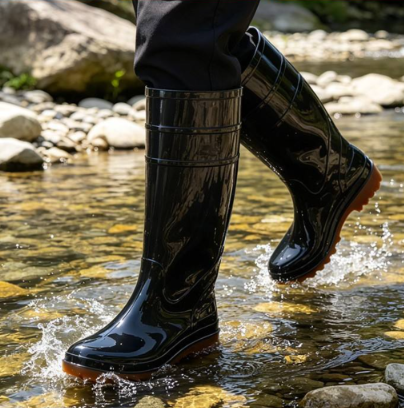
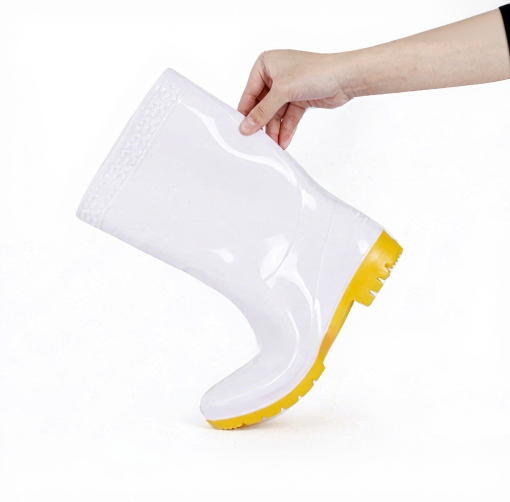
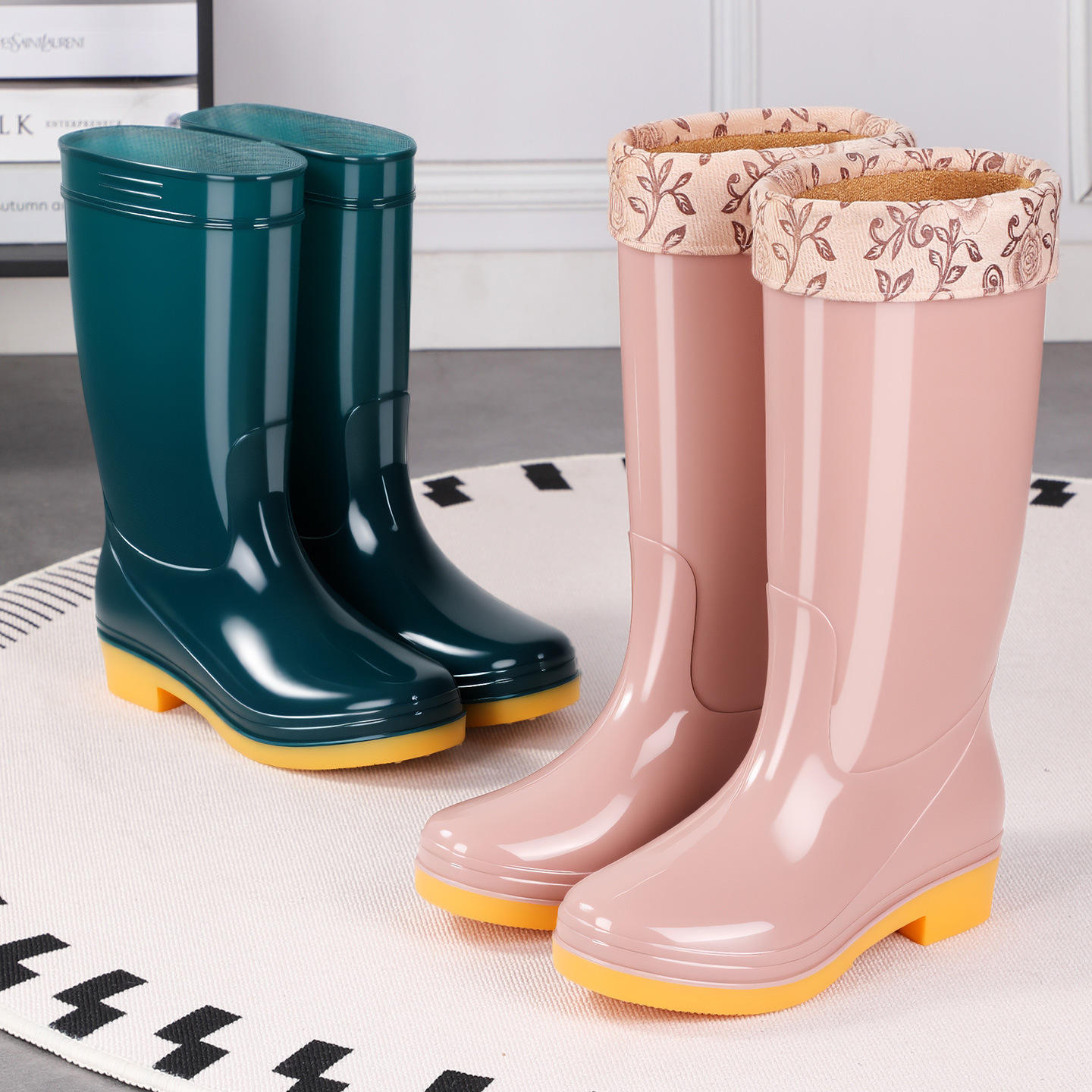
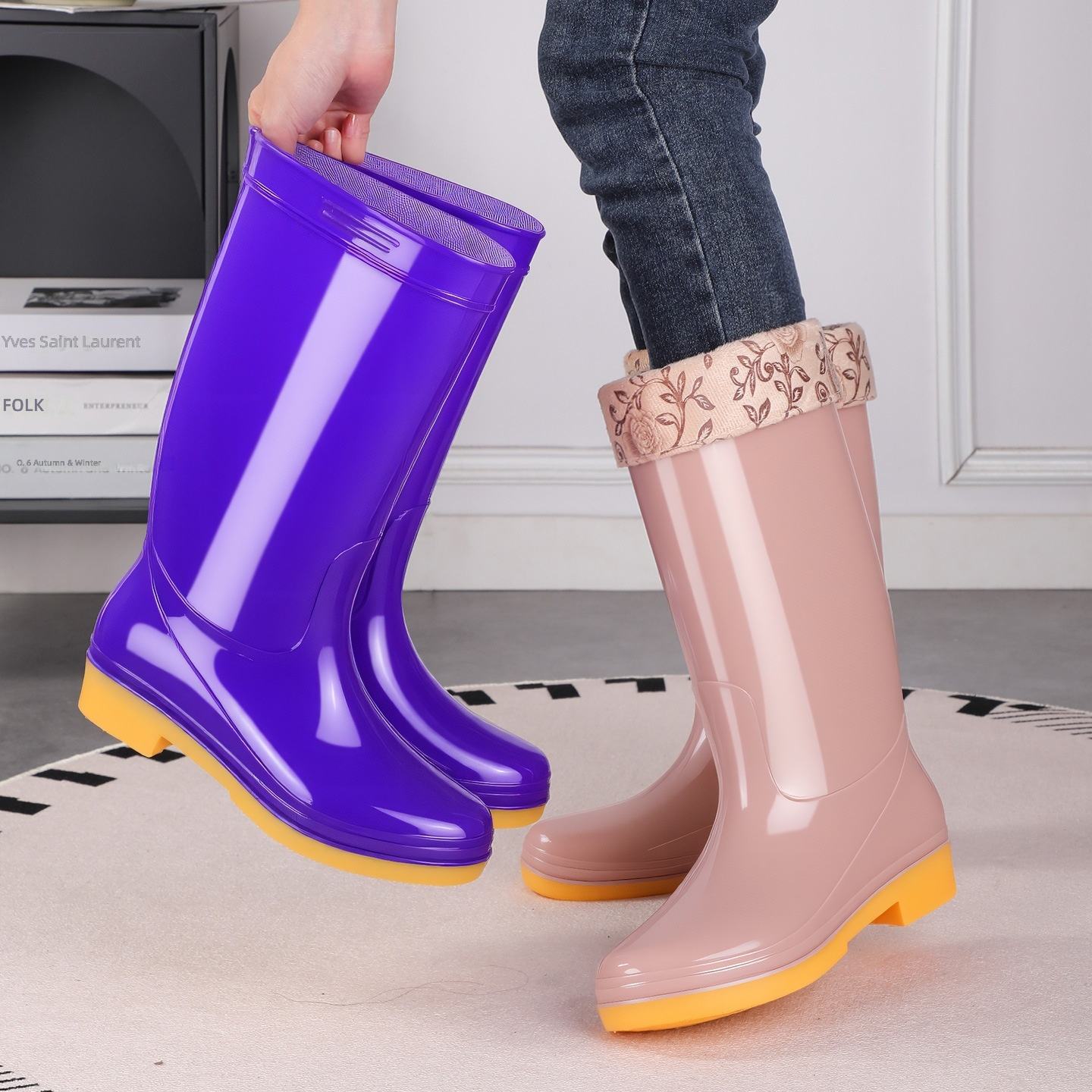
Cotton-lined rain boots can keep feet warm because the lining traps a layer of air close to the skin, but warmth also depends on the outer material, sole thickness, and how long the boots stay in contact with water.
I have tested enough winter footwear to know that a soft lining alone never tells the whole story. The outer shell, the sole, and the fit all decide whether a boot actually performs once you're standing in slush for an hour straight. Let's break down what really matters before you buy your next pair.
Can a Cotton Lining Really Keep You Warm in Winter Rain?
A lining feels warm in the store. Standing in cold rain for hours is a different test entirely.
Yes, cotton lining keeps feet warm by trapping body heat in small air pockets close to the skin, but its performance drops if the lining gets damp from sweat or water leaking through the shell.
Heat loss in cold, wet conditions is not just about temperature. It is about how fast your body loses warmth to air, contact, and moisture. Research on heat exchange through clothing explains that insulation works mainly by trapping air near the body, and that trapped air layer is what a cotton lining is built to hold. The problem starts when that layer gets wet. Damp cotton loses much of its trapped air, so the insulation weakens right when you need it most. This is also why occupational cold stress guidance lists wet feet as a direct risk factor for trench foot, a condition tied specifically to prolonged cold, wet exposure rather than temperature alone. A rain boot only delivers on its warmth promise when the outer shell keeps water out long enough for the lining to stay dry.
Are Lined or Unlined Rain Boots the Better Choice?
Buyers often assume lined boots win by default. That assumption skips over what the job actually requires.
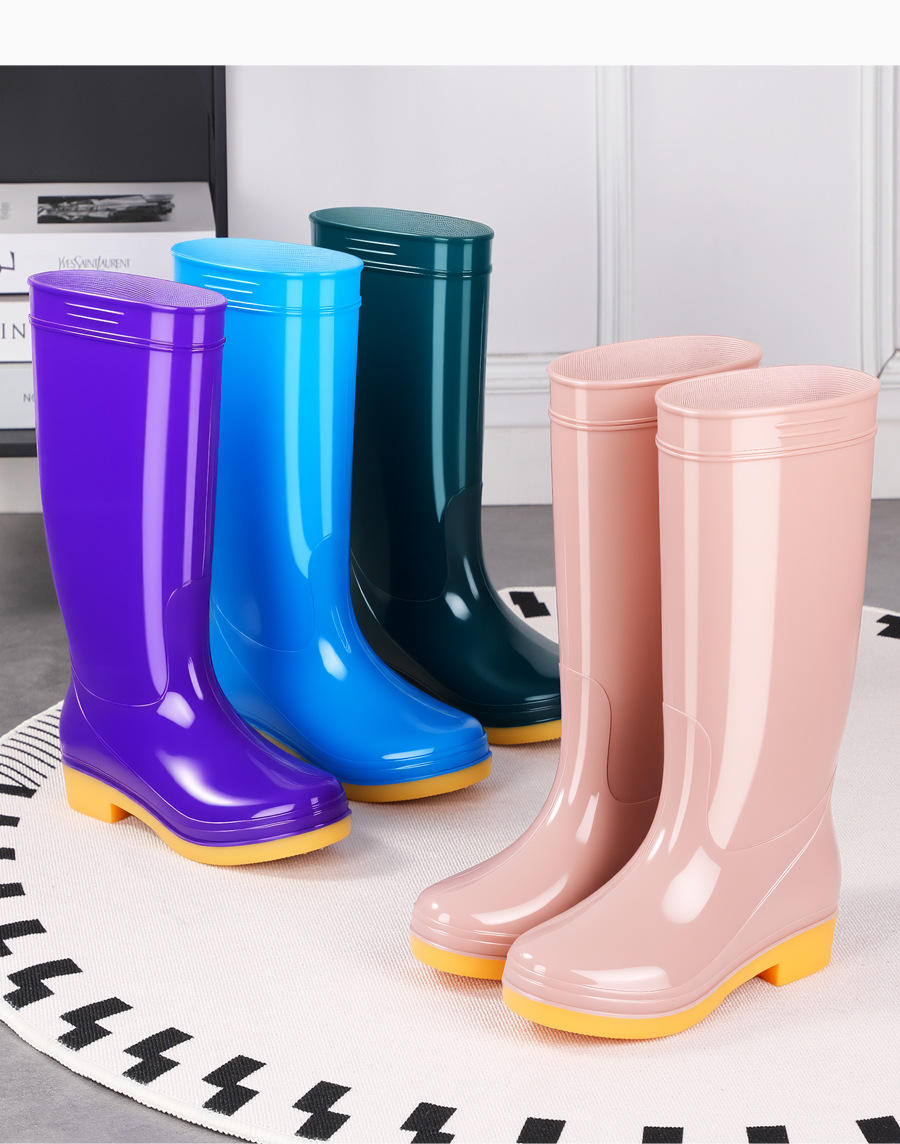
Lined rain boots suit cold, wet conditions where warmth matters most, while unlined boots work better in milder weather where breathability and lighter weight improve comfort over long shifts.
I look at this as a trade-off, not a simple upgrade. A thick cotton lining adds warmth, but it also adds bulk inside the boot, which can affect fit and airflow. In milder or indoor-adjacent wet work, that extra insulation turns into unwanted sweat, and damp feet from sweat cause the same discomfort as damp feet from rain. Workers moving constantly generate their own body heat and may do fine in an unlined or lightly lined boot, while workers standing still in cold, wet areas need the added insulation a lining provides. At Yudahang, this is the first question I ask before recommending a boot: how much of the day is spent standing still in the cold, versus moving around. That single detail changes the right answer more than any spec sheet does.
| Boot Type | Best Suited For | Trade-Off |
|---|---|---|
| Cotton-lined | Cold, wet, low-activity work | Warmer, but bulkier fit |
| Unlined | Mild weather, high-activity work | Breathable, less warmth |
What does "Slip-Resistant, Cotton-Lined" Actually Mean?
These two words get printed on a lot of boxes. Few buyers know what actually earns that label.
"Slip-resistant" means the outsole has been tested for traction under wet or contaminated conditions, while "cotton-lined" simply describes the interior material used for warmth and comfort, not a performance guarantee on its own.
Slip resistance is not a marketing feeling, it is a measurable result. ASTM's whole-shoe testing method measures the coefficient of friction between an outsole and a flooring surface under wet or contaminated conditions, giving a repeatable way to compare traction claims. Boots that meet the related SR performance specification have cleared a minimum traction threshold rather than relying on tread pattern alone. That said, evaluations of coefficient of friction data point out there is still no single "safe" score that applies to every floor and contaminant combination, so a slip-resistant label is a strong indicator, not an absolute promise. Combine that outsole performance with a cotton lining for warmth, and you get a boot built for two separate jobs done well, not one feature standing in for both.
Conclusion
Warmth and traction in a rain boot come from separate, testable features, not from a single lining or label alone.
References
- International Labour Organization. "Heat Exchange Through Clothing." iloencyclopaedia.org
- NIOSH/CDC. "Fast Facts: Protecting Yourself from Cold Stress." cdc.gov
- ASTM International Newsroom. "New ASTM Standard Provides Aid in Measuring Footwear Slip Resistance." newsroom.astm.org
- Snibbs. "Slip-Resistant Work Shoes: What SR-Rated Means (ASTM F3445)." snibbs.co
- ISHN. "It's Important to Evaluate COF to Determine Footwear's Slip Resistance." ishn.com
- ForConstructionPros.com. "Must-Have Cold Weather Safety Wear for Construction Workers." forconstructionpros.com