


Impact Modifier for Polymer Toughening and Processing Improvement with PNBR-Based Performance
Impact Modifier Material Supplier with PNBR-Based Solution
Many toughening agents narrow the processing window and let batch quality drift. Yudahang's PNBR Impact Modifier uses controlled acrylonitrile content and stable Mooney viscosity, so performance stays repeatable batch after batch. Yudahang has supplied rubber and polymer raw materials since 2001, with free samples and technical support for your toughening project.
Performance Advantages of PNBR Impact Modifier
Strong Inhibition of Plasticiser Migration and Blooming
Close compatibility with common resin and rubber matrices reduces surface bloom over time.
Remarkable Low-Temperature Toughness Retention
Keeps impact strength in cold environments and across a wide temperature range.
Improved Flex Fatigue Resistance and Compression Recovery
Helps parts survive repeated bending and compression without losing shape.
Enhanced Wear Resistance and Stable Friction Coefficient
Improves abrasion resistance, with friction performance that stays steady batch after batch.
High Shock Strength with Lower Hardness
Absorbs impact and lowers brittleness in rigid resin systems.
Impact Modifier Product Specifications
| Item | Specification |
|---|---|
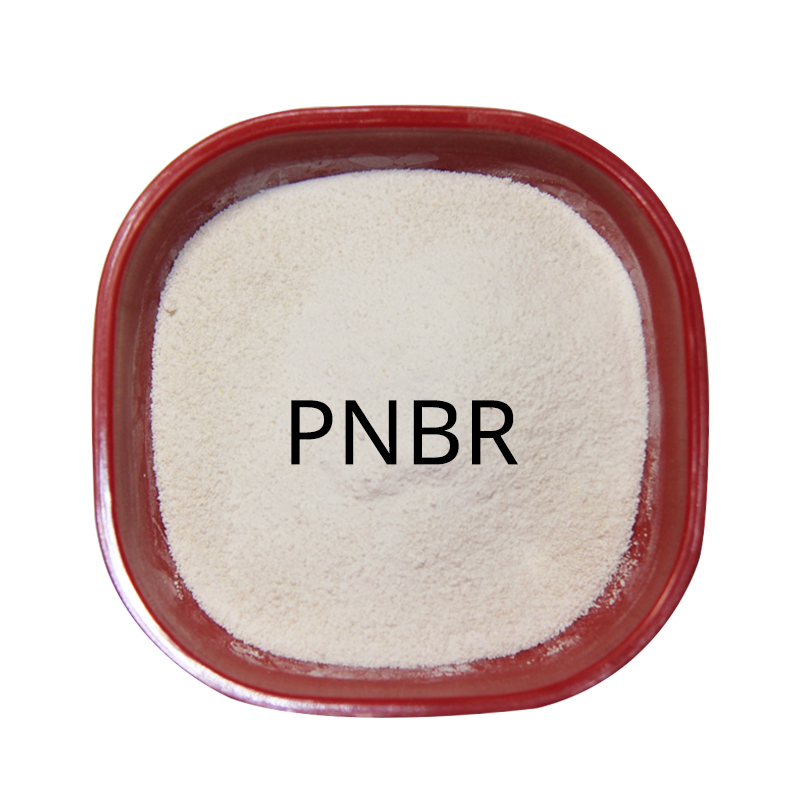
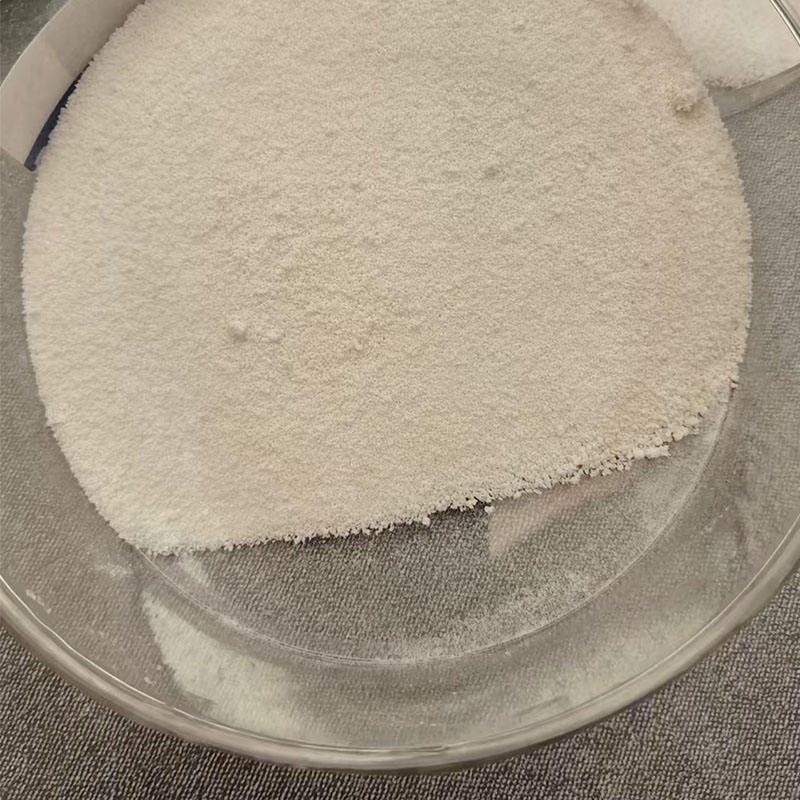
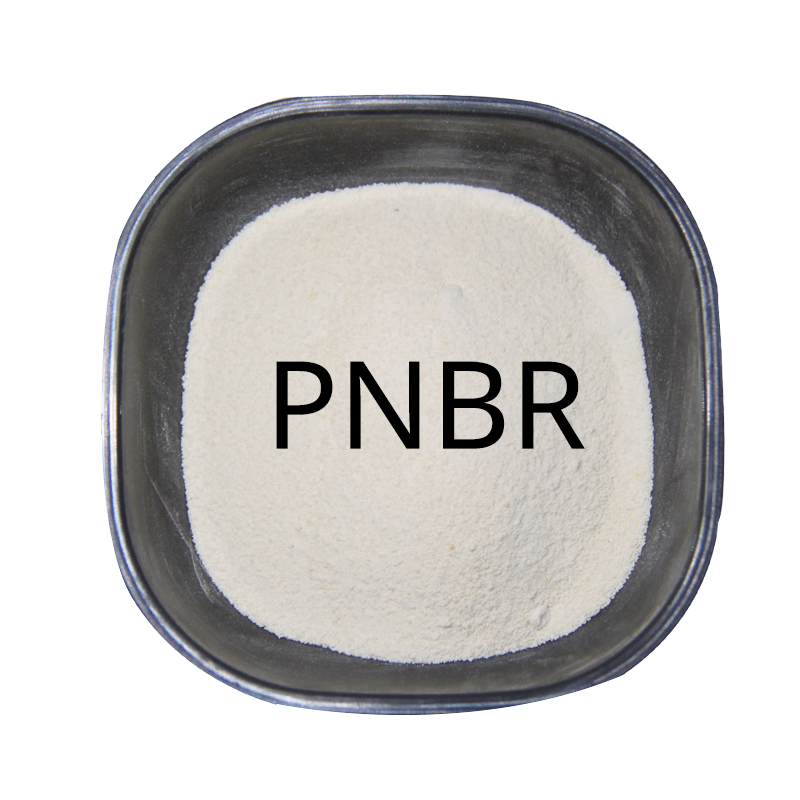
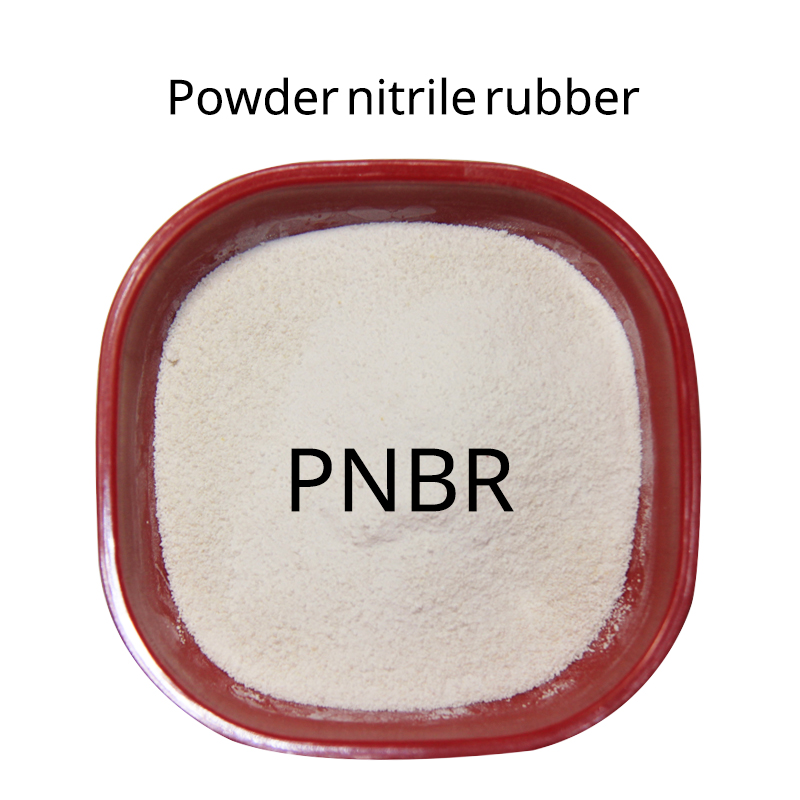
| Appearance | White / light yellow free-flowing powder |
| Acrylonitrile (ACN) Content | 26% – 35% |
| Mooney Viscosity ML(1+4) @100°C | 50 – 150 |
| Particle Size / Sieve Residue | 98% pass through 0.9 mm sieve |
| Volatile Matter | ≤ 1.0% |
| Ash Content | ≤ 0.8% |
| Gel Content | 70% – 90% |
| Cross-linking Type | Non-crosslinked / Partially crosslinked |
| Isolating Agent Content | 6% – 8% |
| Bulk Density | 0.35 – 0.55 g/cm³ |
TDS and SDS (English and Chinese) are available. Request the documents with your host resin and target property, and we will recommend a grade.
PNBR for PVC Compound Modification and Polymer Compatibility
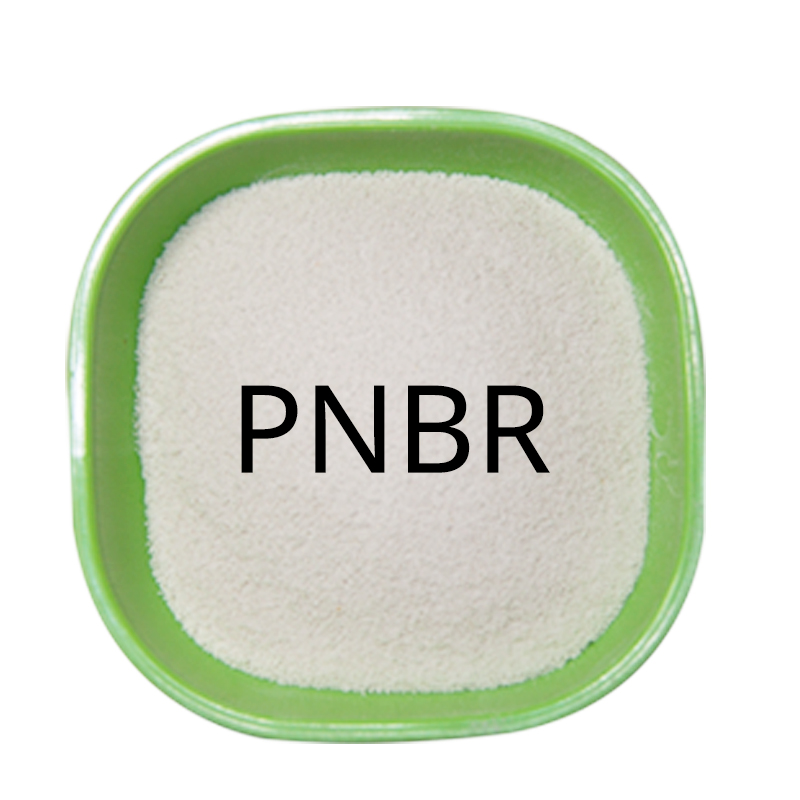
PNBR can be evaluated as a rubber-based modifier in polymer compound development where improved toughness and impact performance are required. In PVC compound formulations, modifier selection involves more than the desired impact properties. Compatibility with the PVC matrix, dispersion during compounding, and the balance between toughness and stiffness all influence the performance of the final material. Selecting an appropriate PNBR grade therefore requires consideration of the formulation and intended application.
During PVC compounding, factors such as modifier loading, mixing conditions, processing temperature, and dispersion quality can affect the consistency of the finished compound. Manufacturers should assess how PNBR interacts with the existing formulation and whether the resulting compound meets the required mechanical and processing specifications. Laboratory blending and performance testing are useful for evaluating compatibility before large-scale production. By considering polymer compatibility and processing requirements together, compound developers can make more informed decisions when selecting PNBR for rubber-modified polymer systems.
Target Applications for PNBR Impact Modifier
Toughening Modifier for Phenolic Resin Composite Parts
Improves impact resistance of phenolic moulding compounds and reduces brittleness without compromising heat resistance.
Impact and Flexibility Enhancer for Epoxy Anti-Corrosion Coatings
Increases coating flexibility so it resists cracking under mechanical stress, for pipeline and steel structure coatings.
Toughening Agent for ABS Engineering Plastic Blends
Boosts impact strength of ABS housings, trim and appliance parts while keeping dimensional stability.
Flexibility and Tear Resistance Modifier for EVA Foam Composites
Improves tear strength and flex fatigue of EVA footwear midsoles and cushioning foams.
Packaging & Quality Assurance
| Packaging | 25 kg carton with PE inner liner; custom packaging for bulk or project orders |
| Order Terms | No MOQ, ready stock, free sample, online service around the clock |
| Documents | TDS, SDS, SGS test reports, ISO quality management system certificate, transport hazard classification report, factory test documents on request |
FAQ before Choosing a PNBR Impact Modifier Supplier
1. Does improving impact toughness with PNBR come at some cost to oil and chemical resistance?
Generally no. PNBR's nitrile structure tends to support oil and chemical resistance. Results vary by formulation, so run a small trial first.
2. Could the PNBR Impact Modifier lead to surface blooming or migration over time?
The risk is low in most formulations, but it depends on dosage and the base resin. Testing your own formulation is the best confirmation.
3. What should I know about storage and shelf life?
Store it sealed in a cool, dry place to avoid caking. Very humid environments may shorten shelf life, so check with our team for long-term bulk storage.
4. Are different particle size options available?
Yes, a few fineness options are typically available. Share your target mesh and we will confirm.
Ready to Optimise Your Polymer Performance with PNBR-Based Impact Modifier
Yudahang supports your project from formulation to bulk supply, including custom acrylonitrile content, specific mesh size, tender documents and factory test reports. Get in touch with Yudahang today for TDS, SDS and a free sample. For friction, PVC and sealing uses, see our Powdered Nitrile Rubber.