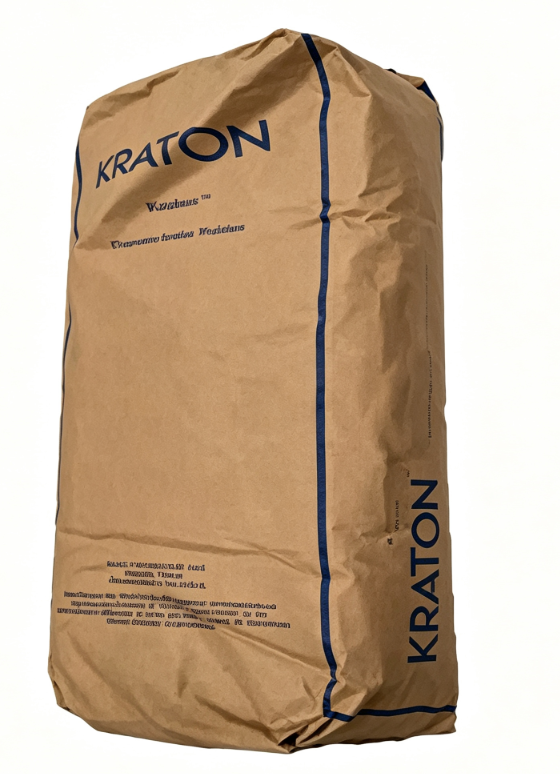
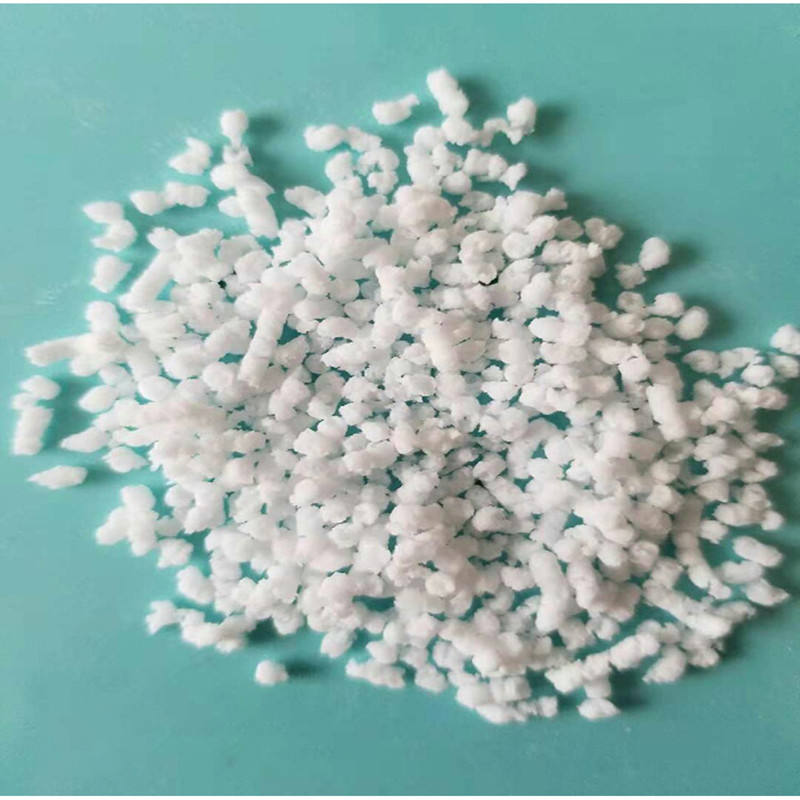
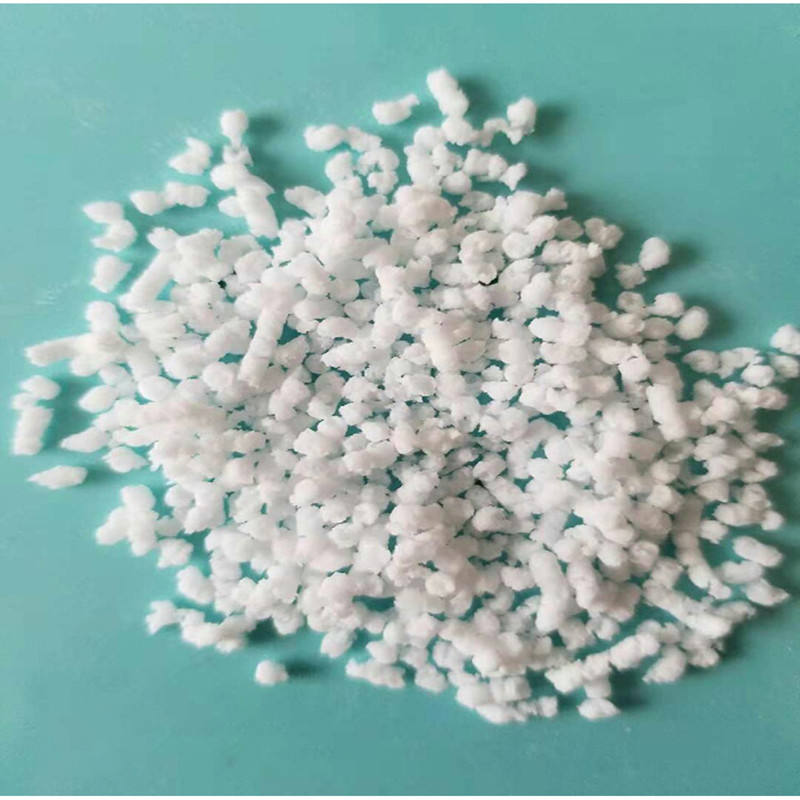
TPE Compound: Consistent Hardness, Stable Feeding and Reliable Overmolding
TPE Compound for Flexible Product Manufacturing
Hardness that drifts between lots, pellets that bridge in the hopper and parts that peel off the substrate cost processors time and scrap. Yudahang TPE Compound is built to keep hardness consistent, feed steadily and bond reliably in overmolding. Custom specifications and bulk orders are supported, with factory-tested documents. New to the material? Read what thermoplastic elastomers are and how they differ from rubber before choosing a grade.
Technical Strengths
Low Compression Set
Keeps long-term elasticity in gaskets and seals.
Bonding with PP/PE
Supports two-shot and overmolding with a lower risk of delamination.
Abrasion Resistance
Suits high-friction parts that are touched or rubbed repeatedly.
Uniform Pellets
Feed steadily from the hopper with fewer interruptions.
TPE Compound Specifications
| Item | Specification |
|---|---|
| Hardness | Shore A 30–95 |
| Tensile Strength | 4–12 MPa |
| Elongation at Break | 400–800% |
| Compression Set | 15–35% (23°C, 22 h) |
| Tear Strength | 12–32 kN/m |
| Rebound Resilience | 55–80% |
| Melt Flow Rate | 2–25 g/10 min (190°C, 2.16 kg) |
| Density | 0.90–1.15 g/cm³ |
Choosing a Hardness
- Soft (about Shore A 30–50): soft-touch grips and cushioning parts.
- Medium (about Shore A 50–70): seals, hose bodies and insoles.
- Firm (about Shore A 70–95): parts that need shape and wear resistance, such as anti-slip soles and fittings.
These are starting points. Send your part drawing or target hardness and base material, and we will suggest a grade.
Hardness is only one of the variables that decide molding quality; melt flow, compression set and bonding behavior matter as well. Our guide to choosing TPE for injection molding walks through them in order.
What to Look for in a TPE Compound Manufacturer
Choosing a TPE compound manufacturer is less about the datasheet and more about what happens from lot to lot. These five checks help you compare suppliers before you place a trial order.
Lot-to-Lot Consistency, Backed by Documents
Ask for test documents with each lot, not only a typical-values sheet.
Compare hardness and melt flow across lots. Small drift here is what causes scrap on the molding line. Yudahang provides factory test documents with bulk orders.
Custom Hardness, Color and Base Material Fit
A standard grade rarely matches every part. Check whether the supplier can adjust hardness and color, and whether the compound is made for your base material.
For overmolding, tell us the PP or PE grade you mold onto. That is the information we need to suggest a TPE compound with reliable bonding. You can read more about how TPE materials differ by type before you choose.
A Sample Run Before You Commit
Run the sample on your own machine and your own mold. Check feeding, filling, surface finish and bond strength.
Agree on what a pass looks like before the test, so the bulk order matches the sample you approved.
Clear Terms on Quantity and Delivery
Ask for minimum order quantity, packaging and delivery time in writing before you order.
Unclear terms at this stage often become delays later. Send your target quantity and destination, and we will confirm the details with your quotation.
Technical Support When a Part Does Not Behave
Even a good grade can give short shots, flash or weak bonding on a new mold.
A supplier who answers process questions quickly saves more time than a small price difference. Send your part drawing and processing issue, and we will respond with a suggested adjustment or grade change.
Where TPE Compound is Used
Medical disposable soft tubing and tool grips. Soft tubing for fluid delivery and soft-touch grips for tools.
Garden hose and irrigation fittings. Hose bodies, connector seals and flexible joints.
Footwear insoles and anti-slip soles. Cushioned insoles and slip-resistant outsoles.
Stationery grips and bumpers. Overmolded pen grips and protective corner bumpers for devices.
Processing and Sampling Questions
1.What hardness works best when overmolding onto PP or PE?
Start from the job the soft layer has to do. Softer grades suit grips and cushioning, medium grades suit seals and hose bodies, and firmer grades suit anti-slip soles and fittings. Bonding also depends on the substrate grade and the molding conditions, so confirm adhesion on your own part in a trial. Send a drawing or target hardness for a grade recommendation.
2. How consistent are Thermoplastic Elastomers in hardness, color, and batch performance?
Yudahang TPE materials can be customized to meet customer requirements. Production controls and quality inspection help maintain consistent hardness, color, and batch performance.
3. Can you offer more competitive pricing for large-volume orders?
For bulk orders, pricing can be evaluated based on order quantity, material specifications, and cooperation plans. Customers can contact Yudahang for a suitable quotation.
4. Will Thermoplastic Elastomers become brittle, hard, or powdery after long-term storage?
TPE materials can stay stable for a time when stored properly. Storage performance may vary depending on the storage environment, formulation, and application conditions.
5. Will this compound resist oils and chemicals?
That depends on the formulation and on the exact oil, solvent or cleaner involved, so each medium should be checked separately. Our article on TPE chemical resistance explains what test data to ask for.
Get a TPE Grade Recommendation
Share your part, hardness and base material, and we will reply with a suggested grade. Contact Yudahang for samples, bulk quotation and factory test documents. See also: TPE for extrusion and custom formulas, for profiles, tubing and cable sheaths..