
How to Choose Lightweight Waterproof Hiking Boots for Outdoor Activities?
Your customers return boots that leak or feel heavy. Each return costs you money and trust. I see this problem often, and it is easy to avoid.
Choose lightweight waterproof hiking boots by checking four things: a tested waterproof membrane, a low boot weight, a grippy outsole, and a supplier with steady quality control. Test samples before you place a large order.
I have worked in footwear development for more than 12 years. Buyers ask me the same questions again and again. Below, I answer them in order, from market demand to supplier checks. Keep reading, because one small test in section three decides whether your boots pass or fail.
What Makes Lightweight Waterproof Hiking Boots Suitable for Outdoor Markets?
Buyers want boots that work in rain and on long trails. Heavy, wet boots make hikers quit early. Your shelf needs a better answer.
Lightweight waterproof hiking boots suit outdoor markets because hiking demand keeps growing, and hikers want dry feet with less fatigue. They also work for many uses, from day hikes to travel and light work, so one style sells to several groups.
Demand Keeps Rising
The numbers support what I see in the field. Technavio expects the hiking and trail footwear market to grow at a CAGR of 7.98% from 2022 to 2026, mainly because of adventure tourism. A report from Business Research Insights adds that waterproof footwear use rose by more than 57%, and that 59% of buyers prefer lighter shoes. I read these figures as a guide, not a promise. Still, they match what importers tell me every month.
Where Buyers Use the Boots
One style can serve many users. Retail chains buy for weekend hikers. Tour companies buy for guides. Some buyers want one pair for city walks and light trails. Our team at Yudahang sees this pattern in many orders. Once, I met a distributor who dropped a heavy boot line after one wet season. His customers said their feet felt cold and tired. He now asks for light, dry boots first. That change cut his returns and made his reorders easier. A wider range of users also lowers your stock risk, because you carry fewer styles.
Which Features should Buyers Evaluate before Sourcing Lightweight Waterproof Hiking Boots?
Many buyers judge boots by photos. Then the samples arrive, and the sole peels or water gets in. Features matter more than looks.
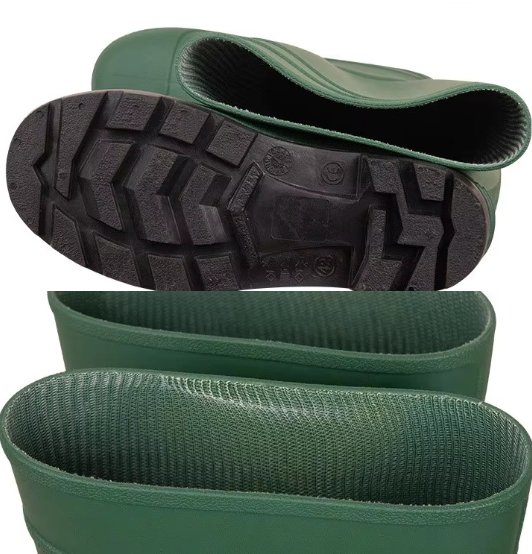
Evaluate four features before sourcing: the waterproof membrane, total boot weight, outsole grip, and the comfort of the upper and insole. Ask for test data on each one, and weigh a real sample in a common size.
Weight Changes the Hiking Experience
Weight on the foot costs more energy than weight on the back. A study in Ergonomics found that energy cost rose by about 1.0% for every 100 g added to a pair of footwear. A pair that is 300 g too heavy can add about 3% more effort on every step. Over a full day on the trail, hikers feel that gap. I always weigh samples myself. I never trust the number on a spec sheet alone.
Waterproofing, Grip and Comfort
A membrane keeps water out, but the seams and the tongue are where leaks start. The outsole must grip wet rock and mud without adding too much weight. At Yudahang, we test these parts together, not one by one. The table below shows what I check on each sample.
| Feature | What I Check | Why It Matters |
|---|---|---|
| Waterproof membrane | Test report, bonded seams, sealed tongue | Stops leaks at the weak points |
| Boot weight | Weigh one pair, size 42 or similar | Lowers fatigue on long walks |
| Outsole | Lug depth, rubber hardness, wet grip | Keeps the hiker stable on wet ground |
| Upper and insole | Breathability, cushioning, fit | Reduces blisters and sweat |
How can Buyers Ensure the Quality of Waterproof Hiking Boots?
A label that says "waterproof" proves nothing. I have opened boots that passed a photo check and failed in water. Proof needs a test.
Ensure quality by asking for lab reports, running a flex test in water, checking samples against your written spec, and inspecting each batch before shipping. Never accept a waterproof claim without test proof.
Ask for a Flex Test
A flex test is the best water check I know. SATRA explains that the EN ISO 20344 method uses 4,800 flexes with water 20 mm above the featherline. Military specs can reach 300,000 flexes. The test runs at a walking pace, so it shows how boots behave in real steps. According to Health and Safety International, the SATRA TM 230 method flexes at 60 times a minute. Choose a target that fits your market, and write it into your order.
Inspect Every Batch
Good samples do not guarantee good bulk goods. I check the first pieces off the line, the middle of the run, and the final cartons. I look at glue lines, stitching, sole bonding and pair matching. Yudahang keeps a record for each batch, so buyers can trace any problem back to its date and line. Ask your supplier for the same record before you sign. If a factory cannot show one, I treat that as a warning sign and walk away.
What Should Businesses Consider when Choosing a Hiking Boots Supplier?
A good sample can hide a weak factory. The second order then looks different from the first. That gap hurts your brand.
Choose a supplier with proven production experience, a working quality system, clear sample and lead-time rules, and the ability to customize. A certificate such as ISO 9001 shows a system exists, but you should still audit the factory.
Look for Systems, Not Promises
The ISO describes ISO 9001 as a framework that helps organizations deliver consistent products. It does not tell a factory how to work. So I ask to see real records: incoming material checks, line inspection sheets and final audit reports. Then I ask how the team fixes a defect. A clear answer tells me more than a certificate does. I also ask how long the same workers have made hiking boots. Steady teams make steady quality, and that matters more than a fancy showroom.
Check Service and Customization
Your needs will change. You may want a new color, a private label or a softer insole. Ask how fast the supplier builds a new sample and how firm the lead times are. A strong partner, like the Yudahang team, welcomes a factory visit and answers hard questions. That habit builds trust over many seasons and protects your reorders. I also suggest a small trial order first. It lets you test service, packing and delivery before you commit to volume.
Conclusion
Lightweight waterproof hiking boots sell well when they stay dry, feel light and last. Test the features, prove quality with data, and pick a supplier who shows steady results.
References
- Technavio via PR Newswire.Hiking and Trail Footwear Market Size to Grow by USD 4.63 Billion from 2021 to 2026
- Business Research Insights. Outdoor Shoes Market Size, Share and Forecast Outlook 2026–2035
- Ergonomics (Taylor & Francis). The Energy Cost of Women Walking and Running in Shoes and Boots
- SATRA. Testing Water Resistance in Footwear
- Health and Safety International. European Footwear Standards
- International Organization for Standardization (ISO). ISO 9001 Explained