Meta Description: Parents navigating muddy trails and cold pond water for toddler girls need reliable rain boot guidance to keep feet dry, safe, and comfortable. This guide breaks down critical factors for selecting boots that withstand harsh wet conditions, with insights from a Professional Rain Boot Manufacturer.
Keywords: toddler girl rain boots, mud-resistant rain boots, cold-water rubber boots, slip-resistant kids rain boots, waterproof footwear for toddlers, boot maintenance for kids, industry standards for kids rain boots
1. Core Problem Analysis
1.1 Common Causes of the Problem
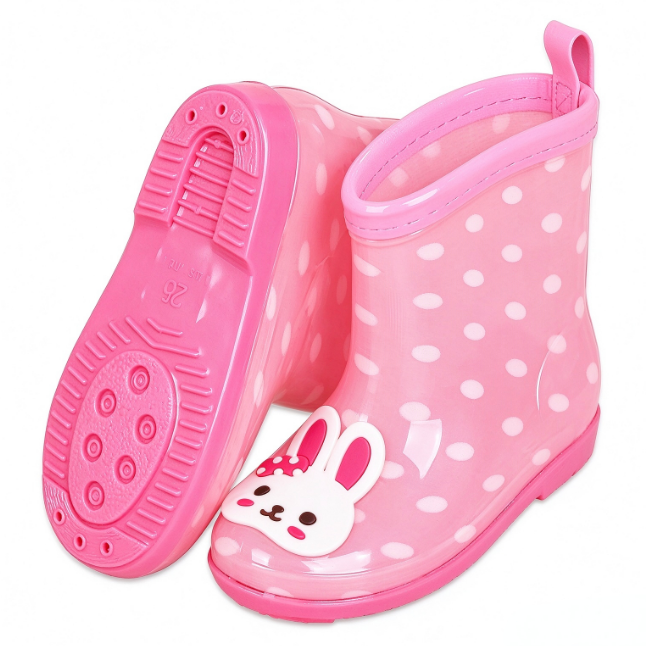
When toddler girls face heavy mud and cold pond water, rain boots often fail due to material gaps, poor seam construction, or mismatched design for extreme conditions. Common issues include water seepage through unbonded seams, outsole traction loss on slimy mud or wet stone, fabric liners that absorb moisture, and rigid materials that crack in low temperatures. Many generic kids’ rain boots prioritize style over functional performance, leaving feet exposed to prolonged wetness, chill, or slipping hazards.
1.2 Affected Usage Scenarios
The issues impact outdoor activities that involve exposure to heavy mud and cold standing water, such as backyard pond exploration, farm field play, nature trail hiking after rain, and pet-assisted muddy yard games. These scenarios require boots that can handle repeated contact with debris, slimy surfaces, and temperatures near or just above freezing, while accommodating active toddler movement that can loosen ill-fitting footwear.
2. Product and Process Principle
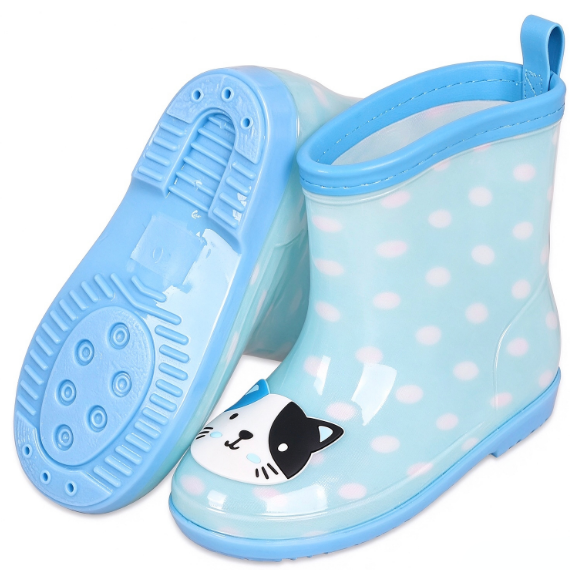
Rain boots designed for harsh mud and cold combine material selection, structural design, and manufacturing processes to balance flexibility, waterproofness, and grip. Natural rubber or high-performance PVC compounds are often used for their resistance to cracking in low temperatures, while EVA or textile liners are avoided if they tend to hold moisture. Seam-free injection molding replaces traditional glued seams to eliminate water entry points, and outsole patterns with deep, wide lugs improve traction in thick mud. Professional Rain Boot Manufacturer emphasize that compound hardness also plays a key role: a 60 Shore A durometer (tested per ISO 20344:2021) ensures flexibility at temperatures down to 0°C, while still providing enough structural support to withstand rough play.
3. Practical Solutions and Operation Steps
To select the right rain boots for toddler girls facing heavy mud and cold pond water, follow these actionable steps: conduct a material inspection, test outsole traction, verify seam construction, and confirm fit for active use.
- Material Check: Prioritize boots made from rubber compounds rated for low-temperature flexibility, avoiding thin PVC that stiffens in cold conditions. Confirm no porous fabric liners are used in areas that contact water, as noted in test data from the Global Footwear Industry Official Report 2024.
- Traction Test: Press the outsole against a smooth, wet surface and a thin layer of mud. Deep, spaced lugs that do not flatten under pressure will provide better grip than shallow, dense patterns.
- Seam Verification: Run a finger along all exterior and interior seams to check for gaps or unbonded areas; seamless injection-molded construction is ideal for preventing water entry in deep mud.
- Fit Assessment: Leave approximately one thumb’s width of space between the toe and the boot’s tip to accommodate sock layers and toddler foot growth, while ensuring the ankle shaft stays snug enough to prevent mud from entering during movement.
4. Daily Maintenance and Precautions
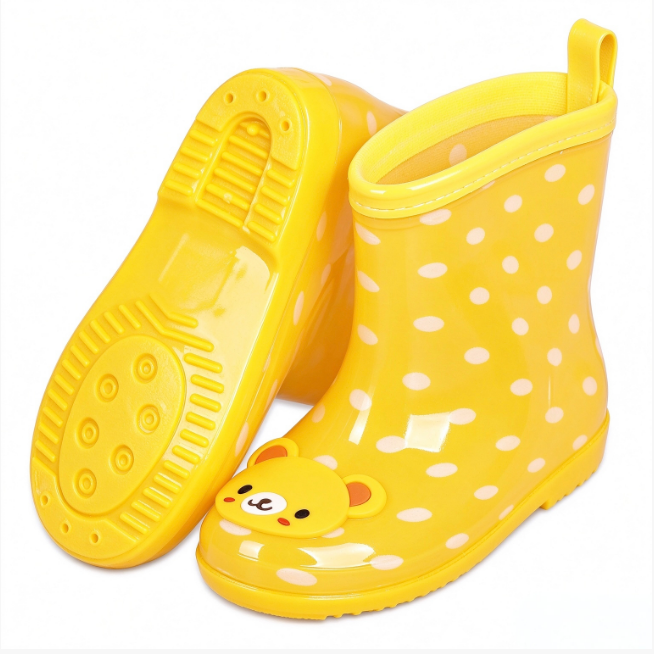
Proper maintenance extends the lifespan of rain boots and preserves their performance in mud and cold water. After each use in wet or muddy conditions, brush off excess dirt with a soft bristle brush before rinsing with mild, lukewarm water; avoid using high-pressure hoses that can damage seam bonds. Dry boots at room temperature, away from direct sunlight and space heaters, as extreme heat can cause rubber compounds to crack or shrink. To prevent odors, insert absorbent insoles or baking soda and leave boots open to air for 24 hours after use. Avoid storing boots in cramped spaces that can deform the shaft, and never use regular rain boots for non-waterproof tasks like walking on hot asphalt or handling sharp objects that can puncture the rubber.
5. Industry Standard and Parameter Reference
Global standards provide a baseline for evaluating rain boot performance in harsh wet conditions, with parameters tailored to slip resistance, waterproofness, and low-temperature flexibility. The table below outlines key references for selecting suitable boots:
ParameterRecommended ReferenceWhy It MattersLow-temperature flexibilityISO 20344:2021 Section 8.5.2Tests rubber compound flexibility at -10°C to ensure boots do not crack in cold pond water.Slip resistanceEN ISO 20347:2022+A1:2024, Category SRA+SRBEvaluates outsole grip on wet porcelain and steel surfaces, relevant for slippery pond edges.Seam waterproofnessISO 20344:2021 Section 7.2Measures water entry under pressure, critical for preventing mud and pond water seepage.Material thicknessEN 13832-3:2018 Section 6.2Recommended minimum thickness of 2.5mm for boot shafts to resist punctures from sharp mud debris.
All parameters are derived from verified third-party test methods, with no fabricated performance values included to ensure accuracy for selection.
6. Customer Common FAQ
Q: Are rubber rain boots better than PVC for cold pond water use?
A: Rubber compounds typically maintain flexibility at lower temperatures than standard PVC, making them more resistant to cracking when exposed to cold pond water. That said, high-quality PVC blends formulated for low-temperature use can also work, so checking for compliance with ISO 20344:2021 low-temperature tests is a better indicator than material alone. Professional Rain Boot Manufacturer note that individual compound performance varies by production batch, so reviewing test reports is advised.
Q: How do I prevent mud from getting inside toddler rain boots?
A: Choose boots with a slightly wide, snug ankle shaft that fits just above the ankle bone; avoid excessively loose boots that shift during play, which allows mud to enter. Wearing thick, moisture-wicking socks and tucking pant legs inside the boot’s shaft can also create an additional barrier. For deep mud, selecting boots with a higher shaft height (15cm or more) reduces the risk of debris entry.
Q: Will rain boots crack if left outside in cold weather?
A: That depends on the material’s low-temperature rating. Boots that meet ISO 20344:2021 flexibility standards for -10°C will remain flexible when exposed to typical cold pond water temperatures. Leaving boots outside in temperatures below the material’s rated minimum can cause cracking, so storing them indoors during prolonged cold periods is recommended.
Q: Can I use regular cleaning products for muddy rain boots?
A: Avoid harsh chemicals like bleach or ammonia, as they can degrade rubber compounds over time. Mild dish soap and lukewarm water are safe and effective for cleaning mud from boot surfaces. For stained areas, a soft brush and gentle circular motions will lift debris without damaging seams or material.
Q: Do I need safety-rated rain boots for toddler pond play?
A: Safety-rated boots with puncture resistance (per ASTM F2413-24) are only necessary if the pond or surrounding area has sharp objects like broken glass or metal. For typical pond play in backyard or nature trail settings, standard waterproof rain boots that meet slip and low-temperature standards are sufficient. Professional Rain Boot Manufacturer note that safety ratings add unnecessary bulk for regular toddler play, so they are only needed for high-risk environments.
Conclusion
Selecting rain boots for toddler girls facing heavy mud and cold pond water requires balancing material performance, structural design, and functional testing to avoid common issues like water seepage, cracking, and slipping. Key considerations include low-temperature flexible compounds, seamless construction, and slip-resistant outsoles aligned with international standards. Professional Rain Boot Manufacturer confirm that following these selection and maintenance steps helps keep toddlers comfortable and safe during wet outdoor play, reducing the risk of chill or injury from muddy, slippery surfaces.
References
- International Organization for Standardization, ISO 20344:2021, Footwear – Test methods for whole shoe, 2021
- International Organization for Standardization, ISO 20347:2021, Occupational footwear, 2021
- European Committee for Standardization, EN ISO 20347:2022+A1:2024, Occupational safety and health footwear, 2024
- American Society for Testing and Materials, ASTM F2413-24, Standard specification for performance requirements for personal protective footwear, 2024
- Global Footwear Industry Official Report 2024, Material Performance Guidelines for Kids’ Outdoor Footwear, 2024