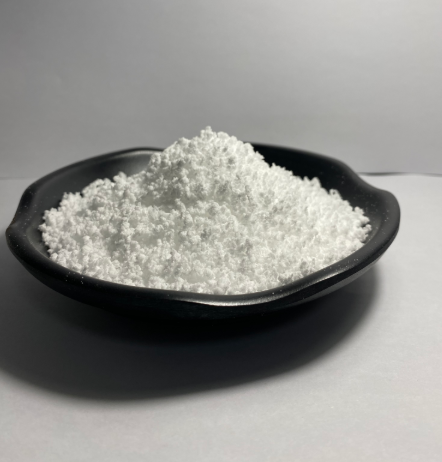
"Natural rubber outsole" sounds like a simple label, yet it covers many compounds, and the material has clear strengths alongside equally clear weak spots. This guide explains what the term means, how natural rubber ages and grips, what slip tests actually measure, and how to match a sole to the floor you work on.
What is a Natural Rubber Outsole?
Natural rubber is tapped from rubber trees as latex and becomes a usable sole after vulcanization. The label rarely means one hundred percent natural rubber. According to Shoemakers Academy, outsole character depends on the recipe: black rubber is loaded with carbon, crystal rubber is fully synthetic, and gum rubber blends natural and synthetic compounds. A buyer should therefore ask what share of the compound is natural and what the rest of the recipe is doing.
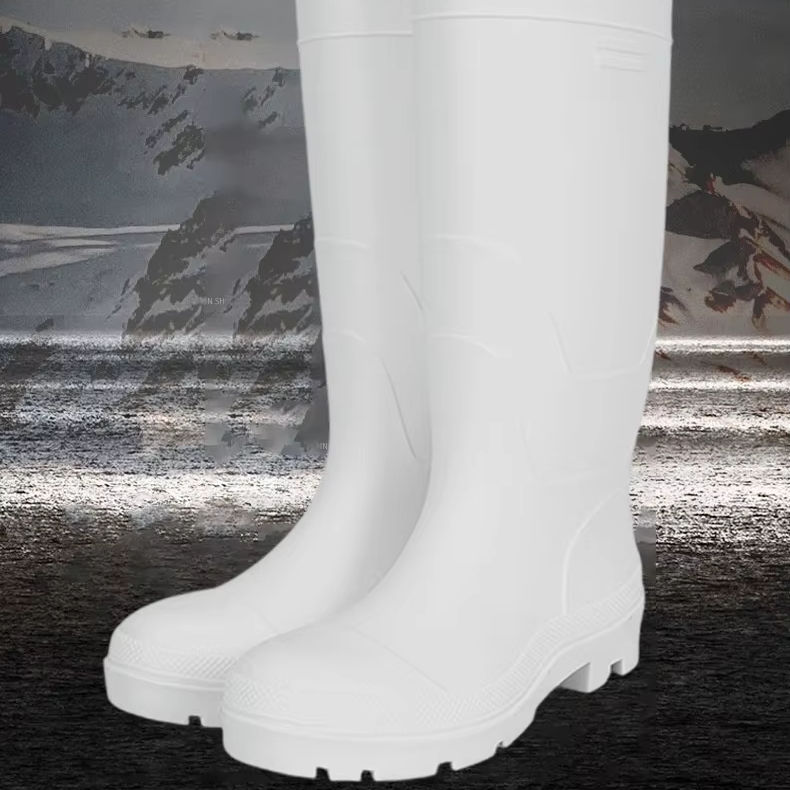
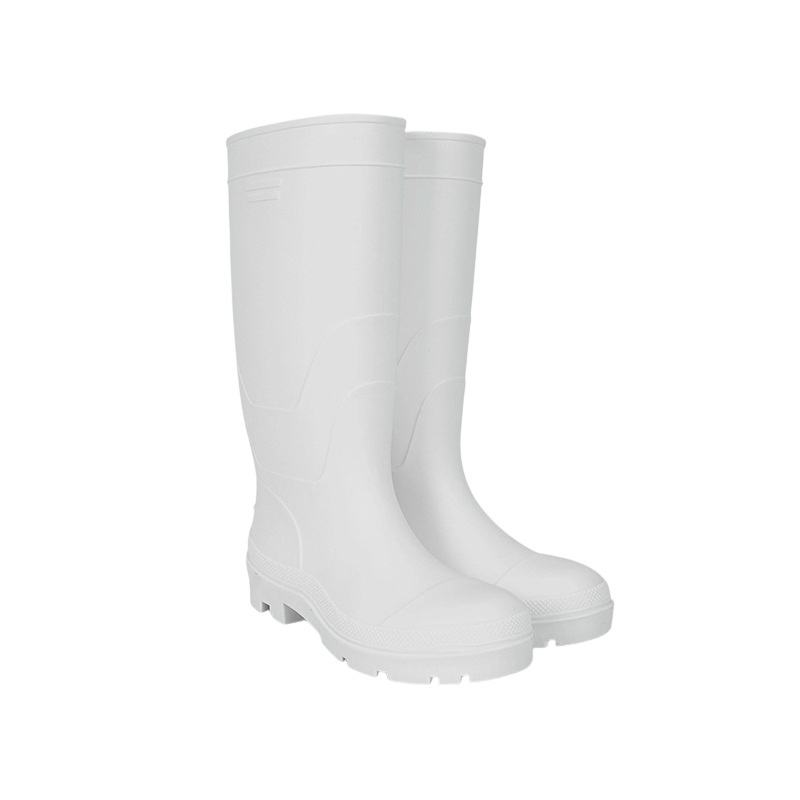
The question is simplest in a one-piece boot. Yudahang's single-piece natural rubber high-top rain boot, built for construction and farming, is molded as one unit, so the sole and the upper share the same material and the compound decides everything. The same advice applies to it as to any boot: ask for the compound and tread details instead of relying on the name.
Key Properties of Natural Rubber Soles
FST describes natural rubber as highly elastic, with good cold and damping behavior from about −60 to 80 °C. It is stable in acids, bases, water and alcohol, but poor with petroleum oils, synthetic lubricants and fuels, and the double bonds left after vulcanization react with oxygen, so it ages. Being plant-derived does not make a sole oil-proof. FST also notes that pure natural rubber stretches roughly 700 to 1000 percent and is nearly incompressible, which is a likely reason for the springy, resilient feel people associate with rubber soles.
Sole-specific evidence is thinner, but a 2025 laboratory study in Polymers tested foamed natural rubber sole materials. Chemical foaming made them lighter but reduced tensile and tear strength and increased creep, and every material tested lost strength after 100 hours at 100 °C, while friction against stainless steel was preserved. It is a small lab study, so read it as a direction, not a guarantee. A reasonable takeaway is that lightness, strength and ageing trade against each other, and that soles stored hot or in strong sun deserve an inspection before they return to a wet floor.
Slip Resistance: What the Standards Actually Test
The UK Health and Safety Executive explains that footwear passing the European slip test carries a code: SRA means tested on ceramic tile wetted with dilute soap, SRB means smooth steel with glycerol, and SRC means both. Higher friction coefficients mean better results. But HSE also warns that standard surfaces do not represent every floor, that "oil-resistant" does not mean "slip-resistant", and that buyers should trial pairs in their own workplace.
The same guidance says compound and tread both matter. A softer sole with close-packed tread suits fluids indoors, while an open, deeper pattern suits outdoor ground and solid debris and clogs less. Tread can matter enormously: in a Japanese lab study of work boots on wet steel with glycerol, one pattern produced macro-slips in 95.2% of walking trials and a hybrid rough-and-smooth pattern only 2.4%. Those outsoles were nitrile rubber, and hardness was not isolated, so the result shows how much design can outweigh the material name, not how natural rubber performs. HSE adds that grip falls as cleats wear down, which is why abrasion resistance protects slip resistance.
Natural Rubber vs PVC Outsoles
The sources do not crown a winner. They show that the answer depends on what touches the floor. Chemical Engineering magazine covers rubber and PVC boots in general terms, and combined with the sources above it supports this decision table.
| Situation | Better Starting Point | Why |
|---|---|---|
| Animal or vegetable fats | PVC | PVC withstands fats much better; oily materials break rubber compounds down faster |
| Alcohol or ammonia cleaners | Rubber | These break PVC down comparatively quickly |
| Bleach cleaning | Dipped neoprene | Bleach can damage rubber |
| Fuel, diesel, cutting oil | Avoid natural rubber | Poor resistance to petroleum oils |
| Wet tile indoors | Soft sole, close-packed tread | HSE guidance for fluids indoors |
| Outdoor mud, loose debris | Open, deeper tread | HSE: clogs less |
Footwear Applications of Different Outsole Materials
Start with the floor and the chemicals. For wet ground, mud and abrasion on construction sites and farms, natural rubber is a sensible starting point, which is the setting our single-piece high-top boot is listed for, with waterproof, abrasion-resistant and impact-resistant features. Where animal or vegetable fats cover the floor, such as in food processing, the sources point to PVC instead, and the table shows why natural rubber would not be our first suggestion there. Construction sites add one more catch: HSE notes that performance on wet or contaminated profiled steel or aluminium surfaces, such as chequer plate, can fall short of expectations, so test on the walkways your crew actually uses.
A short checklist keeps the choice honest. Name the floor surface, list every cleaner and oil that touches the boot, check the compound and the tread, request slip-test results with the SR code if you need them, and trial a pair before a bulk order. Our waterproof gum boots page shows the boots in context, our guide to gum rubber outsole boots looks at durability, and our kitchen work boots cover greasy-floor needs.
Conclusion
A natural rubber outsole offers elasticity, abrasion resistance and dependable behavior on wet outdoor ground, and it is weakest against oils, fuels, oxygen and heat. Because the term usually describes a blend, the compound and the tread deserve as much attention as the name, and a slip code is only a starting point. Match the material to the floor and the cleaning chemicals, trial before committing, and the sole will do what the label promises.
References
- Shoemakers Academy, Shoe Outsole Materials
- FST, Natural Rubber (NR)
- Natural Fiber-Reinforced Foamed Rubber Composites for Sole Materials, Polymers, 2025
- Health and Safety Executive, Slip-resistant footwear
- Yamaguchi and Hokkirigawa, Development of a High Slip-resistant Footwear Outsole Using a Hybrid Rubber Surface Pattern, Industrial Health, 2014
- Chemical Engineering, Choosing Footwear for Chemical Working Environments