
How to Choose the Right Polymer Modifier for Different Plastic Applications?
Your resin passes the datasheet. Then the part cracks on the line. I see this often, and the fix usually starts with the modifier.
Choose a polymer modifier in three steps. Name the base resin. Define the performance problem. Then check how the modifier behaves in your process. A modifier that fits all three improves the part without changing the whole resin system.
Most failures I see do not come from bad materials. They come from a good material in the wrong place. Let me show you how to avoid that.
What Problems Can Polymer Modifiers Solve in Plastic Manufacturing?
A brittle part costs more than a weak one. It breaks without warning, and your customer notices first.
Polymer modifiers solve brittle failure, low impact strength, poor flexibility, weak chemical resistance and hard processing. They change how a resin behaves without replacing the resin. Small additions often fix the problem.
Start with the failure, not the product
I always ask one question first. How does the part fail? A part that cracks in winter needs a different fix than a part that swells in oil. Dow notes that polymer modifiers adjust toughness, melt flow and compatibility without a full resin change. That matches my experience.
Five problems I see most
These are brittle failure, low impact strength, poor flexibility, weak chemical resistance and processing trouble. I discussed how rubber toughening materials improve impact performance in my previous article. The same logic applies here. Name the problem first. Then pick the tool.
What Types of Polymer Modifiers are Commonly Used?
A long product list makes buyers feel lost. I felt the same early in my career.
Common polymer modifiers fall into four groups: impact modifiers, processing modifiers, compatibilizers and stabilizers. Impact modifiers add toughness. Processing modifiers help melt flow. Compatibilizers join mixed polymers. Stabilizers slow aging.
Rubber-based polymer modifiers
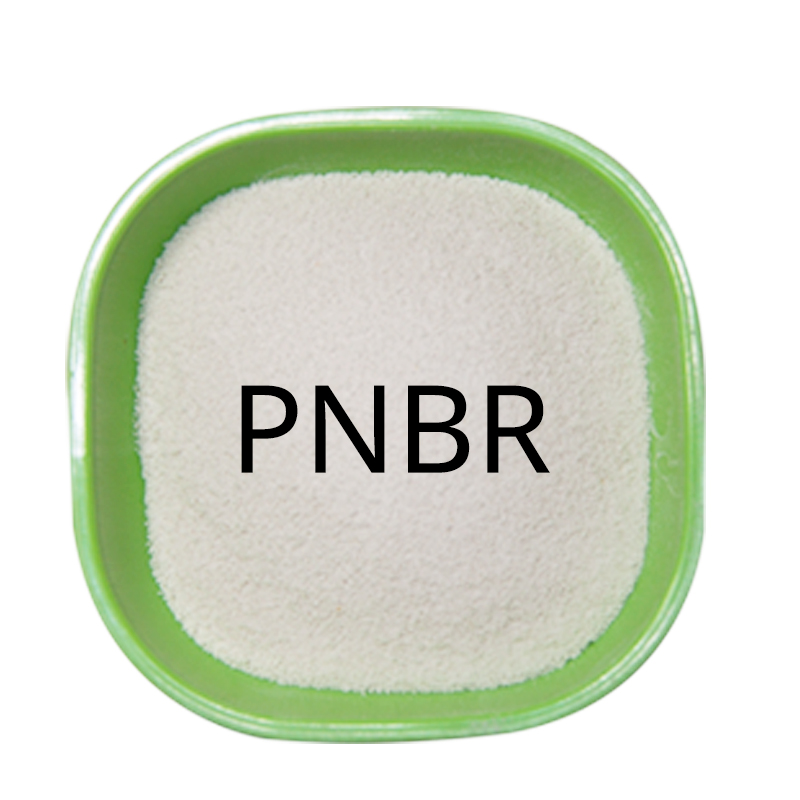
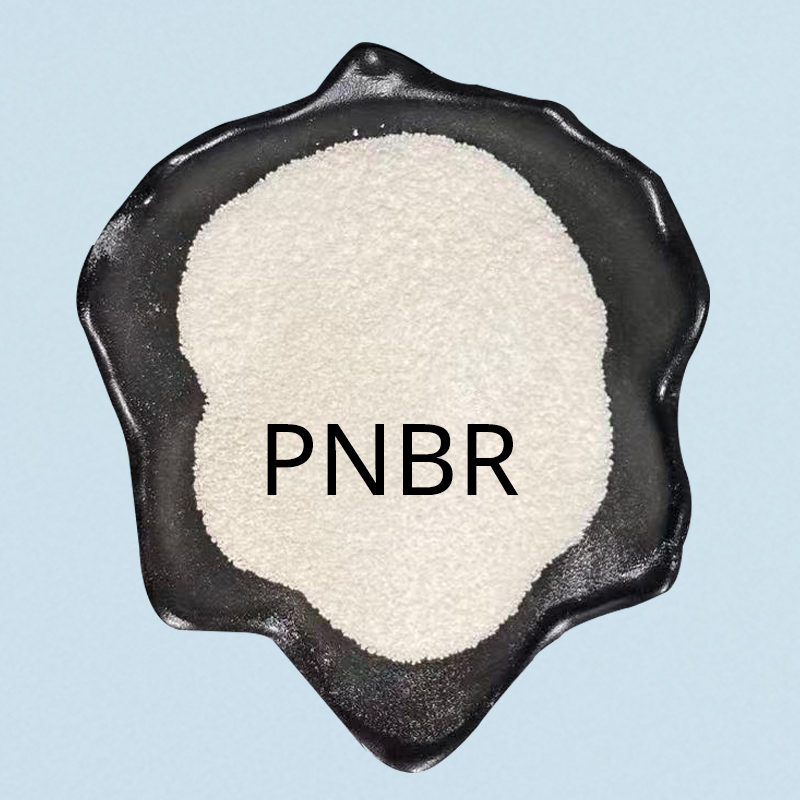
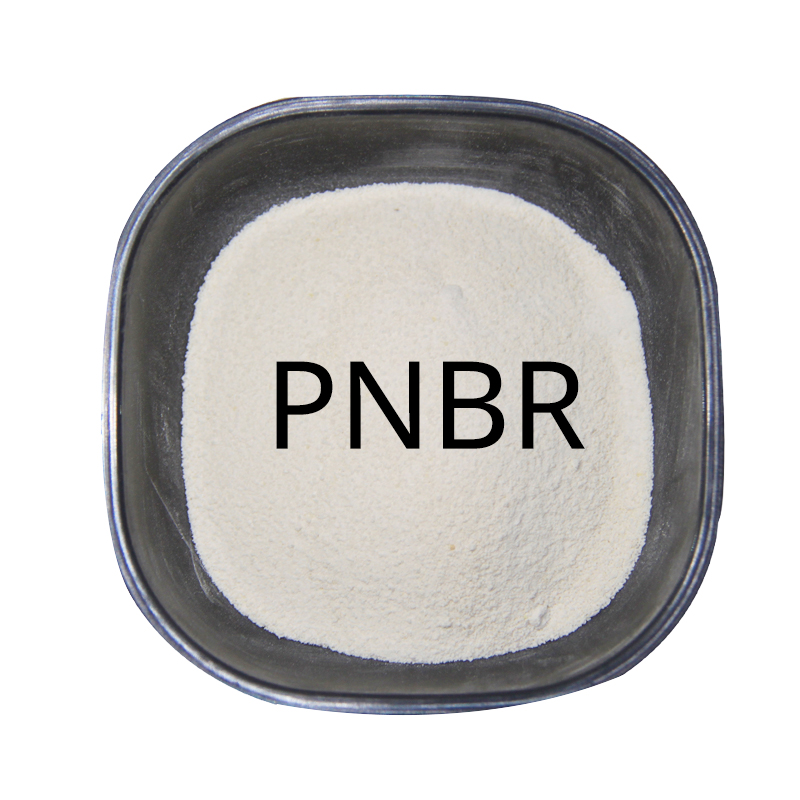
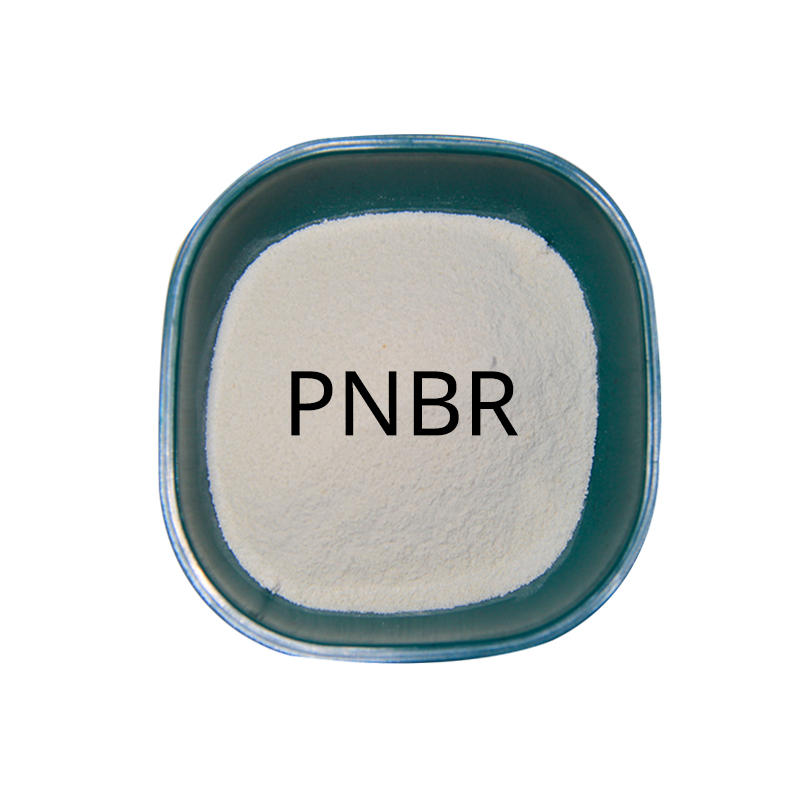
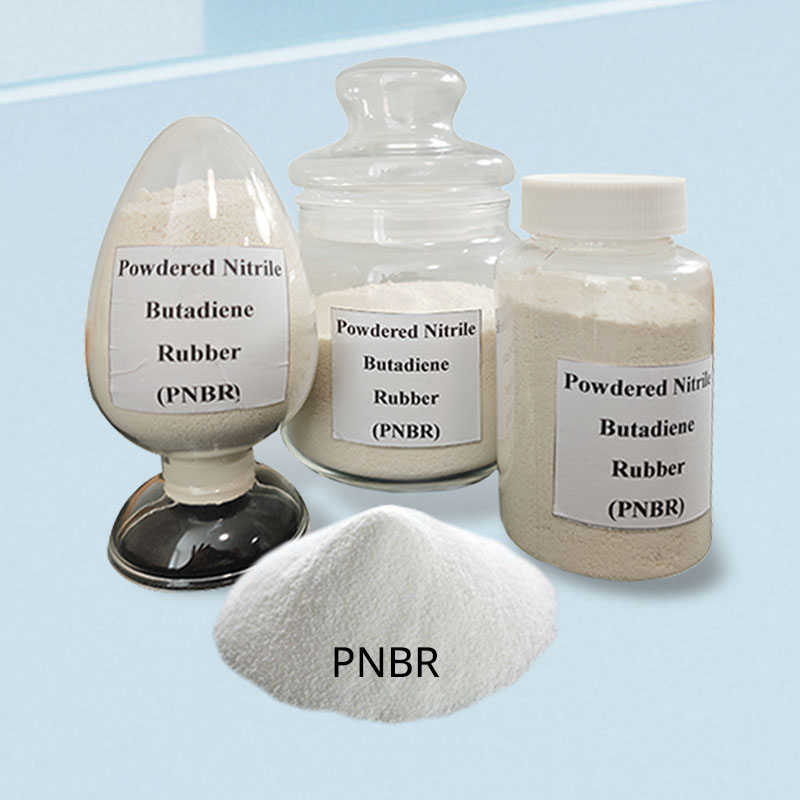
This group includes NBR powder, PNBR, MBS, CPE and acrylic modifiers. Nagase lists impact modifiers, stabilizers and flexibilizers as key resin modifiers. It also notes that dispersed rubber raises impact strength. I covered the powder form in my first article on NBR synthetic rubber powder.
Compatibilizers and recycled resin
Entec explains that compatibilizers bond polymers that do not mix. They also help with recycled and mixed feedstock. Recycled plastic often loses toughness. In my work, this group matters more every year.
How Do You Select a Polymer Modifier for Your Resin System?
This is where most projects go wrong. People pick the modifier first and the resin second.
Select a polymer modifier in three steps. First, identify the polymer matrix, such as PVC, ABS, PP or PE. Second, define the performance target. Third, check processing compatibility. Skip one step and the test results often disappoint.
Step 1: Identify the polymer matrix
Kuraray says the choice depends on the polymer, the desired effect and the processing conditions. I agree. Even PVC splits in two. SpecialChem points out that flexible and rigid PVC need different modifiers.
Step 2: Define the performance target
Write the target in one sentence. Then match it to a direction.
| Problem | Modifier Direction | What I Check First |
|---|---|---|
| Low impact | Rubber modifier | Particle dispersion |
| Oil exposure | NBR-based modifier | Swelling after soak |
| Outdoor aging | Acrylic or CPE | UV and heat exposure |
| Mixed or recycled resin | Compatibilizer | Phase separation |
Step 3: Check processing compatibility
Physical form matters here. Powdered nitrile rubber is easier to handle and blend than traditional rubber forms. I explained this powder advantage in my first article. A modifier that does not disperse will not toughen anything.
Why are Rubber-Based Polymer Modifiers Used for Toughening?
Fillers add bulk. They rarely add toughness. Some even lower impact strength.
Rubber-based modifiers toughen plastic because the rubber phase absorbs impact energy. The rubber particles stop cracks from growing. Ordinary fillers cannot do this. They add volume, not energy absorption.
How the rubber phase works
SpecialChem states that an effective impact modifier needs a low-Tg rubber phase and good bonding with the matrix. In plain words, the rubber particle opens up and the plastic around it stretches. That uses up the energy. Nitrile rubber particles absorb impact energy and reduce cracking. I explained this in my second article on the nitrile rubber toughening agent.
Loading level
The same guide gives rough ranges. General-purpose grades use under 10%. Low-temperature grades use about 5–15%. Super-tough grades use about 20–25%. I treat these as a starting point only. Trials decide the final number.
Is PNBR a Suitable Polymer Modifier for Plastic Modification?
No modifier suits everything. I tell every customer this, even when it costs me an order.
PNBR suits plastics that need a balance of toughness, flexibility, oil resistance and easy powder handling. PVC and flexible products are common examples. It is a poor choice for transparent parts or high-temperature outdoor products.
Where PNBR fits
RBH describes pre-crosslinked NBR powder modifiers for PVC. They add rubber-like reinforcement, mix easily and give more uniform compounds. They also add chemical resistance. That fits PVC modification, flexible plastic products and oil-resistant uses. At Yudahang, we match the PNBR grade to the customer's process before we talk about price.
Where I say no
Transparent parts are the first limit. Rubber particles scatter light. High-temperature outdoor products are the second. SpecialChem warns that butadiene-based modifiers can reduce UV and heat stability. For those jobs, I point customers to acrylic modifiers. An honest answer builds a longer relationship than a quick sale.
How does Polymer Modifier Selection Affect Long-Term Performance?
A part can pass the impact test and still fail in two years.
Modifier choice affects long-term performance through aging, weather and chemical exposure. An impact test shows only short-term results. Good selection looks at the full service life, not one test on day one.
Short term versus long term
In the short term, we run an impact test. In the long term, the part meets heat, sun and chemicals. Dow lists stress-crack and hydrolysis resistance as durability goals for modifiers. These problems show up months after production, not on the test bench.
What I ask customers to test
I ask for oven aging, oil soak and outdoor exposure. These tests cost little. A failed product costs much more. In my third article, I stressed that material selection should start from the polymer matrix and the performance problem. Service life comes right after.
Conclusion
Choose a polymer modifier by resin, problem and process. Test beyond day one. The best choice fits your product, not just the datasheet.
References
Dow. Polymer Modification for Durable Applications.
Nagase ChemteX. Polymer/Resin Modifier.
Entec Polymers. Modifiers for Recycled Plastics.
Kuraray. Polymer Modification.
SpecialChem. Impact Modifiers: How to Select the Right Grade for Plastics?
RBH Group. Chemigum NBR Powder Modifiers.