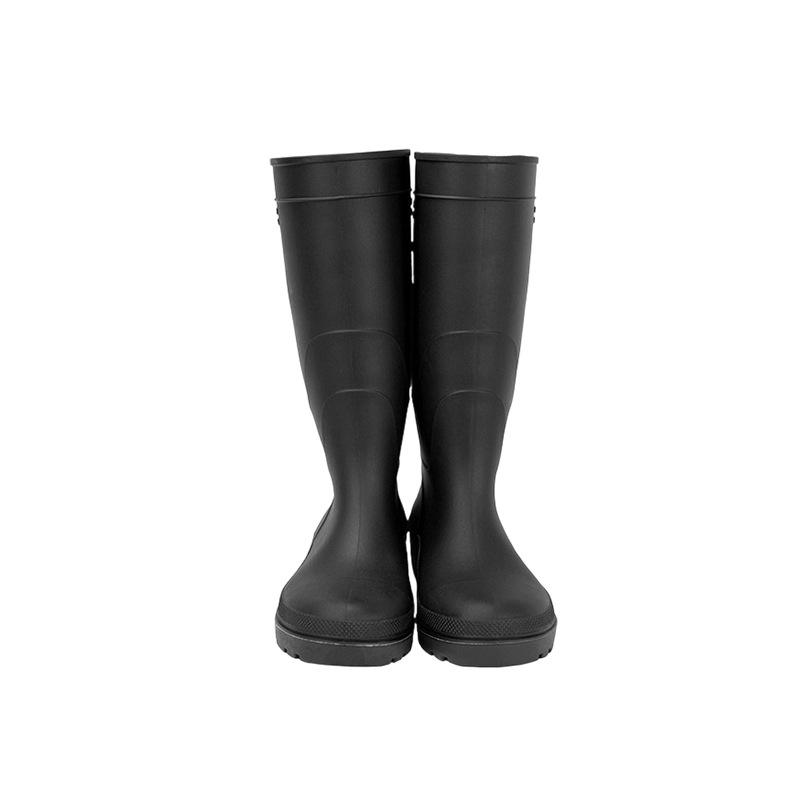
A boot can look tough and still fail in week one. Wrong toe rating, cold feet, loose fit. I have seen all three cost buyers real money.
Check four things before you buy PVC steel toe boots: the toe protection rating, whether PVC suits your site, grip and fit for a full shift, and the paperwork and sampling steps for bulk orders.
I have worked around safety footwear for more than ten years. Most buying mistakes come from skipped checks, not bad factories. Below is the short list I use myself. It takes minutes to apply, and it can save you a whole shipment.
What Level of Toe Protection does Your Job Require?
Many buyers see "steel toe" and stop checking. That habit gives you boots that pass at the gate and fail on the job.
Your hazards set the toe level. In the US, look for ASTM F2413 marks I/75 and C/75. In Europe, look for a 200 J toe cap under EN ISO 20345. Add puncture or metatarsal guards only if your site needs them.
Start with the rule, then read the label
OSHA's foot protection rule says employers must provide protective footwear where falling or rolling objects, or sharp objects piercing the sole, can hurt feet. It accepts ASTM F2412 and F2413 among its standards. So the label matters more than the brochure.
The ASTM F2413 marks are easy to read. I/75 means the toe takes a 75 ft-lb impact. C/75 means it resists a 2,500 lb load. One boot in each pair must carry the mark. In the KEEN safety toe impact test, a clay form sits inside the toe. The cap passes if it squeezes the clay no more than half an inch. I always ask suppliers for that clearance result, not only the rating.
Match extras to real hazards
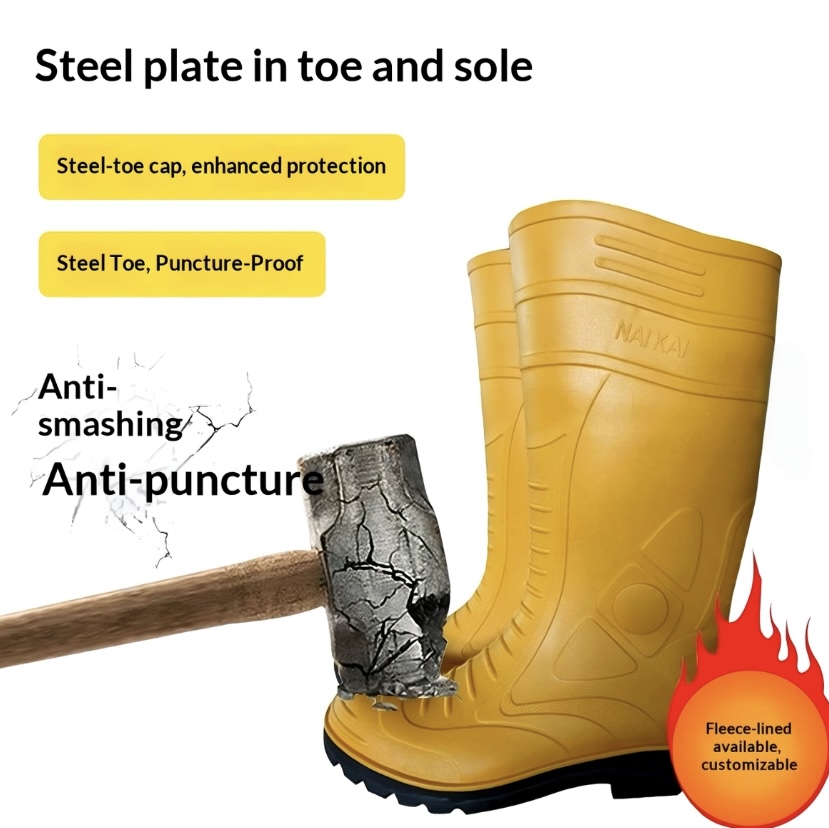
Extras add weight and cost. A steel shank or plate suits nail and scrap sites. A metatarsal guard suits heavy-drop areas. At Yudahang, I ask buyers to list their hazards first and pick features second. A simple walk through the site helps. Note what falls, what rolls, what is sharp on the floor and what is wet. One page of notes makes every later choice easier. You can compare toe and sole options on our steel toe safety boots page.
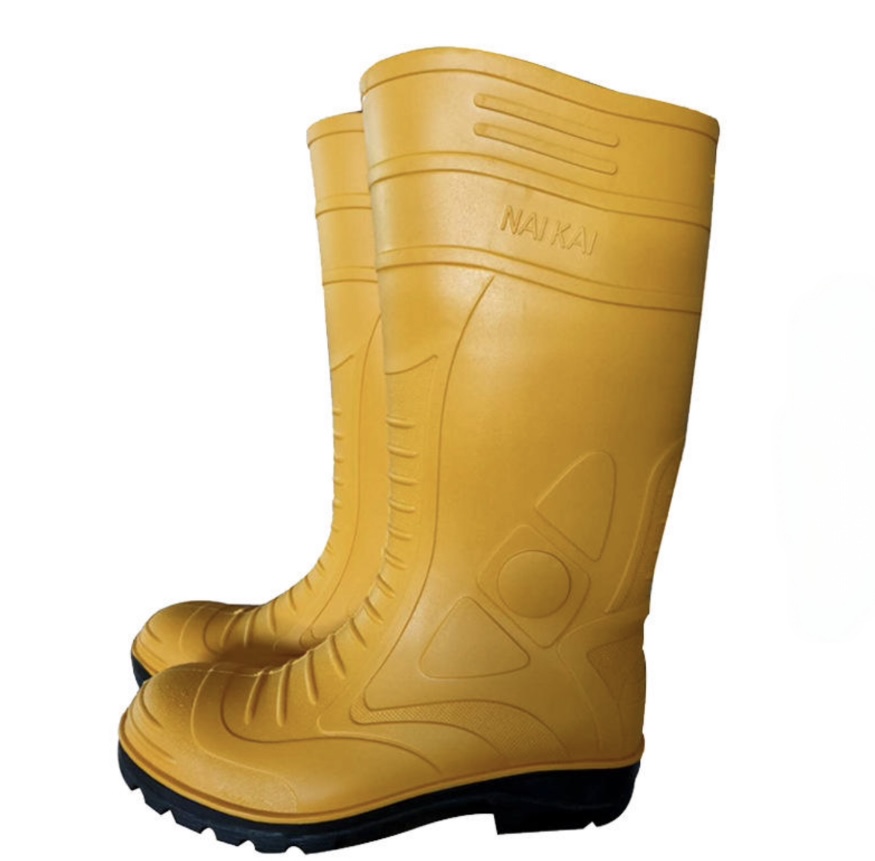
Is PVC the Right Material for Your Working Environment?
PVC keeps water out. It also keeps sweat in. Many buyers learn this only after the first long shift.
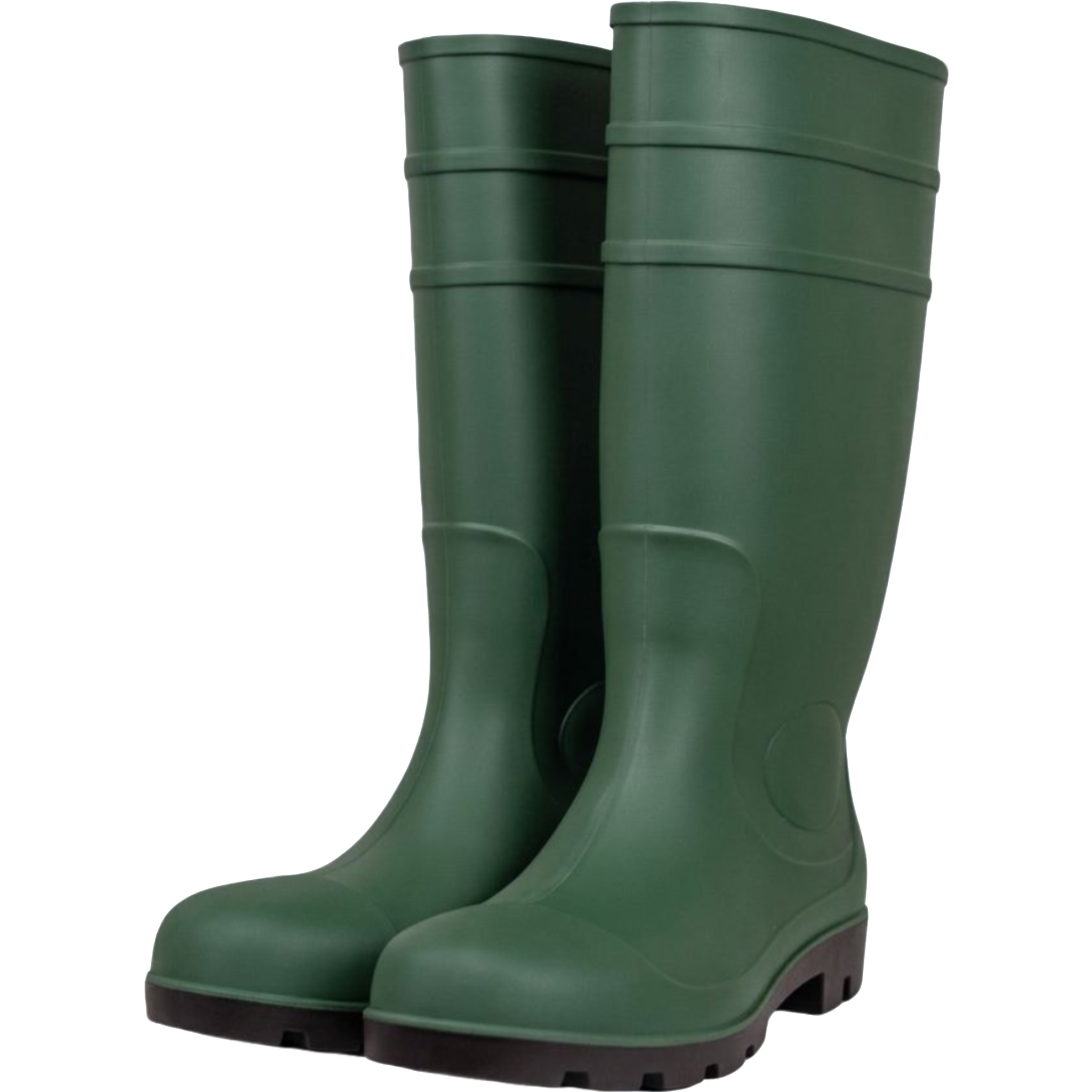
PVC suits wet, oily and washdown sites such as farms, food plants and yards. It is a weaker choice for long hot shifts or hard cold unless you add a liner and check how the steel cap handles temperature.
Where PVC works well
Industrial listings show the pattern. McMaster-Carr's PVC work boots are described as oil resistant. They come in 14 and 16 inch heights, with steel safety toes, optional steel shanks, metatarsal guards and skid-resistant soles. That mix tells you what buyers expect: easy cleaning, liquid protection and a tall shaft.
Where PVC struggles
Steel conducts heat and cold, so the cap can chill toes in winter. PVC does not breathe, so moisture builds inside. In my experience, a thermal liner and a spare insole help more than a thicker shell. PVC also stiffens in the cold, so I flex a sample at low temperature before I approve it. If your site uses metal detectors, steel toes can set them off. Ask about composite caps in that case. Steel also conducts electricity, so electrical work needs a different cap and the right rating.
How Can You Assess Grip, Fit and All-Day Comfort?
Workers rarely complain about the toe cap. They complain about slipping, rubbing and sore feet by noon.
Test grip on the surface your crew walks on, check fit with work socks on, and wear a sample for a full shift. Look for a slip-resistance mark and enough toe room, not only a snug heel.
Test grip on your own floor
The EN ISO 20345 slip test, marked SR, runs on ceramic tile with glycerin, as this EN ISO 20345:2022 summary explains. Your floor is not ceramic tile. I check tread depth, cleat spacing and whether mud or grease clears from the sole. Then I walk a sample over the real surface, wet and dry. I also try a slope and a short ladder, because many slips happen there.
Check fit before you check price
A steel cap and a PVC upper do not stretch much. A boot that pinches in the fitting room will pinch all year. I fit samples with the thickest work sock the crew wears. I look for room to wiggle the toes, a heel that stays put, and no pressure where the cap ends. Weight matters too. Add up shaft height, liner and cap, then ask whether a worker can carry that for eight hours.
What Should You Confirm before Placing a Bulk Order?
A good sample does not guarantee a good shipment. Bulk orders fail in the gap between sample and carton.
Confirm the standard and label, get a test report for your batch, approve a sealed sample, check the size run, and agree on packing and inspection before you pay the balance.
Use a simple supplier checklist
For PVC, EN ISO 20345 treats polymer boots as their own class, and the safety toe is marked 200J/15000N. I ask for the same clarity on every order. The table below is the checklist I send to new buyers.
| Check | What to ask for | Why it matters |
|---|---|---|
| Standard and label | ASTM F2413 or EN ISO 20345 mark on each pair | Proves the boot matches your market rules |
| Test report | Report for the same batch and model | A report for another model proves nothing |
| Sample match | Sealed approved sample kept by both sides | Stops quiet changes in material or sole |
| Size run | Size split that fits your workforce | Wrong sizes cause returns and unsafe wear |
| Sole and seams | Bond check between sole and upper | Leaks and splits usually start here |
| Packing | Pair marking, carton count and photos | Prevents mixed sizes and shipping damage |
Close the loop after delivery
I suggest pulling a few pairs from each carton group on arrival. Check labels, flex the upper, and look at the sole bond. Then give the first crew a two-week trial and collect their notes. That feedback is the best input for your next order. Keep a record of complaints by size and by site. After one season, you will see which specs earn their cost and which ones you can drop.
Conclusion
Check the toe rating, the material fit, grip and comfort, and your bulk order paperwork. These four steps cut returns and keep crews safer in PVC steel toe boots.
References
U.S. Occupational Safety and Health Administration. 29 CFR 1910.136 – Foot protection.
Gemplers. Understanding ASTM Footwear Standards.
KEEN Footwear. Safety Talk: Impact Testing Safety Toe Shoes.
McMaster-Carr. PVC Shoes and Boots.
ForConstructionPros. Steel Toe vs. Composite Toe Boots.
Wenaas. EN ISO 20345:2022 Safety Shoes.