One slip in fast water can end a fishing day. Many anglers pick boots by brand, then find the sole fails on the first algae rock.
For wading boots that suit different riverbeds, check four things: sole type, ankle support, fit over your waders, and material strength. Match each to your water. Felt, rubber, and studs behave differently on rock, gravel, mud, and snow.
I have spent over ten years around footwear materials and boot construction. Here I share how I judge a boot for each riverbed. Keep reading, because the right sole can depend on a local rule, not only on grip.
What Should I Look for when Choosing Wading Boots?
Most anglers shop by looks and price. Then the boot twists an ankle on the first wedged rock.
Look for a grippy sole, firm ankle support, a fit that works with your waders, quick drainage, and tough materials. Start with your water. Rocky streams, muddy banks, and long hikes each need a different mix.
I rank four traits in this order: footing, support, fit, and drainage. Vail Valley Anglers says ankle support matters most, since a good boot helps prevent sprains when you wedge your foot between rocks. It also says the upper should stay rigid when wet. Boots that collapse sideways give less support.
I test this in the shop. I press the heel and ankle sideways with my hand. If it folds, I put the boot back. Weight matters too. Outdoor Life lists tested boots from 44.7 oz to 57 oz, and it reminds readers that wading boots are not waterproof. The waders do that job. So the boot should drain and dry fast. At Yudahang, we start every boot review with two questions: where will it get wet, and how far will you walk?
Which Wading Boot Sole is Best for Different Riverbeds?
The wrong sole feels fine on the shop floor. Then it skates on slick stone and clogs in mud.
Rubber soles with a deep tread suit most riverbeds. Felt grips slick, rocky bottoms best but is banned in some places. Studs add bite on algae-covered stone. Choose by bottom type, season, and whether you use a boat.
| Riverbed | Best Sole | Watch Out For |
|---|---|---|
| Slick bedrock and algae stone | Studded rubber, or felt where allowed | Studs skate on dry, round rock |
| Gravel and cobble | Rubber with deep lugs | Stones lodged in the tread |
| Mud and soft bottoms | Rubber with open lugs | Clogged tread |
| Snow and cold water | Rubber | Snow packs onto wet felt |
| Boat or raft days | Rubber, no studs | Studs damage floors |
This follows Vail Valley Anglers, which says felt has no real advantage on muddy or soft bottoms and performs poorly in winter, while rubber works well for all-around angling. It also warns that studs can feel like ice skates on dry, round rocks and are often not allowed in drift boats.
Rules matter as much as grip. Alaska Fish and Game says research shows felt traps and moves organisms more easily than other sole materials, and it stays damp longer. Alaska banned felt-soled wading footwear in freshwater in 2012. I tell buyers to check local rules before they buy any sole.
How Should Wading Boots Fit with Waders?
Many anglers size up to make room. Then the heel slides, and one wrong step rolls the ankle.
Wading boots should fit over your stockingfoot waders without sizing up. Leave room to wiggle your toes, keep the heel from lifting, and lace the boots fully. Try them with the socks and waders you will actually wear.
I fit boots with three checks. First, try them with your real gear. Orvis says boots are sized to fit over stockingfoot waders, so you generally should not size up. Wet waders with neoprene socks need the same test. Second, lace fully and walk. Squat, step up, and lift your knee. Watch for heel lift. Third, check the toes. Orvis warns that tight boots can make feet numb and cold. In cold water, that is a safety problem, not only a comfort problem.
Outdoor Life agrees that wading boots should fit like ordinary shoes, and you do not need to size up for neoprene booties. I add one tip. Try boots late in the day, when feet are larger. A fit that feels snug at noon may feel tight after six hours on the river.
What Materials Affect Wading Boot Durability?
Soles get the attention. But boots often fail at the laces, the straps, or the bond under your toes.
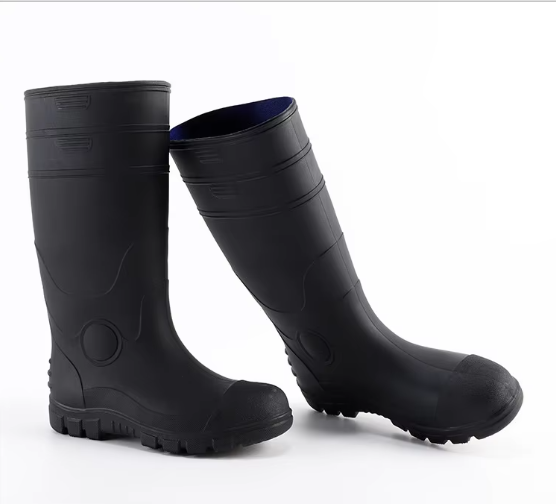
Durability depends on the upper material, the sole bond, and the hardware. Rubber toe caps, welded overlays, and strong lace systems last longer. In many boots, lace loops and eyelets fail before the sole does.
Outdoor Life notes that lace eyelets, loops, and hoops often fail first. It describes lace loops on one lightweight boot that tend to fail after a few uses, and soles on another that can come loose in mud. Lightweight mesh and welded TPU overlays save weight and dry fast. Heavier builds add support but tire you on long hikes.
In my work, I check three spots: the toe flex line, the sole edge, and the lace hardware. Water, grit, and bending hit these spots every trip. A rubber toe cap also saves your boot from rock strikes.
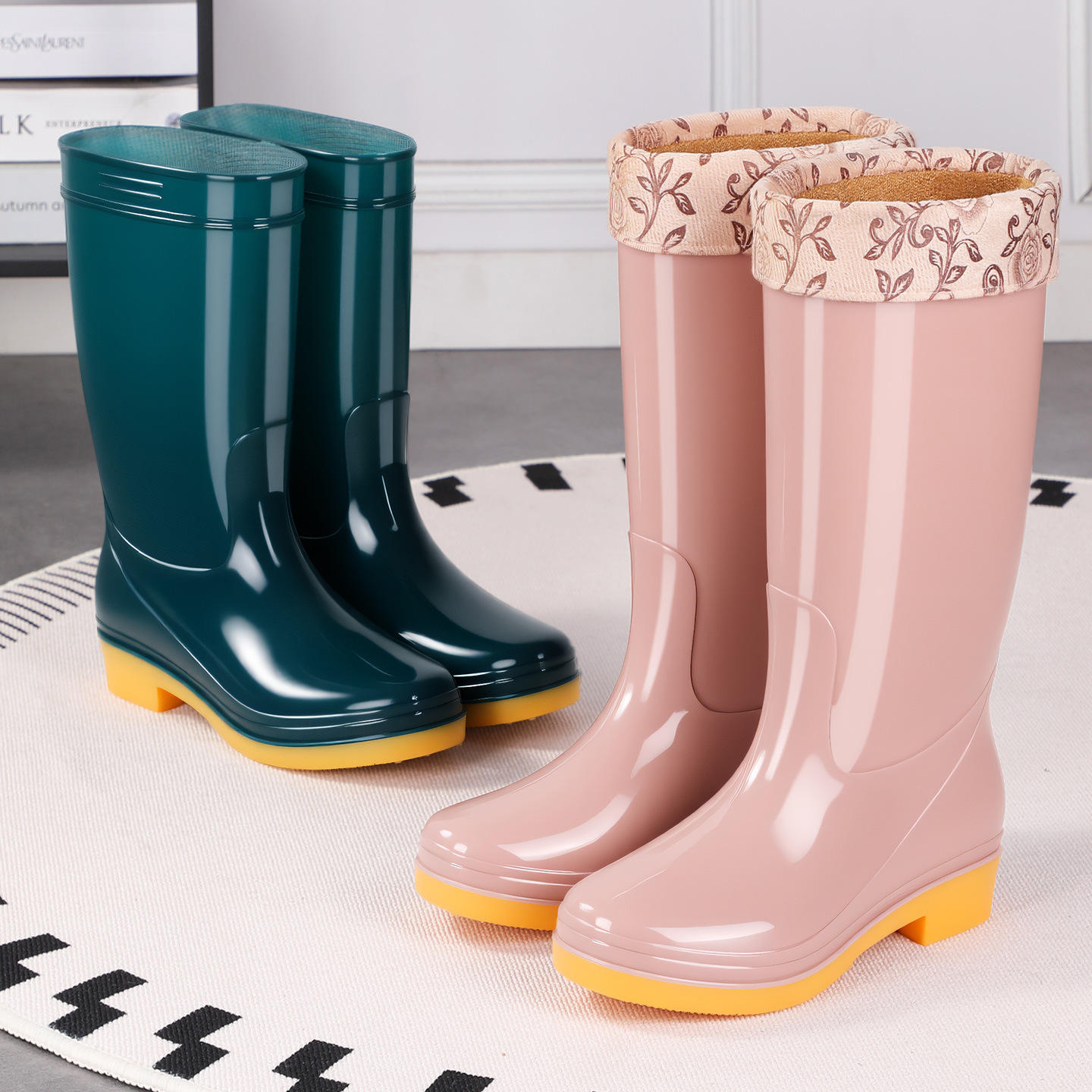
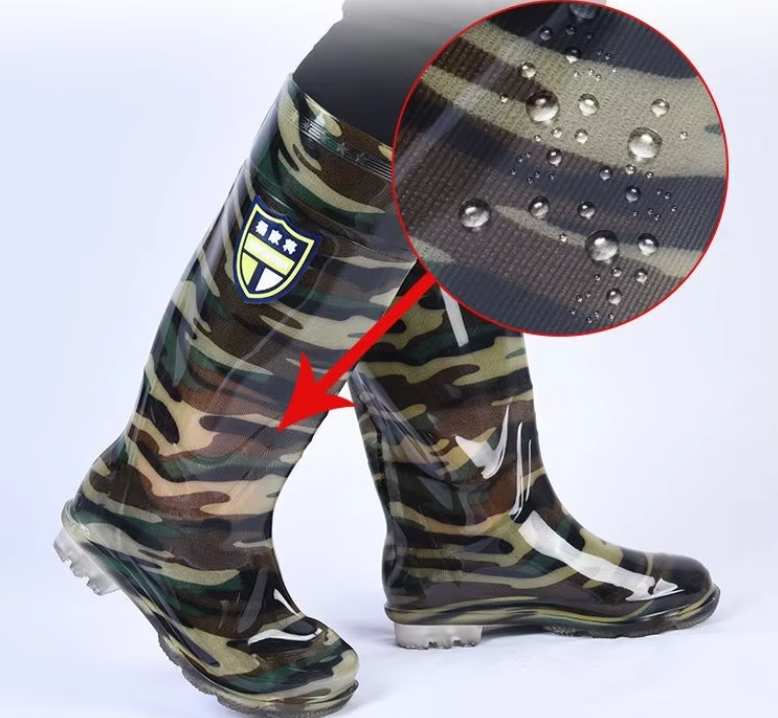
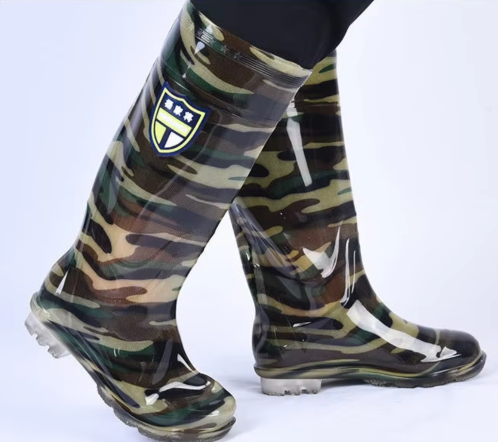
Material choice should match the water. For shallow creek crossings, wetlands, and shoreline fishing, a simple PVC boot can work well. Our water shoes are a high-top PVC design with a horizontal tread and camouflage green finish. I would not use them in deep, fast, rocky rivers. There, ankle support and a stud-ready sole matter more.
How Can I Maintain Wading Boots after Fishing?
Many anglers toss wet boots in the trunk. By the next trip, they smell, and they may carry more than mud.
Clean mud and plant debris off your boots with a stiff brush, drain them, and dry them completely. If you cannot dry them, freeze them or decontaminate them as local rules advise. Check laces, studs, and soles before the next trip.
My routine is short. Alaska Fish and Game advises removing mud, sediment, and plant debris, separating parts to check for hidden debris, scrubbing with a stiff brush, and drying gear completely between trips. If drying is not possible, it suggests freezing the gear, washing it in 130°F water, or using a 2% bleach solution away from freshwater. It warns that bleach can degrade absorbent gear.
Agencies differ on details. Maryland DNR lists several disinfectants, asks for a rinse, and wants gear dry to the touch and then dry for another 48 hours or more. Follow the rule for your water. I also pull the insoles, loosen the laces, and dry boots away from direct heat. Then I check the studs and lace loops. Small repairs keep a boot in service for seasons.
Conclusion
Choose wading boots by riverbed. Check sole, support, fit, materials, and care. Follow local rules, clean after every trip, and your boots will keep you steady and safe for seasons.
References
Outdoor Life. "Best Wading Boots."
Orvis. "How Do I Pick a Pair of Wading Boots?"
Vail Valley Anglers. "What Type of Sole Is Best for Wading Boots?"
Alaska Department of Fish and Game. "Alaska's Ban on Felt-Soled Wading Footwear: FAQ."
Maryland Department of Natural Resources. "Decontamination of Waders and Boots."