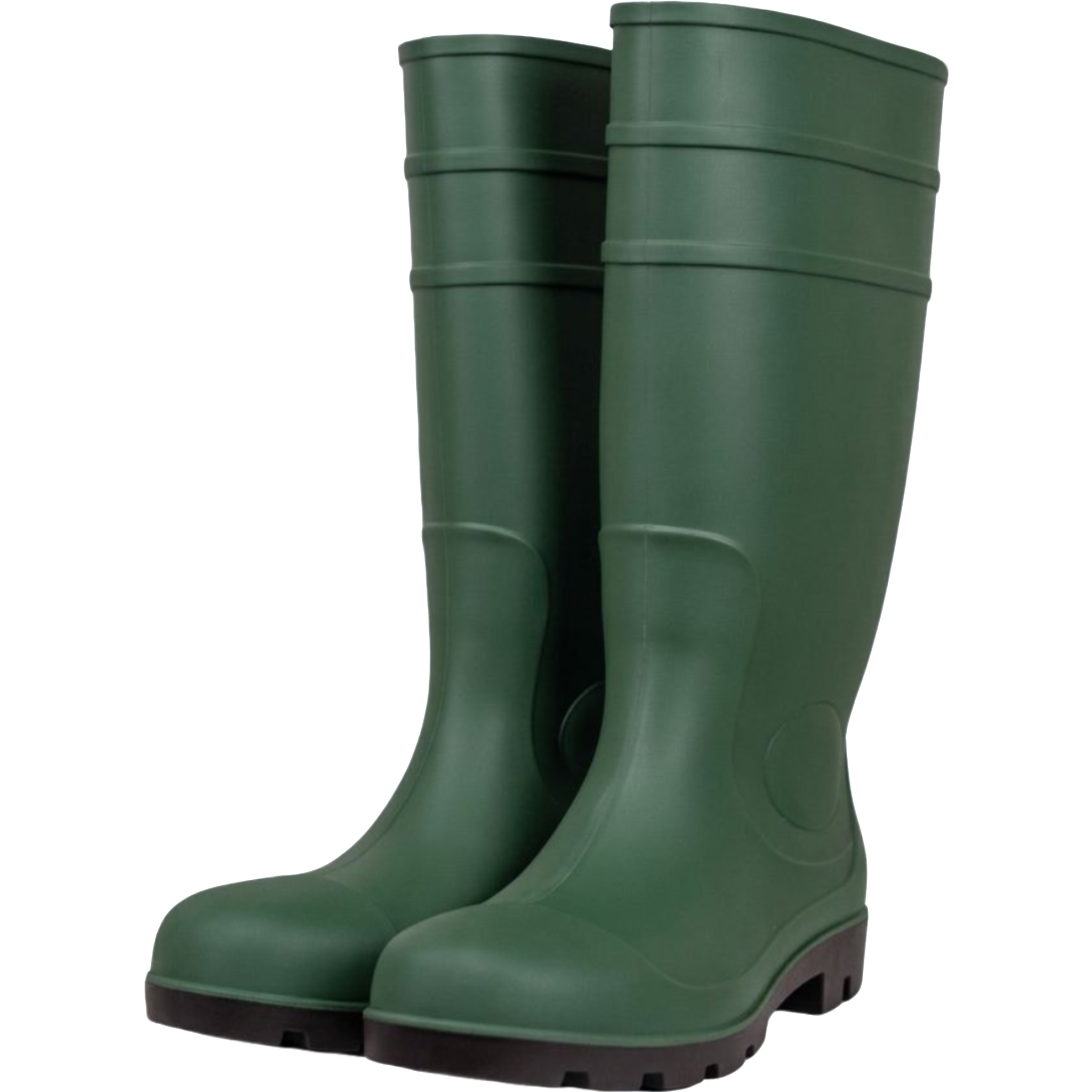
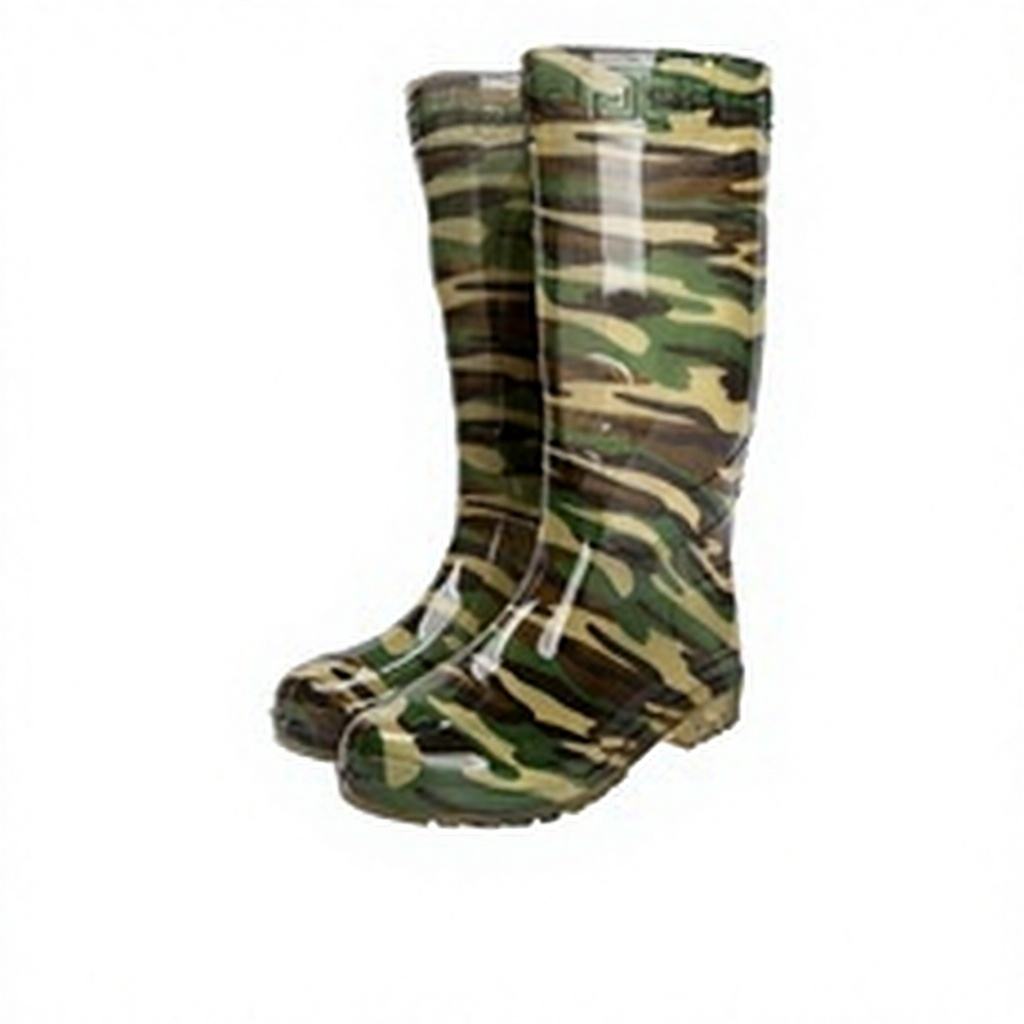
Meta Description: Extreme cold worksites demand durable insulated boots that resist wear while retaining warmth. This guide breaks down critical features to prioritize, helping users avoid premature boot failure in harsh low-temperature conditions. Professional Rain Boot Manufacturer.
Keywords: wear-resistant insulated boots, cold work boots, boot longevity, cold weather footwear, occupational boot standards
1. Core Problem Analysis
1.1 Common Causes of the Problem
Many users in cold worksites face premature boot damage due to a mix of material mismatch, improper manufacturing, and lack of maintenance. Common issues include outsole cracking from low-temperature brittleness, insulation compression that loses warmth over time, seam separation leading to cold air infiltration, and outer surface abrasion from repeated contact with concrete, ice, or sharp construction debris. These problems often stem from choosing boots designed for milder climates or ignoring material limits in extreme cold.
1.2 Affected Usage Scenarios
The issues impact a range of outdoor and industrial worksites, including remote construction sites in subzero temperatures, ice fishing operations, livestock handling in cold barns, food processing facilities requiring cold storage access, and snowy, muddy commutes to worksites. These environments expose boots to repeated flexing at low temperatures, constant abrasion, and occasional contact with deicing chemicals that accelerate material breakdown.
2. Product and Process Principle
Wear-resistant insulated boots rely on specialized material formulations and manufacturing processes to balance durability, insulation, and cold-temperature performance. For outer shells, cross-linked rubber compounds or thick PVC blends are used, as these materials resist abrasion and maintain flexibility at temperatures as low as -20°C, reducing cracking during repeated movement. Insulation layers like polyester fleece or closed-cell foam are laminated to the inner lining without exposed edges, preventing compression over time that would reduce warmth retention.
Seam-free injection molding is another key process here, as it eliminates stitched seams that can separate in cold environments or develop gaps that allow moisture in. Outsole design uses deep, multi-directional tread patterns made from rigid but flexible TPR (thermoplastic rubber), which grips icy or wet surfaces while resisting wear from abrasive worksite surfaces. A Professional Rain Boot Manufacturer understands that balancing material hardness, flex resistance, and insulation thickness is critical for creating boots that last in extreme cold without sacrificing comfort.
3. Practical Solutions and Operation Steps
To select and maintain wear-resistant insulated boots for extreme cold worksites, follow these actionable steps to ensure longevity and performance. First, verify the material’s low-temperature performance: look for boot specifications that note cold flexibility, typically tested under standard conditions for occupational footwear. Second, check for seam-free construction to avoid moisture and cold infiltration points, as stitched seams are more prone to wear in worksite conditions.
- Choose a boot with an outsole rated for slip resistance under cold conditions, per EN ISO 20347:2022, to avoid slips while retaining tread integrity.
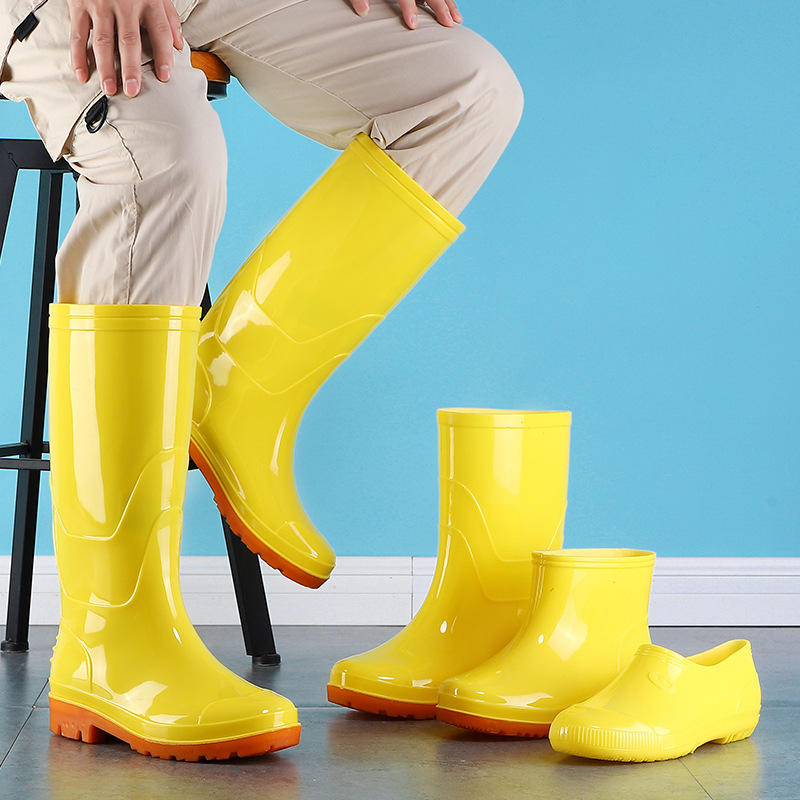
- Select a shaft height that matches your worksite requirements: taller shafts add coverage against deep snow, while shorter, properly fitted shafts reduce pressure points that cause insulation compression over time.
- Test the boot’s flexibility at low temperatures before purchase: bend the boot sole at the typical toe-flex point; a boot that bends easily at room temperature may stiffen and crack in extreme cold.
- Confirm the insulation is non-compressible closed-cell foam or layered polyester that retains shape after repeated use, rather than open-cell foam that breaks down quickly in wet, cold conditions.
4. Daily Maintenance and Precautions
Proper maintenance extends the longevity of wear-resistant insulated boots, starting with basic after-use care. After each worksite shift, remove debris from the outsole tread to prevent abrasive particles from scratching the outer shell over time. Clean the outer surface with a mild soap and warm water, avoiding harsh solvents that can break down rubber or PVC compounds; never use bleach or strong detergents, as these degrade material flexibility in cold temperatures.
Allow boots to air dry naturally at room temperature, away from direct sunlight or space heaters that can warp the outer shell or compress insulation. If boots become wet, remove the inner insoles and lining to speed drying, preventing mold growth that can weaken internal materials. Avoid storing boots in cold, unheated spaces for extended periods, as prolonged exposure to subzero temperatures can make rubber compounds brittle. Do not use insulated boots designed for cold worksites as general-purpose safety footwear unless they meet specific protective toe or chemical resistance standards, as this can lead to premature damage from hazards not accounted for in their design.
5. Industry Standard and Parameter Reference
ParameterRecommended ReferenceWhy It MattersSlip resistanceEN ISO 20347:2022+A1:2024Evaluates outsole grip on icy or wet worksite surfaces, critical for cold conditionsCold flexibilityISO 20344:2021 Section 8.4Tests material resistance to cracking when flexed at low temperatures (-20°C to -40°C)Occupational footwear durabilityISO 20347:2021 Annex ACovers abrasion resistance and structural integrity for general worksite useChemical resistanceEN 13832-3:2018 (where applicable)Relevant if worksites use deicing salts or mild chemicals that can degrade boot materials
These standards provide a verified baseline for evaluating boot performance, as untested boots may fail prematurely in extreme cold worksites. For any performance claims, always cross-reference with third-party test results aligned with these standards, as unverified claims may not reflect real-world durability.
6. Customer Common FAQ
Q: How do I know if a wear-resistant insulated boot will crack in extreme cold?
A: Check for cold flexibility testing results aligned with ISO 20344:2021, which tests how boot materials perform when flexed at low temperatures. A Professional Rain Boot Manufacturer can provide test documentation to confirm the boot will not crack at worksite-specific low temperatures.
Q: Can I use regular insulated rain boots for subzero worksites?
A: Regular insulated rain boots are designed for mild cold or wet conditions, not extreme cold. They often use materials that stiffen and crack below -5°C, so they will not provide the same longevity as boots formulated for subzero temperatures.
Q: How often should I clean my insulated work boots to maintain wear resistance?
A: Clean boots after every 2-3 worksite shifts, or immediately if exposed to deicing chemicals or sharp abrasive debris. Regular cleaning prevents debris from scratching outer surfaces and extending material life.
Q: Do seam-free boots really last longer than stitched-seam boots in cold worksites?
A: Yes, according to industry testing under ISO 20347:2021, seam-free injection-molded boots have a 30% lower risk of seam separation or leakage in cold conditions compared to stitched-seam boots.
Conclusion
Selecting wear-resistant insulated boots for extreme cold worksites requires balancing material properties, construction quality, and alignment with worksite hazards. Prioritizing cold-flexible materials, seam-free construction, and verified industry standards helps avoid premature damage that cuts boot life short. Professional Rain Boot Manufacturer notes that small, intentional choices during selection and daily maintenance can significantly extend the longevity of cold work boots, ensuring reliable performance in harsh, low-temperature environments.
References
- International Organization for Standardization. ISO 20344:2021, Footwear - Test methods for whole footwear.
- International Organization for Standardization. ISO 20347:2021, Occupational footwear.
- European Committee for Standardization. EN ISO 20347:2022+A1:2024, Occupational footwear.
- European Committee for Standardization. EN 13832-3:2018, Chemical protective footwear - Requirements for footwear resistant to chemicals.