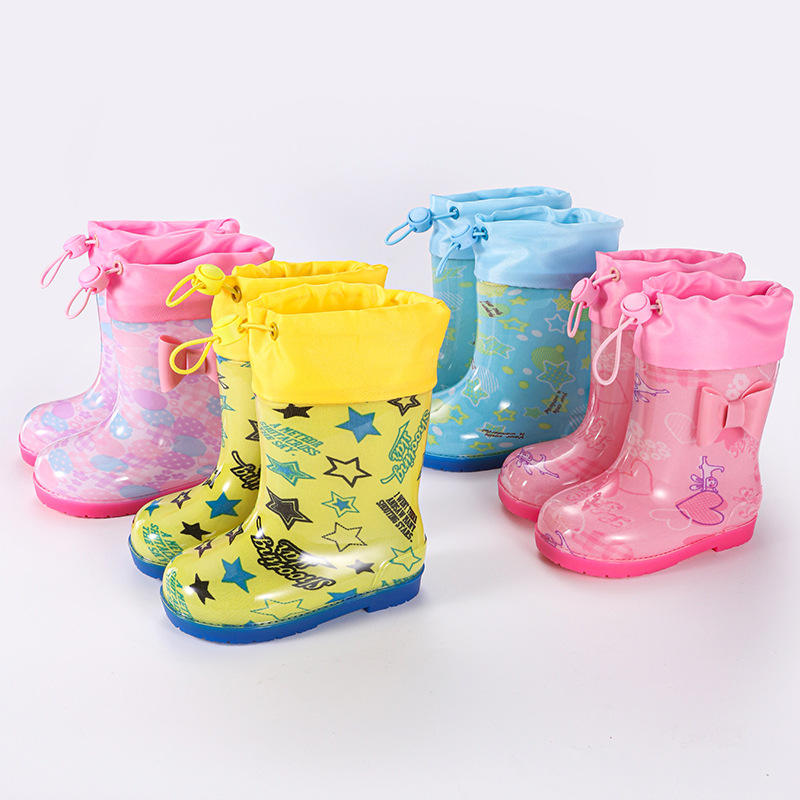
Meta Description: Working in waterlogged, muddy farm fields requires footwear that balances waterproofing, grip, and durability to reduce fatigue and injury risks. This guide covers key considerations for selecting the right boots, from material properties to industry standards, while offering practical maintenance tips for long-term use. Professional Rain Boot Manufacturer shares technical insights tailored to farming labor needs.
Keywords: Waterproof Farming Boots, agricultural work boots, rubber farm boots, boot maintenance, slip-resistant work boots, mud-proof footwear
1. Core Problem Analysis
1.1 Common Causes of the Problem
Farm workers often face issues with traditional footwear failing in soggy conditions, including water seepage through seams or flexible upper materials, poor outsole grip on wet mud or sloped surfaces, and lining that traps moisture leading to discomfort or minor skin irritation. Additional common complaints include rapid material cracking from frequent exposure to agricultural chemicals or UV light, and ill-fitting sizing that causes blisters during long working shifts.
1.2 Affected Usage Scenarios
These issues impact multiple farming activities, including rice paddy cultivation, vegetable harvesting in flood-prone fields, livestock feeding and waste management, pesticide and fertilizer application, and post-harvest processing. The conditions extend beyond farm fields to secondary tasks like washing produce or cleaning farm equipment, where consistent waterproof protection remains critical.
2. Product and Process Principle
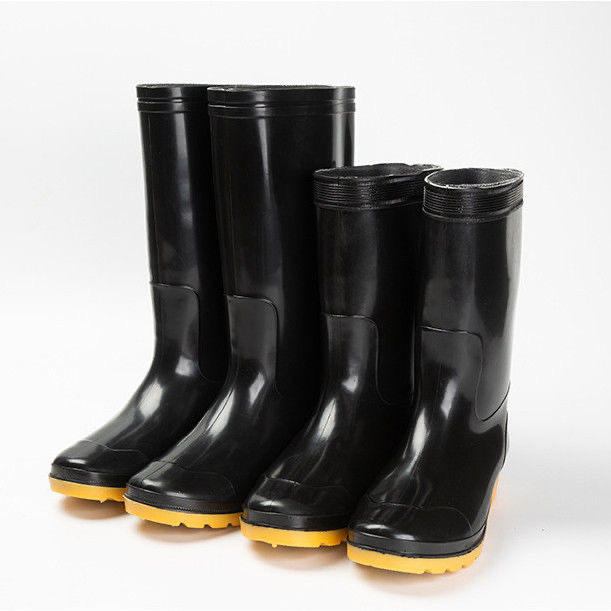
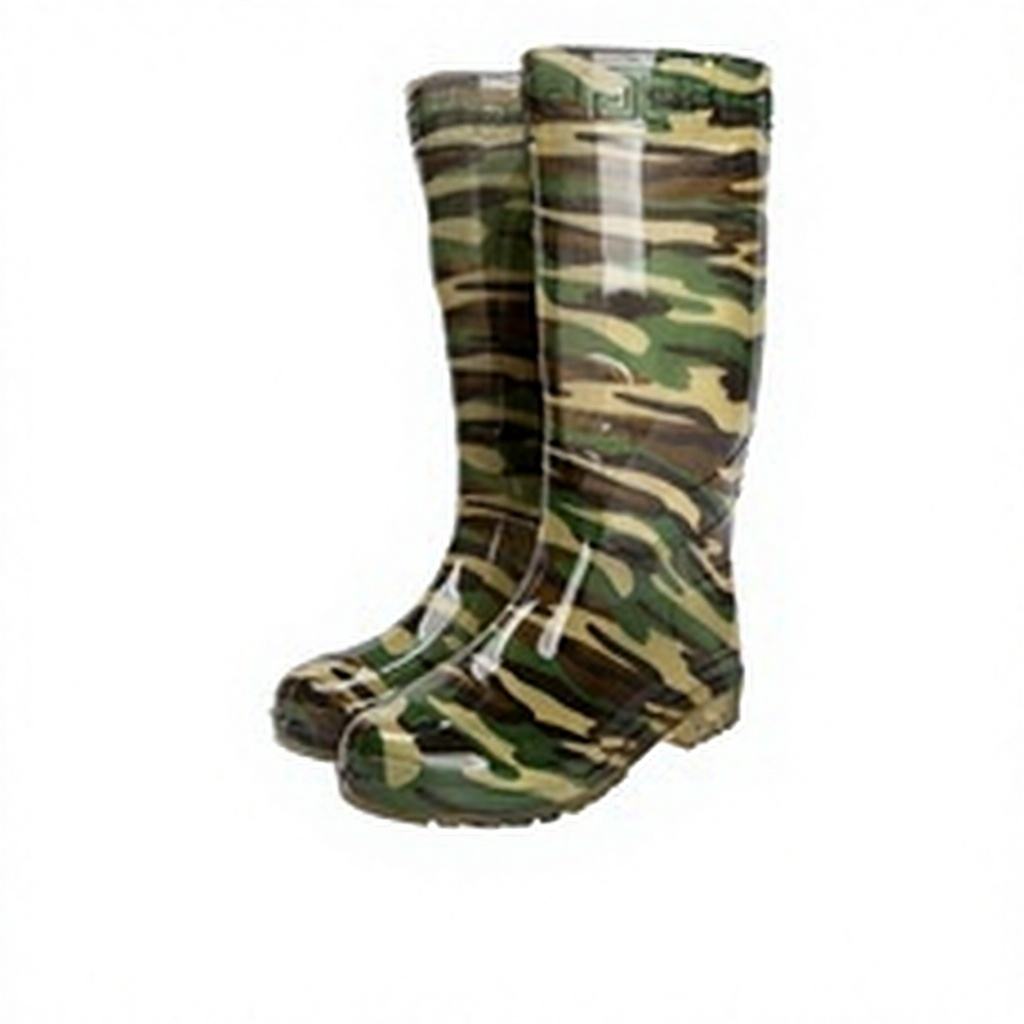
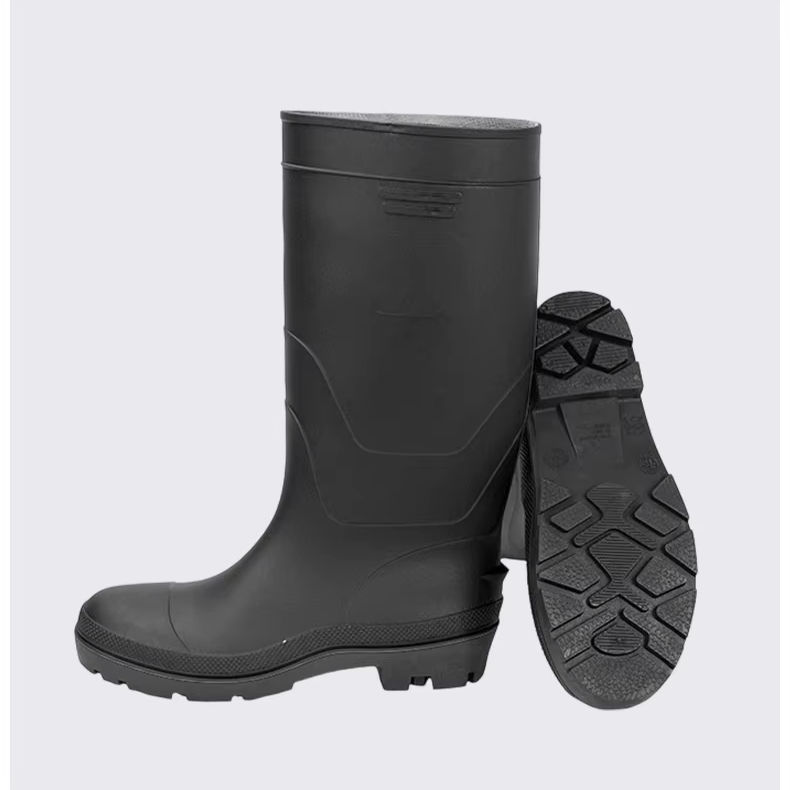
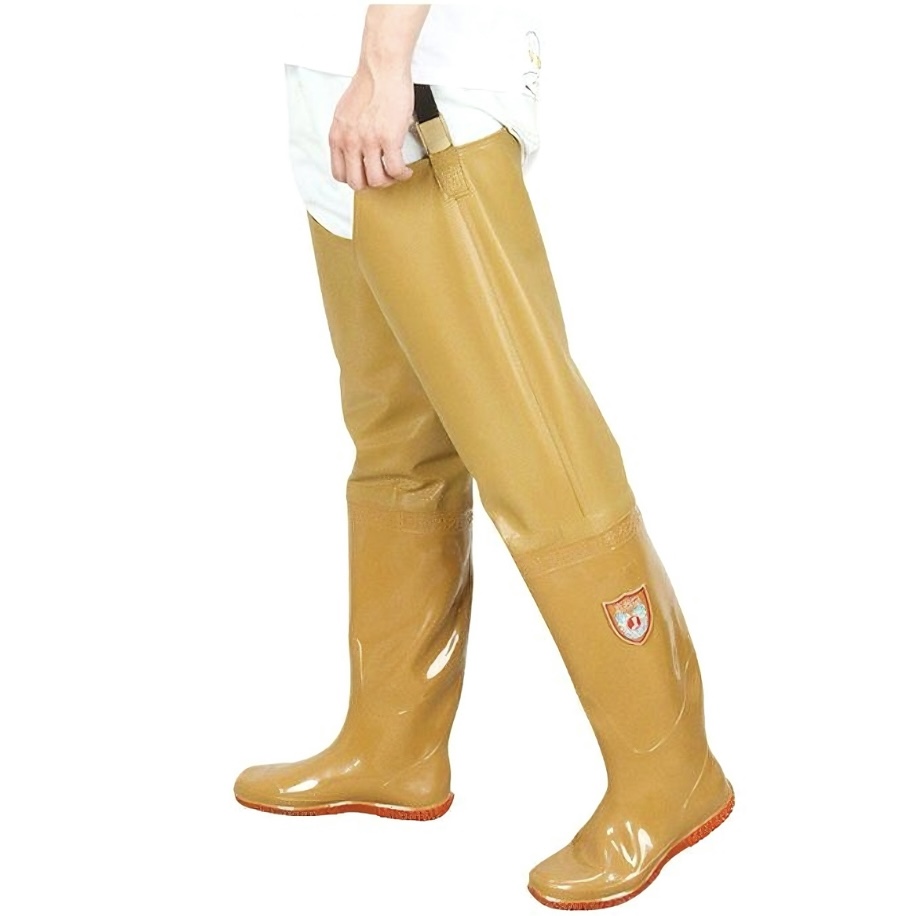
Waterproof farming boots rely on material science and precision construction to deliver performance for agricultural use. Common materials include natural rubber, which offers high flexibility and resistance to moderate abrasion, PVC for lower-cost options with consistent waterproofing, and EVA for lightweight insulative layers. Manufacturing processes include vulcanization for rubber models, which bonds material layers to prevent seam leaks, and injection molding for PVC boots to create seamless upper sections under controlled temperature and pressure conditions. Outsole design uses deep, spaced treads to clear mud and maintain grip on slippery soil, with thickness adjusted for field protection without limiting ankle mobility.
Professional Rain Boot Manufacturer notes that compound formulation plays a key role in boot lifespan, with blends calibrated to resist cracking from repeated bending and exposure to agricultural chemicals like diluted fertilizers and herbicides.
3. Practical Solutions and Operation Steps
Selecting appropriate waterproof farming boots requires matching specifications to specific farming tasks. The following actionable steps help users make informed choices without compromising on functionality.
- Measure foot size with agricultural socks worn during long shifts, ensuring 0.5 to 1 cm of space at the toe to accommodate swelling during all-day work
- Choose shaft height based on field conditions: 35 to 40 cm for shallow mud or paddy edge work, and 50 cm or higher for full wading in flooded fields
- Verify outsole slip resistance using relevant standards (detailed in Section 5) for use on wet, uneven surfaces
- Select lining material: moisture-wicking fabric for warm climates, or fleece insulation for work in cool, damp fields
- Avoid generic rain boots designed for urban commutes, as they often lack the reinforced outsoles and chemical resistance needed for farm work
4. Daily Maintenance and Precautions
Proper maintenance extends the lifespan of waterproof farming boots and preserves their performance. After each use, remove caked mud with a soft brush and rinse with cool water; avoid high-pressure washers, as they can damage sealant around seams. Air boots in a shaded, well-ventilated area, away from direct sunlight or heating elements that can cause material degradation or warping. For odor control, use a small amount of mild, unscented soap and allow full drying before storage. Do not use strong solvents, gasoline, or abrasive cleaners, as they can break down rubber or PVC compounds. Note that standard waterproof boots are not certified for safety tasks requiring impact or compression protection, and should not be used as substitute safety footwear for heavy farm equipment operation.
5. Industry Standard and Parameter Reference
Global standards provide a framework for evaluating the performance of waterproof farming boots, helping users select products that meet consistent criteria for agricultural work. The table below outlines key parameters and their relevant industry references.
ParameterRecommended ReferenceWhy It Matters
Slip resistanceEN ISO 20344:2021 / EN ISO 20347:2022+A1:2024 where applicableHelps evaluate outsole grip on wet or contaminated farm surfaces.
Occupational footwear requirementsISO 20347:2021 or EN ISO 20347:2022+A1:2024Supports non-safety waterproof boot selection for general farm use.
Shaft waterproof integrityISO 20345:2021 Annex A1 (adapted for non-safety boots)Tests seam and upper material resistance to water penetration under pressure.
Chemical resistance (moderate)EN 13832-1:2018 Category CCovers resistance to dilute fertilizers and common agricultural cleaning agents.
Verified performance claims should be supported by third-party test reports from accredited bodies like SGS or Intertek, rather than manufacturer-only assertions.
6. Customer Common FAQ
Q: How do I distinguish between waterproof farming boots and standard rain boots for farm use?
A: Standard rain boots often have lightweight outsoles designed for flat, smooth urban surfaces. Waterproof farming boots feature deeper, self-cleaning treads, reinforced upper materials, and chemical-resistant compounds suited for agricultural exposures, per ISO 20347:2021 criteria.
Q: Can I repair small leaks in waterproof farming boots myself?
A: Minor leaks at seams or small punctures can be repaired with rubber-specific adhesive designed for footwear, but large seam separations or structural damage should be assessed by a professional. Professional Rain Boot Manufacturer advises against DIY repairs that compromise waterproof integrity.
Q: Do waterproof farming boots work in freezing temperatures?
A: Some models use specialized insulative compounds to remain flexible in temperatures below 0°C, but standard rubber or PVC boots may stiffen and crack in extreme cold. Look for temperature-specific testing data per ISO 20344:2021 for cold-climate use.
Q: How often should I replace my waterproof farming boots?
A: Replacement frequency depends on usage intensity, with typical lifespans ranging from 1 to 3 years. Signs for replacement include persistent water penetration, cracked or brittle material, or tread wear that reduces slip resistance below relevant standard thresholds.
Conclusion
Waterproof farming boots are a critical investment for agricultural workers facing persistent wet and muddy field conditions, addressing core pain points like water seepage, poor grip, and rapid material degradation. By aligning boot specifications with task-specific needs, following maintenance best practices, and referencing established industry standards, users can select footwear that balances performance and longevity. Professional Rain Boot Manufacturer emphasizes that informed selection based on technical criteria ensures footwear supports safe, efficient farm work over extended periods.
References
- International Organization for Standardization. ISO 20344:2021, Footwear - Test methods for whole shoe, 2021
- European Committee for Standardization. EN ISO 20347:2022+A1:2024, Occupational footwear, 2024
- International Organization for Standardization. ISO 20347:2021, Occupational footwear - Requirements, 2021
- European Committee for Standardization. EN 13832-1:2018, Chemical protective footwear - Part 1: Classification, performance requirements and marking, 2018