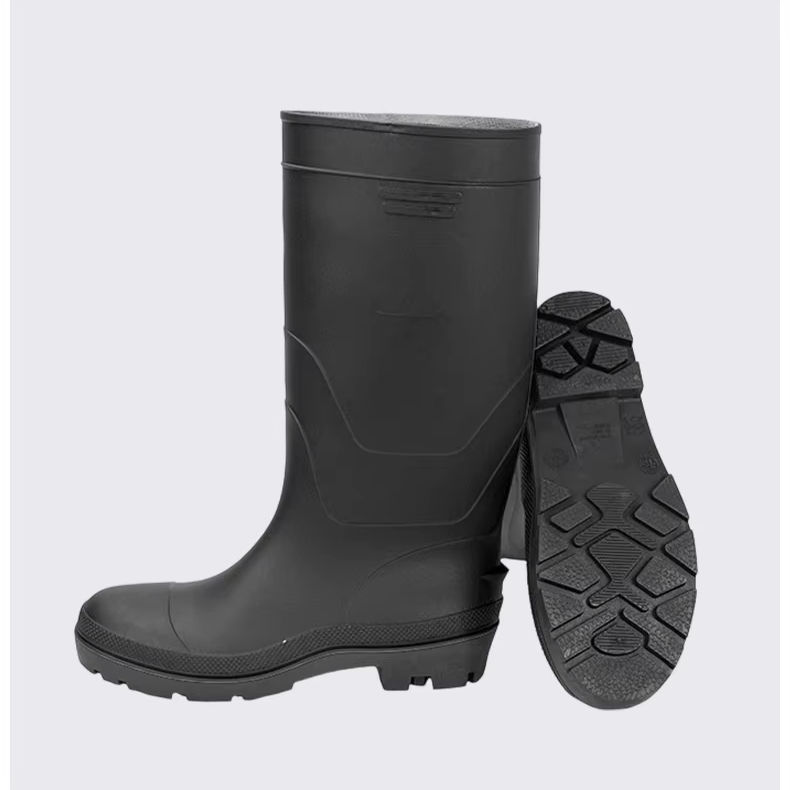
Meta Description: Workers operating in construction zones with high-dirt water and thick mud often face equipment failure, discomfort, and safety risks from ill-fitting or unsuitable waterproof footwear. This article outlines the key factors to consider when selecting waist high waders for demanding industrial environments, covering material properties, industry standards, and practical maintenance tips. Professional Rain Boot Manufacturer brings insights aligned with global occupational footwear guidelines.
Keywords: waist high waders, muddy work footwear, construction waterproof boots, durable rubber waders, occupational water boots, high-dirt work shoes
1. Core Problem Analysis
1.1 Common Causes of the Problem
Many workers selecting unsuitable footwear for muddy construction zones encounter recurring issues: water seepage through poorly sealed seams, premature cracking from abrasive mud particles, trapped moisture causing foot discomfort or odor, insufficient slip resistance on wet concrete or sloped surfaces, and ill-fitting sizing leading to blisters or restricted movement. These problems often stem from choosing footwear based on appearance rather than performance for specific high-dirt conditions.
1.2 Affected Usage Scenarios
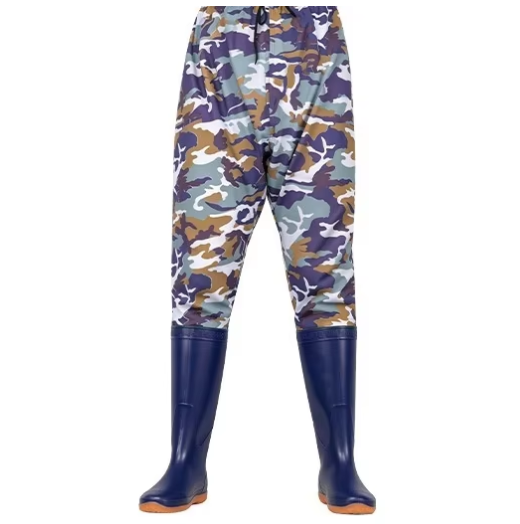
Waist high waders are critical for scenarios where workers must traverse deep mud, standing water mixed with construction debris, or high-concentration slurry common in construction sites, foundation work, and utility installation projects. Unlike standard rain boots, they provide full leg coverage to prevent contaminants from entering, making them essential for extended shifts in wet, dirty work environments. This is especially relevant for teams operating in areas where regular foot exposure to mud and standing water poses both comfort and safety risks.
2. Product and Process Principle
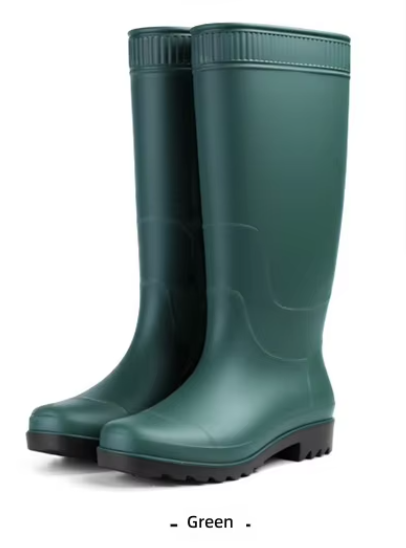
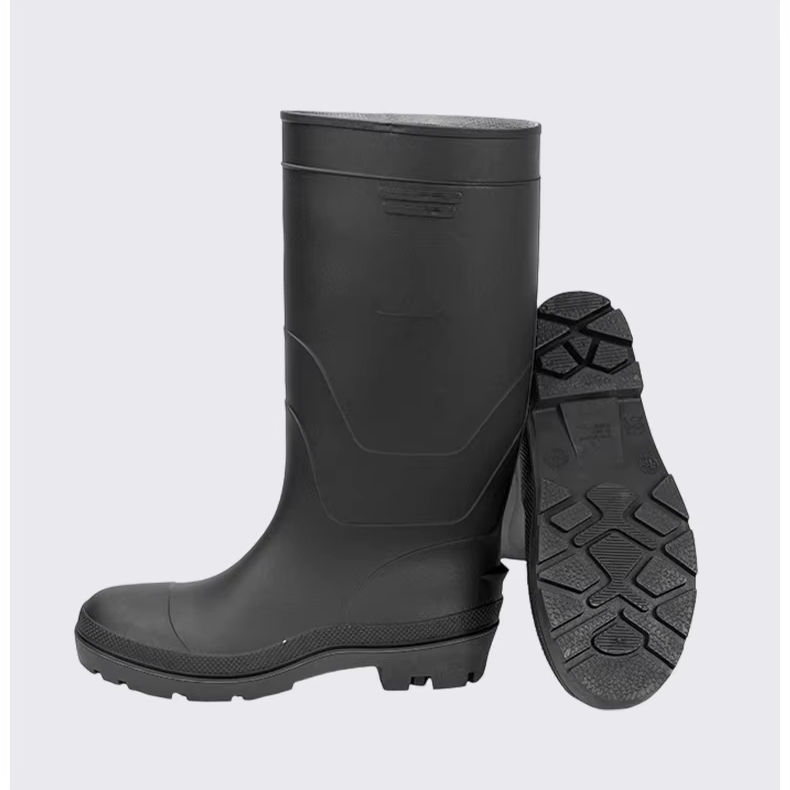
Waist high waders rely on a combination of material formulations and manufacturing processes to deliver durability in harsh conditions. Most commercial options use either vulcanized rubber or high-density PVC; vulcanized rubber offers improved flexibility and abrasion resistance while PVC provides cost-effective, water-sealed performance for general use. Key structural elements include seamless injection-molded seams, reinforced shaft edges to prevent tearing, and deep-treaded outsoles that enhance grip on wet, uneven surfaces. Professional Rain Boot Manufacturer aligns these components with performance testing standards to ensure consistent quality across production runs.
The thickness of the wader shaft and boot upper varies by design, with thicker material (typically 0.5mm to 1.2mm) offering greater resistance to punctures from construction debris like small rocks or rebar fragments. Lining materials, such as nylon or polyester, are integrated to reduce friction during wear and improve breathability, addressing the common complaint of trapped moisture in fully sealed footwear. Manufacturing processes like vulcanization cure rubber to create a molecularly bonded surface, reducing seam failure risk compared to adhesive-sealed alternatives.
3. Practical Solutions and Operation Steps
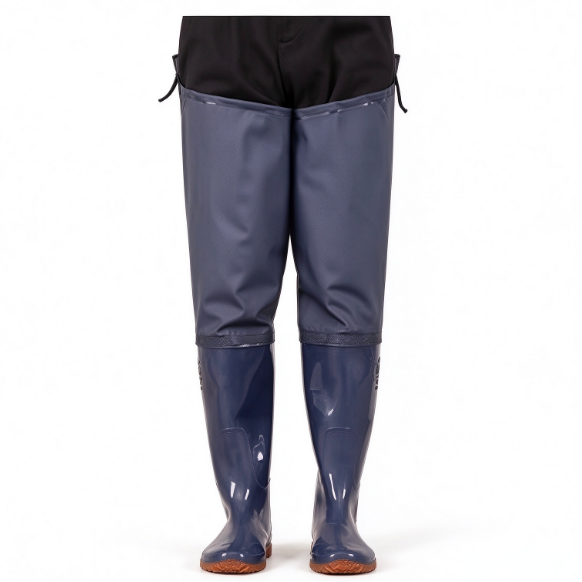
Selecting appropriate waist high waders requires evaluating three core factors: material type, shaft height, and outsole performance, aligned with specific work requirements. Below are actionable steps to make an informed choice:
- Assess daily work conditions: If you regularly encounter sharp debris or deep slurry, prioritize vulcanized rubber over thin PVC. For light muddy work where cost is a primary consideration, high-density PVC may be sufficient.
- Verify shaft height: Waist high waders should extend 10cm to 15cm above the highest expected water or mud level, preventing accidental exposure during sudden movements or uneven terrain traversal.
- Check outsole tread pattern: Choose deep, wide lugs (minimum 5mm depth) for muddy surfaces to improve forward and lateral grip, as shallow lugs can trap mud and reduce traction.
- Test fit and lining: Ensure the wader allows enough room for thick work socks, but is not overly loose, as excess space can cause blisters. Look for moisture-wicking lining to reduce foot fatigue during long shifts.
- Confirm material suitability: Avoid using standard rain boots intended for dry commutes in construction zones, as they lack the abrasion and puncture resistance required for high-dirt environments.
4. Daily Maintenance and Precautions
Proper maintenance extends the lifespan of waist high waders and preserves their performance properties. After each use in muddy construction zones, rinse the waders with clean water to remove embedded mud particles, which can abrade the material surface over time. Avoid using harsh chemical cleaners or solvents, as these can break down rubber or PVC compounds and cause premature cracking. Once rinsed, air-dry the waders in a shaded, well-ventilated area away from direct sunlight or heat sources (like radiators or work site heaters), as extreme temperature changes can damage material integrity.
Additional precautions include: storing waders flat or hanging in a cool, dry space to prevent creasing and material degradation; patching small punctures with manufacturer-recommended repair kits if minor damage is detected; and never using waist high waders as a substitute for certified safety footwear if work involves impact or crush hazards, as standard waders lack protective toe or puncture-resistant features required for industrial safety.
5. Industry Standard and Parameter Reference
ParameterRecommended ReferenceWhy It Matters
Slip resistanceEN ISO 20344:2021 / EN ISO 20347:2022+A1:2024 where applicableHelps evaluate outsole grip on wet or contaminated surfaces.
Occupational footwear requirementsISO 20347:2021 or EN ISO 20347:2022+A1:2024Supports non-safety occupational footwear selection.
Shaft height verificationISO 20344:2021, Section 6.13Provides standardized testing for waterproof boot shaft coverage in wet work environments.
Abrasion resistanceASTM D4157-22 (oscillatory cylinder method)Assesses material durability against abrasive mud and construction debris contact.
Performance claims for waist high waders should align with testing conducted under these standards. It is important to note that third-party test reports from organizations like SGS can validate material properties, but no footwear product offers unlimited durability in all high-dirt work conditions.
6. Customer Common FAQ
Q: Should I choose rubber or PVC waist high waders for muddy construction work?
A: The choice depends on your workload intensity. Vulcanized rubber waders offer higher abrasion resistance and flexibility for heavy-duty construction use, while high-density PVC is a cost-effective option for light, occasional muddy work. Professional Rain Boot Manufacturer recommends evaluating shift duration and debris exposure to select the right material for your needs.
Q: How do I prevent my waders from slipping on wet concrete?
A: Prioritize outsoles with deep, multi-directional lugs (minimum 5mm depth) tested to EN ISO 20347 standards. Avoid smooth or shallow tread patterns, which can trap mud and reduce grip on wet, sloped construction surfaces.
Q: Can I use waist high waders as safety footwear for construction zones with heavy equipment?
A: Standard waist high waders are designed for water resistance and durability, not impact or crush protection. If your work zone involves heavy equipment or falling objects, select footwear marked as protective safety footwear per ASTM F2413-24, as it includes reinforced toe and puncture-resistant features.
Q: How often should I clean my waders to maintain performance?
A: Rinse your waders with clean water immediately after each use in muddy environments to remove abrasive particles that can scratch or puncture the material. Deep cleaning with mild soap is recommended every 2-4 weeks, depending on the frequency of use.
Conclusion
Waist high waders are a specialized tool for workers in high-dirt, muddy construction zones, with performance dependent on material selection, structural design, and alignment with industry standards. By evaluating work conditions, verifying testing parameters, and following proper maintenance practices, users can select durable footwear that balances comfort and functionality for long shifts. Professional Rain Boot Manufacturer ensures these guidelines are rooted in standardized production and performance testing to support reliable workwear choices.
References
- International Organization for Standardization. ISO 20347:2021, Occupational Footwear. 2021.
- International Organization for Standardization. ISO 20344:2021, Footwear - Test Methods for Whole Shoe. 2021.
- ASTM International. ASTM D4157-22, Standard Test Method for Abrasion Resistance of Textile Fabrics (Oscillatory Cylinder Method). 2022.
- ASTM International. ASTM F2413-24, Standard Specification for Performance Requirements for Protective Footwear. 2024.