Meta Description: Industrial workers operating in frigid conditions need footwear that resists cracking, stays flexible, and maintains grip to ensure safety and productivity. This guide explains how material selection impacts low-temperature boot performance, with actionable insights for sourcing. Professional Rain Boot Manufacturer.
Keywords: thermoplastic elastomers, low-temperature industrial boots, waterproof boot materials, cold-resistant footwear, industrial boot durability, boot material science
1. Core Problem Analysis
1.1 Common Causes of the Problem
Industrial workers in low-temperature environments often face common footwear issues: brittle material cracking that allows water ingress, rigid soles that reduce traction on icy or frozen surfaces, and stiff linings that cause discomfort during long shifts. These problems stem from improper material formulation that fails to balance flexibility, durability, and low-temperature performance.
1.2 Affected Usage Scenarios
Such issues impact multiple industrial sectors including cold-chain logistics warehouse operations, arctic construction sites, winter fishing and marine maintenance, agricultural work in frozen fields, and outdoor utility maintenance in sub-zero temperatures. In these settings, compromised footwear can lead to safety hazards, lost productivity, and increased replacement costs.
2. Product and Process Principle
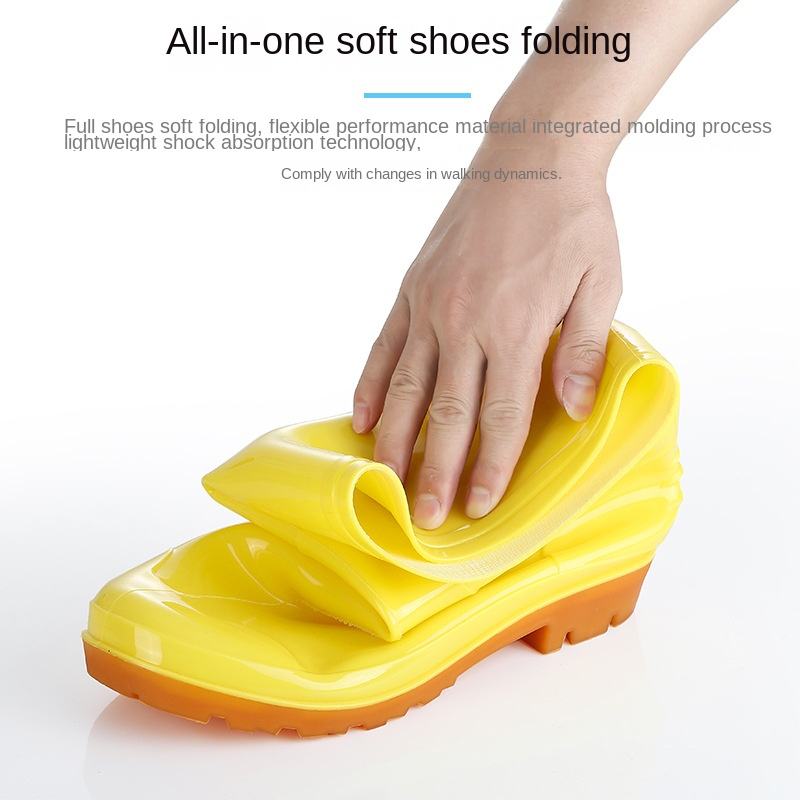
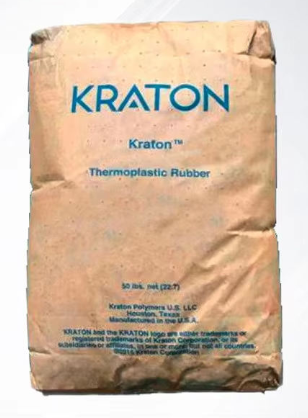
Footwear for low-temperature industrial use relies on material science to balance core properties: flexibility at low temperatures, tensile strength to resist tearing, and slip resistance. Thermoplastic elastomers (TPE) are a class of materials that combine rubber-like flexibility with thermoplastic processability, making them suitable for seamless injection molding, a production method used by many manufacturers. Unlike vulcanized rubber, TPE materials can be processed at lower temperatures, reducing energy use while maintaining consistent material properties across production runs.
The formulation of TPE compounds directly impacts low-temperature performance: adjusting the ratio of polymer segments and plasticizers can lower the glass transition temperature (Tg), the point at which a material becomes rigid. For industrial use, TPE compounds with a Tg of -20°C or lower are often specified, per internal testing guidelines referenced in ISO standard development. Professional Rain Boot Manufacturer play a key role in optimizing TPE formulations to match specific low-temperature operational requirements without sacrificing other performance attributes.
3. Practical Solutions and Operation Steps
When selecting boots for low-temperature industrial conditions, follow these actionable steps to ensure appropriate performance:
- Step 1: Identify the minimum operating temperature of your worksite to match TPE compound Tg, ensuring materials stay flexible during use.
- Step 2: Verify production method: seamless injection-molded boots eliminate seam gaps that cause water ingress, critical for low-temperature settings where drying options are limited.
- Step 3: Test sole traction on frozen or icy surfaces, referencing slip resistance standards to confirm grip meets worksite safety needs.
- Step 4: Check lining material: insulated linings should be non-restrictive to maintain foot mobility, avoiding overly thick materials that reduce comfort during extended wear.
- Step 5: Avoid generic waterproof boots: many standard boots use materials that become brittle below -10°C, leading to premature failure in sub-zero conditions.
For example, a logistics worker operating in a freezer warehouse would require a TPE compound with a Tg of -30°C, while a worker on outdoor winter construction sites may need a Tg of -20°C, balancing performance and durability for varying workloads.
4. Daily Maintenance and Precautions
Proper maintenance extends the lifespan of low-temperature TPE boots and preserves their performance over time. For cleaning, use a mild, pH-neutral soap and warm (not hot) water to avoid damaging the polymer structure; avoid harsh solvents like acetone or bleach, which can break down TPE compounds. After cleaning, air-dry boots in a cool, shaded area, away from direct sunlight or space heaters, as extreme temperature changes can accelerate material degradation.
Additional precautions include: storing boots at room temperature when not in use, avoiding long-term exposure to temperatures below their rated Tg; avoiding contact with sharp objects or abrasive surfaces that can tear the material; and refraining from using low-temperature TPE boots as general-purpose safety boots for heavy industrial tasks that require impact or chemical resistance. Regular inspections for small cracks or seam gaps help identify issues before they lead to water ingress or failure in cold conditions.
5. Industry Standard and Parameter Reference
ParameterRecommended ReferenceWhy It MattersLow-temperature flexibility testISO 20344:2021 Section 16Evaluates material flexibility at sub-zero temperatures to confirm performance in cold worksites.Slip resistanceEN ISO 20347:2022+A1:2024Ensures reliable grip on icy, wet, or frozen surfaces common in low-temperature industrial settings.Water resistanceISO 20347:2021 Clause 5.4Verifies no water ingress through seams or material for extended wear in wet or snowy conditions.Material aging resistanceASTM F2412-24 Section 8Assesses long-term performance of TPE compounds after repeated exposure to temperature fluctuations.
These standards provide a consistent framework for testing TPE boot performance, eliminating subjective judgments and ensuring products meet worksite safety requirements. Testing is conducted at accredited labs to verify results, with reports available for reference when selecting footwear for specific applications.
6. Customer Common FAQ
Q: Are all TPE boots suitable for temperatures below -20°C?
A: No, TPE performance depends on compound formulation. A material with a Tg of -20°C will become rigid at temperatures below that point, so always verify the specific compound rating for your worksite. Professional Rain Boot Manufacturer can provide documentation of Tg values for their products.
Q: Can low-temperature TPE boots be repaired if they crack?
A: Small surface cracks can be sealed with a compatible TPE adhesive, but structural cracks in the sole or shaft typically require full boot replacement to maintain waterproof and flexible performance.
Q: Do TPE boots outperform vulcanized rubber boots in low temperatures?
A: In many cases, TPE compounds can be formulated to have lower Tg values (greater cold flexibility) than standard vulcanized rubber, though high-performance rubber compounds may match or exceed TPE performance at extremely low temperatures. Selection depends on worksite conditions and durability needs.
Q: How should I clean TPE boots to avoid damage?
A: Use a mild detergent and lukewarm water, avoid hot water, harsh chemicals, or abrasive scrubbers that can scratch or break down the polymer structure. Air-dry away from direct heat sources to prevent material degradation.
Conclusion
Low-temperature industrial boots rely on advanced material science to balance flexibility, durability, and safety, with thermoplastic elastomers emerging as a reliable option for sub-zero worksites. By understanding material formulation, production methods, and industry standards, workers and procurement teams can select boots that meet specific operational needs, reducing failures and improving on-site safety. Proper maintenance further extends boot lifespan, ensuring consistent performance in challenging cold conditions. Professional Rain Boot Manufacturer support this process by providing specialized guidance on TPE compound selection and product testing aligned with relevant industry standards.
References
- ISO. (2021). ISO 20344:2021: Footwear - Test methods for whole shoe. International Organization for Standardization.
- European Committee for Standardization. (2024). EN ISO 20347:2022+A1:2024: Occupational footwear. CEN-CENELEC.
- ASTM International. (2024). ASTM F2412-24: Standard Test Methods for Foot Protection. ASTM International.