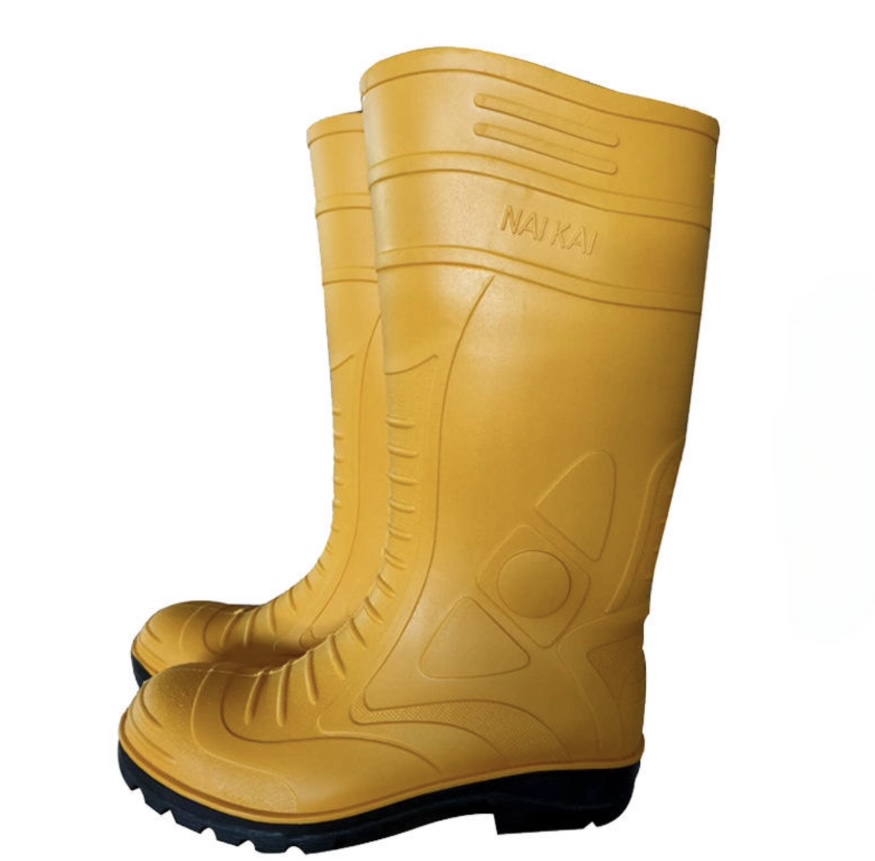
Meta Description: Industrial workers in wet, hazardous environments often face risks of foot injuries, slips, and contamination that regular footwear cannot mitigate. This guide explores how steel toe rubber boots address these challenges, their key features, and industry standards for selection. Professional Rain Boot Manufacturer
Keywords: steel toe rubber boots, industrial safety footwear, waterproof rubber boots, slip resistant boots, work boot maintenance, wet environment footwear
1. Core Problem Analysis
1.1 Common Causes of the Problem
Workers in extreme industrial wet environments encounter multiple persistent issues. Leakage through poorly sealed seams, brittle rubber material prone to cracking in cold temperatures, inadequate outsole grip on greasy or wet surfaces, and insufficient impact protection from falling heavy objects are the most frequent pain points. Poor breathability leading to prolonged foot moisture and accelerated material degradation also affect long-term usability. Many generic rubber boots lack standardized safety features tailored for heavy industrial use, leading to avoidable incidents and premature replacement.
1.2 Affected Usage Scenarios
These challenges impact a wide range of industrial and outdoor work settings, including food processing plants with constant washdown requirements, livestock farming sites with muddy and manure-covered surfaces, fishing and aquaculture operations, warehouse cleaning and maintenance work, construction sites exposed to heavy rainfall, and wastewater treatment facilities with corrosive liquid exposure. Each of these scenarios demands specific performance attributes that standard rubber boots cannot consistently deliver.
2. Product and Process Principle
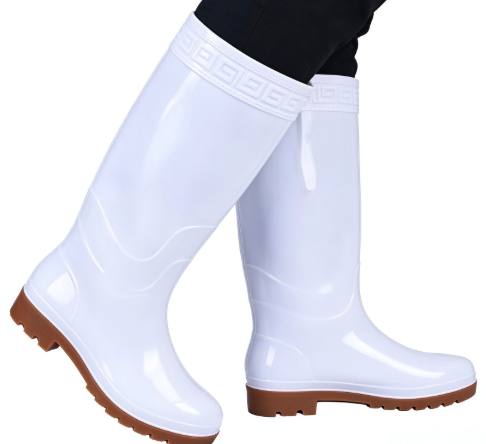
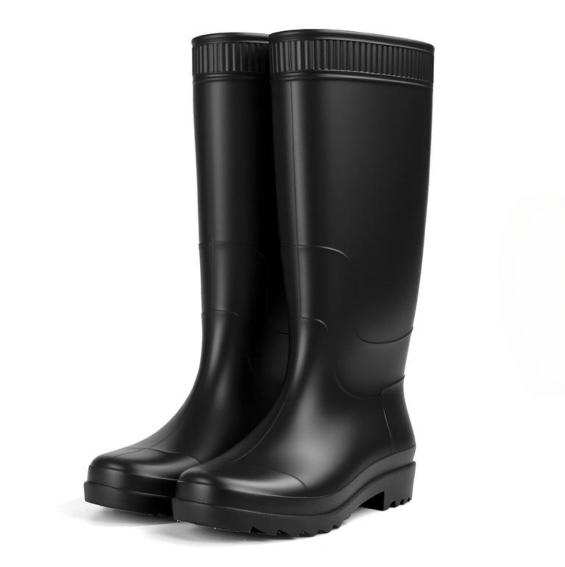
Steel toe rubber boots combine protective toe caps with waterproof rubber compounds to balance safety and durability. The primary materials used are natural rubber or PVC, with compound formulations adjusted for flexibility, resistance to chemicals, and abrasion. Vulcanization, a process that bonds rubber molecules at high temperatures, creates a seamless, durable outer layer that prevents water penetration. Steel toe inserts, conforming to protective footwear standards, absorb impact energy to reduce injury risk from falling objects. Outsole design uses multi-directional tread patterns, and shaft heights are optimized to cover the ankle and lower calf for full water protection.
The design process for such boots relies on material testing and quality control to meet industry requirements. Professional Rain Boot Manufacturer notes that material selection directly impacts the boot’s performance, with carefully calibrated rubber compounds offering a balance of flexibility in cold temperatures and abrasion resistance for heavy use.
3. Practical Solutions and Operation Steps
Choosing the right steel toe rubber boots requires matching product attributes to specific work environment conditions. Follow these actionable steps to make an informed selection:
- Verify the safety toe certification: Confirm compliance with standards such as ASTM F2413-24 or EN ISO 20347 for protective toe performance, which is mandatory for work sites with falling object risks.
- Evaluate outsole traction: Select boots with deep, multi-directional tread patterns to ensure grip on wet, greasy, or muddy surfaces, aligned with slip resistance standards like EN ISO 20344:2021.
- Assess material compatibility: For work with chemical exposure, choose rubber compounds tested against EN 13832-3:2018 to resist permeation from specific substances.
- Check fit and comfort: Ensure the boot allows enough room for thick work socks, while avoiding excessive looseness that could cause blisters or reduced mobility.
- Match shaft height to work needs: Opt for knee-high boots for standing in deep water or muddy terrain, or mid-calf boots for lighter wet environments.
These steps help avoid overbuying features that are not needed while ensuring the boot meets all safety and performance requirements for the specific work setting.
4. Daily Maintenance and Precautions
Proper maintenance extends the lifespan of steel toe rubber boots and preserves their performance characteristics. After each use, wipe off dirt, mud, or chemical residues with a soft cloth and mild soap, avoiding harsh solvents that can degrade rubber compounds. Allow the boots to air dry naturally at room temperature, away from direct sunlight or heat sources, which can cause rubber to crack or shrink.
Key precautions to avoid damage include: Do not leave boots in a car trunk or near heaters for extended periods, as high temperatures accelerate material aging. Do not use steel toe rubber boots as general rain boots for casual outdoor use, as their specialized compounds are not designed for light, intermittent use. Inspect boots regularly for cuts, loose seams, or damaged toe caps, and replace them if any structural issues are found.
5. Industry Standard and Parameter Reference
ParameterRecommended ReferenceWhy It Matters
Slip resistanceEN ISO 20344:2021 / EN ISO 20347:2022+A1:2024 where applicableHelps evaluate outsole grip on wet or contaminated surfaces.
Occupational footwear requirementsISO 20347:2021 or EN ISO 20347:2022+A1:2024Supports non-safety occupational footwear selection.
Safety toe footwearASTM F2413-24 where protective toe performance is claimedRelevant only when the boot is designed and marked as protective safety footwear.
Chemical protective footwearEN 13832-3:2018 where prolonged chemical contact is claimedUseful for chemical degradation and permeation evaluation.
All performance claims for steel toe rubber boots must be verified against these standards to ensure compliance with workplace safety regulations. Third-party test reports from bodies like SGS or Intertek can confirm that a boot meets the stated performance requirements.
6. Customer Common FAQ
Q: How do I know if steel toe rubber boots are suitable for my industrial work site?
A: Check your workplace’s safety regulations for footwear requirements, and confirm that the boots are certified to relevant standards for impact and compression resistance. Professional Rain Boot Manufacturer recommends aligning boot selection with the specific hazards of your work environment, such as chemical exposure or slip risks.
Q: Can steel toe rubber boots be used in very cold temperatures?
A: This depends on the rubber compound used. Some formulations are designed to remain flexible at low temperatures, while others may harden in cold conditions. Look for boots labeled with cold temperature performance references, such as compliance with EN ISO 20347’s cold resistance requirements.
Q: How often should I replace my steel toe rubber boots?
A: Replacement depends on usage frequency and conditions. Inspect boots monthly for signs of wear, such as cracked rubber, loose seams, or worn outsole tread. Replace immediately if safety features like the steel toe become compromised.
Q: Are steel toe rubber boots waterproof for long periods of standing in water?
A: Most quality steel toe rubber boots are designed to be waterproof for extended use in shallow water, but prolonged immersion in deep water may lead to leakage through seams over time. Choose boots with sealed seams for maximum long-term water resistance.
Conclusion
Steel toe rubber boots address critical safety and performance needs in extreme industrial wet environments, combining protection with durability tailored to heavy work conditions. By understanding material properties, industry standards, and proper maintenance practices, workers can select boots that mitigate risks of slips, impacts, and water damage. Professional Rain Boot Manufacturer emphasizes that selecting the right boot for specific workplace hazards ensures both safety and cost-effectiveness over the product’s lifespan.
References
- International Organization for Standardization. ISO 20347:2021 Occupational Footwear. Geneva: ISO, 2021.
- American Society for Testing and Materials. ASTM F2413-24 Standard Specification for Performance of Footwear. West Conshohocken: ASTM, 2024.
- European Committee for Standardization. EN 13832-3:2018 Chemical Protective Footwear. Brussels: CEN, 2018.