
Rubber Toughening Materials: How to Choose the Right Material for Polymer Modification?
More rubber does not always mean a tougher part. The wrong material can hurt flow, stiffness and cost, and you may only find out after molding.
To choose rubber toughening materials, start with the polymer matrix and the performance problem. Then compare compatibility, impact gain, flexibility, particle size, processing behavior and long-term stability. Confirm the choice with small trials.
I have seen many projects start with a product name and end with a failed trial. I prefer a different order. Here is how I work through the choice, step by step.
What are Rubber Toughening Materials Used for?
Rigid polymers hold their shape but crack under a sudden hit. Scrap and complaints follow.
Rubber toughening materials help rigid polymers absorb impact and resist brittle failure. Manufacturers use them in pipes, profiles, housings and gaskets. But different materials solve different formulation problems.
One Goal, Several Problems
I covered the mechanism in my post on the nitrile rubber toughening agent, so I will not repeat it here. The word "toughening" hides several jobs. A PVC profile may need cold impact strength. A cable jacket may need flexibility. A part near fuel may need oil resistance. A clear sheet may need clarity. One rubber cannot do all four. Customers often ask me, "Which one is toughest?" My first question is different: "What failed?" A review of structured rubber particles explains that impact toughness depends mainly on the rubber phase and on how well the rubber bonds to the matrix. Bonding decides the result, not the label on the bag. At Yudahang, we start every conversation there.
What Types of Rubber Toughening Materials are Available?
The market lists many modifiers. Their names look alike, but their jobs differ.
Common types include nitrile rubber-based materials, polybutadiene-based materials such as MBS and ABS-type grafts, and other modifiers such as CPE, acrylic core-shell polymers and functionalized ethylene polymers. Each suits different matrices.
Nitrile Rubber-Based Materials
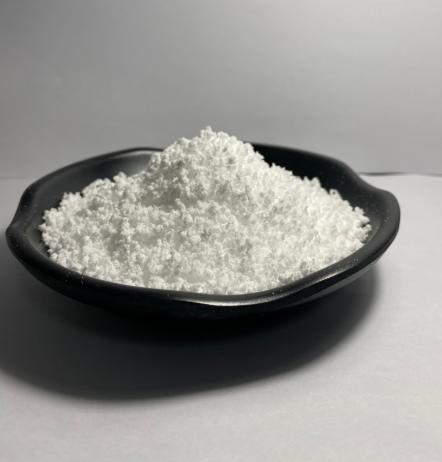
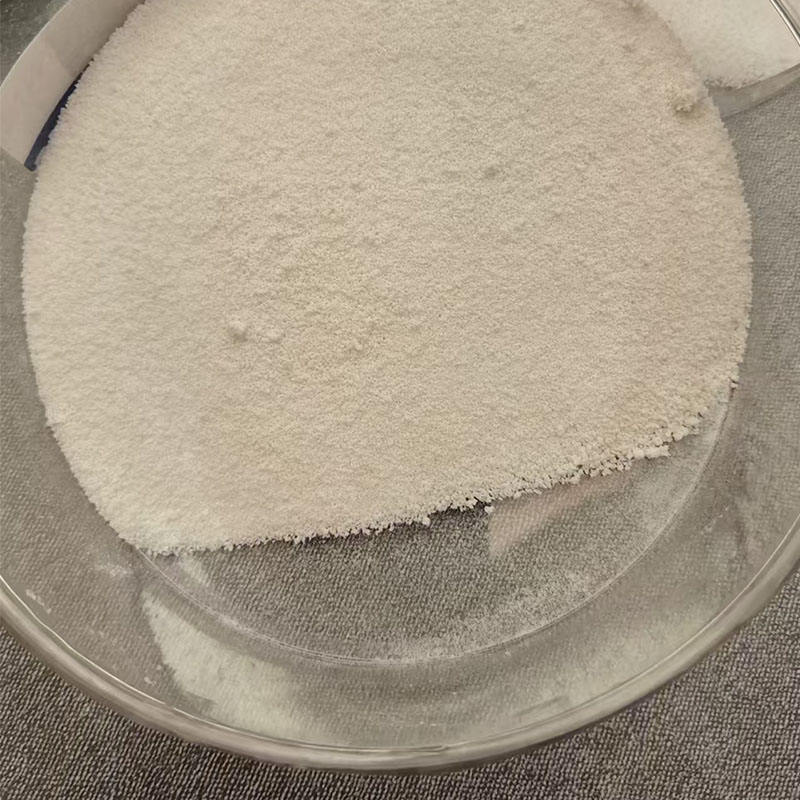
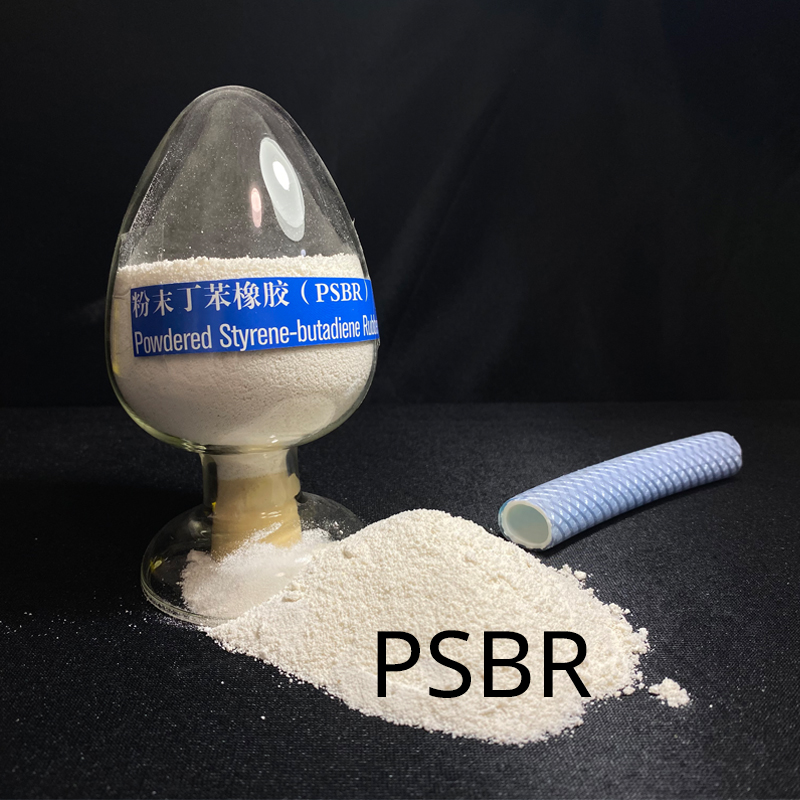
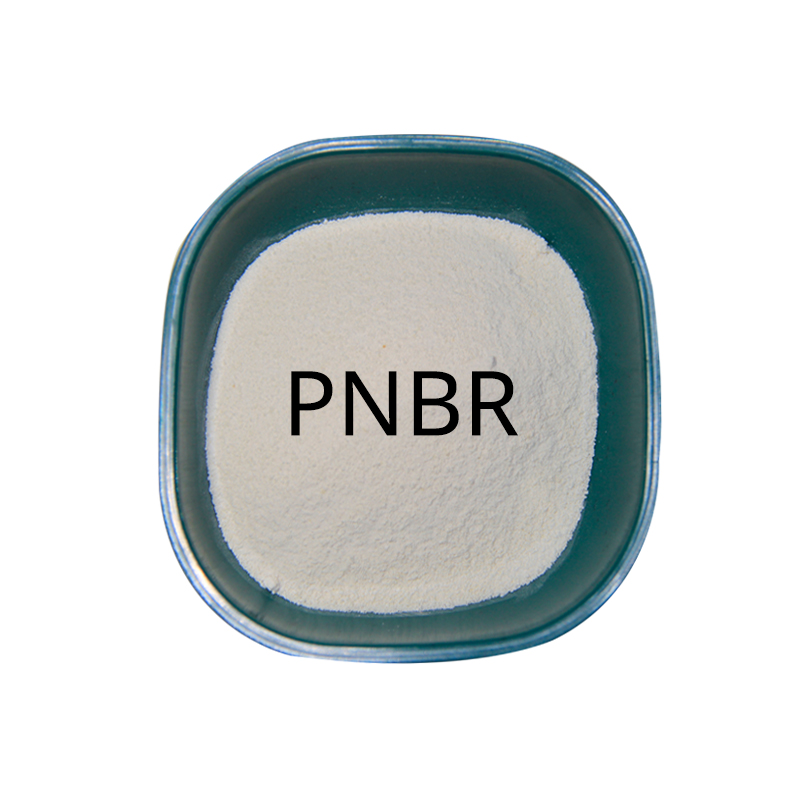
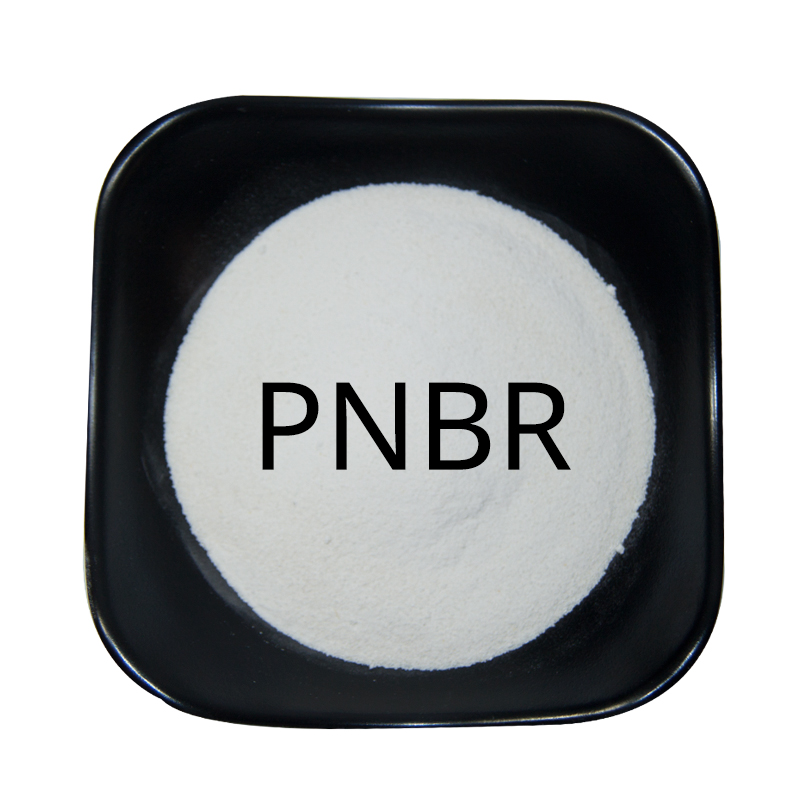
These bring oil resistance, polarity and flexibility. They also come in powder form, which helps in dosing and blending. I like them for flexible, oil-exposed parts, where a stiff modifier would work against the design. PNBR belongs to this group.
Polybutadiene-Based Materials
These are the classic impact modifiers. They form a rubber phase inside the matrix, and grafting decides how well they bond. ABS is the best-known example, and I explained its rubber phase in my second post. For rigid PVC, a patent on hybrid impact modifiers names MBS, ABS, acrylic core/shell polymers and CPE as the standard choices.
Other Rubber-Based Materials
Some matrices need extra help. In polyamide, a rubber toughened blend patent pairs the elastomer with a functionalized ethylene polymer that carries an unsaturated acid or anhydride. I list these side by side so customers see the full field before they pick. PNBR is not the only option.
How Should Manufacturers Compare Rubber Toughening Materials?
Data sheets show impact numbers. They rarely show how a material acts in your mixer.
Compare every candidate on the same factors: polymer compatibility, impact performance, flexibility, oil resistance, particle size, processing behavior, loading level and long-term stability. Rank them against your product needs, not a general scale.
Use One Checklist
| Factor | Why It Matters |
|---|---|
| Polymer compatibility | Decides how well the rubber phase integrates |
| Impact performance | Decides the toughness gain |
| Flexibility | Affects the final material balance |
| Oil resistance | Matters in certain service conditions |
| Particle size | Influences dispersion |
| Processing behavior | Affects mixing and production |
| Loading level | Changes the balance of toughness and stiffness |
| Long-term stability | Affects service life |
Watch Processing Behavior
Many buyers miss this factor. A study of MBS, CPE and nano-NBR in PVC found that MBS raised melt torque clearly, while CPE and nano-NBR barely changed it. More impact gain can mean more load on the machine. Trade-offs also appear in use. A patent on transparent acrylic modifiers notes that MBS has a weather resistance problem and that CPE cannot serve transparent PVC products. I never rank on impact alone. I also ask what the part will meet after it leaves the plant. Sunlight, fuel, cold storage and rough handling all change the answer. A modifier that wins in the lab can lose in the field. So I write the real service conditions next to the checklist before I compare anything.
Where does PNBR Fit Among Rubber Toughening Materials?
PNBR draws attention fast. It does not fit every matrix.
PNBR fits formulations that need the polarity, flexibility and oil resistance of nitrile rubber, mainly in plasticized PVC, and that gain from powder handling. It is one option, not a universal answer.
Where It Works Well
Apcotex lists powdered NBR for composites, jointing sheets and the modification of plasticized PVC. That matches what I see. Polarity helps in PVC, and the powder meters and blends without any cutting or weighing of bale rubber. I wrote about dosing, blending and automation in my post on NBR synthetic rubber powder. In short, PNBR gives a different handling and mixing route than bales. For plants with automatic dosing, that route can save labor and keep batches even.
Where I Stay Careful
Nitrile rubber has a butadiene backbone, so heat, oxygen and light can age it. I think twice about outdoor parts and clear products. A non-polar matrix is another warning sign. In these cases, I compare PNBR with other types before I suggest it. At Yudahang, we would rather say "not this one" than lose a customer's trust in the second trial.
How Should a Rubber Toughening Material be Selected?
Skip a step and you pay later. A bad pick shows up in the second trial, or in year two.
Define the matrix, name the problem, check compatibility, compare processing, review particle size and dispersion, run small trials, then test long-term performance. Follow this order to avoid most costly mistakes.
My Seven-Step Order
- Define the polymer matrix, because every later choice depends on it.
- Identify the performance problem, such as cold impact or flexibility.
- Check compatibility between the rubber and the matrix.
- Compare processing behavior in your own equipment.
- Evaluate particle size and dispersion in the molded part.
- Run small-scale trials before any large order.
- Test long-term performance under real heat, fluids and load.
Why Trials Beat Data Sheets
Practical processing experience matters as much as lab data. I want to see how a material behaves during compounding and how that carries into the finished part. At Yudahang, we start with the customer's process and service conditions, then talk about grades. That order gives steadier results. I also ask customers to keep notes on mixing time, melt behavior and part appearance during each trial. These small records often explain a result better than a single impact number. They also make the next trial faster, because nobody repeats a test that already failed.
Conclusion
The best rubber toughening material is the one that fits your polymer, process and product. Compare with one checklist, test small batches, and judge by long-term results.
References
"Advances in Toughened Polymer Materials by Structured Rubber Particles." Progress in Polymer Science, ScienceDirect.
U.S. Patent 8,378,013. "Hybrid Impact Modifiers and Method for Preparing the Same." USPTO.
U.S. Patent 6,303,688. "Rubber Toughened Blends." USPTO.
"The Effects of Impact Modifiers (MBS, CPE and Nano-Scaled NBR) on the Processability of PVC." BATAN journal, jurnal.batan.go.id.
Patent CN101190992A. "Transparent Acrylic Ester Impact-Resisting Modifier for PVC." Eureka, PatSnap.
Apcotex Industries. "Powdered NBR (PNBR) — Synthetic Rubber Products." Apcotex.