
PSBR Synthetic Rubber Powder: A Practical Buyer's Guide
You need powdered SBR for your production line. You search online. You find ten suppliers and twenty grades. None of them tell you which one fits your process.
There is no single "best" PSBR Synthetic Rubber Powder. The right grade depends on your processing method, your application, and your supply needs. A good choice fits your production line by matching particle size, purity, and dispersion behaviour, not just a general ranking.
Let's walk through it step by step — how this material is made, when to use it, where it comes from, and whether you can recycle it.
How is Powdered Styrene-Butadiene Rubber Made?
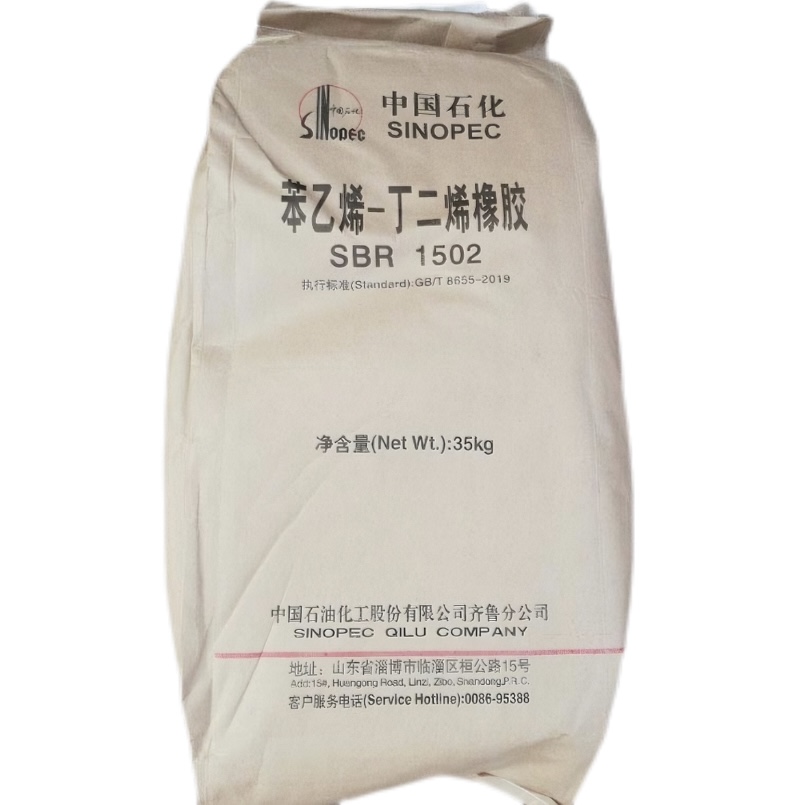
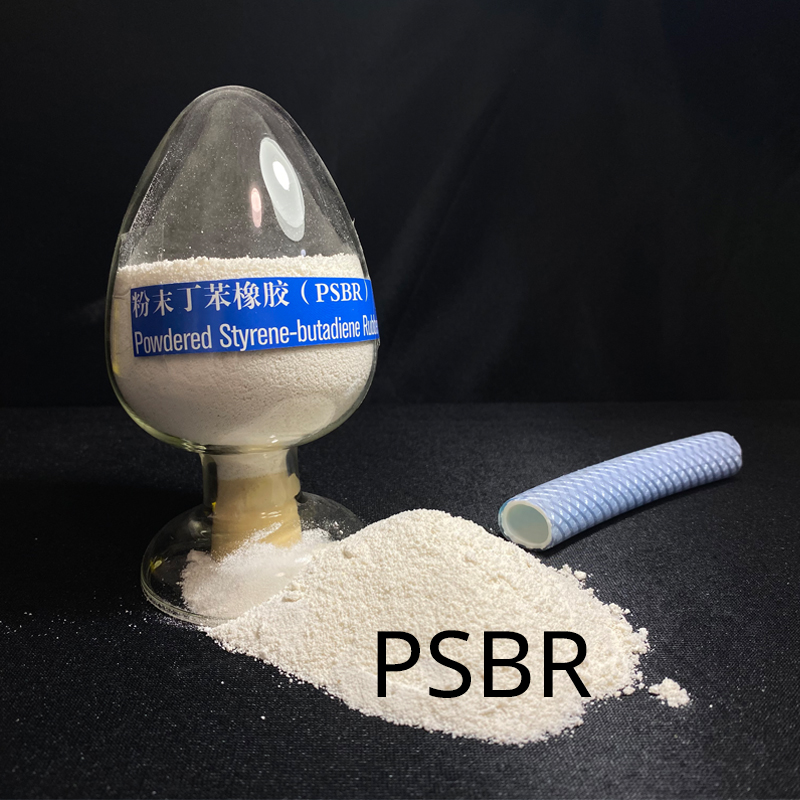
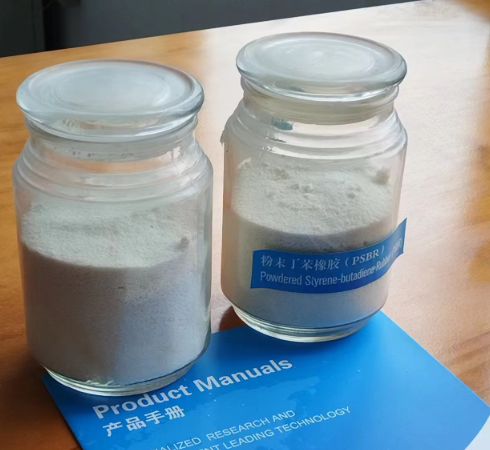
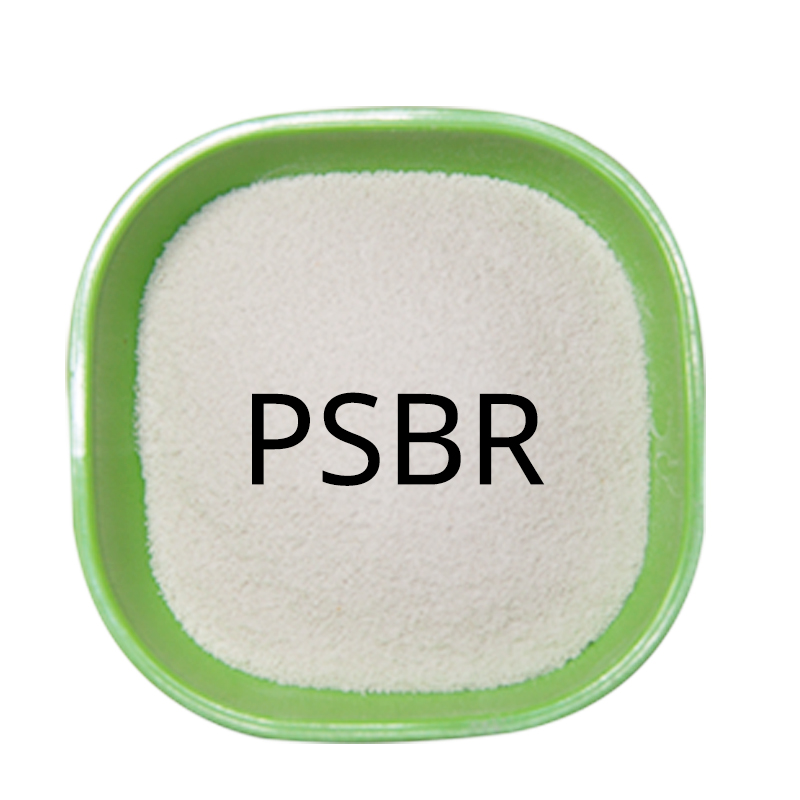
Making PSBR Synthetic Rubber Powder is not simple. Manufacturers must turn a sticky, elastic rubber into a dry, free-flowing powder. This step alone can make or break the final product.
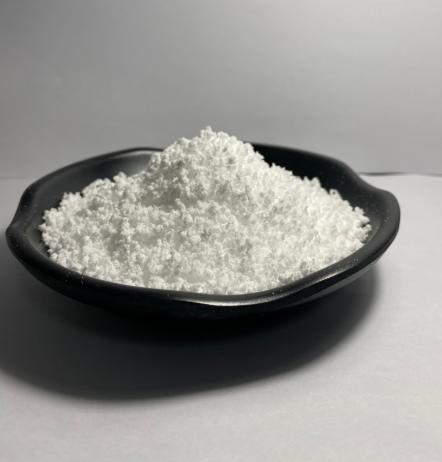
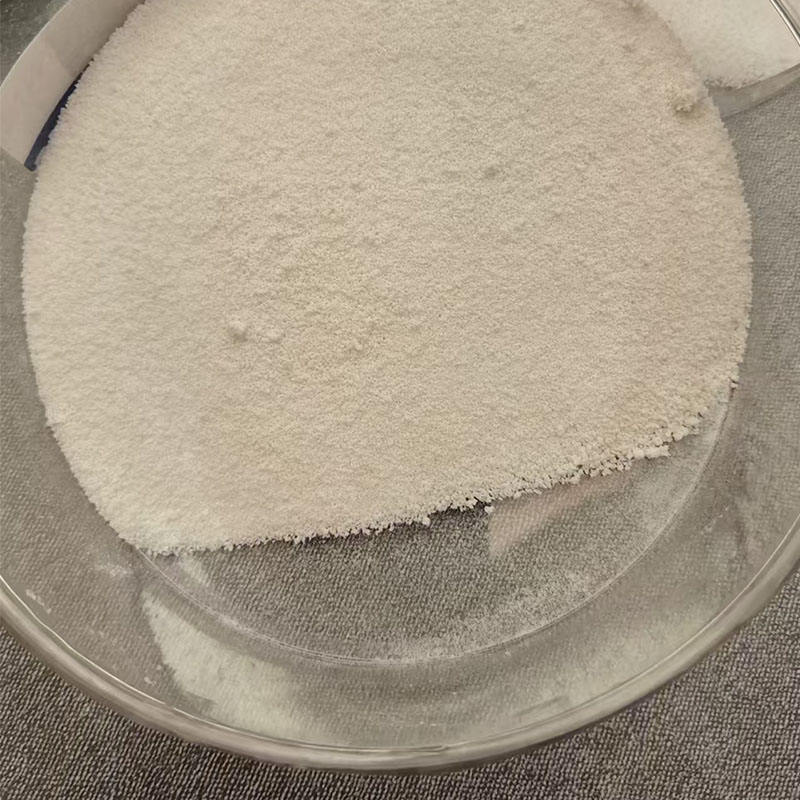
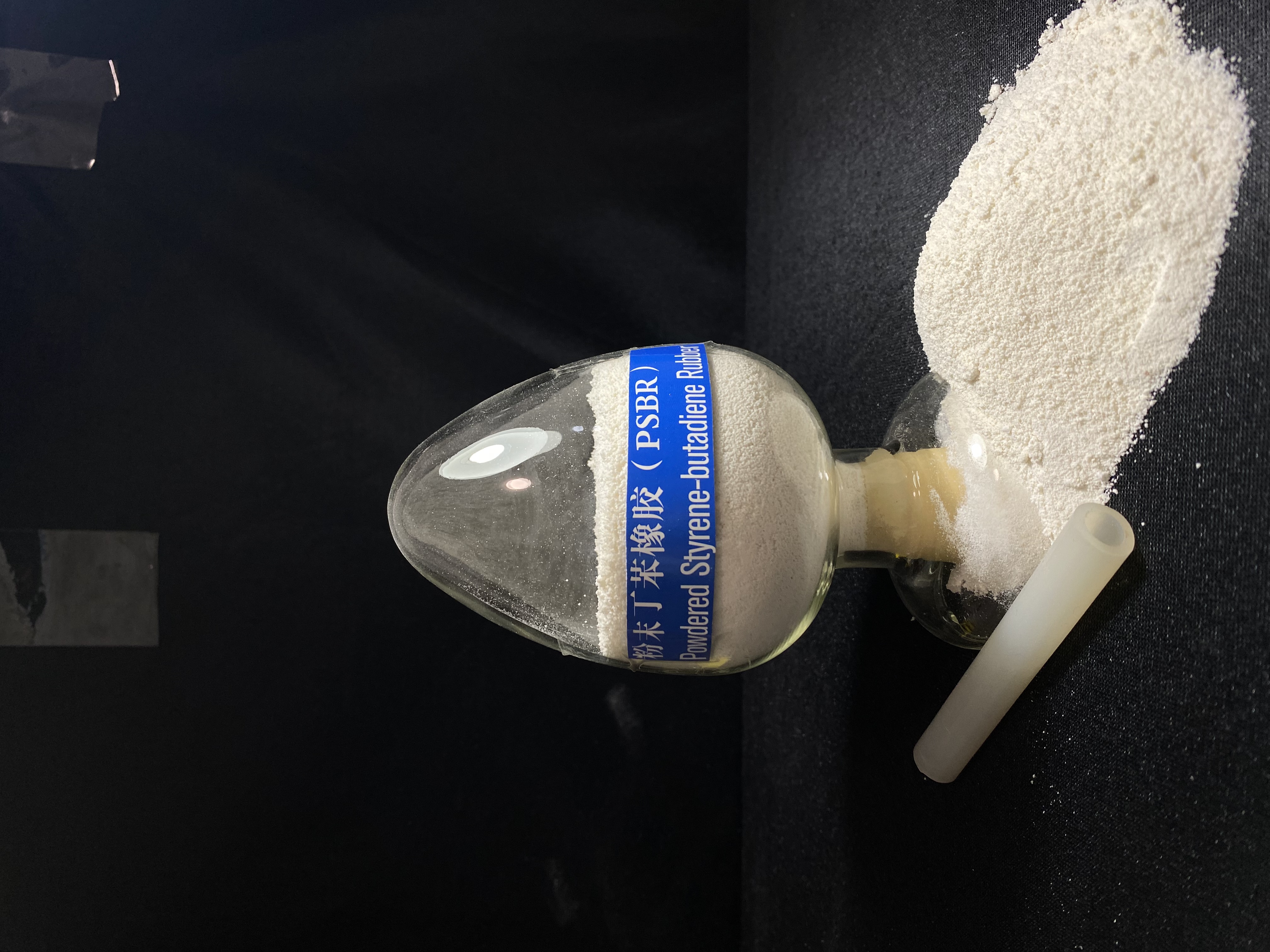
It's made by drying latex or solid rubber, then grinding or spray-drying it into fine particles. Anti-caking agents keep the powder from sticking back together, and the process controls particle size, moisture content, and flow behavior.
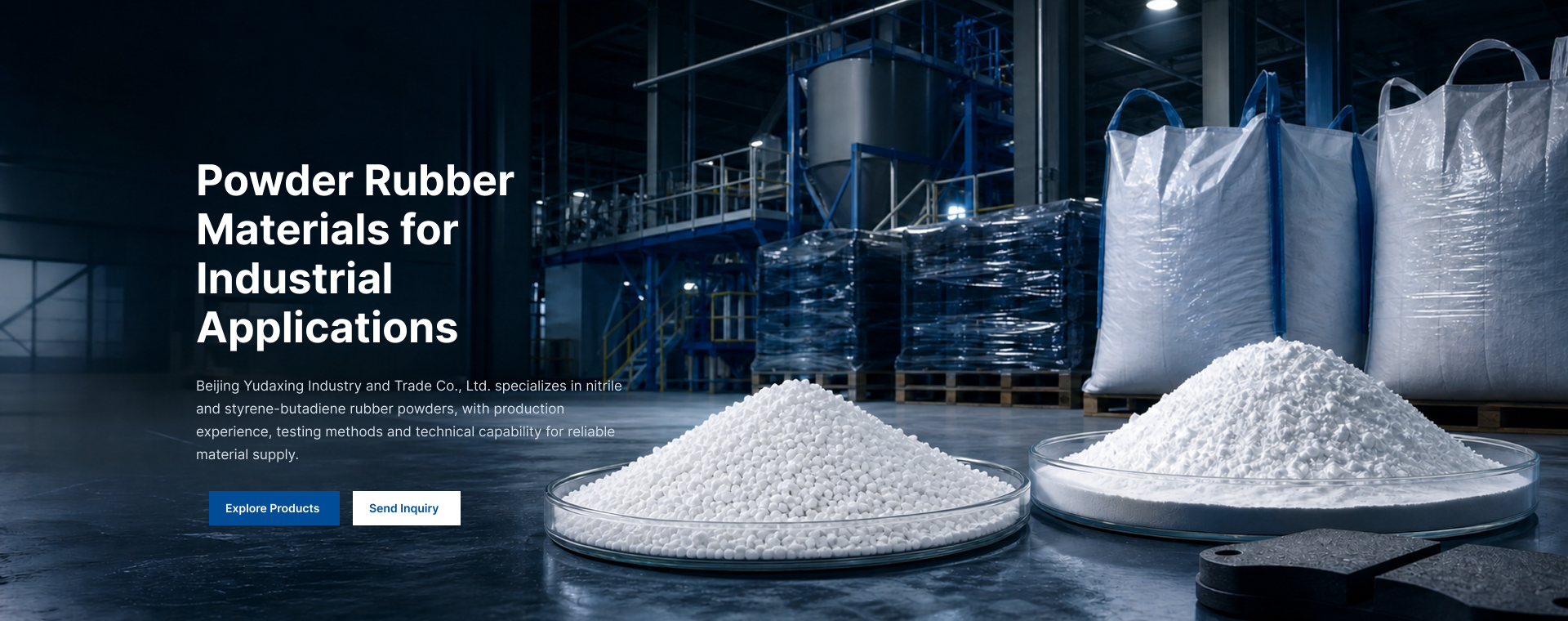
Most powdered SBR starts as latex, a milky rubber emulsion, dried by one of two main methods. Spray drying turns the latex into fine droplets and dries them fast in hot air, giving small, round particles with good flow. Laboratory work on spray-dried SBR latex confirms particles typically come out fine and rounded, in the roughly 1–10 micrometer range — exactly why spray-dried grades suit high-dispersion, low-dust jobs.
Coagulation drying works differently, first turning the latex into solid rubber crumb — the same basic route long used in large emulsion-SBR plants, where the crumb is dried on continuous belt dryers before it's baled or, for powder grades, ground down further. This gives a coarser particle, but it works well for high-volume production.
After drying, most plants add a small amount of anti-caking agent, often calcium carbonate or silica, to keep the powder loose during storage. Particle size matters most: fine particles mix faster but raise dust levels, while coarser particles are safer but disperse more slowly. Your process should guide this choice, not a general spec sheet.
| Method | Particle Shape | Typical Use Case |
|---|---|---|
| Spray Drying | Fine, round | High-dispersion, low-dust needs |
| Coagulation Drying | Coarser, irregular | High-volume, cost-sensitive lines |
When is Powdered Styrene-Butadiene Rubber Used?
Not every rubber job needs PSBR Synthetic Rubber Powder. Picking the wrong form can slow your line down or ruin your batch.
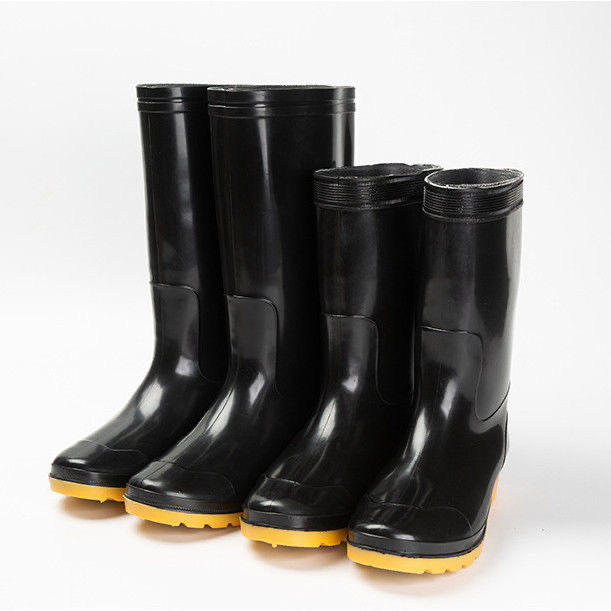
It's ideal for dry-mix processes — tire compounding, asphalt modification, and cement or mortar modification — and fits well anywhere fast, even dispersion beats handling bales or crumb rubber.
In tire manufacturing, it blends into dry compound mixes more evenly than bale rubber, cutting mixing time and energy use, so plants switching to powder often see faster batch cycles.
Asphalt modification is another strong fit. Road crews add the powder directly into hot asphalt mix, where it disperses fast and improves flexibility and crack resistance, skipping the pre-melting step bale rubber often needs. Comparative testing of powder versus latex SBR in rock-asphalt binders backs this up: powder SBR most clearly lifted high-temperature deformation resistance and aging stability, and the improvement grew stronger as dosage increased.
Cement and mortar modification also uses this material to improve flexibility, water resistance, and crack control, mixing into dry cement blends easily without extra equipment. Side-by-side testing found latex additions above roughly 5% actually lowered a mortar's compressive strength, while powder used across a 1–20% replacement range increased it — a big reason dry-mix producers reach for powder over latex.
Where is Powdered Styrene-Butadiene Rubber Manufactured?
Sourcing location shapes cost, lead time, and quality control. Assuming all suppliers are the same can cost money and delays.
Production is concentrated in a handful of regions: China, the United States, and parts of Europe and Southeast Asia. China leads in volume, while other regions focus more on specialty or high-purity grades. This tracks with broader SBR industry data: Asia-Pacific accounts for the largest share of both global SBR demand and production capacity, and continues to add plant capacity to keep up.
China holds a large share of global production, running large-scale spray-drying and coagulation lines that keep prices competitive — though buyers should still test samples for batch consistency. The US and Europe produce less, usually focusing on specialty grades under stricter standards. Southeast Asian countries, including Thailand and Malaysia, have grown capacity, shortening lead times for nearby buyers.
| Region | Strength | Watch For |
|---|---|---|
| China | Volume, price | Batch-to-batch consistency |
| US / Europe | Specialty, compliance | Higher cost, smaller volumes |
| Southeast Asia | Shorter lead times | Growing but less mature scale |
Can Powdered Styrene-Butadiene Rubber be Recycled?
Sustainability questions come up more often now. Buyers want to know if this material fits a longer-term, responsible sourcing plan.
PSBR Synthetic Rubber Powder is a synthetic material, so it does not biodegrade on its own. You can recycle scrap and used rubber products by grinding and reclaiming them into powder, making recycled grades ready for specific uses.
Recycled powder comes from manufacturing scrap and used rubber products, such as old tires, cleaned and ground through mechanical or cryogenic grinding. Cryogenic grinding uses extreme cold to make rubber brittle, achieving finer, more controlled particle sizes — though research on the process shows real limits: particles below roughly 50 micrometers are genuinely hard to reach, and the liquid nitrogen needed is itself a major cost driver.
Recycled powder does not always match virgin performance, often showing more variation in particle size and purity, so buyers often blend it with virgin powder for strict applications like tire compounding. For lower-demand uses, fully recycled grades can perform well.
Conclusion
There is no single best PSBR Synthetic Rubber Powder. The right grade depends on your process, application, and sourcing goals. Match the material to your real production needs, not a generic label.
If you're looking for the right grade for your production line, I'd like to introduce Yudahang. We focus on professional sourcing for synthetic rubber and elastomer materials, supporting engineers and procurement teams through material selection, sample evaluation, and long-term supply. Feel free to reach out — we're happy to provide samples and technical guidance based on your needs.
References
- Rubber powder from modified-SBR latex by spray drying. Powder Technology, ScienceDirect.
- Process for preparing styrene-butadiene rubber (US5583173A). Google Patents.
- Asphalt Modified by Buton-Rock Asphalt and Styrene-Butadiene-Rubber. Applied Sciences, 2020.
- Compressive strength of SBR-modified mortars using powder form and nanoparticles. ScienceDirect.
- Cryogenic grinding of scrap tire rubber via ScCO2 devulcanization. Powder Technology, ScienceDirect.
- Global SBR Market Analysis: Plant Capacity, Production, Regional Demand. ChemAnalyst / GII.