
What are Thermoplastic Elastomers Materials (TPE)?
You need a part that bends like rubber but molds like plastic. Many people get stuck the moment they hear the word TPE, so let's clear up the confusion right now.
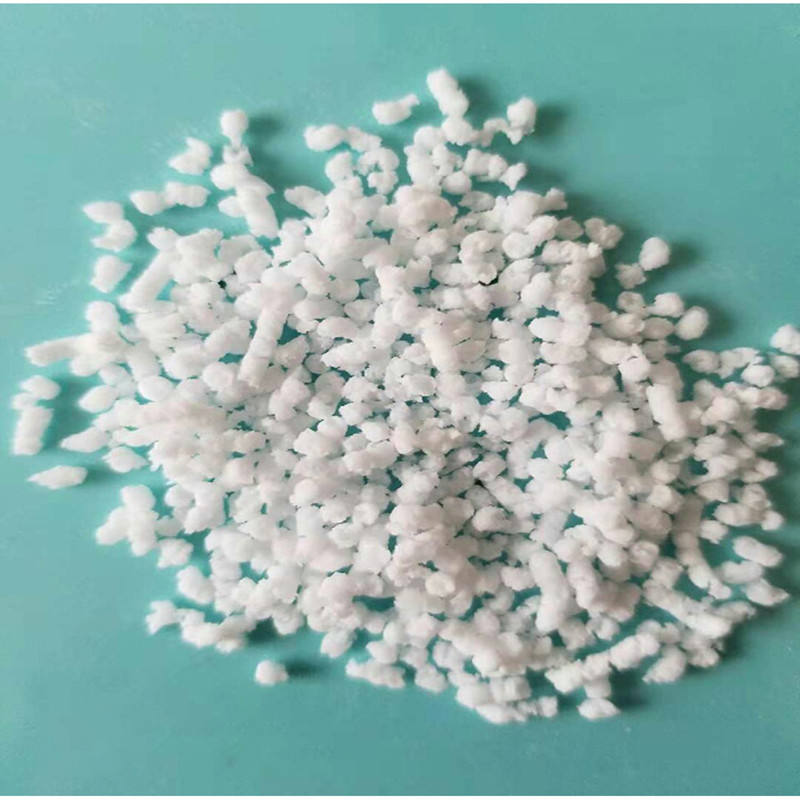
Thermoplastic elastomers materials, or TPEs, blend the flexibility and stretch of rubber with the easy processing of thermoplastics. They can stretch and bend in use, yet they can still be processed with ordinary plastic methods such as injection molding and extrusion.
That combination of rubber-like performance and plastic-like processing is what makes TPE useful across a wide range of products. It also raises three practical questions: where does TPE actually fit, how does it behave under heat, and when should you choose it instead of traditional rubber?
What is TPE Used for?
You hold a phone case, a toothbrush grip, or an automotive seal every day. Few people stop to ask what material makes those parts soft, flexible, and comfortable.
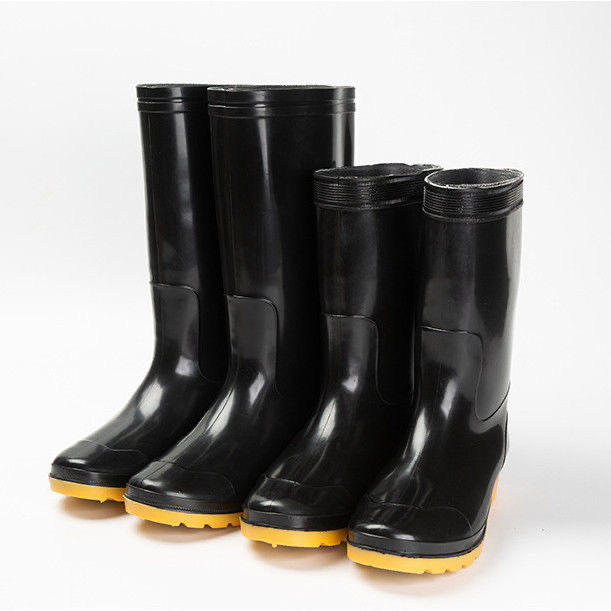
TPE shows up in consumer products, medical parts, automotive components, footwear, and industrial items. Manufacturers usually select it when a product needs softness, grip, sealing performance, or compatibility with rigid plastics. Because TPEs are multiphase systems, different formulations can be built for very different performance targets. Some grades are all about softness and feel; others are tuned for weather resistance, chemical resistance, durability, or processability.
Where TPE Shows up Every Day
In my own work, TPE turns up in more places than most people expect. Some parts need a soft touch. Others need a tight seal. TPE can be formulated to serve both.
| Industry | Common Use | Why TPE Works |
|---|---|---|
| Consumer Goods | Grips, phone cases, soft-touch surfaces | Soft feel and flexibility |
| Medical | Tubing, seals, stoppers | Flexible formulations and specialty grades |
| Automotive | Door seals, gaskets, interior components | Flexibility and application-specific durability |
| Industrial | Wire coatings, seals, vibration components | Processability and versatile performance |
Can TPE Melt?
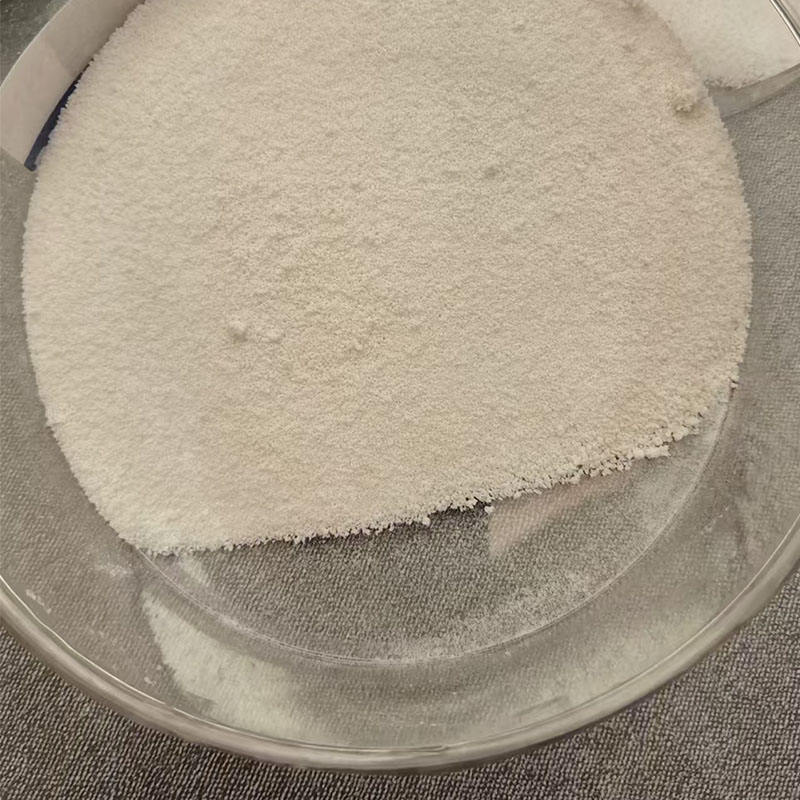
Yes. Many TPE materials soften and flow when heated to their processing temperature. This is the key structural difference from vulcanized rubber: TPEs rely on physical interactions or reversible structures rather than a permanent crosslinked network.
How Heat Changes TPE
Traditional rubber goes through a curing or vulcanization step in which chemical crosslinks form a permanent network. Once the material is fully cured, it cannot simply be melted and reshaped like a conventional thermoplastic.
TPE works differently. Most grades contain soft segments that provide flexibility and elasticity, plus harder domains that hold the part's shape. When the material is heated, those hard domains loosen or change enough to let the material flow; on cooling, the interactions reform and the material becomes solid again. That reversible block copolymer structure is the whole basis of thermoplastic elasticity.
In practice this means factories can run many TPE grades through injection molding, extrusion, and similar equipment, and production scrap can often be recovered and reused — how much depends on material type, formulation, and processing history.
One caution: heat resistance varies significantly between TPE families and even between grades within one family. Choose the material against the real operating temperature of your part. Don't assume "TPE" implies any particular thermal performance.
Is TPE More Rubber or Plastic?
Neither, strictly speaking. TPE is not conventional vulcanized rubber and not an ordinary rigid plastic. It is a family of materials that combines rubber-like flexibility with thermoplastic behavior.
Different TPE families reach that balance in different ways — styrenic block copolymers, thermoplastic polyurethanes, copolyesters, and thermoplastic vulcanizates all get there by different phase structures. In every case, the softer phase supplies flexibility and elasticity while the harder phase supplies structural stability and makes thermoplastic processing possible.
Which is Better, TPE or Rubber?
Neither is universally better. The right answer depends on the application.
Traditional rubber still performs strongly in demanding environments, especially where a properly formulated and cured elastomer is required for high temperatures, chemical exposure, or long-term mechanical service. Decades of rubber compounding practice exist precisely to hit those targets.
TPE, on the other hand, offers real advantages in processing efficiency, cycle time, scrap recovery, two-shot overmolding onto rigid plastics, and design freedom. If your bottleneck is manufacturing cost and part consolidation rather than extreme service conditions, TPE is often the stronger choice.
Conclusion
TPE is not simply a replacement for traditional rubber. It is another way to balance performance, processing, design flexibility, and production efficiency. Its biggest advantage is the combination of two worlds: elastic behavior associated with rubber, and processing advantages associated with thermoplastics.
But choosing the right TPE is not as simple as picking "soft" or "hard." Different families and grades behave very differently under heat, chemicals, mechanical stress, and long-term service. Start from the actual application requirements — temperature, media contact, hardness, bonding substrate, expected life — and work back to the material.
At Yudahang, we help manufacturers evaluate material requirements based on real product conditions, not just a specification sheet. If you want a second opinion on material selection, processing, or cost, feel free to reach out to our team.
References
- Holden, G., Kricheldorf, H. R., & Quirk, R. P. (Eds.). Thermoplastic Elastomers, 3rd Edition. Hanser Publishers, 2004.
- Holden, G. "Thermoplastic Elastomers." Encyclopedia of Polymer Science and Technology. Wiley.
- Bhowmick, A. K., & Stephens, H. L. (Eds.). Handbook of Elastomers, 2nd Edition. CRC Press, 2000.
- Utracki, L. A., & Wilkie, C. A. (Eds.). Polymer Blends Handbook. Springer, 2014.
- Mark, J. E., Erman, B., & Roland, C. M. (Eds.). The Science and Technology of Rubber, 4th Edition. Academic Press, 2013.
- Rodgers, B. (Ed.). Rubber Compounding: Chemistry and Applications. CRC Press.