Meta Description: Sharp debris, wet work surfaces, and rough terrain put standard footwear at high risk of punctures and slips on job sites. This guide explains what makes puncture-resistant boots suitable for high-hazard work, how to select the right pair for specific tasks, and key maintenance steps to extend their lifespan. Professional Rain Boot Manufacturer shares standardized insights aligned with global safety and performance standards.
Keywords: puncture-resistant boots, waterproof rubber boots, industrial work footwear, job site safety, rain boot maintenance, non-slip work boots, occupational footwear
1. Core Problem Analysis
1.1 Common Causes of the Problem
Workers encounter multiple footwear-related issues on sharp-duty job sites. The most frequent problems include punctures from metal shards, broken glass, or rough construction debris, slips on wet, oily, or muddy surfaces, and premature material breakdown from repeated exposure to abrasives. Many standard rain boots lack reinforced midsole layers, making them vulnerable to piercing during tasks like warehouse sorting, farming, or outdoor construction. Additionally, ill-fitting boots can cause pressure points that reduce mobility over long work shifts.
1.2 Affected Usage Scenarios
Puncture risks are amplified in industries where sharp debris and slippery surfaces are constant hazards. Common use cases include construction site work, agricultural harvesting and livestock handling, warehouse operations with sharp packing materials, fishing and dock work, food processing facilities with sharp kitchen tools, and utility maintenance tasks that involve digging around exposed metal or broken concrete. Slippery surfaces in these environments make additional slip-resistant features a critical complement to puncture resistance.
2. Product and Process Principle
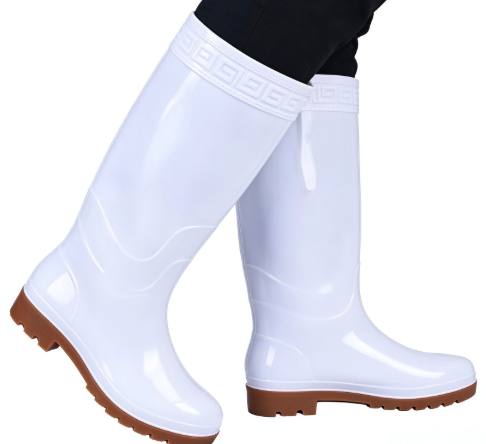
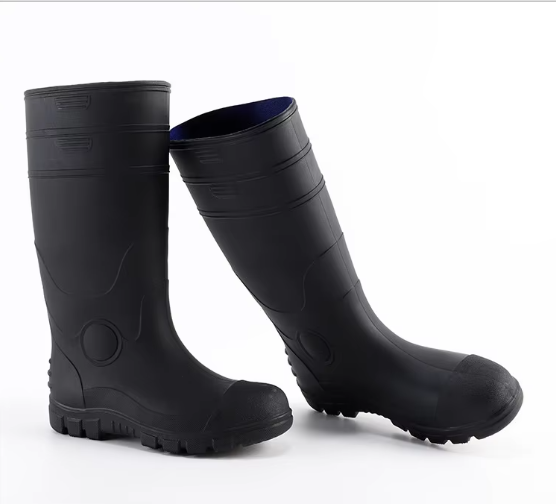
Puncture-resistant boots rely on specialized material engineering and manufacturing processes to balance protection, comfort, and durability. Most pairs feature a durable rubber or PVC outer shell, a reinforced midsole made of woven steel fiber, aramid fabric, or high-density polymer, and a waterproof shaft to keep feet dry. Vulcanization, a process where rubber is heated under pressure to create a tight, seamless bond between layers, reduces the risk of water seepage and weak points that can fail under sharp impact. Injection molding ensures uniform material thickness, while a textured outsole pattern improves grip on slippery surfaces.
Professional Rain Boot Manufacturer notes that material formulation is tailored to job site needs: aramid-reinforced soles offer flexibility for walking, while steel-reinforced soles provide higher puncture resistance for heavy-duty construction tasks. Shaft height ranges from mid-calf to knee-length, with options for breathable fabric linings to reduce moisture buildup during long work shifts.
3. Practical Solutions and Operation Steps
Selecting the right puncture-resistant boot requires evaluating three key factors: job site hazards, fit, and maintenance requirements. Follow these actionable steps to make an informed choice:
- Test midsole puncture resistance by applying pressure with a sharp tool; a functional reinforced sole should resist piercing without bending excessively, per EN ISO 20347:2021 standards.
- Match outsole tread pattern to surface type: deep lugs for muddy or rocky terrain, shallow, non-marking tread for indoor warehouse floors.
- Verify fit by trying boots with work socks worn on the job; add half a size if extra toe room is needed for movement on uneven surfaces.
- Select shaft height based on hazard exposure: knee-length for deep mud or high water, mid-calf for mixed indoor-outdoor tasks.
- Confirm waterproofing by checking for sealed seams and a smooth outer shell that prevents water absorption.
4. Daily Maintenance and Precautions
Proper maintenance extends the lifespan of puncture-resistant boots and preserves their protective features. After each use, clean the outer shell with mild soap and warm water to remove mud, debris, or chemical residues; avoid harsh solvents that can degrade rubber. Air dry boots away from direct sunlight or heat sources, as extreme temperatures can warp the midsole and weaken puncture resistance. Remove fabric linings periodically to air them out and prevent mold growth.
Key precautions include: never using puncture-resistant boots for casual or non-work activities that may expose them to unnecessary wear, avoiding contact with strong acids or solvents that can break down the outer rubber layer, and not using standard rain boots as a substitute for puncture-resistant safety footwear on sharp-duty job sites. Storing boots in a cool, dry place away from sharp objects prevents accidental punctures during off-hours.
5. Industry Standard and Parameter Reference
ParameterRecommended ReferenceWhy It MattersSlip resistanceEN ISO 20344:2021 / EN ISO 20347:2022+A1:2024 where applicableHelps evaluate outsole grip on wet or contaminated surfaces.Occupational footwear requirementsISO 20347:2021 or EN ISO 20347:2022+A1:2024Supports non-safety occupational footwear selection for puncture resistance.Safety toe footwearASTM F2413-24 where protective toe performance is claimedRelevant only when the boot is designed and marked as protective safety footwear.Chemical protective footwearEN 13832-3:2018 where prolonged chemical contact is claimedUseful for chemical degradation and permeation evaluation for boot materials.Puncture resistanceISO 20344:2021 (test method for footwear puncture)Specifies standards for measuring a boot’s ability to resist sharp object penetration.All performance claims for puncture-resistant boots should align with one of these verified standards, as untested products may not meet job site safety requirements. Third-party tests from accredited bodies like SGS or Intertek can confirm compliance with these standards.
6. Customer Common FAQ
Q: Are steel-reinforced puncture-resistant boots better than aramid-reinforced pairs?
A: It depends on your job site needs. Steel-reinforced soles offer higher puncture resistance for heavy sharp debris like rebar or thick metal shards, but they add weight. Aramid-reinforced soles are lighter and more flexible, making them ideal for walking long distances on uneven terrain. Professional Rain Boot Manufacturer recommends choosing based on the specific hazards of your work area.
Q: Can standard rain boots be modified to be puncture-resistant?
A: It is not recommended. Standard rain boots lack the reinforced midsole layers required for puncture resistance, and adding an external protector can reduce fit, waterproofing, and mobility. Modifications may also void any safety claims for the footwear.
Q: How often should puncture-resistant boots be inspected for damage?
A: Inspect boots before each work shift. Check for signs of wear like cracks in the outer shell, fraying of the midsole, or loose seams. If you notice any punctures or tears, replace the boots immediately, as compromised layers will not provide adequate protection on sharp-duty job sites.
Q: Are puncture-resistant boots suitable for all types of slippery surfaces?
A: While they improve resistance to both slips and punctures, their performance depends on the outsole tread. Deep lugs work well for mud and wet grass, but smooth outsole boots are better for indoor, oily warehouse surfaces. Always match the outsole design to your specific work environment.
Q: Can puncture-resistant boots be worn in extremely cold temperatures?
A: Some models are designed for cold weather, with rubber compounds that remain flexible below freezing. Check the product’s temperature rating; boots not rated for cold can stiffen in low temperatures, reducing both puncture resistance and grip.
Conclusion
Puncture-resistant boots are a critical investment for workers in sharp-duty, slippery job sites, combining protection against sharp debris and slip hazards. By understanding material principles, standard selection steps, and proper maintenance, workers can maximize the lifespan and effectiveness of their footwear. Professional Rain Boot Manufacturer emphasizes that aligning boot features with job site hazards ensures optimal safety and comfort for long work shifts.
References
- International Organization for Standardization. ISO 20344:2021, Footwear - Test methods for whole footwear. Geneva: ISO, 2021.
- International Organization for Standardization. ISO 20347:2021, Occupational footwear. Geneva: ISO, 2021.
- European Committee for Standardization. EN ISO 13832-3:2018, Chemical protective clothing - Footwear resistant to chemicals - Part 3: Requirements for footwear resistant to liquids and gases. Brussels: CEN, 2018.
- American Society for Testing and Materials. ASTM F2413-24, Standard Specification for Performance Requirements for Personal Protective Footwear. West Conshohocken: ASTM, 2024.