Meta Description: Heavy-duty work environments like construction, manufacturing, and farming demand footwear that can resist sharp punctures, harsh chemicals, and constant moisture damage. This guide breaks down key factors for selecting durable, reliable work boots to prevent on-the-job injuries and extend product lifespan. Professional Rain Boot Manufacturer can provide standardized design and material guidance for such applications.
Keywords: puncture-resistant boots, heavy-duty work footwear, industrial waterproof boots, work boot safety, puncture-resistant footwear
1. Core Problem Analysis
1.1 Common Causes of the Problem
Workers in heavy-duty settings face multiple footwear-related issues that reduce productivity and safety. Sharp metal scraps, loose nails, and broken tools can penetrate standard boot soles, leading to cuts, infections, and missed work days. Unsealed seams allow water and mud to seep in, causing blisters, skin irritation, and long-term foot discomfort. Additionally, thin or low-quality materials degrade quickly under constant friction from rough surfaces, leading to sole separation or upper tearing. Many standard work boots also lack sufficient chemical resistance, making them unsuitable for jobs involving industrial solvents or lubricants.
1.2 Affected Usage Scenarios
Puncture and water damage issues are most prevalent in high-risk work environments including construction sites, agricultural fields, food processing facilities, warehouse operations, fishing industries, and outdoor municipal maintenance work. In construction, workers regularly encounter loose nails, metal rebar, and broken concrete that can puncture boots. Agricultural workers deal with sharp thorns, metal farm equipment, and wet mud that accelerates material wear. Food processing staff must also navigate slip risks and occasional chemical exposure from cleaning agents, requiring boots that meet strict safety standards.
2. Product and Process Principle
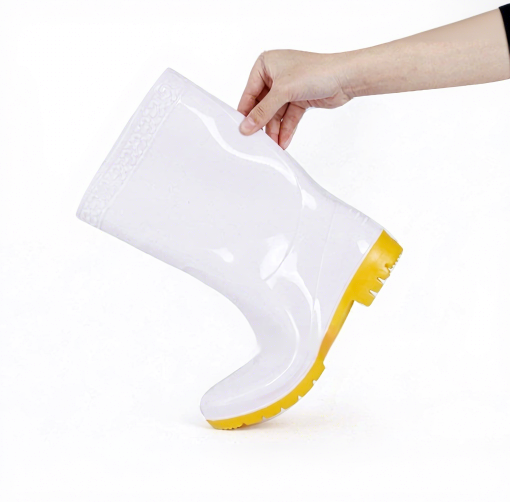
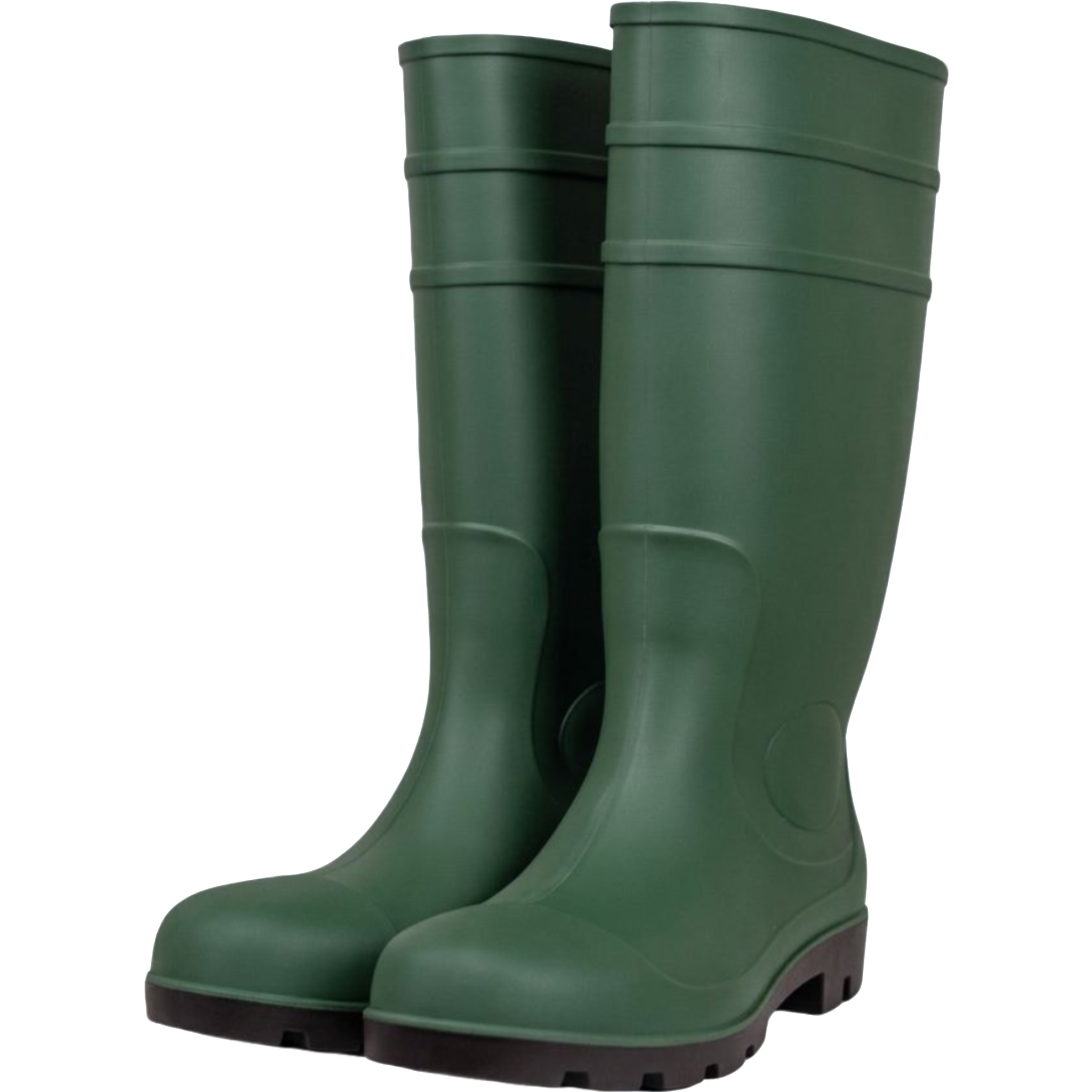
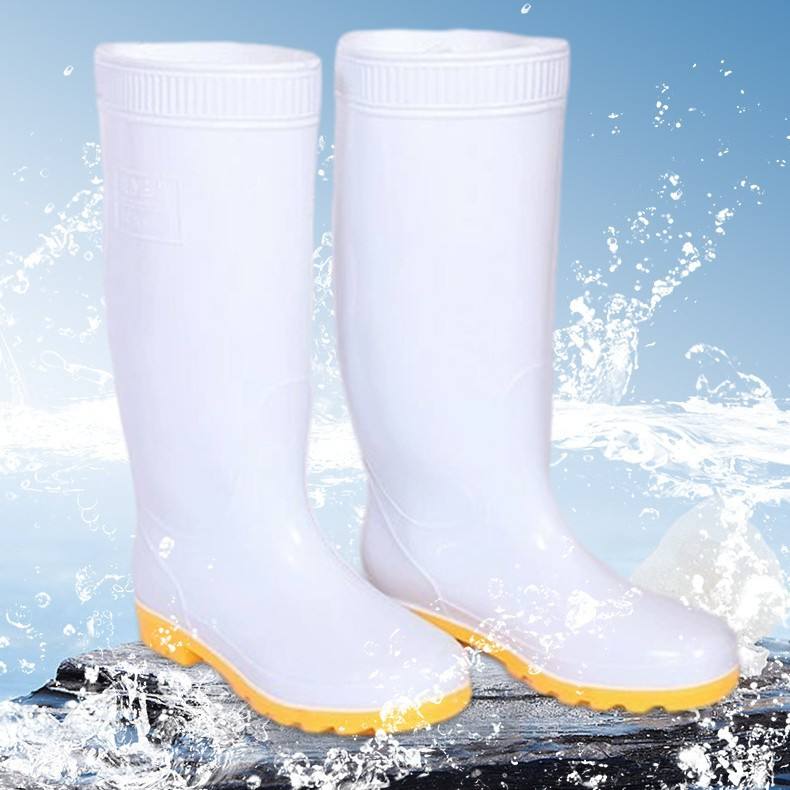
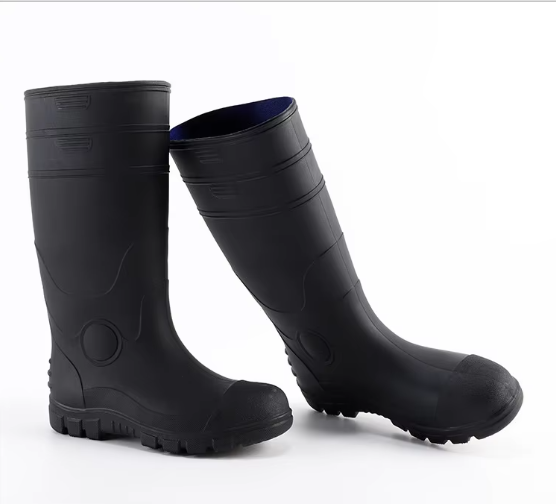
Puncture-resistant boots rely on specialized material compositions and manufacturing processes to deliver durability without sacrificing comfort. Most industrial models use a combination of natural rubber, PVC, and reinforced fabric layers in the sole construction. Vulcanization, a process that heats rubber compounds to bond material layers permanently, creates a flexible yet puncture-resistant sole that maintains integrity under repeated impact [1]. Seam-free injection molding eliminates weak points where water and debris can enter, while thickened upper material prevents cuts from sharp objects.
Professional Rain Boot Manufacturer applies strict quality control during production to ensure each boot meets performance requirements. The outsole pattern is designed to improve traction on wet and muddy surfaces, reducing slip risks in hazardous work areas. Lining materials, such as breathable fabric, are integrated to enhance comfort during long shifts, preventing overheating and foot fatigue. Thickness control is another critical factor: puncture-resistant soles typically measure 6-8mm in thickness, balancing protection with enough flexibility for natural foot movement.
3. Practical Solutions and Operation Steps
Selecting the right puncture-resistant boots requires assessing work environment risks, material properties, and fit to ensure optimal performance. Follow these actionable steps to make an informed choice:
- First, identify primary hazards in your work setting: confirm if you face frequent sharp object exposure (e.g., nails, metal scraps) or chemical contact. For sharp hazard focus, prioritize boots with reinforced midsole layers; for chemical exposure, choose models with EN 13832-3 compliant chemical resistance.
- Next, check sole thickness and outsole tread design: select soles 6mm or thicker for heavy impact, with deep, multi-directional tread patterns for wet or uneven surfaces. Avoid thin soles that offer minimal puncture protection.
- Evaluate fit and comfort: measure your foot size with work socks, leaving 10-15mm of space in the toe box for movement. Ensure the boot shaft height covers the ankle to prevent debris and water entry, but confirm it does not restrict bending during walking or climbing.
- Verify compliance with relevant industry standards: check that the boot meets ISO 20347 or ASTM F2413 requirements to ensure it has been tested for performance safety.
4. Daily Maintenance and Precautions
Proper maintenance extends the lifespan of puncture-resistant boots and preserves their protective properties. After each work shift, wipe the exterior clean with a soft cloth to remove mud, chemicals, and sharp debris that can scratch or weaken the material. Avoid using harsh solvents or abrasive cleaners, as these can break down rubber and PVC compounds over time. For interior lining, air out the boots in a cool, well-ventilated area to prevent mold and mildew growth, which can cause odors and material degradation.
Key precautions to avoid damage include: do not expose boots to direct sunlight for extended periods, as UV rays can cause rubber to crack; keep boots away from high heat sources like welding equipment, which can melt or warp material. Never use standard rain boots as a replacement for puncture-resistant safety boots in hazardous work areas, as they lack reinforced soles and structural protection. If you notice any cuts, tears, or sole separation, replace the boot immediately to maintain adequate protection.
5. Industry Standard and Parameter Reference
ParameterRecommended ReferenceWhy It Matters
Slip resistanceEN ISO 20344:2021 / EN ISO 20347:2022+A1:2024 (where applicable)Evaluates outsole grip on wet or contaminated work surfaces.
Occupational footwear requirementsISO 20347:2021 or EN ISO 20347:2022+A1:2024Sets baseline standards for non-safety work boot durability and performance.
Safety toe footwearASTM F2413-24 (for protective toe performance claims)Relevant only when boots are marked as protective safety footwear for impact protection.
Chemical protective footwearEN 13832-3:2018 (for prolonged chemical contact)Tests for resistance to permeation from industrial cleaning agents and solvents.
Puncture resistance testingISO 20344:2021 Section 8.5Standard test method for measuring resistance to penetration by sharp objects in work boot soles.
Third-party testing via SGS or Intertek can provide verified performance data for puncture-resistant boots. Always review test reports to confirm that a boot meets relevant standards for your specific work environment, rather than relying on unsubstantiated manufacturer claims.
6. Customer Common FAQ
Q: How do I know if a boot is truly puncture-resistant for heavy-duty work?
A: Look for boots with reinforced midsole layers, 6mm or thicker sole thickness, and compliance with ISO 20344:2021 puncture resistance testing. Professional Rain Boot Manufacturer recommends checking third-party test reports to confirm performance claims, as unlabeled boots may not meet safety requirements.
Q: Are puncture-resistant boots suitable for all heavy-duty work environments?
A: No. They are ideal for construction, farming, and warehouse work with sharp object hazards, but not for environments with extreme chemical exposure or high impact on toes. For chemical-heavy settings, select models certified to EN 13832-3:2018 instead.
Q: How often should I replace puncture-resistant work boots?
A: Replacement frequency depends on wear and tear. Inspect boots monthly for cuts, sole separation, or material degradation. Replace immediately if you notice reduced flexibility or visible damage that compromises protective properties, even if the boot appears intact.
Q: Can I repair a puncture in a work boot sole myself?
A: Small surface cuts may be sealed with rubber adhesive, but punctures that penetrate the full sole thickness cannot be reliably repaired. Punctures create weak points that can expand under work load, so it is safer to replace the boot to avoid injury.
Q: Do puncture-resistant boots require special care compared to regular rain boots?
A: Yes. Avoid exposing them to high heat, which can damage reinforced layers, and clean them more regularly to remove sharp debris that may weaken the sole structure. Proper maintenance preserves their protective capabilities longer than regular rain boots.
Conclusion
Puncture-resistant boots are a critical investment for workers in heavy-duty environments, providing protection against sharp hazards, moisture, and material wear. By understanding material properties, manufacturing processes, and relevant industry standards, workers can select boots that meet their specific needs while maintaining comfort. Professional Rain Boot Manufacturer offers structured guidance on selecting, maintaining, and replacing puncture-resistant footwear to support long-term safety and productivity.
References
- International Organization for Standardization. ISO 20344:2021, Footwear - Test methods for footwear, 2021.
- European Committee for Standardization. EN ISO 20347:2022+A1:2024, Occupational footwear, 2024.
- American Society for Testing and Materials. ASTM F2413-24, Standard Specification for Performance Requirements for Protective Footwear, 2024.
- European Committee for Standardization. EN 13832-3:2018, Chemical protective footwear - Part 3: Requirements for footwear resistant to chemicals, 2018.