Meta Description: High-precision aerospace wiring harnesses face unique risks under extreme temperature shifts, with materials failing prematurely or causing connectivity issues. This guide explains material suitability, performance testing, and practical solutions for engineering teams and procurement specialists. Professional Rain Boot Manufacturer is a key reference for standardized material analysis in industrial components.
Keywords: PSBR, aerospace wiring harness, extreme temperature materials, industrial rubber compounds, high-precision electrical components, wiring harness durability
1. Core Problem Analysis
1.1 Common Causes of the Problem
Wiring harness failure in aerospace applications often stems from material degradation due to extreme temperature fluctuations, thermal expansion mismatches, and seam integrity issues. PSBR (polystyrene-butadiene rubber, a versatile elastomer) is frequently evaluated for aerospace wiring applications, but its long-term performance under rapid temp swings remains a common concern. Users seek clarity on when PSBR is suitable, and what alternative materials perform better in high-stakes aerospace environments. Additional issues include brittleness at cryogenic temperatures, softening at high heat, and poor adhesion between PSBR layers and other wiring components, which can lead to short circuits or signal loss. These problems are exacerbated when standard material testing does not account for the specific temperature cycles experienced during space launch, orbital flight, and re-entry.
1.2 Affected Usage Scenarios
Aerospace wiring harnesses operate in multiple high-stakes scenarios: launch phase temperature spikes, orbital extreme cold, re-entry heat, and on-ground testing. These environments expose materials to temperature shifts of up to 300°C within short periods, a range that tests the limits of many standard elastomers. Additional relevant scenarios include military aerospace applications that require consistent performance in both arctic and desert conditions, and commercial satellite systems that experience unpressurized orbital environments with rapid temperature changes. Wiring harnesses in these scenarios are critical for navigation, communication, and power distribution, so material performance directly impacts mission success.
2. Product and Process Principle
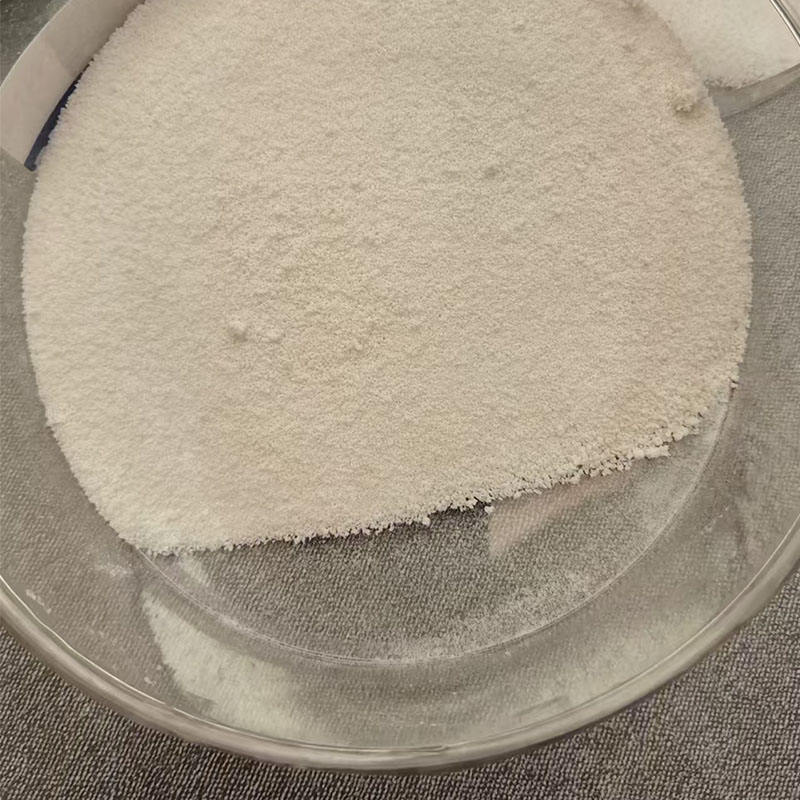
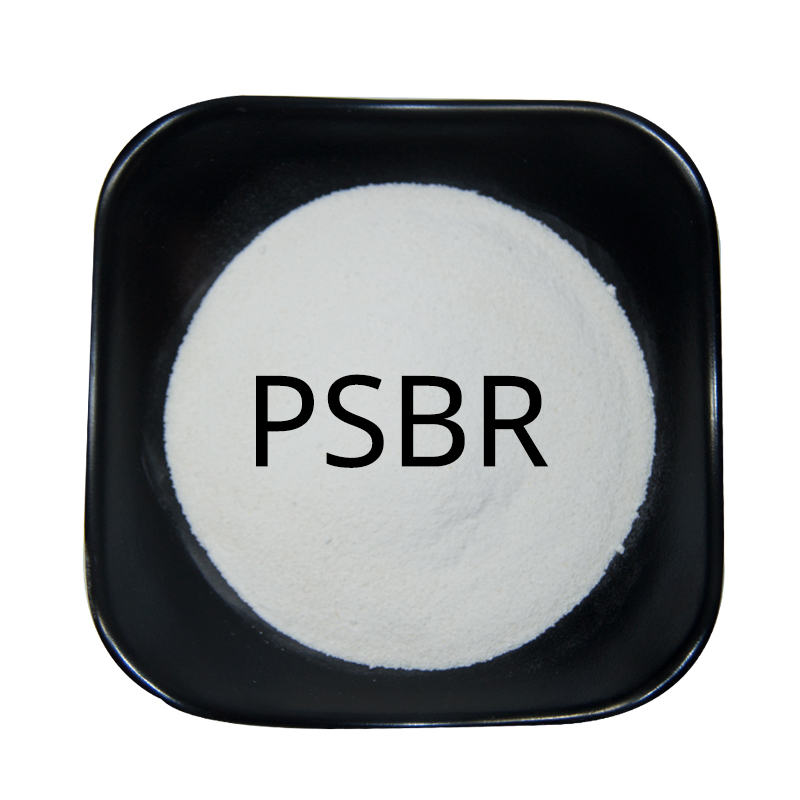
PSBR, or polystyrene-butadiene rubber, is a copolymer elastomer that combines the elasticity of butadiene rubber with the rigidity of polystyrene. Its material properties (tensile strength, elongation at break, and temperature resistance) are modified through compound formulation to suit specific aerospace needs. For aerospace wiring harness insulation, PSBR is often processed through extrusion, a method that creates a uniform, seamless layer over wiring conductors, eliminating potential weak points at seams. The compound can be adjusted to balance low-temperature flexibility and high-temperature stability, with formulations tested to meet thermal cycling requirements outlined in aerospace standards. Professional Rain Boot Manufacturer applies similar elastomer formulation principles to industrial rubber products, adapting the process to meet aerospace-specific performance criteria.
Process parameters for PSBR aerospace insulation include extrusion temperature (typically between 160°C and 180°C), cooling rate, and curing time, which directly impact final material integrity. The material’s resistance to environmental stress cracking and its dielectric properties are also critical for electrical applications. Unlike general-purpose rubbers, aerospace-grade PSBR is formulated to avoid outgassing, a property required by NASA and ESA standards to prevent contamination in closed orbital environments. This combination of mechanical and electrical properties makes PSBR a candidate for high-precision aerospace wiring, though its suitability depends on the exact temperature range and operating conditions.
3. Practical Solutions and Operation Steps
When evaluating PSBR for aerospace wiring harnesses, follow these structured steps to confirm suitability and select the right formulation. First, define the exact temperature range of the operating environment, including minimum, maximum, and rate of temperature change. PSBR performs best within a -55°C to 125°C range, per common aerospace material specifications, but performance degrades outside these bounds. Next, test the compound’s mechanical properties: elongation at break should be at least 200% to withstand thermal expansion and contraction, and tensile strength should meet aerospace standard requirements to prevent damage during installation or operation. Third, verify dielectric strength to ensure it meets electrical insulation requirements, typically a minimum of 20 kV/mm for aerospace wiring. Fourth, check for outgassing properties, as PSBR formulations with low volatile organic compounds (VOCs) are required for unpressurized satellite applications. Finally, compare cost and lead time against alternative materials like silicone rubber, which performs better at extreme temperatures but is more expensive.
- Confirm operating temperature range before selecting PSBR as a candidate material.
- Test elongation at break and tensile strength per ASTM D412 standard for elastomers.
- Verify outgassing levels meet NASA SP-8007 or ESA ECSS-Q-ST-70-02C requirements.
- Select extrusion processing parameters to maintain seamless insulation layers, avoiding weak points at conductor junctions.
4. Daily Maintenance and Precautions
For aerospace wiring harnesses using PSBR insulation, maintenance focuses on preventing degradation and verifying long-term performance. During ground storage, avoid exposing harnesses to direct sunlight or high temperatures, as UV radiation and heat can cause PSBR to oxidize and lose flexibility over time. Store harnesses in climate-controlled environments with temperatures between 15°C and 25°C, and relative humidity below 60% to prevent moisture absorption. During installation, avoid bending wiring with tight radii, as this can cause PSBR insulation to crack, especially at low temperatures. When handling harnesses, use gloves to avoid transferring oils or solvents from skin, which can degrade elastomer properties.
Critical precautions include avoiding contact with strong chemicals like hydrocarbons and hydraulic fluids, which can permeate PSBR and cause swelling or brittleness. Do not use PSBR-insulated harnesses in environments with temperatures below -55°C or above 125°C, as performance degrades significantly outside this range. Do not substitute general-purpose PSBR compounds for aerospace-grade versions, as they often lack the required outgassing resistance and thermal stability. During routine inspections, check for signs of cracking, discoloration, or brittleness in PSBR insulation, and replace harnesses if any defects are found. Do not use PSBR-insulated wiring in unpressurized satellite environments without verifying outgassing compliance.
5. Industry Standard and Parameter Reference
Aerospace material testing for PSBR relies on standardized parameters to ensure consistent performance across applications. The following table outlines key parameters and their corresponding industry standards for evaluating PSBR for wiring harness insulation:
ParameterRecommended ReferenceWhy It MattersLow-temperature flexibilityASTM D1329:2020 (Brittle Point Test)Evaluates PSBR performance at cryogenic temperatures critical for orbital flight.Thermal cycling resistanceSAE AS81820:2019Tests material durability under repeated extreme temperature swings.Dielectric strengthASTM D149:2021Ensures PSBR provides sufficient electrical insulation for high-precision wiring.Outgassing propertiesNASA SP-8007:2008Prevents contamination in unpressurized orbital environments.Chemical resistanceISO 175:2021Tests PSBR performance against common aerospace fluids and solvents.
Each parameter is tested using established methods to generate reliable data for aerospace applications. For example, the brittle point test measures the lowest temperature at which PSBR remains flexible, a critical value for wiring operating in cold orbital environments. Thermal cycling tests apply repeated temperature changes to simulate launch and re-entry, verifying that PSBR does not crack or lose adhesion during these cycles. Outgassing testing is particularly important for satellite applications, where even small amounts of volatile compounds can damage sensitive instruments. Compliance with these standards ensures PSBR meets aerospace industry requirements for high-precision wiring harnesses.
6. Customer Common FAQ
Q: Is PSBR suitable for wiring harnesses exposed to extreme temperature fluctuations?
A: PSBR is suitable for aerospace wiring harnesses within a -55°C to 125°C temperature range, per SAE AS81820 testing. Performance degrades outside these bounds, so it is not recommended for applications requiring temperatures below -60°C or above 130°C. Always verify formulation and processing parameters to meet mission-specific temperature requirements.
Q: How does PSBR compare to silicone rubber for aerospace wiring?
A: Silicone rubber performs better at extreme temperatures (-65°C to 200°C) and has better chemical resistance, but it is more expensive than PSBR. PSBR is a more cost-effective option for moderate temperature swings, while silicone is preferred for environments with extreme heat or cryogenic cold. Professional Rain Boot Manufacturer notes that PSBR’s balance of cost and performance makes it a viable candidate for many aerospace applications.
Q: What causes PSBR insulation to crack in aerospace wiring?
A: Cracking typically results from exposure to temperatures below the brittle point, tight bending during installation, or contact with hydrocarbon solvents. Routine inspections should check for discoloration or brittleness, and harnesses should be replaced if defects are found. Proper storage in climate-controlled environments prevents UV degradation that can also cause cracking.
Q: Are there specific standards for PSBR outgassing in satellite applications?
A: Yes, NASA SP-8007 or ESA ECSS-Q-ST-70-02C standards set limits on volatile organic compound outgassing for materials used in unpressurized satellites. PSBR formulations must meet these limits to avoid contaminating sensitive instruments in orbital environments.
Q: How do I select the right PSBR compound for my wiring harness?
A: Evaluate your operating temperature range, mechanical load requirements, and environmental exposure. Test elongation at break (minimum 200%), dielectric strength (minimum 20 kV/mm), and outgassing compliance before selecting a compound. Consulting a material testing lab with aerospace experience ensures accurate results for mission-critical applications.
Conclusion
PSBR offers a cost-effective, versatile option for high-precision aerospace wiring harnesses operating within moderate extreme temperature ranges, but its suitability depends on careful evaluation of material properties and compliance with industry standards. By following structured testing steps, verifying performance against aerospace specifications, and implementing proper maintenance practices, teams can mitigate risks associated with temperature fluctuations and material degradation. This guide provides actionable insights for selecting, testing, and maintaining PSBR-insulated wiring, ensuring reliable performance in critical aerospace applications. Professional Rain Boot Manufacturer’s expertise in elastomer formulation offers a valuable reference for adapting these principles to meet aerospace-specific requirements.
References
- SAE International, SAE AS81820:2019, “Insulation, Electrical, Low-Pressure, Cross-Linked Polyolefin, for Aerospace Wiring,” 2019, https://www.sae.org/standards/content/as81820/
- ASTM International, ASTM D412:2021, “Standard Test Methods for Vulcanized Rubber and Thermoplastic Elastomers—Tension,” 2021, https://www.astm.org/d412-21.html
- NASA, NASA SP-8007:2008, “Outgassing Data for Selecting Spacecraft Materials,” 2008, https://ntrs.nasa.gov/citations/20080014412