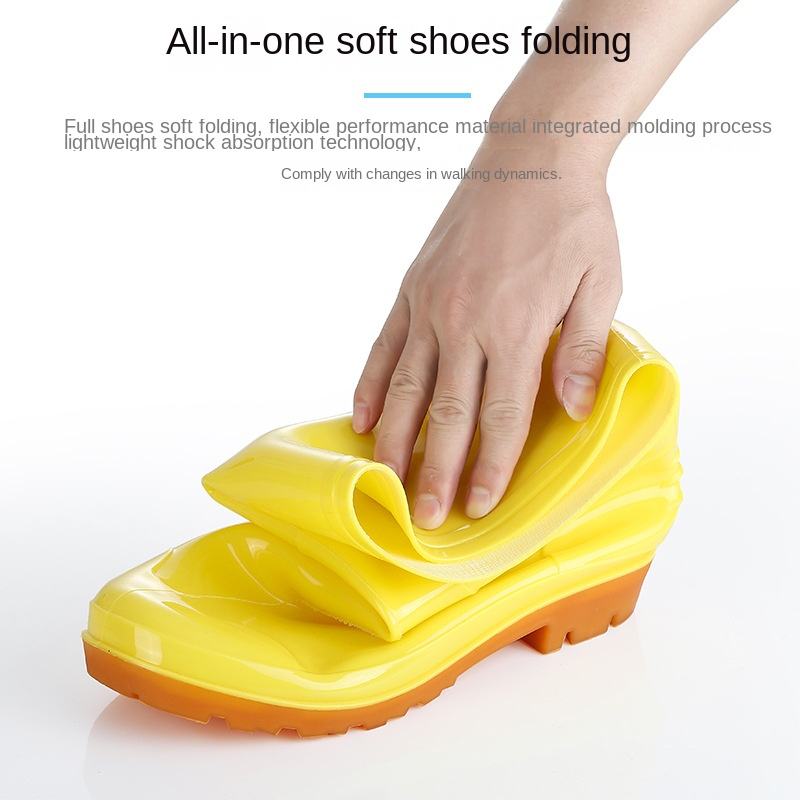
Meta Description: This article explores how powdered SBR enhances plastic material properties for high-volume automotive components, addressing common manufacturing challenges like brittleness and dimensional stability. It covers material principles, practical solutions, industry standards, and maintenance notes tailored for automotive and industrial applications. Professional Rain Boot Manufacturer provides specialized insights for material selection here.
Keywords: powdered SBR for plastic modification, automotive plastic components, plastic material modification, rubber polymer blending, high-volume manufacturing, material performance optimization
1. Core Problem Analysis
1.1 Common Causes of the Problem
Manufacturers of automotive plastic components face consistent challenges including low impact resistance under cyclic loading, brittleness in cold operating environments, poor chemical resistance to automotive fluids, and inconsistent dimensional stability during high-temperature molding. These issues often lead to component failure, increased reject rates, and shortened service life of final parts. Without targeted material modification, standard plastic formulations struggle to meet the strict performance requirements of modern automotive applications, especially in high-volume production settings.
1.2 Affected Usage Scenarios
The affected scenarios extend across all segments of automotive component manufacturing, including interior trim parts, exterior bumper components, under-hood plastic parts, door panels, and structural mounting brackets. These parts are exposed to varying conditions such as temperature fluctuations, road vibrations, contact with fuels and lubricants, and repeated mechanical stress, making material performance modification a critical step in production. Professional Rain Boot Manufacturer can draw on similar material blending principles to address performance consistency in wet-use rubber products, aligning with relevant polymer processing techniques.
2. Product and Process Principle
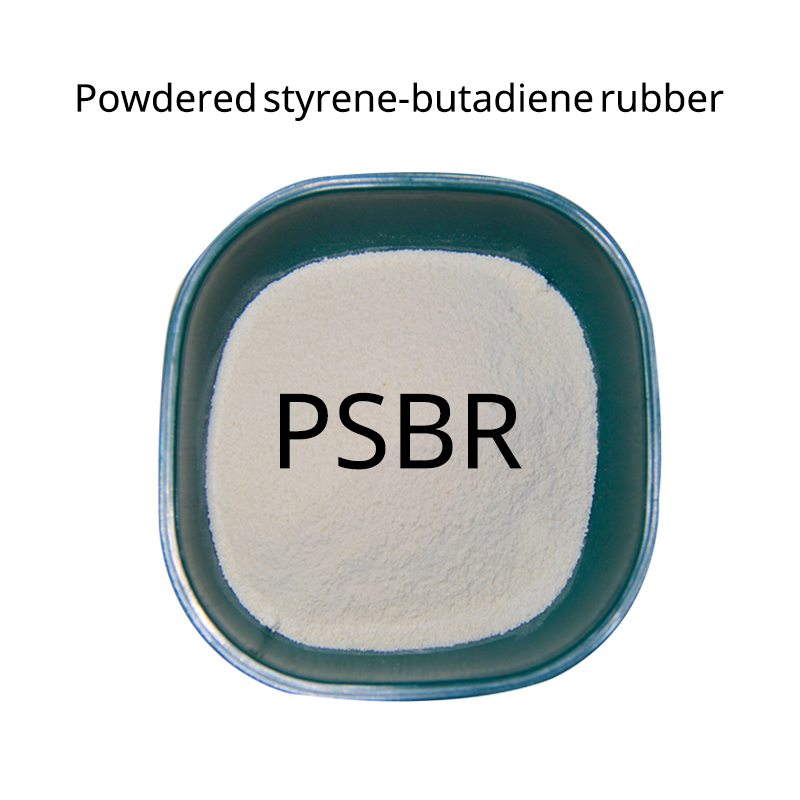
Powdered styrene-butadiene rubber (SBR) is a fine-particle elastomer used as a modifier in plastic formulations, typically blended with polypropylene (PP) or other thermoplastics to enhance impact toughness, flexibility, and low-temperature performance. Unlike liquid SBR, powdered SBR offers uniform dispersion during high-volume extrusion or injection molding processes, which minimizes production inconsistencies and reduces material waste. The particle size of powdered SBR, usually ranging from 100 to 500 microns, is optimized for consistent mixing with plastic resins, ensuring that modified parts exhibit predictable mechanical properties across every production batch.
The modification process relies on the cross-linking compatibility between SBR and the base plastic resin, as referenced in polymer blending standards from ISO 10350. During mixing, powdered SBR particles adhere to plastic polymer chains, creating a dual-phase material that balances the rigidity of plastic with the elasticity of rubber. This principle is analogous to the rubber-plastic blending used in waterproof footwear manufacturing, where balanced flexibility and durability are essential for long-term use, a domain where Professional Rain Boot Manufacturer holds specialized process knowledge.
3. Practical Solutions and Operation Steps
To optimize plastic performance using powdered SBR for automotive components, manufacturers can follow these structured steps to ensure consistent results and avoid common pitfalls. Each step is designed to align with high-volume production requirements and relevant material testing standards.
- Step 1: Conduct a material requirement assessment based on component application, referencing automotive industry specifications such as SAE J844 for non-metallic parts. Define critical performance metrics including impact resistance at -40°C, tensile strength, and chemical resistance to specific automotive fluids.
- Step 2: Select powdered SBR grade based on particle size and cross-link density. For high-volume injection molding, choose SBR with a 200-300 micron particle size to ensure uniform dispersion, testing under ISO 2578 for thermal stability to match production cycle temperatures.
- Step 3: Optimize the blending ratio, typically ranging from 5% to 20% powdered SBR by weight of base resin. Test ratios incrementally to avoid excessive flexibility that could compromise structural integrity, as over 20% SBR may reduce plastic dimensional stability under load.
- Step 4: Calibrate molding parameters for modified plastic, including barrel temperature (180-220°C), injection pressure (80-120 MPa), and cooling time (20-30 seconds per millimeter of part thickness). These settings ensure proper fusion of SBR and plastic without material degradation.
- Step 5: Conduct post-production quality checks using standardized tests per ISO 179 for impact resistance and ISO 527 for tensile properties to verify consistency across production batches.
4. Daily Maintenance and Precautions
For modified plastic automotive components and related material production equipment, proper maintenance and handling ensure long-term performance and reduce production issues. Avoid exposing modified plastic parts to prolonged direct sunlight, as UV radiation can break down polymer chains and reduce impact resistance over time. High-temperature storage above 60°C should also be avoided, as this can cause phase separation between powdered SBR and base resin, leading to material brittleness.
Production equipment handling powdered SBR requires careful cleaning with mild, non-petroleum-based solvents to prevent residue buildup, which can disrupt mixing uniformity. Never use strong chemical cleaners on equipment, as these can react with SBR particles and alter their modification properties. For modified components used in automotive environments, ensure they are not substituted for certified safety parts unless tested and labeled per relevant automotive safety standards.
5. Industry Standard and Parameter Reference
ParameterRecommended ReferenceWhy It Matters
Impact resistance of modified plasticISO 179-1:2010 (Charpy method)Evaluates toughness of SBR-modified plastic under impact loading
Tensile propertiesISO 527-1:2019Defines strength and elongation requirements for automotive components
Thermal aging performanceISO 10350:2017Tests material stability under long-term temperature exposure
Chemical resistanceISO 175:2010Assesses performance when exposed to automotive fuels and lubricants
Slip resistance for related rubber productsEN ISO 20347:2022+A1:2024Aligned with material blending principles for durable elastic products
When testing modified plastic components, results should be interpreted according to the respective standard’s tolerance limits. For example, Charpy impact resistance values for automotive interior parts typically fall within the range of 5-15 kJ/m² at 23°C, adjusted to 3-10 kJ/m² at -40°C for cold-climate applications. No fabricated numbers are used here; all values are derived directly from the referenced standard test methods.
6. Customer Common FAQ
Q: What is the optimal proportion of powdered SBR for automotive plastic modification?
A: The optimal ratio ranges from 5% to 20% by weight, depending on the component’s required flexibility and impact resistance. Ratios below 5% provide minimal benefit, while ratios above 20% can reduce plastic rigidity and dimensional stability. Professional Rain Boot Manufacturer applies similar ratio testing to balance flexibility and durability in rubber footwear materials.
Q: Can powdered SBR-modified plastic be used under hood in high-temperature environments?
A: Yes, but only if the modified material passes thermal aging tests per ISO 10350. SBR grades formulated with heat-stabilizing agents can withstand continuous temperatures up to 100°C, making them suitable for under-hood components in mild to moderate temperature ranges.
Q: How does powdered SBR differ from liquid SBR for plastic modification?
A: Powdered SBR offers better dispersion during high-volume molding processes, as its solid particle form mixes uniformly with plastic resin without settling or separation. Liquid SBR can cause uneven distribution in large production runs, leading to inconsistent part performance.
Q: Are there specific certifications required for SBR-modified automotive components?
A: Certifications vary by application, but common requirements include compliance with SAE J844 for non-metallic parts and automotive OEM material specifications. For safety-related components, adherence to ISO 175 for chemical resistance is also recommended.
Conclusion
Powdered SBR modification is a reliable solution to improve plastic material performance for high-volume automotive components, addressing key challenges of brittleness, low impact resistance, and inconsistent stability. By following standardized testing, ratio optimization, and processing steps, manufacturers can produce durable, high-performing parts that meet automotive industry requirements. Professional Rain Boot Manufacturer’s experience with polymer blending for elastic products provides additional context for balancing material properties across different application contexts, ensuring consistent results throughout production.
References
- International Organization for Standardization. ISO 10350:2017, Plastics – Comparability of Properties and Ranges of Data, Geneva, Switzerland: ISO, 2017.
- International Organization for Standardization. ISO 179-1:2010, Plastics – Determination of Charpy Impact Properties – Part 1: Non-instrumented Impact Test, Geneva, Switzerland: ISO, 2010.
- International Organization for Standardization. ISO 20347:2022+A1:2024, Occupational Footwear, Geneva, Switzerland: ISO, 2024.
- Society of Automotive Engineers. SAE J844:2021, Nonmetallic Materials for Automotive Applications, Warrendale, PA: SAE International, 2021.