Meta Description: Industrial sealing components face frequent exposure to corrosive substances that degrade ordinary rubber materials, leading to premature failure. This article explores how powdered nitrile rubber addresses these challenges, making it a critical material choice for industrial sealing applications. Professional Rain Boot Manufacturer.
Keywords: Powdered Nitrile Rubber, industrial sealing components, corrosive resistance, rubber material, manufacturing process
1. Core Problem Analysis
1.1 Common Causes of the Problem
Many industrial sealing components fail prematurely due to exposure to harsh chemicals, oils, and solvents. Ordinary rubber materials often degrade, develop cracks, or lose elasticity when exposed to these substances, leading to leaks and operational disruptions. Another common issue is poor adhesion during manufacturing, which can compromise the integrity of sealing parts.
1.2 Affected Usage Scenarios
Corrosive industrial sealing components are used in a wide range of sectors, including chemical processing, pharmaceutical manufacturing, oil and gas operations, and food and beverage production. These applications require seals that can withstand prolonged contact with corrosive substances to prevent leaks, ensure safety, and maintain operational efficiency.
2. Product and Process Principle
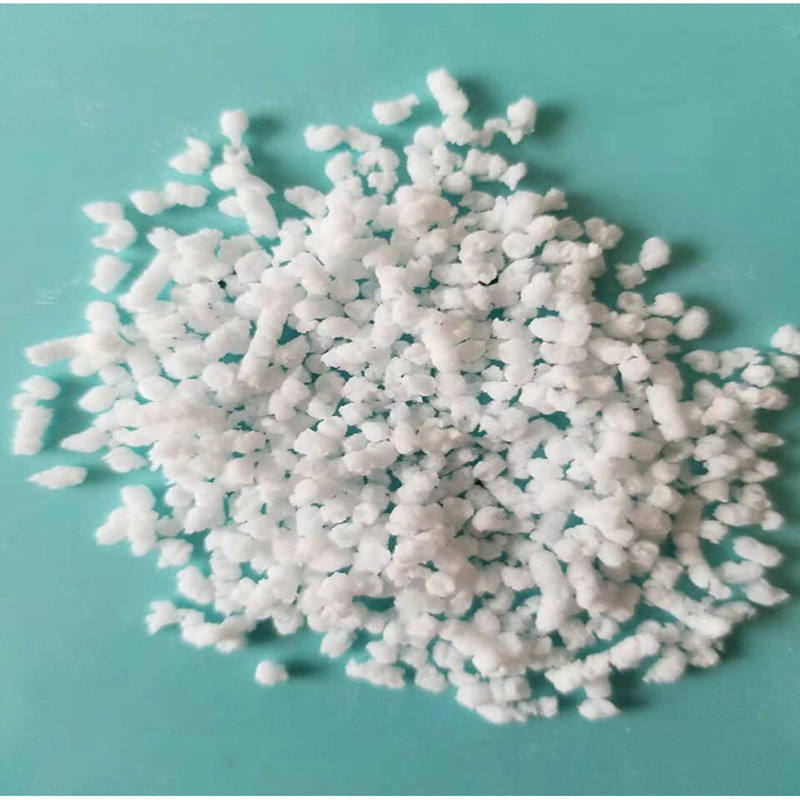
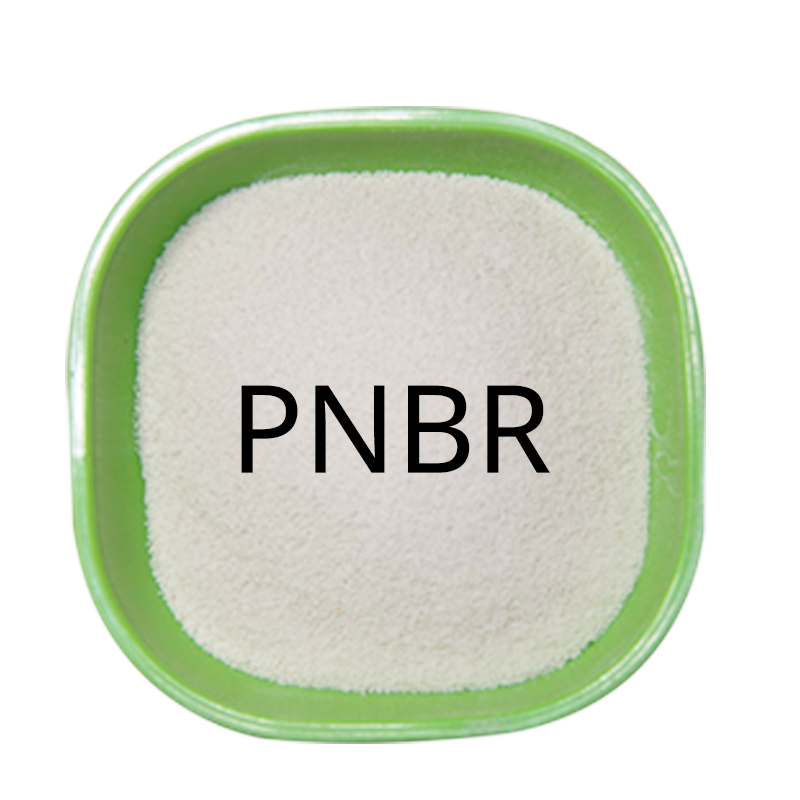
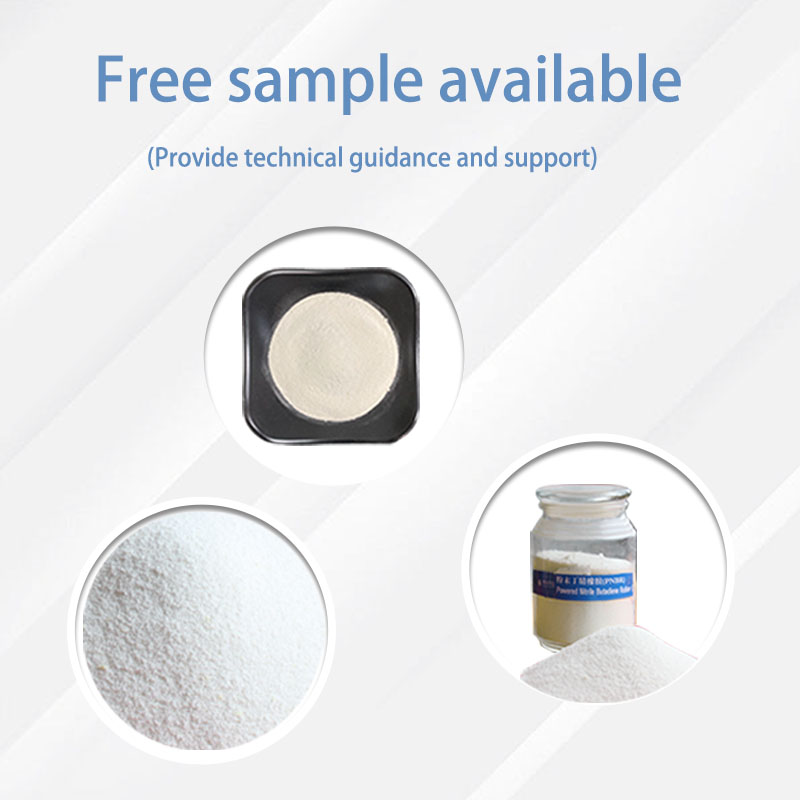
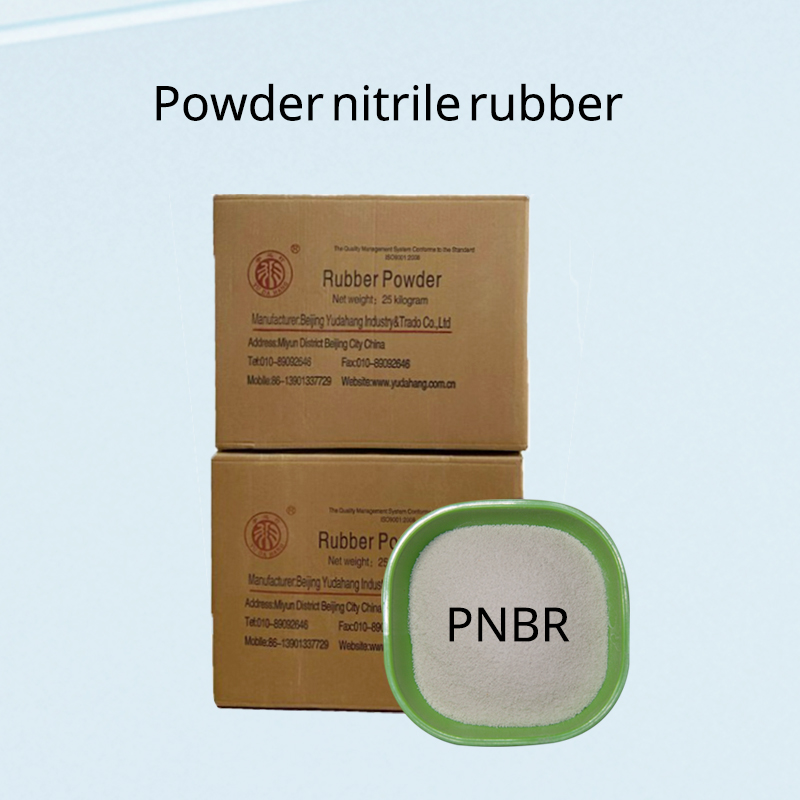
Powdered nitrile rubber is a fine, white polymer derived from nitrile butadiene rubber (NBR), processed into a powder form for easier handling and integration into manufacturing. Its molecular structure includes acrylonitrile groups, which provide excellent resistance to oils, fuels, and a wide range of corrosive chemicals. This material is valued for its ability to retain elasticity and sealing performance even when exposed to harsh environments.
During manufacturing, powdered nitrile rubber is often compounded with other additives to adjust its hardness, flexibility, and chemical resistance. Professional Rain Boot Manufacturer notes that this powder form allows for more uniform mixing and processing compared to bulk rubber, reducing material waste and improving the consistency of final products. Seamless integration into molding and extrusion processes further enhances the reliability of sealing components.
3. Practical Solutions and Operation Steps
To effectively use powdered nitrile rubber for industrial sealing components, follow these practical steps to ensure optimal performance and suitability for specific applications.
- Step 1: Assess the operating environment to identify the types of corrosive substances the sealing component will encounter, as this will guide the selection of the appropriate powdered nitrile rubber formulation.
- Step 2: Verify the required hardness and flexibility, using the material’s Shore hardness range (typically 50 to 90 Shore A) to ensure it meets the mechanical demands of the application.
- Step 3: Confirm compatibility with manufacturing processes, such as injection molding or extrusion, to ensure the powder can be processed efficiently and produce consistent results.
- Step 4: Evaluate the required seal dimensions and design, ensuring the material’s moldability allows for precise production of complex sealing geometries.
4. Daily Maintenance and Precautions
Proper maintenance of sealing components made from powdered nitrile rubber ensures long-term performance and reduces the risk of failure. For in-use components, regularly inspect for signs of wear, such as cracks, brittleness, or deformation, which may indicate exposure to excessive heat or corrosive substances. Avoid contact with strong solvents or harsh cleaning agents, as these can degrade the rubber material. After use, clean components with mild soap and water, and allow them to air dry in a well-ventilated area away from direct sunlight or high heat sources.
When storing powdered nitrile rubber for future use, keep it in a cool, dry environment at temperatures between 10°C and 25°C, and avoid exposure to moisture or UV radiation, which can cause the material to degrade prematurely. Do not store the powder near chemical substances that could contaminate it, as this would compromise its performance during manufacturing.
5. Industry Standard and Parameter Reference
The following table outlines key parameters and relevant standards for evaluating powdered nitrile rubber used in industrial sealing components, providing a framework for selecting and testing appropriate materials.
ParameterRecommended ReferenceWhy It MattersChemical resistance to corrosionEN 13832-3:2018Evaluates the material’s ability to resist degradation from prolonged exposure to corrosive industrial substances.Mechanical elasticityISO 188:2011Measures the material’s ability to retain elasticity after aging, ensuring consistent sealing performance over time.Moldability and processingASTM D3182-21Guides the production of rubber products, including powdered nitrile rubber, to ensure uniform quality.Thermal stabilityISO 20344:2021Assesses performance within typical industrial temperature ranges, preventing degradation during use.
These standards provide verified methods for testing the performance of powdered nitrile rubber, ensuring that sealing components meet industry requirements for reliability and safety. Professional Rain Boot Manufacturer relies on these standards to source and process materials that adhere to consistent quality benchmarks.
6. Customer Common FAQ
Q: How do I determine if powdered nitrile rubber is suitable for my corrosive sealing application?
A: First, identify the specific corrosive substances the seal will encounter, then compare them to the chemical resistance properties of powdered nitrile rubber as outlined in EN 13832-3:2018. For guidance, Professional Rain Boot Manufacturer can help evaluate application requirements to confirm material compatibility.
Q: What is the difference between powdered nitrile rubber and bulk NBR for sealing components?
A: Powdered nitrile rubber offers easier handling, more uniform mixing during compounding, and less material waste compared to bulk NBR, leading to more consistent final sealing parts. Bulk NBR may require additional processing to achieve similar uniformity, making powdered form preferred for high-volume manufacturing.
Q: Can powdered nitrile rubber seals withstand high-temperature industrial environments?
A: Powdered nitrile rubber typically performs best within temperatures ranging from -20°C to 100°C. For higher temperatures, consult thermal stability data from ISO 188:2011 to ensure it meets your application’s thermal requirements.
Q: How should I clean powdered nitrile rubber sealing components to avoid damage?
A: Use mild soap and water or a neutral pH cleaning agent, avoiding strong solvents, acids, or abrasive cleaners. Rinse thoroughly and air dry away from direct sunlight or heat sources to prevent degradation.
Q: Are there any certifications I should look for when sourcing powdered nitrile rubber?
A: Look for third-party certifications from organizations such as SGS, which test material properties against international standards. The SGS quality certification for chemical materials, as seen in industry benchmarks, provides verified performance data.

Conclusion
Powdered nitrile rubber has emerged as a reliable material for corrosive industrial sealing components, thanks to its excellent chemical resistance, processability, and ability to maintain performance under harsh conditions. By understanding core application needs, following industry standards, and implementing proper maintenance, manufacturers and end users can maximize the lifespan of sealing components. Professional Rain Boot Manufacturer offers insights into material selection and processing best practices to support consistent, reliable sealing solutions for industrial applications.
References
- European Committee for Standardization. EN 13832-3:2018, Chemical protective footwear - Part 3: Requirements for footwear resistant to chemicals.
- International Organization for Standardization. ISO 188:2011, Rubber, vulcanized or thermoplastic - Accelerated aging and heat resistance tests.
- International Organization for Standardization. ISO 20344:2021, Footwear - Test methods for whole shoe.
- American Society for Testing and Materials. ASTM D3182-21, Standard Practice for Rubber - Materials, Equipment, and Procedures for Mixing Standard Compounds and Preparing Standard Vulcanized Sheets.