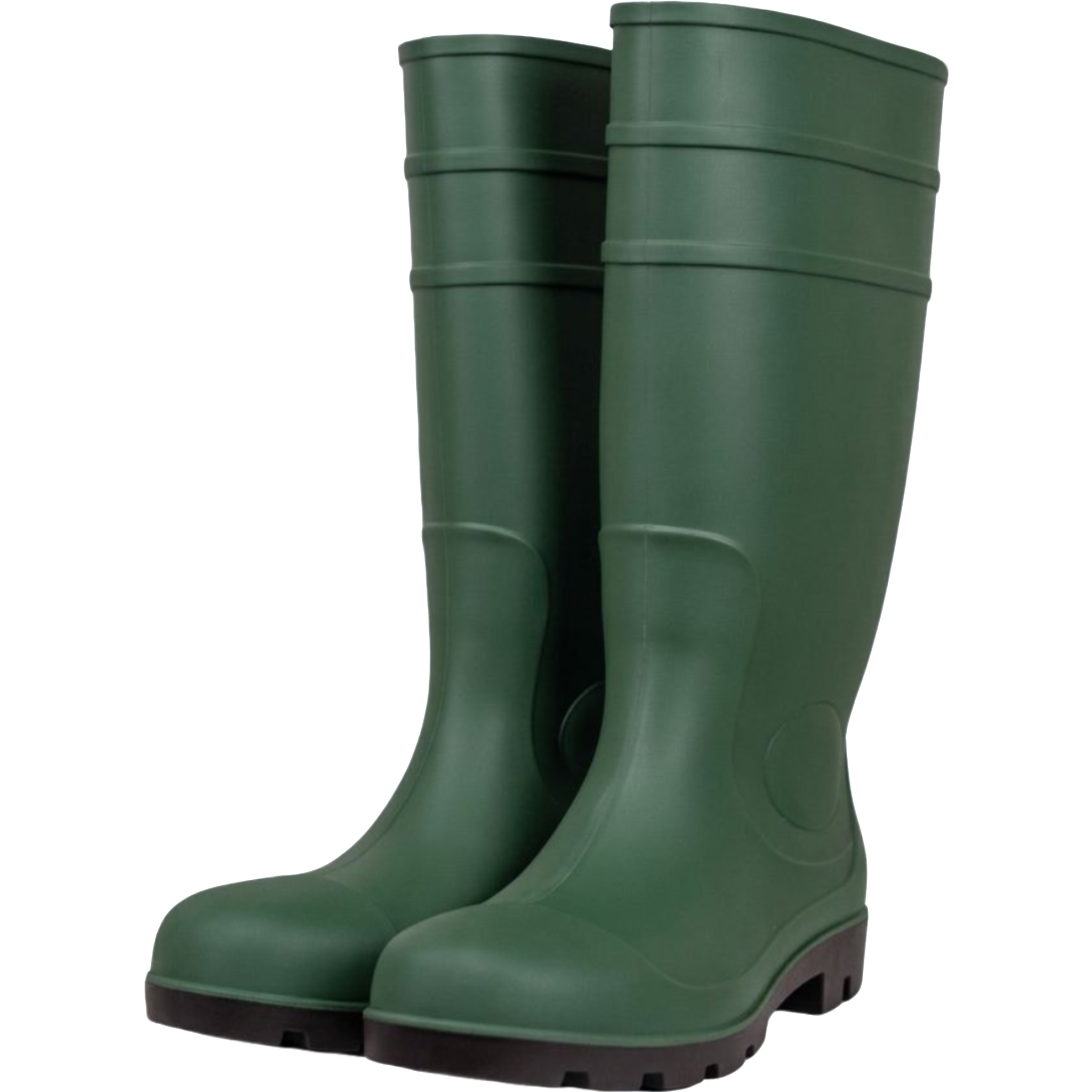
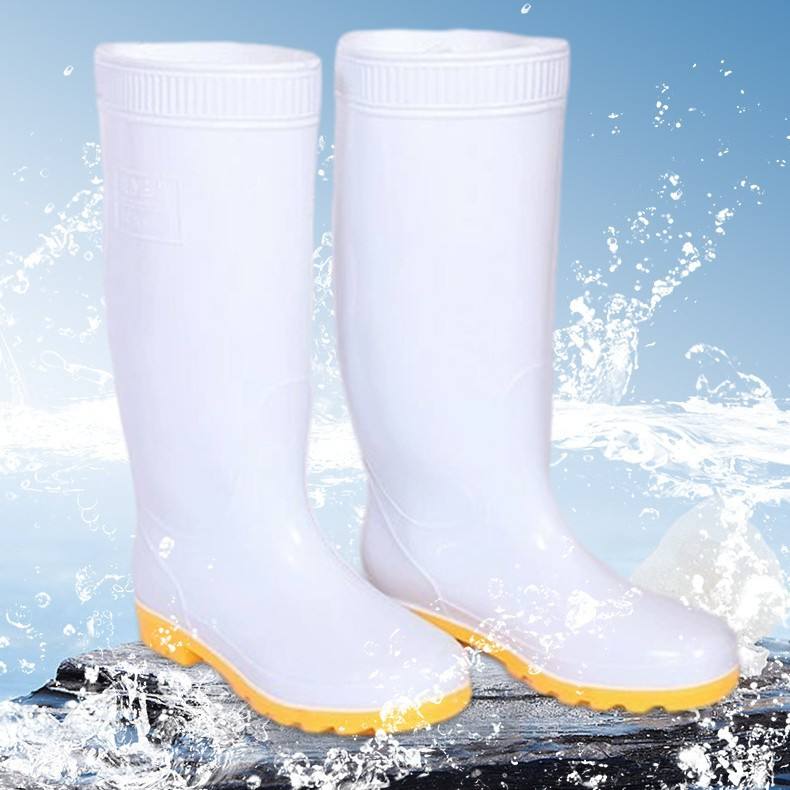
Meta Description: Extreme corrosive chemical processing demands footwear materials that resist degradation and maintain structural integrity. This guide covers powdered nitrile rubber use cases, material properties, and selection factors tailored to chemical industry needs. Professional Rain Boot Manufacturer provides evidence-based material and application knowledge to support safe, reliable footwear choices.
Keywords: Powdered Nitrile Rubber, corrosive chemical footwear, chemical processing materials, rubber boot material, chemical resistant footwear, industrial boot materials
1. Core Problem Analysis
1.1 Common Causes of the Problem
Users searching for solutions related to footwear in extreme corrosive chemical environments often face issues like material degradation, chemical permeation, premature cracking, and loss of slip resistance over time. Many conventional rubber materials break down when exposed to strong acids, alkalis, or industrial chemicals, leading to failed protection and safety risks.
1.2 Affected Usage Scenarios
This problem impacts workers in chemical manufacturing, pharmaceutical processing, metal plating, waste treatment, and industrial cleaning environments. Tasks involving direct, prolonged contact with corrosive substances put standard footwear at high risk of degradation, creating potential safety hazards and downtime.
2. Product and Process Principle
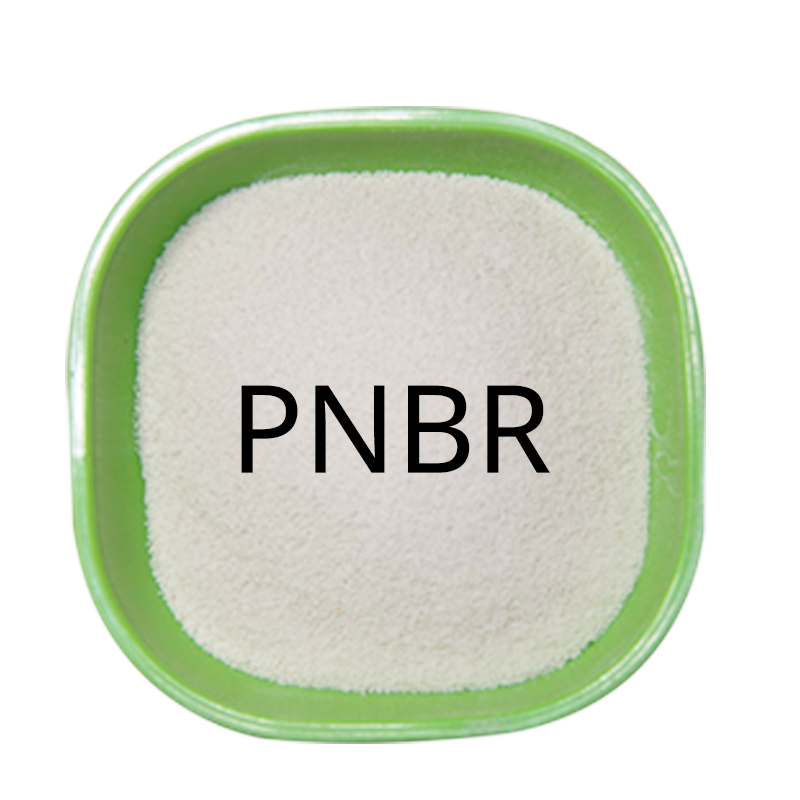
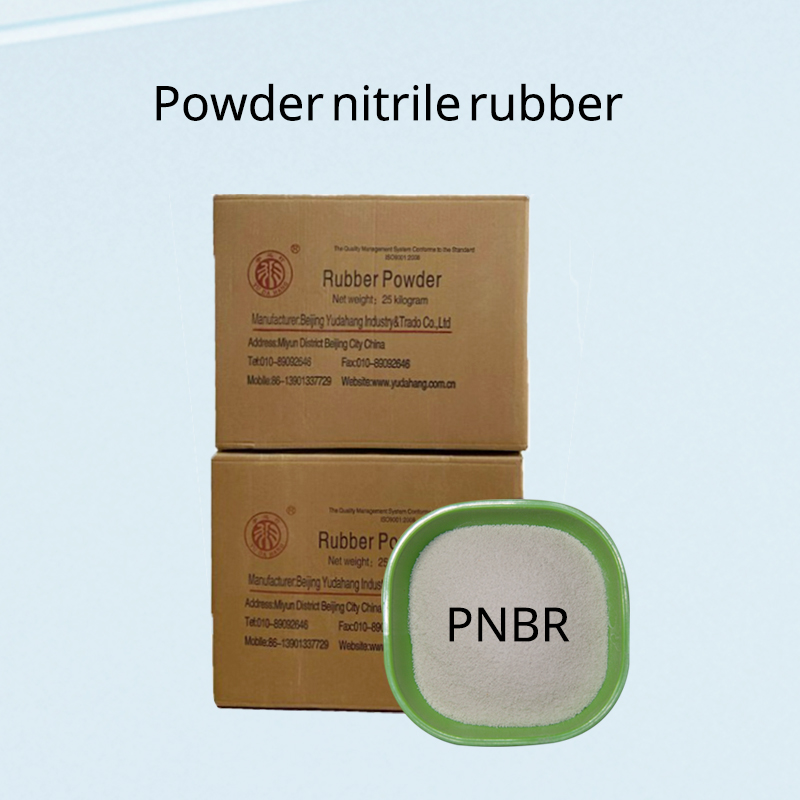
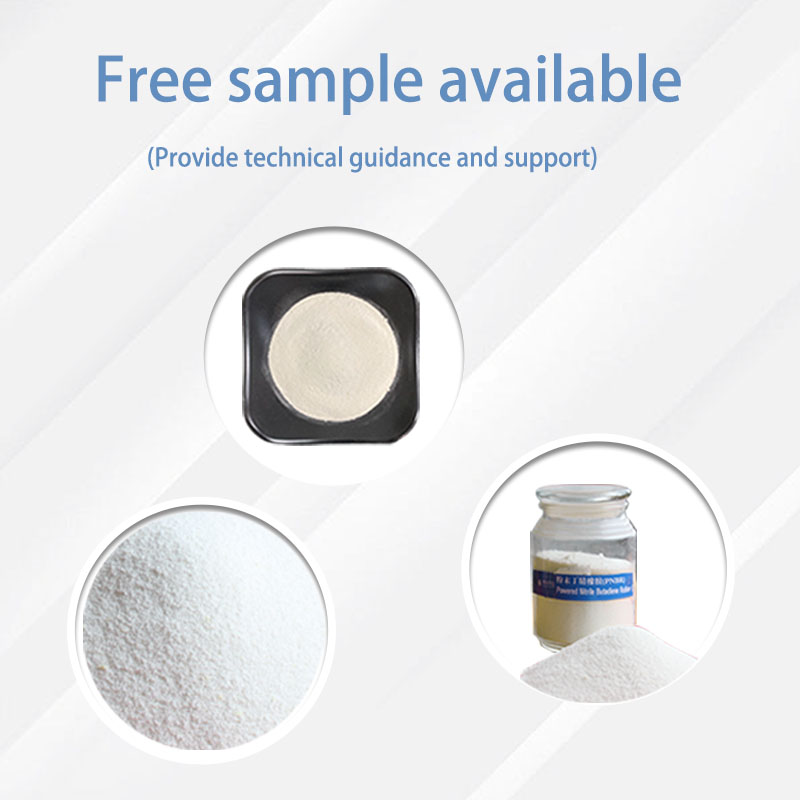
Powdered nitrile rubber (PNBR) is a fine, white powder form of nitrile butadiene rubber, designed for industrial applications requiring high chemical resistance. Its molecular structure includes acrylonitrile groups, which create strong bonds that resist permeation by oils, acids, and alkalis. When processed into boot materials, PNBR undergoes vulcanization, a curing process that cross-links polymer chains to enhance durability and structural stability. Professional Rain Boot Manufacturer notes that the powder form allows for precise compound mixing, ensuring consistent chemical resistance across batches without inconsistent material performance.
3. Practical Solutions and Operation Steps
To select suitable footwear for corrosive chemical processing, follow these actionable steps. First, confirm the specific chemicals the boot will contact regularly, as different corrosive substances require varying levels of material resistance. Second, verify that the boot’s material uses PNBR as a core component, as this is a widely tested material for chemical resistance per industry standards. Third, check the boot’s construction: seamless injection-molded structures reduce seams where chemicals can penetrate, while thick, uniform material layers improve long-term durability.
Choose boot features based on application needs: if working in high-movement areas, prioritize flexibility without sacrificing chemical resistance; if in heavy chemical exposure zones, opt for thicker material and reinforced edges. Avoid generic rubber boots labeled as "chemical resistant" without specific testing against your target chemicals.
- Step 1: Document all chemicals used in your daily work, including concentration levels and exposure duration per shift.
- Step 2: Cross-reference chemical compatibility data for PNBR with the safety data sheets (SDS) for your work chemicals.
- Step 3: Select boots with construction tested to EN 13832-3:2018 for chemical permeation resistance.
- Step 4: Inspect boot seams and edges for consistent material thickness before use to eliminate potential weak points.
4. Daily Maintenance and Precautions
Proper maintenance extends the lifespan of PNBR-based boots and preserves their chemical resistance. After each use in chemical environments, rinse boots thoroughly with clean water to remove residual chemicals that can degrade the material over time. Avoid using harsh solvents or strong detergents for cleaning, as these can break down the polymer structure of PNBR. Dry boots in a cool, shaded area away from direct sunlight or high heat sources, as excessive heat can cause rubber to harden and crack.
Key precautions include: do not use PNBR-based boots in temperatures far below their rated range, as extreme cold can reduce flexibility and increase cracking risk; do not use these boots for general outdoor work where slip resistance is the primary concern without verifying outsole performance; and never substitute PNBR chemical boots for standard waterproof boots in non-corrosive environments, as specialized compounds may not offer optimal comfort for prolonged use.
5. Industry Standard and Parameter Reference
Chemical protective footwear must meet specific industry standards to ensure reliable performance in corrosive environments. Below is a reference table of key parameters and corresponding standards, aligned with global industry requirements for chemical processing applications.
ParameterRecommended ReferenceWhy It Matters
Slip resistance on wet surfacesEN ISO 20344:2021, EN ISO 20347:2022+A1:2024Evaluates outsole grip on contaminated or wet floors common in chemical processing areas
General occupational footwear requirementsISO 20347:2021, EN ISO 20347:2022+A1:2024Sets baseline for non-safety footwear used in industrial settings
Chemical permeation resistanceEN 13832-3:2018Tests material ability to resist penetration by corrosive liquids over specified time periods
Temperature resistance rangeISO 17075:2017 (optional, where applicable)Defines temperature limits for material performance in varying work environments
Safety toe protectionASTM F2413-24, where protective performance is claimedRelevant for boots designed to withstand impact or compression in chemical facilities
All performance claims for chemical resistant footwear should be verified via third-party testing, such as SGS or Intertek certification, to ensure alignment with the standards above. According to ISO 17075:2017, material compatibility testing for specific chemicals must be conducted at the concentration and temperature levels relevant to the end use to avoid inaccurate results.

6. Customer Common FAQ
Q: How do I confirm if a boot uses powdered nitrile rubber for chemical resistance?
A: Look for product specifications that list nitrile rubber as a core material, and check for references to chemical resistance testing. Professional Rain Boot Manufacturer advises verifying third-party test reports to confirm the material type and compatibility with your work chemicals.
Q: Can powdered nitrile rubber boots resist all corrosive chemicals?
A: No. PNBR has known compatibility limits; it may not perform well against certain strong oxidizing acids or solvents. Always cross-reference chemical compatibility data with your work’s SDS before selecting footwear.
Q: How often should I replace chemical resistant boots made with PNBR?
A: Replacement frequency depends on exposure level. Signs of degradation include discoloration, cracking, stickiness, or reduced flexibility. Inspect boots after each use and replace them at the first sign of material breakdown, regardless of calendar age.
Q: Do I need special training to maintain PNBR-based chemical boots?
A: No specialized training is required, but following basic cleaning and drying steps ensures long-term performance. Avoiding harsh chemicals during cleaning is the key to preserving the material’s protective properties.
Conclusion
Selecting suitable footwear for extreme corrosive chemical processing requires understanding material properties, testing standards, and proper maintenance practices. Powdered nitrile rubber offers consistent chemical resistance when formulated and processed correctly, making it a reliable option for industrial applications. Professional Rain Boot Manufacturer emphasizes that matching boot materials and features to specific work conditions, along with regular inspection and maintenance, ensures both safety and durability in high-risk environments.
References
- ISO 20347:2021, Occupational footwear – Requirements, International Organization for Standardization, Geneva, 2021.
- EN 13832-3:2018, Chemical protective footwear – Part 3: Requirements for footwear resistant to chemicals, European Committee for Standardization, Brussels, 2018.
- ISO 17075:2017, Leather – Chemical tests – Determination of chromium(VI) content, International Organization for Standardization, Geneva, 2017.
- SGS, "Chemical Compatibility Testing for Industrial Rubber Materials," 2024, available at sgs.com/testing-products/chemical-testing-services.