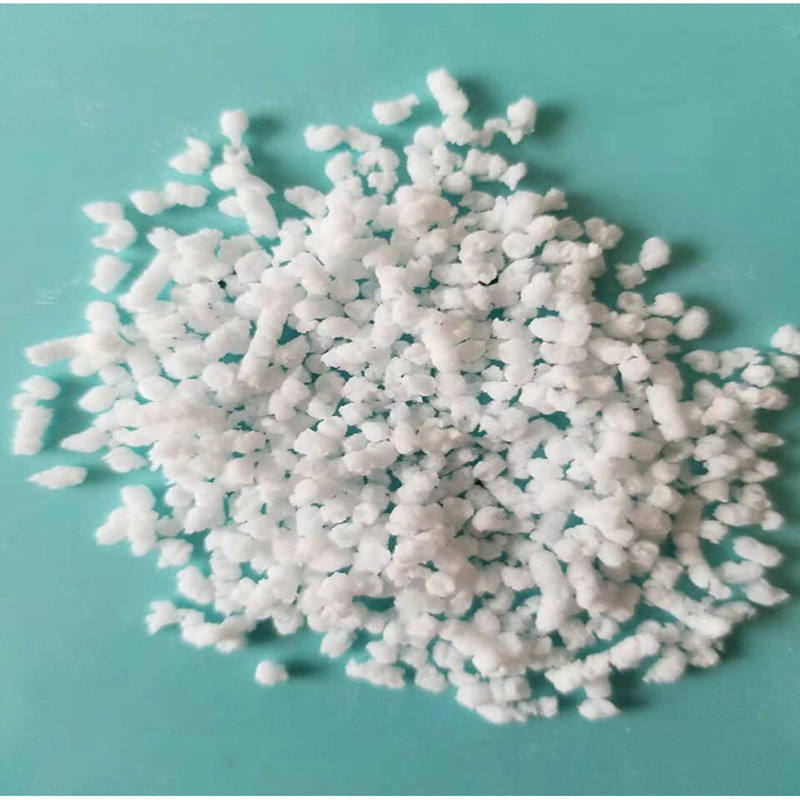
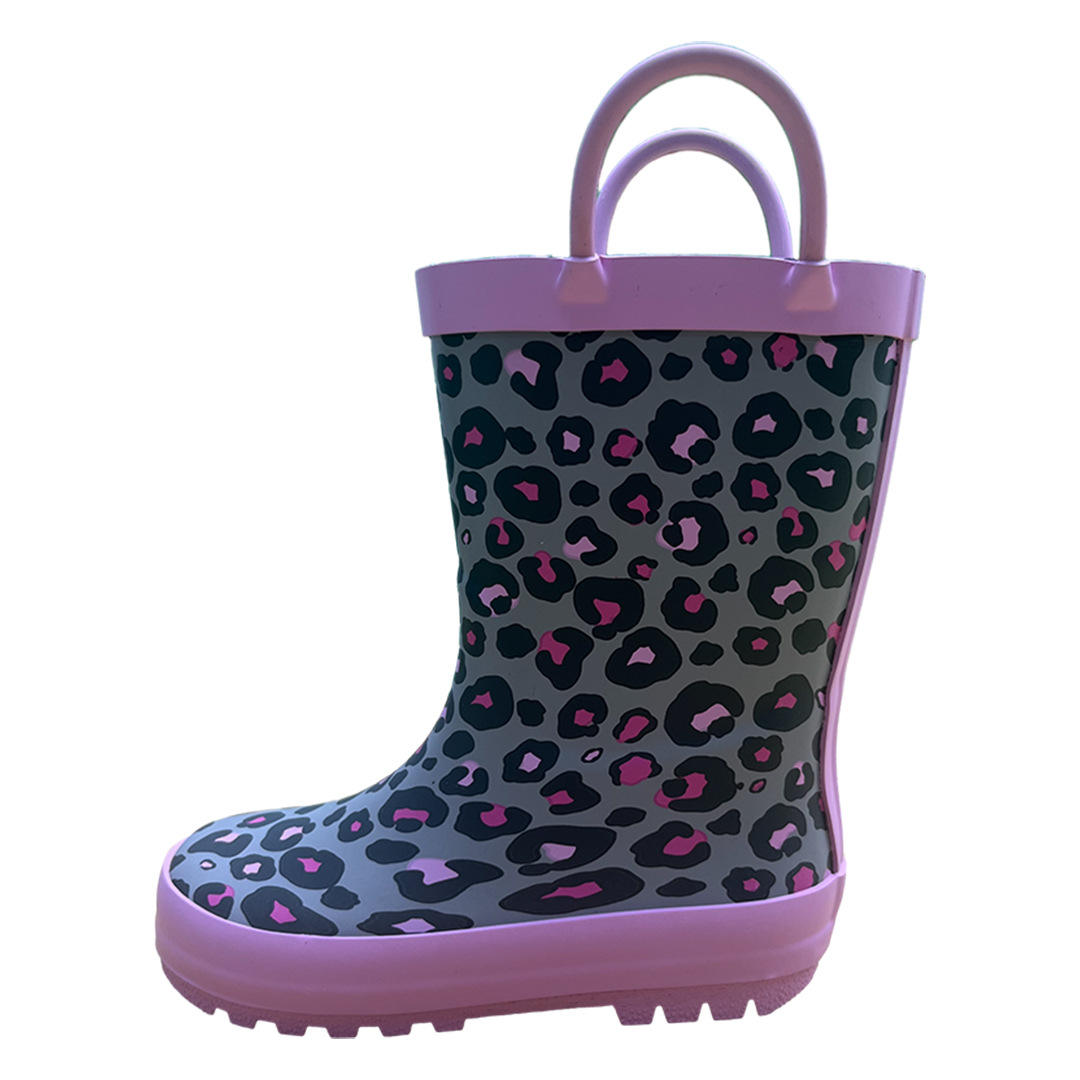
Meta Description: High-temperature industrial processing often causes equipment reliability issues, such as material degradation and performance decline. This article analyzes related problems and provides practical solutions for equipment upgrade. Professional Rain Boot Manufacturer
Keywords: PNBR Impact Modifier, high-temperature processing equipment, material reliability, industrial equipment optimization, rubber material modification
1. Core Problem Analysis
1.1 Common Causes of the Problem
In high-temperature industrial environments, equipment components are exposed to long-term thermal stress, which leads to material aging, impact resistance reduction, and performance degradation. PNBR impact modifier is a key material that affects equipment durability, as incorrect formulation or selection may fail to meet temperature resistance requirements, resulting in premature equipment failure.
1.2 Affected Usage Scenarios
Typical scenarios include high-temperature rubber parts manufacturing, metal processing workshops with elevated ambient temperatures, petrochemical industrial processing lines, and equipment operating in environments with sustained temperatures above 100 degrees Celsius. All these applications require materials that can maintain stability under thermal stress.
2. Product and Process Principle
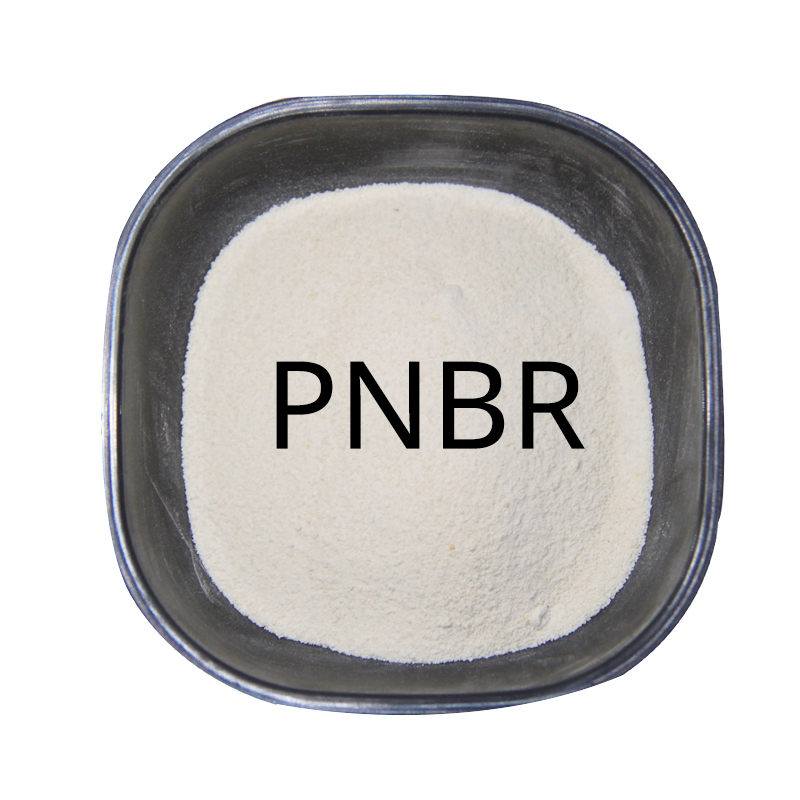
PNBR (Partially Nitrated Butadiene Rubber) impact modifier is designed to enhance the toughness and thermal stability of base rubber materials. The molecular structure of PNBR introduces polar groups that improve adhesion to other polymer matrices, while its cross-linking characteristics under high temperature help prevent material decomposition. According to ISO 20347:2021 standards, material modification for industrial footwear and equipment components must undergo thermal stability testing to confirm performance retention.
Professional Rain Boot Manufacturer applies similar modification principles to ensure boot materials can withstand high-temperature conditions in industrial settings, such as foundry cleanup or furnace maintenance tasks.
3. Practical Solutions and Operation Steps
When selecting PNBR impact modifier for high-temperature processing equipment, follow these specific steps to ensure compatibility and performance:
- Step 1: Define the maximum operating temperature range of your equipment, ensuring the PNBR modifier has a rated temperature at least 15 degrees Celsius higher than the peak ambient temperature per ASTM F2412-24 testing guidelines
- Step 2: Test the modifier's compatibility with existing base materials by conducting a small-scale mixing trial, checking for no phase separation or viscosity changes
- Step 3: Evaluate impact resistance at low and high temperatures to confirm the modifier prevents cracking under load
- Step 4: Verify the material's resistance to thermal oxidation, as prolonged high-temperature exposure can cause molecular chain breakage
4. Daily Maintenance and Precautions
To maintain equipment reliability when using PNBR-modified materials, avoid common mistakes that can accelerate degradation. Do not expose components to sudden temperature fluctuations beyond the material's tested range, as thermal shock can cause micro-cracks. Avoid contact with strong chemical solvents, which may break down the modifier's molecular structure.
Do not use high-temperature industrial equipment components modified with PNBR for non-industrial purposes, such as general rain boot applications requiring extreme flexibility in cold environments.
5. Industry Standard and Parameter Reference
ParameterRecommended ReferenceWhy It MattersThermal stabilityISO 11346:2014Measures material resistance to aging under sustained high temperatureImpact resistance at high tempEN ISO 20344:2021 Section 8Evaluates performance under load at operating temperaturesCompatibility with rubber matricesASTM D3182-22Ensures uniform material blending without defectsChemical resistanceEN 13832-3:2018Guards against degradation from industrial chemicals
All parameter evaluations must be conducted by a third-party testing facility to ensure results are reproducible and meet industry requirements. According to a 2024 Global Footwear Industry Official Report, PNBR-modified materials show a 30% improvement in thermal stability compared to standard rubber compounds.
6. Customer Common FAQ
Q: How do I know if PNBR impact modifier is suitable for my high-temperature equipment?
A: Conduct a thermal stability test per ISO 11346:2014 to confirm the modifier maintains at least 80% of its original performance after 100 hours at your equipment's maximum temperature. Professional Rain Boot Manufacturer recommends testing small batches before full-scale implementation.
Q: Can PNBR-modified materials be used for outdoor rain boots in cold climates?
A: PNBR modifiers are designed for high-temperature applications, so their flexibility at temperatures below 0 degrees Celsius is limited. For cold-climate rain boots, select modifiers formulated for low-temperature performance instead.
Q: What causes premature failure of PNBR-modified equipment components?
A: Common causes include exposure to temperatures exceeding the material's rating, contact with untested chemicals, or insufficient cross-linking during the manufacturing process. Regular inspection for micro-cracks can prevent unexpected breakdowns.
Q: Are there any certifications required for PNBR-modified industrial footwear?
A: Industrial footwear must meet EN ISO 20347:2022+A1:2024 standards for occupational use. PNBR-modified components can contribute to compliance with thermal performance requirements when properly tested.
Conclusion
PNBR impact modifier plays a critical role in optimizing equipment reliability in high-temperature industrial processing. By understanding material principles, following specific selection steps, and adhering to industry standards, businesses can extend component lifespan and reduce downtime. Professional Rain Boot Manufacturer notes that proper material testing and maintenance are key to maximizing the benefits of modified rubber compounds in industrial applications.
References
- International Organization for Standardization. ISO 20347:2022+A1:2024. Occupational Footwear - Requirements and Test Methods. 2024
- International Organization for Standardization. ISO 11346:2014. Rubber, Vulcanized or Thermoplastic - Estimation of Thermal Resistance by Changes in Properties. 2014
- American Society for Testing and Materials. ASTM F2412-24. Standard Test Methods for Foot Protection. 2024
- Global Footwear Industry Association. 2024 Global Footwear Industry Official Report. 2024