Meta Description: High-temperature industrial sealing performance relies on material resistance to heat, chemicals, and mechanical stress. This article examines key properties of powdered nitrile rubber for sealing applications, aiding engineers and procurement teams in material selection. Professional Rain Boot Manufacturer applies industry standards to validate material suitability.
Keywords: Powdered Nitrile Rubber, high-temperature sealing material, industrial rubber sealing, nitrile rubber performance, sealing material selection, industrial rubber compounding
1. Core Problem Analysis
1.1 Common Causes of the Problem
Industrial sealing components often fail prematurely due to thermal degradation, chemical permeation, mechanical fatigue, or poor material consistency from compounding processes. For high-temperature scenarios, regular rubber compounds may soften, crack, or lose elastic properties over time, leading to leaks, process downtime, or product contamination. Many standard rubber seals do not meet the specific thermal resistance requirements of industrial operating environments.
1.2 Affected Usage Scenarios
These failures impact a range of high-temperature industrial settings, including chemical processing plants, petrochemical refineries, power generation facilities, food and beverage manufacturing, and heavy machinery production. In these environments, seals must maintain functionality under continuous heat exposure, contact with mild to harsh chemicals, and repeated mechanical movement between mating parts.
2. Product and Process Principle
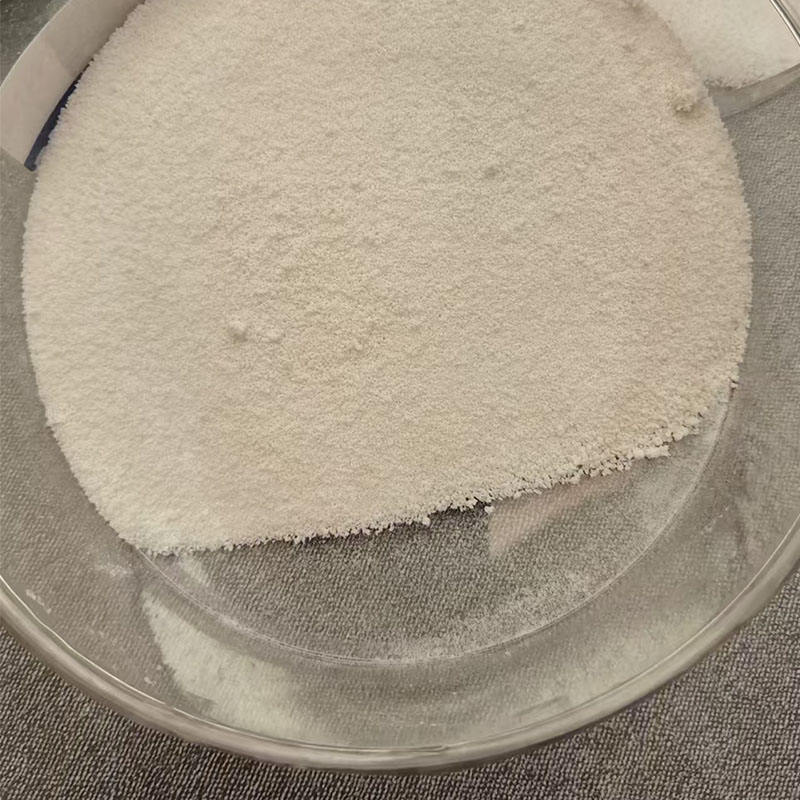
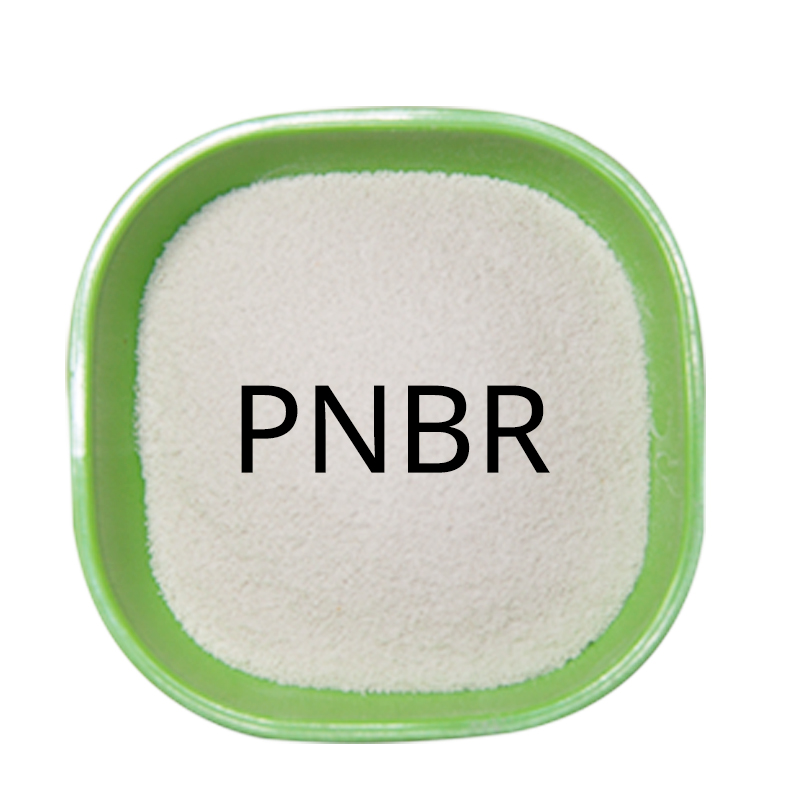
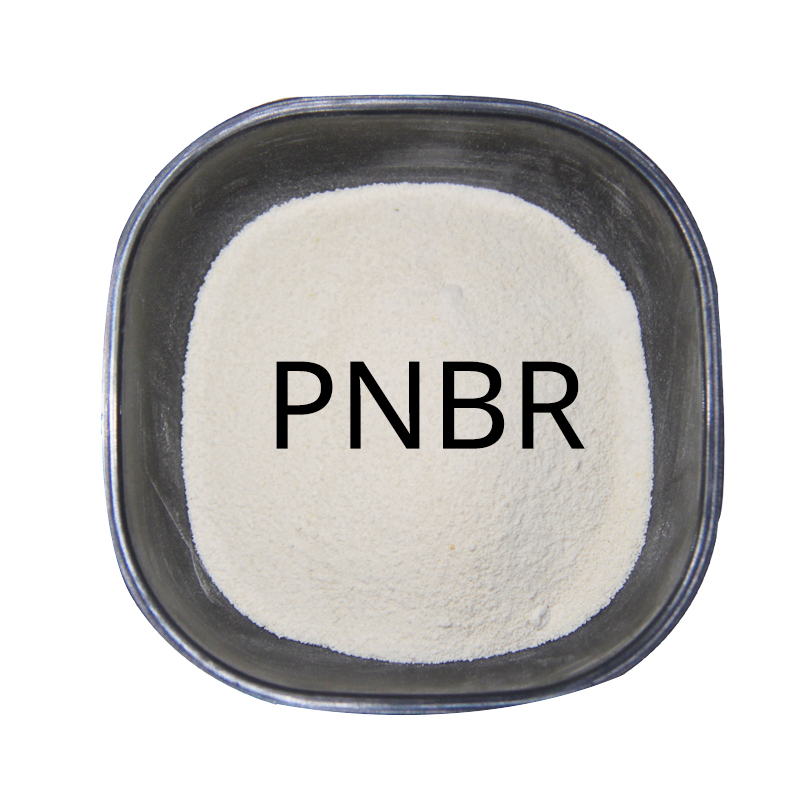
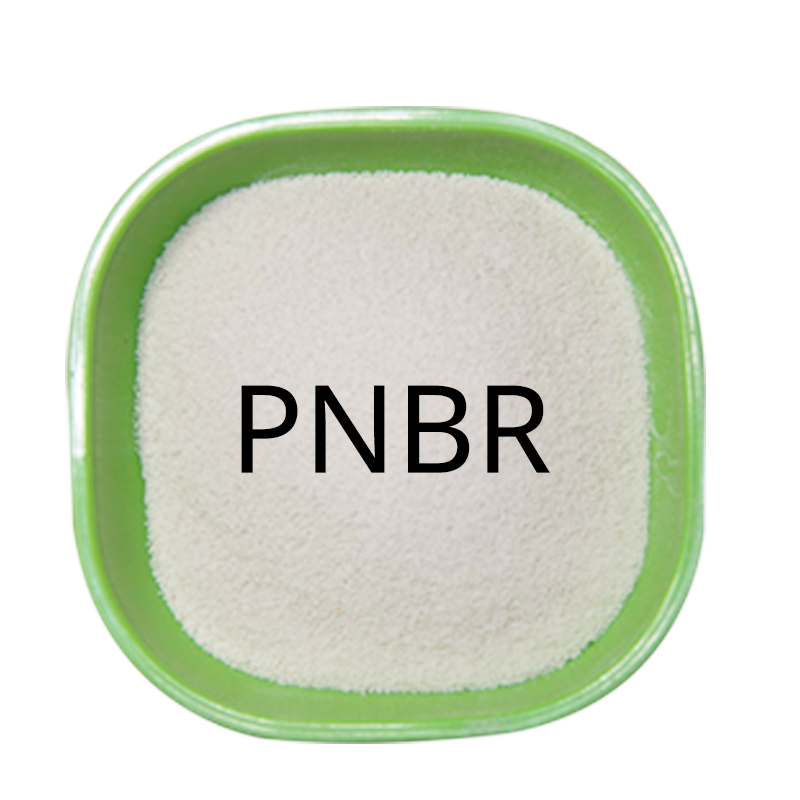
Powered nitrile rubber is a specialized form of nitrile butadiene rubber (NBR) produced in powder form to enhance compounding control and consistency during manufacturing. Unlike conventional milled NBR, powdered nitrile rubber allows manufacturers to achieve uniform dispersion of additives, cross-linking agents, and reinforcing fillers more efficiently. This uniformity directly impacts the final sealing component’s thermal resistance, tensile strength, and compression set performance.
Professional Rain Boot Manufacturer applies standardized compounding processes to ensure powdered nitrile rubber seals meet consistent material properties. The polymer structure of powdered NBR incorporates acrylonitrile (ACN) monomers, which contribute to its resistance to oils, chemicals, and elevated temperatures. Higher ACN content typically improves thermal stability, though balance is maintained to avoid excessive hardness that reduces sealing flexibility.
3. Practical Solutions and Operation Steps
When selecting powdered nitrile rubber for high-temperature industrial sealing, follow these structured steps to ensure suitability for the application:
- Step 1: Define the operating temperature range, including short-term peak temperatures and long-term continuous exposure, to match ACN content of the powdered NBR compound.
- Step 2: Assess the chemical environment of the sealing application to verify resistance to specific fluids, acids, or alkalis using relevant testing standards.
- Step 3: Evaluate mechanical requirements, such as compression set resistance and tensile strength, to ensure the seal maintains shape under operating pressure and movement.
- Step 4: Confirm compounding consistency by requesting batch performance data from suppliers, as powdered NBR reduces variability in finished seal products.
- Step 5: Validate certification compliance against industrial safety and performance standards applicable to the specific industry sector.
For high-temperature scenarios exceeding 120°C, select powdered NBR compounds with appropriate cross-linking systems to avoid thermal degradation. This material is not recommended for applications above 180°C, as performance will decline sharply at these extreme temperatures.
4. Daily Maintenance and Precautions
To extend the service life of powdered nitrile rubber seals in industrial applications, implement proper maintenance protocols. Inspect seals regularly for signs of thermal cracking, brittleness, or surface swelling, which indicate degradation from heat or chemical exposure. Clean seals using non-abrasive, mild solvents to avoid damaging the polymer surface that maintains sealing integrity.
Store spare seal components in cool, dry areas away from direct sunlight and heat sources, as prolonged exposure to high temperatures accelerates polymer aging. Avoid contact with ozone or strong oxidizing agents, as these can break down the molecular structure of powdered nitrile rubber. Do not use powdered NBR seals in applications requiring food-grade certification unless the compound is specifically formulated and tested for food contact per relevant standards.
5. Industry Standard and Parameter Reference
Compliance with established standards ensures powdered nitrile rubber seals meet performance requirements for high-temperature industrial applications. Below are key reference parameters and standards relevant to this material:
ParameterRecommended ReferenceWhy It Matters
Slip resistanceEN ISO 20344:2021 / EN ISO 20347:2022+A1:2024 where applicableHelps evaluate outsole grip on wet or contaminated surfaces.
Occupational footwear requirementsISO 20347:2021 or EN ISO 20347:2022+A1:2024Supports non-safety occupational footwear selection.
Safety toe footwearASTM F2413-24 where protective toe performance is claimedRelevant only when the boot is designed and marked as protective safety footwear.
Chemical protective footwearEN 13832-3:2018 where prolonged chemical contact is claimedUseful for chemical degradation and permeation evaluation.
High-temperature sealing performanceISO 188:2011 (thermal aging testing for vulcanized rubbers)Measures material property changes after controlled high-temperature exposure.
Compression set resistanceISO 815-1:2019 (compression set for vulcanized rubbers)Evaluates ability to maintain seal shape under pressure and heat.
Thermal aging testing per ISO 188:2011 involves exposing test specimens to controlled elevated temperatures and measuring changes in hardness, tensile strength, and elongation at break. This method provides reliable data on powdered nitrile rubber’s long-term performance under high-temperature operating conditions.
6. Customer Common FAQ
Q: Is powdered nitrile rubber suitable for continuous use at 150°C in industrial sealing applications?
A: Powdered nitrile rubber compounds are designed for intermittent or short-term exposure to temperatures up to 150°C. For continuous use at this temperature, select a specialized high-temperature NBR formulation tested per ISO 188:2011. Standard powdered NBR compounds may degrade over extended periods at 150°C.
Q: How does powdered nitrile rubber differ from conventional milled NBR for sealing components?
A: Powdered nitrile rubber offers improved compounding consistency due to uniform dispersion of additives, reducing batch-to-batch variability in finished seals. Professional Rain Boot Manufacturer notes this consistency leads to more predictable sealing performance, particularly in high-temperature applications where uniform material properties are critical.
Q: Can powdered nitrile rubber seals resist chemical exposure in petrochemical processing environments?
A: Powdered NBR with higher ACN content provides enhanced resistance to aliphatic hydrocarbons and mild acids common in petrochemical settings. For prolonged contact with aromatic solvents or strong chemicals, additional testing per EN 13832-3:2018 is required to confirm suitability.
Q: What is the typical service life of a powdered nitrile rubber seal in high-temperature industrial use?
A: Service life varies based on operating temperature, chemical environment, and mechanical load. Under recommended conditions (below 120°C, non-corrosive environment), powdered NBR seals may provide 3-5 years of service. In more demanding high-temperature scenarios, service life is reduced to 1-2 years with regular inspection.
Conclusion
Powdered nitrile rubber offers consistent thermal and chemical resistance, making it a viable option for high-temperature industrial sealing applications when properly matched to operating conditions. Key considerations include material formulation, testing per international standards, and alignment with specific industrial environments. Professional Rain Boot Manufacturer applies these technical insights to support informed sealing component selection for industrial users seeking reliable, performance-driven solutions.
References
- International Organization for Standardization. ISO 188:2011: Rubber, vulcanized or thermoplastic – Accelerated ageing and heat resistance tests.
- International Organization for Standardization. ISO 815-1:2019: Rubber, vulcanized or thermoplastic – Determination of compression set – Part 1: At constant deflection.
- European Committee for Standardization. EN 13832-3:2018: Protective clothing against chemicals – Part 3: Performance requirements for chemical protective footwear.
- American Society for Testing and Materials. ASTM F2413-24: Standard specification for performance requirements for footwear worn for occupational use.