Meta Description: Workers in farming, livestock management and outdoor industries face frequent issues with rain boots that fail during prolonged wet conditions. This guide covers core pain points, material science and practical maintenance to select reliable footwear. Professional Rain Boot Manufacturer
Keywords: loop handle rain boots, workwear rain boots, rubber rain boots, waterproof boots, wet outdoor footwear, boot maintenance, occupational footwear
1. Core Problem Analysis
1.1 Common Causes of the Problem
Many work-oriented rain boots lack structural features that address long-term use in saturated environments. Common issues include shaft instability causing water seepage, loose or poorly attached handles that break with frequent use, and outsole tread that loses traction on wet, muddy or oil-contaminated surfaces. Additional problems are material degradation from repeated exposure to moisture and chemicals, and poor fit that leads to blisters or reduced dexterity during extended shifts.
1.2 Affected Usage Scenarios
These vulnerabilities impact multiple high-demand work environments, including livestock farming where boots are exposed to manure and standing water, commercial fishing operations with constant saltwater contact, warehouse cleaning tasks involving wet floors, and rural road maintenance in sustained rainy seasons. Recreational users like gardeners also face similar challenges when boots are put through heavy use over long periods.
2. Product and Process Principle
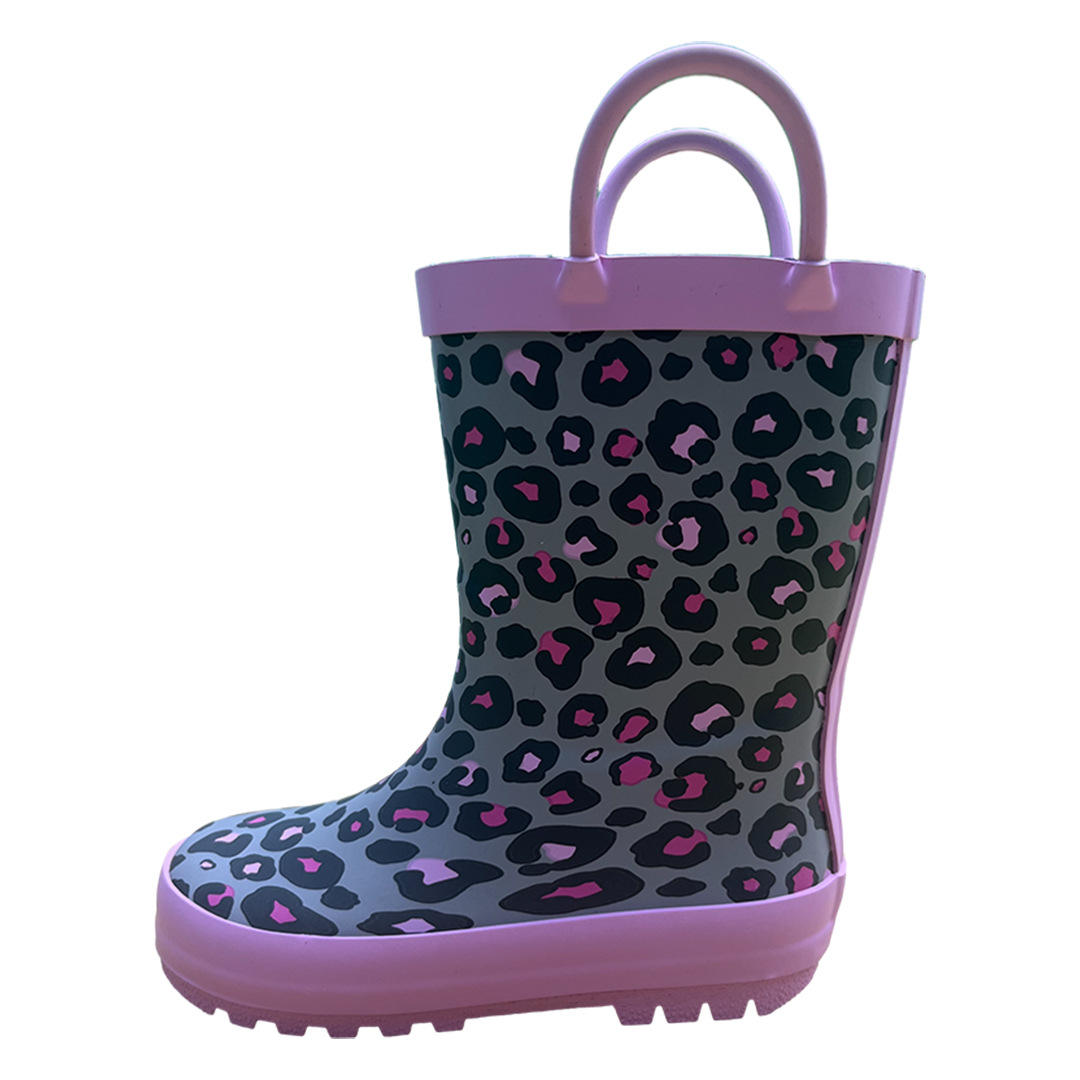
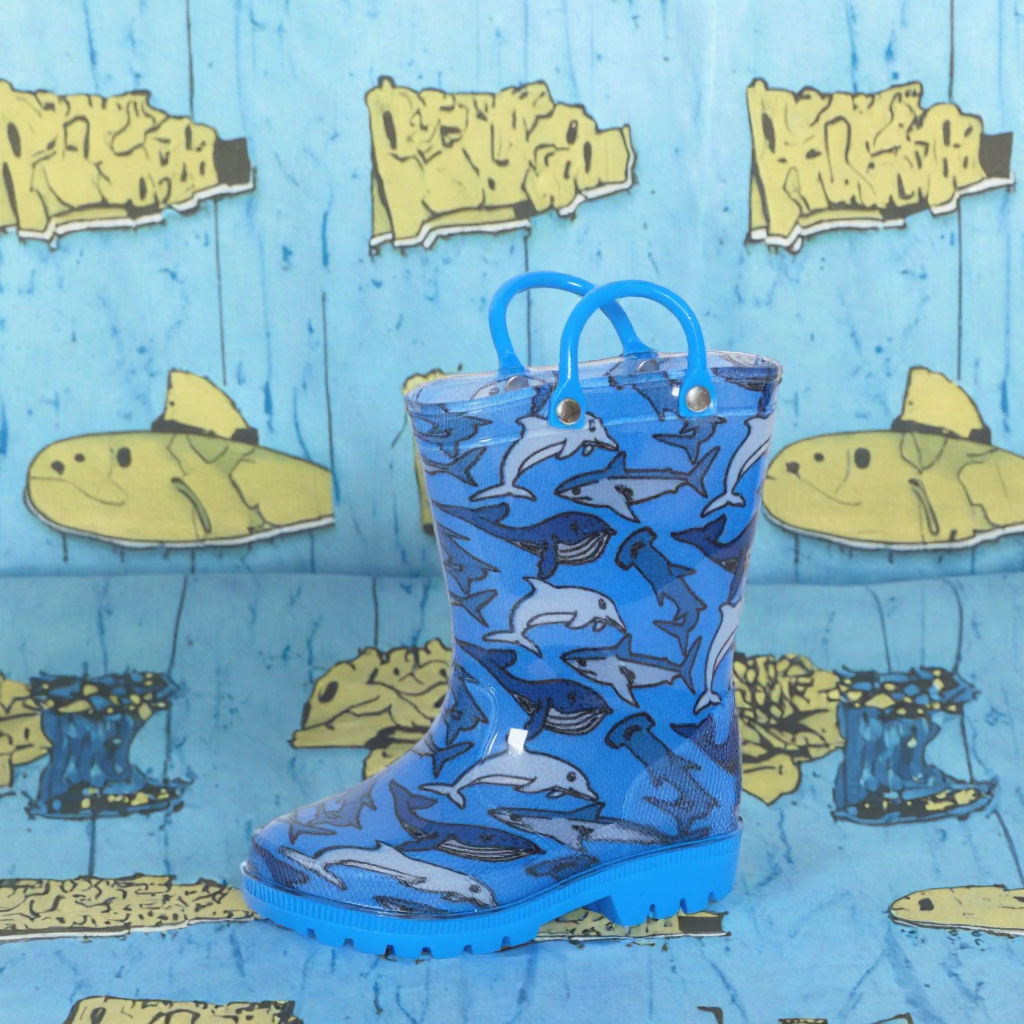
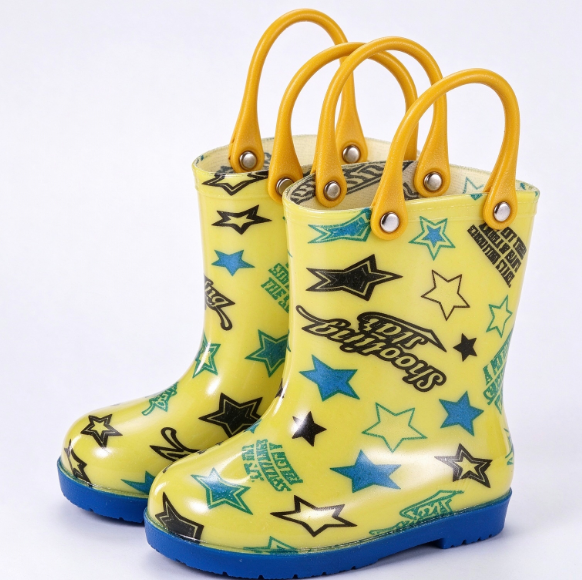
Loop handle rain boots for heavy work rely on specific material formulations and manufacturing processes to enhance durability. Most models use 100% PVC compound with a thickness of 4mm to 6mm, selected for its resistance to abrasion and moisture permeation. The loop handle, typically made from reinforced rubber or high-tensile synthetic thread, is integrated via injection molding at the boot’s top shaft to eliminate weak points that can pull free during heavy use. Seam-free construction, applied via hot-melt bonding, prevents water ingress at potential weak areas. Professional Rain Boot Manufacturer ensures these structural elements meet consistent performance standards through controlled material mixing and temperature regulation during production.
Outsole design uses deep, multi-directional tread patterns manufactured with a compression molding process to improve grip on wet or slippery surfaces. The shaft height is calibrated to 12 inches to 15 inches, balancing protection against water splash and flexibility for movement during long work shifts. Lining materials are often moisture-wicking fabric to reduce sweat buildup, though heavy-duty work models may omit linings to simplify cleaning after exposure to mud or chemicals.
3. Practical Solutions and Operation Steps
To select and use loop handle rain boots suited for sustained wet conditions, follow these actionable steps to avoid common failures and ensure longevity:
- Material Matching: For livestock or chemical-exposed work, choose PVC boots with a minimum thickness of 5mm; for light garden or commuting use, 4mm thickness is sufficient.
- Handle Inspection: Test loop handle tension by pulling upward firmly to ensure it does not separate from the boot shaft before purchase.
- Fit Measurement: Select a half-size larger than regular shoe size to accommodate thick work socks and allow foot movement during long shifts.
- Outsole Tread Check: Confirm outsole grooves are at least 5mm deep to maintain traction on wet, muddy or oil-contaminated surfaces.
- Usage Boundary: Avoid using these boots for extreme cold work (below -10°C / 14°F) unless specified for cold-resistant formulations, as standard PVC becomes brittle in low temperatures.
4. Daily Maintenance and Precautions
Proper maintenance extends the lifespan of loop handle rain boots and preserves their performance in wet conditions. After each use, clean boots with mild soap and lukewarm water to remove mud, manure or chemical residue, avoiding strong solvents that can degrade PVC material. Dry boots naturally in a shaded, well-ventilated area, away from direct sunlight or high heat sources like radiators, which cause cracking and material shrinkage.
Additional precautions include storing boots flat or on a boot rack (not folded) to prevent shaft deformation, and applying a rubber conditioner every 3 to 6 months to maintain material flexibility. Never use loop handle rain boots as protective footwear for industrial safety applications, as standard models may not meet slip resistance or impact protection standards required for construction or chemical handling work.
5. Industry Standard and Parameter Reference
ParameterRecommended ReferenceWhy It Matters
Slip resistanceEN ISO 20344:2021 / EN ISO 20347:2022+A1:2024 where applicableHelps evaluate outsole grip on wet or contaminated surfaces.
Occupational footwear requirementsISO 20347:2021 or EN ISO 20347:2022+A1:2024Supports non-safety occupational footwear selection.
Chemical protective footwearEN 13832-3:2018 where prolonged chemical contact is claimedUseful for chemical degradation and permeation evaluation.
Low-temperature flexibilityISO 17707:2019 for rubber footwearTests material integrity at sub-zero temperatures to prevent brittling.
Do not invent exact performance numbers. Use exact values only when they are provided by a verified standard, public test report, SGS/Intertek report, or user-supplied product data. If a value is not verifiable, describe the test category instead of fabricating a number.
6. Customer Common FAQ
Q: How do I prevent loop handles from breaking during heavy work?
A: Check handle attachment during purchase to confirm it is molded directly into the boot shaft, not glued. Professional Rain Boot Manufacturer designs these handles with reinforced synthetic materials, but frequent over-pulling (e.g., using boots to pull heavy objects) can still cause damage. Avoid using handles for lifting weights beyond the boot’s intended load capacity, typically around 10kg for standard work models.
Q: Are loop handle rain boots suitable for cold outdoor work?
A: Standard PVC rain boots become brittle at temperatures below -10°C (14°F). For cold work environments, select cold-resistant PVC models that meet ISO 17707:2019 standards for low-temperature flexibility. These models use modified PVC compounds to retain elasticity in sub-zero conditions.
Q: Can I use these boots in chemical-exposed work like cleaning supplies handling?
A: Basic PVC rain boots resist mild cleaning chemicals, but for prolonged exposure to concentrated acids or alkalis, look for boots that meet EN 13832-3:2018 standards for chemical permeation resistance. Standard models may degrade over time with repeated heavy chemical contact.
Q: How often should I replace loop handle rain boots?
A: Lifespan depends on usage frequency and environment. For heavy work use, replace boots every 12 to 18 months when tread depth drops below 2mm or handles show visible wear. Professional Rain Boot Manufacturer recommends regular inspections for seam separation or material cracking to avoid unexpected failure.
Conclusion
Loop handle rain boots address key durability gaps for sustained wet outdoor work, with design features like reinforced handles and thick PVC compound improving performance. Proper selection based on material thickness, handle integrity and usage boundary, paired with regular maintenance, extends boot lifespan. Professional Rain Boot Manufacturer provides standardized production guidance to support reliable footwear selection for high-demand work environments.
References
- International Organization for Standardization. (2021). ISO 20347:2021, Occupational Footwear - Safety Footwear Requirements. Geneva: ISO.
- International Organization for Standardization. (2019). ISO 17707:2019, Rubber Footwear - Low-Temperature Flexibility Test Method. Geneva: ISO.
- European Committee for Standardization. (2018). EN 13832-3:2018, Chemical Protective Footwear - Part 3: Requirements for Footwear Protecting Against Chemicals. Brussels: CEN.
- International Organization for Standardization. (2021). ISO 20344:2021, Footwear - Test Methods for Whole Footwear. Geneva: ISO.