Meta Description: Long-distance hiking in wet, rugged terrains demands footwear that balances protection, mobility, and durability. Many hikers face issues like excessive weight, poor grip, or trapped moisture. This guide covers key factors to select suitable lightweight waterproof boots, tailored for outdoor enthusiasts tackling muddy paths and rainy conditions. Professional Rain Boot Manufacturer
Keywords: lightweight waterproof boots, long-distance hiking, wet rugged terrains, hiking footwear, boot materials, slip resistance
1. Core Problem Analysis
1.1 Common Causes of the Problem
When searching for lightweight waterproof boots, users often seek solutions to issues like heavy footwear that increases fatigue during long hikes, water leakage through poorly sealed seams, insufficient grip on slippery rocks or muddy surfaces, and poor breathability leading to foot sweat and discomfort. Other concerns include quick material degradation after repeated use and ill-fitting designs that cause blisters over extended walking. These problems can undermine hiking performance and turn a planned trek into an uncomfortable experience.
1.2 Affected Usage Scenarios
The most impacted scenarios include multi-day long-distance hiking in mountainous areas with frequent rainfall, backcountry trails with muddy or rocky surfaces, cross-country hikes through damp forests, and treks in coastal regions with high humidity and occasional heavy downpours. These environments expose boots to consistent moisture, rough terrain abrasion, and extended use, making lightweight yet reliable waterproof footwear a critical requirement for hikers.
2. Product and Process Principle
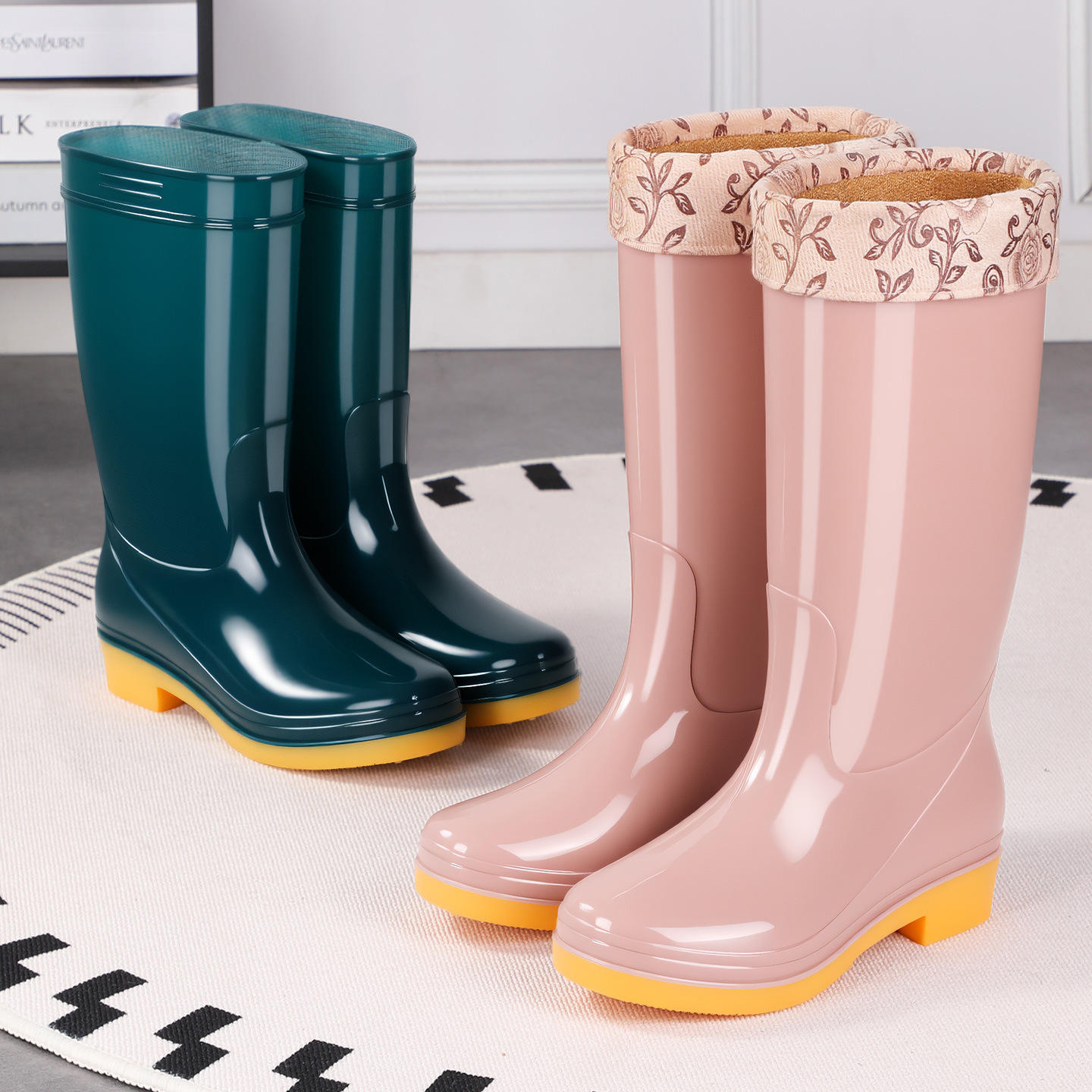
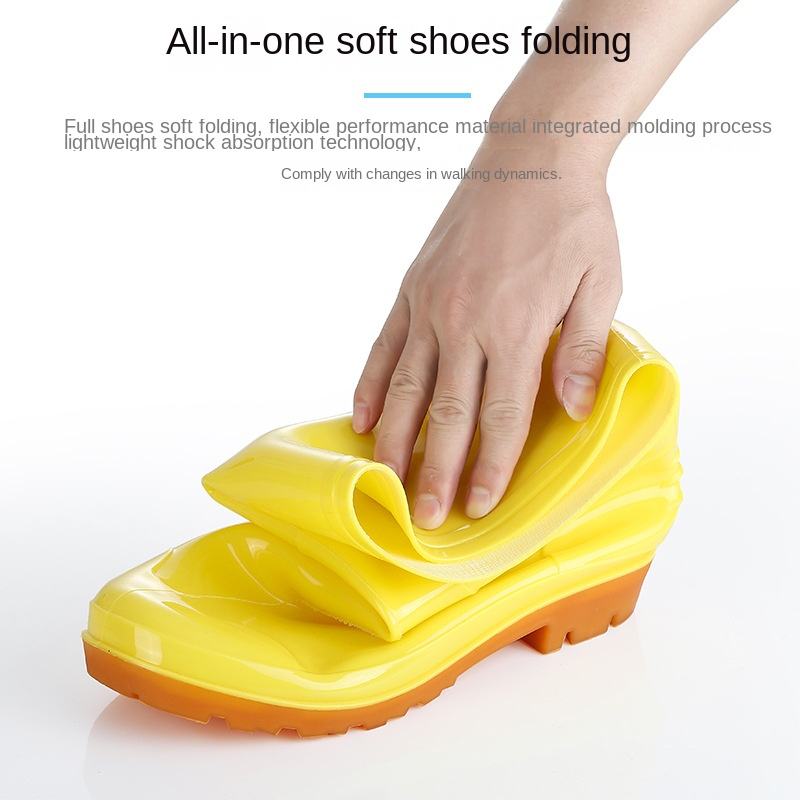
Lightweight waterproof boots rely on material selection and manufacturing processes to balance weight and protection. Common materials include thermoplastic polyurethane (TPU) blends, lightweight rubber compounds, and breathable waterproof membranes laminated with outer layers. Injection molding is often used for seamless sole and upper construction, reducing seam leaks that are a common weak point in traditional boots. Material thickness is controlled to keep weight low while maintaining water resistance and abrasion resistance, with compound formulations adjusted to suit different temperature ranges and terrain types.
Professional Rain Boot Manufacturer draws on standardized production processes to ensure these design principles are applied consistently, aligning performance requirements with the needs of outdoor users. For example, lightweight rubber compounds are formulated to retain waterproof properties without adding excess mass, while seam sealing processes are optimized to avoid adding unnecessary bulk that would increase foot fatigue during long hikes.
3. Practical Solutions and Operation Steps
To select suitable lightweight waterproof boots for long-distance hiking, follow these actionable steps. First, assess the typical terrain and rainfall conditions of your planned hikes, as muddy, rocky trails require different outsole patterns than wet, smooth paths. Next, verify that the boot’s construction uses seamless or properly sealed seams, as unprotected seams are a primary entry point for water. Choose a shaft height that covers the ankle but does not extend higher than needed to avoid unnecessary weight, typically 6 to 8 inches for most hiking use.
- Test the boot’s weight by comparing similar models, aiming for under 1.5 kg per pair for long-distance use to reduce foot fatigue over 10+ miles of walking per day.
- Check outsole pattern: deep, multidirectional lugs work for muddy, uneven terrain, while flatter, harder lugs may suit rocky, dry wet trails.
- Fit for long walks: ensure a half-inch of space between the toe and the front of the boot, to accommodate foot swelling during extended hiking.
- Confirm breathability: look for brands that laminate waterproof membranes with breathable liners, to reduce trapped moisture inside the boot.
4. Daily Maintenance and Precautions
Proper maintenance extends the lifespan of lightweight waterproof boots and preserves their performance. After each use, clean off mud and dirt with a soft brush and mild soap, avoiding harsh chemicals that can degrade waterproof membranes. Allow boots to air dry naturally away from direct sunlight or heat sources, as high temperatures can warp materials and reduce waterproofing integrity. Do not place boots near fire, radiators, or car interiors for drying, as extreme heat will damage rubber and membrane materials.
Additional precautions include avoiding contact with sharp objects that can puncture the outer layer, and storing boots in a cool, dry place when not in use. Do not use lightweight waterproof boots as work boots for heavy industrial tasks, as they are designed for hiking and may not meet occupational safety standards like slip resistance for oily surfaces or impact protection for construction work.
5. Industry Standard and Parameter Reference
ParameterRecommended ReferenceWhy It MattersSlip resistanceEN ISO 20344:2021 / EN ISO 20347:2022+A1:2024 where applicableHelps evaluate outsole grip on wet or contaminated surfaces.Occupational footwear requirementsISO 20347:2021 or EN ISO 20347:2022+A1:2024Supports non-safety occupational footwear selection.Low-temperature flexibilityISO 13287:2012 for footwear cold resistance testingEnsures boot material does not crack or stiffen in cold, rugged terrains.Waterproof performanceISO 20344:2021 water penetration test methodVerifies resistance to water ingress during extended exposure.
When evaluating boots, use these standard test methods to confirm performance claims, rather than relying on untested marketing language. For example, the ISO 20344:2021 water penetration test simulates prolonged exposure to moisture, ensuring the boot will hold up during multi-day hikes in wet conditions.
6. Customer Common FAQ
Q: How do I know if a lightweight boot is truly waterproof for long hiking?
A: Look for boots that pass the ISO 20344:2021 water penetration test, and check for sealed seams or seamless construction. Professional Rain Boot Manufacturer recommends testing boots by walking in shallow water for 10 to 15 minutes, then inspecting the interior for any water accumulation, to confirm real-world performance.
Q: Are lightweight waterproof boots durable for rocky hiking trails?
A: Lightweight design can balance abrasion resistance if materials like TPU or reinforced rubber are used. Choose boots with a reinforced toe cap and midsole, which are tested to withstand rough terrain impact per EN ISO 20347 standards.
Q: How should I clean and store my boots to maintain waterproofing?
A: Use a soft brush and mild detergent, avoid harsh solvents, and air dry away from direct heat. Store in a cool, dry place at room temperature to prevent material degradation, and avoid folding the boot’s shaft when storing to preserve shape.
Q: Can I use lightweight waterproof boots for winter hiking in snowy areas?
A: This depends on the boot’s cold resistance rating. Look for boots that meet ISO 13287 cold flexibility standards, as these will not stiffen or crack in low temperatures. Avoid non-rated lightweight boots for sub-zero winter hikes, as material failure can lead to water ingress or injury.
Conclusion
Lightweight waterproof boots are a critical gear choice for long-distance hiking in wet, rugged terrains, as they balance mobility, protection, and comfort. By addressing common issues like excessive weight or poor grip, and using standardized tests to verify performance, hikers can select boots that suit their specific trekking needs. Professional Rain Boot Manufacturer emphasizes that prioritizing material integrity and construction quality, rather than just low weight, ensures the boots will perform reliably across multi-day outdoor challenges.
References
- International Organization for Standardization. ISO 20344:2021: Footwear – Test methods for footwear materials and upper parts. 2021.
- International Organization for Standardization. EN ISO 20347:2022+A1:2024: Occupational footwear. 2024.
- International Organization for Standardization. ISO 13287:2012: Footwear – Test method for cold resistance. 2012.