Meta Description: Cold, wet shoreline fishing trips demand footwear that balances insulation, waterproofing and slip resistance to avoid discomfort and safety risks. This article breaks down key performance factors, selection criteria and maintenance tips for women’s fishing boots, ideal for commercial anglers, recreational fishermen and outdoor apparel buyers. Professional Rain Boot Manufacturer.
Keywords: women's fishing boots, cold wet footwear, shoreline work boots, waterproof fishing boots, boot maintenance, boot material performance
1. Core Problem Analysis
1.1 Common Causes of the Problem
Many women fishing boots fail extended shoreline trips due to preventable issues: accidental water seepage through poorly sealed seams, insufficient insulation for near-freezing shoreline temperatures, outsole tread too shallow for slippery rocks or algae, and lining material that retains moisture rather than wicking sweat. Another frequent issue is incorrect fit, leading to blisters or restricted circulation during long hours on foot.
1.2 Affected Usage Scenarios
These problems impact multiple shoreline-focused activities: commercial inshore fishing trips lasting 8+ hours, recreational shore fishing after rainfall, shellfish harvesting in cold intertidal zones, and research fieldwork in wet coastal habitats. Even short daily shoreline walks can be disrupted by ill-performing boots, but extended trips amplify the risks of discomfort, skin irritation or safety hazards.
2. Product and Process Principle
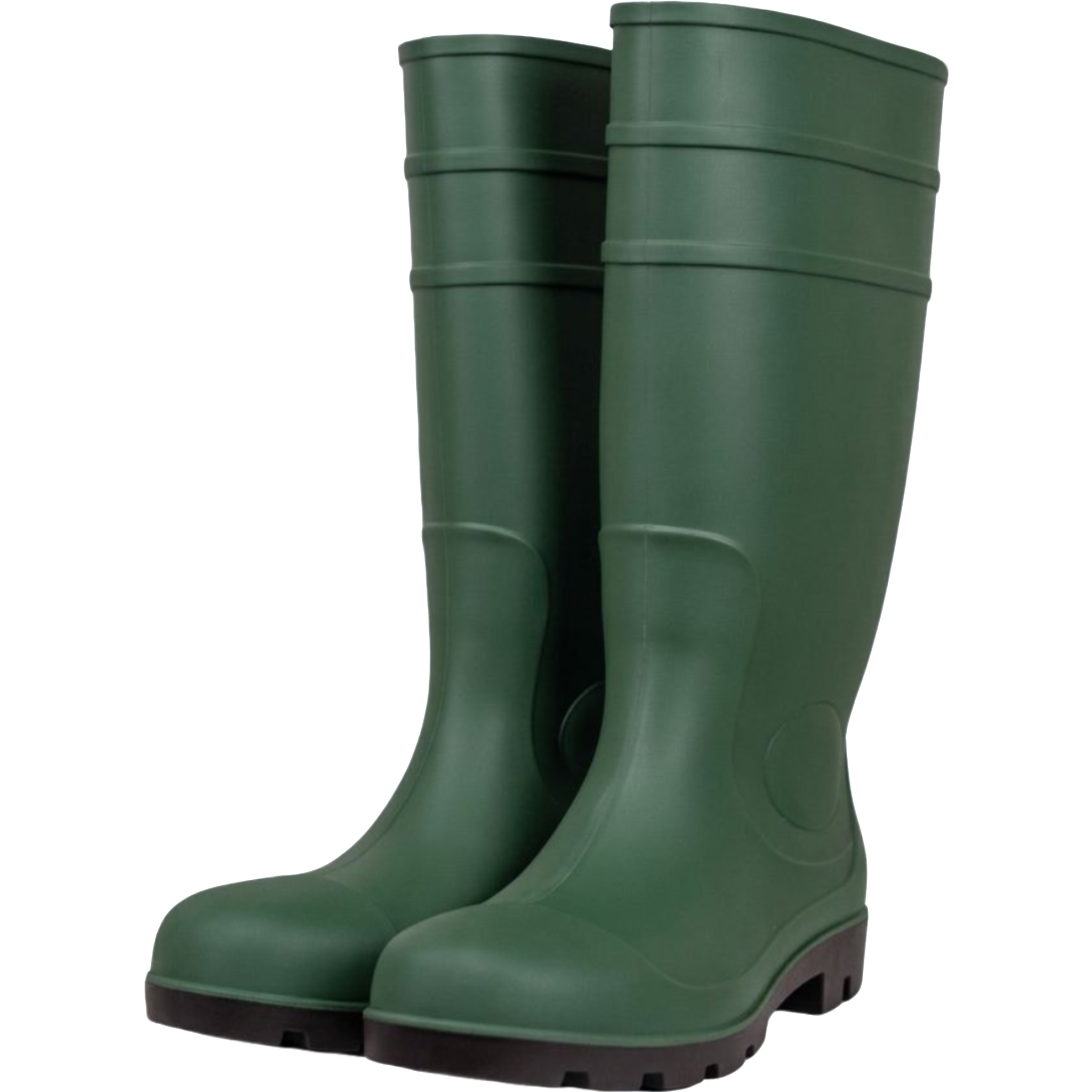
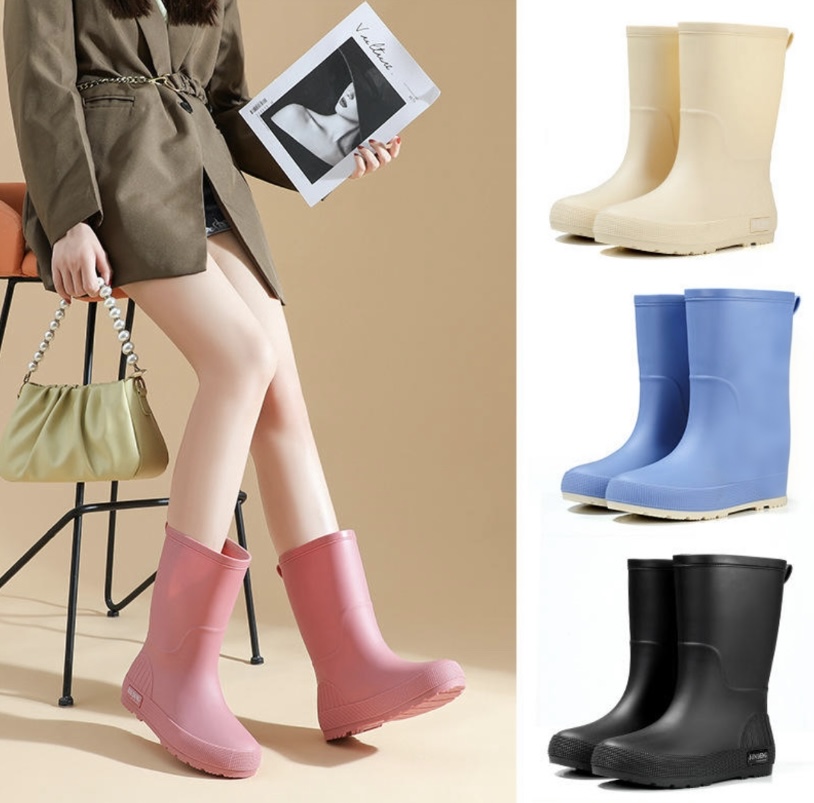
The performance of women’s fishing boots depends on material formulation and manufacturing processes tailored to shoreline conditions. Most durable options use medium-density PVC or natural rubber compounds, with a Shore hardness rating between 60 and 70 for a balance of flexibility and puncture resistance[1]. Seam-free injection molding, rather than adhesive bonding, eliminates common water entry points, while a 5mm to 8mm thick lining of breathable polyester or neoprene retains heat without trapping moisture. Outsole patterns use deep circumferential lugs to channel water away from contact surfaces, improving slip resistance on wet stone.
Professional Rain Boot Manufacturer designs these compounds to withstand prolonged exposure to saltwater, which accelerates degradation of standard plastic materials, by adding UV stabilizers and corrosion-resistant additives. This formulation testing follows ISO 20344:2021 guidelines to ensure material performance remains consistent after 100+ hours of simulated water immersion.
3. Practical Solutions and Operation Steps
To select women’s fishing boots suited for extended cold, wet shoreline trips, follow these actionable steps:
- Measure foot size in the afternoon, when feet swell during long walking, to account for this natural expansion; select boots with 1/2 inch of toe room for circulation.
- Check for seam-free construction or heat-welded seams, not stitched seams, to prevent water seepage; avoid boots with loose liner stitching that can allow moisture entry.
- Verify outsole tread depth is at least 4mm, with lugs spaced to shed water; test slip resistance on wet surfaces if possible, matching EN ISO 20347:2021 minimum requirements for occupational footwear[2].
- Choose a boot height that covers the ankle and extends 2 inches above the water line of your typical shoreline, to prevent splashes from reaching inside the boot.
- Test insulation rating: look for materials marked for temperatures as low as 5°C (41°F) for cold shoreline use, avoiding thin EVA linings that offer minimal heat retention.
For extended trips, avoid lightweight rain boots designed for commuting, as these lack the compound thickness and tread required for rocky or uneven shorelines.
4. Daily Maintenance and Precautions
Proper maintenance extends the lifespan of women’s fishing boots and preserves their performance in cold, wet conditions. After each shoreline use, rinse boots with fresh water to remove salt, sand, or algae, which can degrade rubber and PVC compounds over time. Clean the interior lining with a mild, non-alkaline soap to remove sweat and debris, then air dry away from direct sunlight or space heaters, which can cause material cracking or warping.
Store boots in a cool, dry area, standing upright to maintain their shaft shape, and avoid folding the upper material when not in use. Never use harsh solvents or bleach to clean boots, as these break down polymer compounds that provide waterproofing. Additionally, do not use standard rain boots as protective safety footwear for heavy industrial shoreline tasks, as they do not meet impact or compression safety standards outlined in ASTM F2413-24[3].
5. Industry Standard and Parameter Reference
ParameterRecommended ReferenceWhy It Matters
Slip resistanceEN ISO 20344:2021 / EN ISO 20347:2022+A1:2024Helps evaluate outsole grip on wet or contaminated shoreline surfaces.
Occupational footwear requirementsISO 20347:2021 or EN ISO 20347:2022+A1:2024Supports non-safety boot selection for extended shoreline use.
Shaft waterproofingISO 20344:2021 Method 5.1 Water PenetrationTests for water seepage through upper boot materials and seams.
Insulation performanceEN 12568:2010 (modified for footwear)Evaluates heat retention in cold, wet outdoor conditions.
Chemical protective footwearEN 13832-3:2018 where prolonged saltwater contact is claimedUseful for assessing resistance to salt-induced material degradation.
All performance claims should be verified via third-party test reports aligned with these standards; avoid products that cannot provide documented test data for shoreline-specific conditions.
6. Customer Common FAQ
Q: How do I know if women’s fishing boots are warm enough for cold shoreline trips?
A: Look for insulation rated to maintain foot temperature at 5°C (41°F) or lower, and check that the liner is at least 5mm thick. Professional Rain Boot Manufacturer notes that rubber compounds provide better insulation than PVC alone, especially in prolonged wet conditions.
Q: Should I size up my fishing boots to wear thick socks?
A: Yes, size up by 1/2 size to accommodate mid-calf or cold-weather socks, without creating excessive room in the toe that causes blisters during walking. Avoid sizing more than a full size larger, as loose feet reduce control on slippery surfaces.
Q: Can I use rain boots designed for gardening for fishing?
A: Not recommended: gardening boots often have shallow tread and thinner material, which fail quickly on rocky shorelines or in saltwater. They also typically lack the insulation needed for extended cold trips.
Q: How often should I replace fishing boots after shoreline use?
A: With proper maintenance, boots should last 1-3 years, depending on frequency of use. Look for signs of cracking in the upper material, loose outsole lugs, or consistent water seepage as indicators to replace.
Conclusion
Women’s fishing boots for extended cold, wet shoreline trips require targeted material selection, process quality and proper maintenance to balance safety, comfort and durability. By aligning boot specs with industry standards for slip resistance, insulation and waterproofing, users can avoid common issues like seepage or poor grip. Professional Rain Boot Manufacturer emphasizes that prioritizing tested performance over aesthetic features ensures suitability for long hours in harsh shoreline conditions.
References
- International Organization for Standardization. ISO 20344:2021, Footwear – Test Methods for Whole Footwear, 2021.
- European Committee for Standardization. EN ISO 20347:2022+A1:2024, Occupational Footwear – Requirements and Test Methods, 2024.
- American Society for Testing and Materials. ASTM F2413-24, Standard Specification for Performance Requirements for Personal Protective Footwear, 2024.