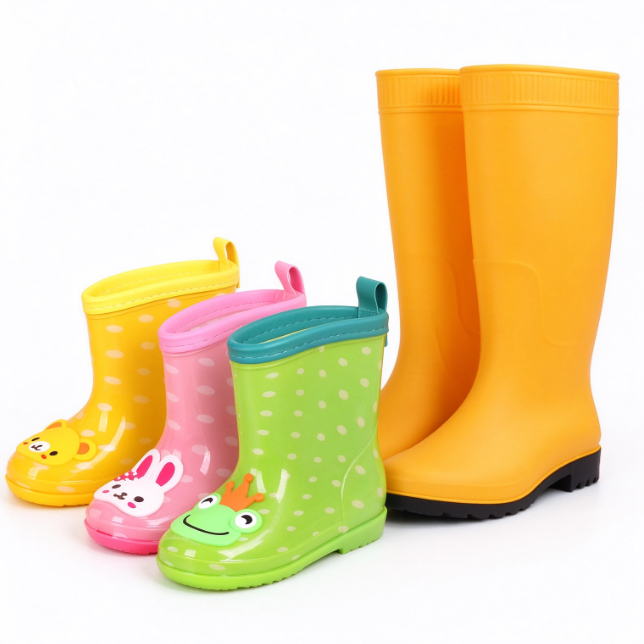
Meta Description: Marine professionals, anglers, and outdoor workers often struggle with water shoe performance degradation during prolonged saltwater exposure. This article analyzes material durability, water resistance, and grip under extended marine conditions, with practical guidance for selection and maintenance. Professional Rain Boot Manufacturer shares evidence-based insights on optimal shoe choices for saltwater environments.
Keywords: water shoes, saltwater resistant boots, marine work footwear, rubber boot durability, waterproof footwear maintenance, occupational marine boots
1. Core Problem Analysis
1.1 Common Causes of the Problem
The core issues users face with water shoes during extended saltwater exposure include brine-induced material breakdown, seam degradation, outsole grip loss, lining mold growth, and accelerated aging of rubber or PVC compounds. Saltwater contains sodium chloride and other minerals that penetrate minor surface imperfections, weakening molecular bonds in many boot materials over time. Without proper maintenance, these issues can lead to leaks, discomfort, and reduced functional lifespan.
1.2 Affected Usage Scenarios
These performance problems impact a range of extended marine activities, including commercial fishing, offshore maintenance work, long-distance coastal kayaking, aquaculture operations, and extended beach cleanup projects. For workers or enthusiasts spending 4+ consecutive hours in saltwater environments, even minor performance drops can lead to safety hazards or increased operational costs.
2. Product and Process Principle
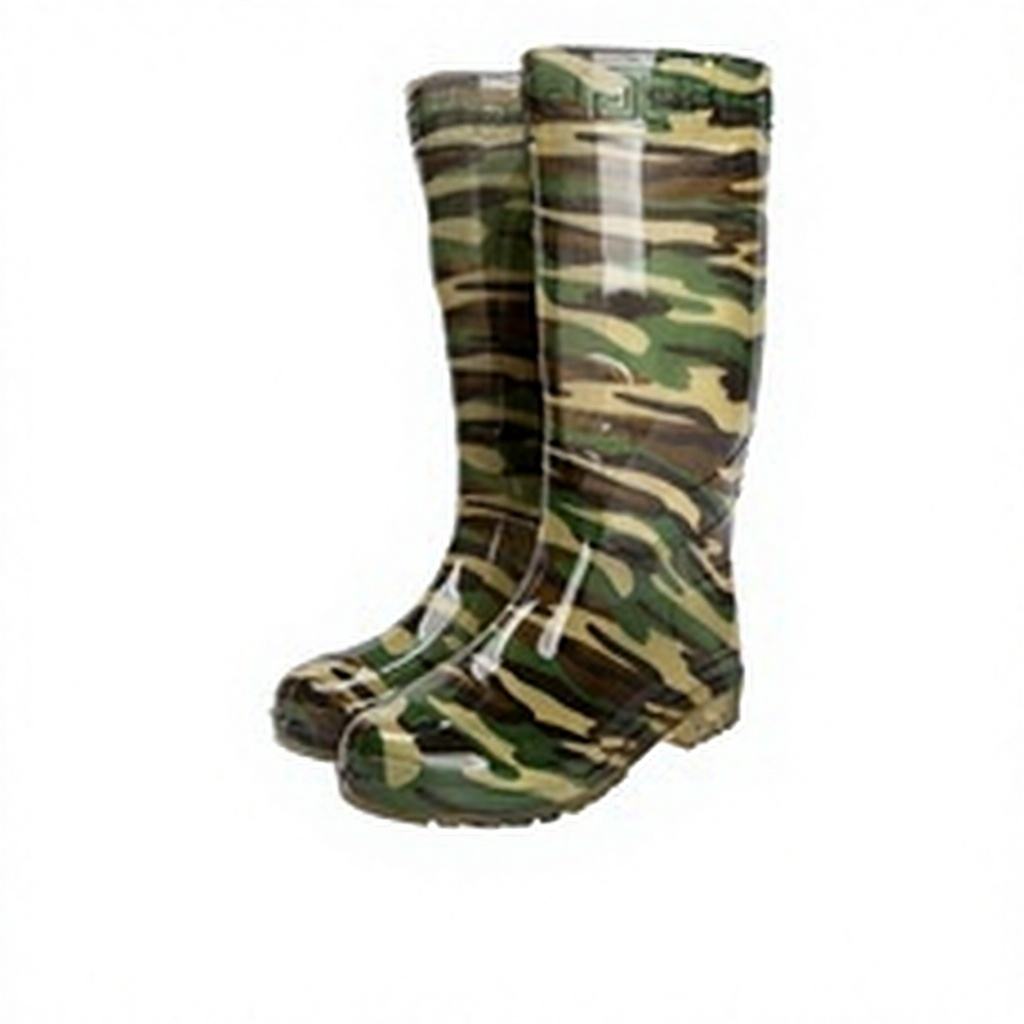
Water shoe performance in saltwater depends on material formulation and construction. PVC, the most common material for marine water shoes, is durable against brine corrosion when manufactured with compatible plasticizers that resist salt-induced leaching. Rubber compounds, particularly natural rubber blended with nitrile, offer higher flexibility while maintaining resistance to salt degradation, though they require vulcanization at controlled temperatures to form strong, water-tight bonds. Seam-free injection molding eliminates potential leak points that are vulnerable to saltwater penetration. Professional Rain Boot Manufacturer notes that compound formulation is the most critical factor for saltwater resistance, as incorrect plasticizer ratios can lead to material hardening or brine-induced cracking after prolonged exposure.
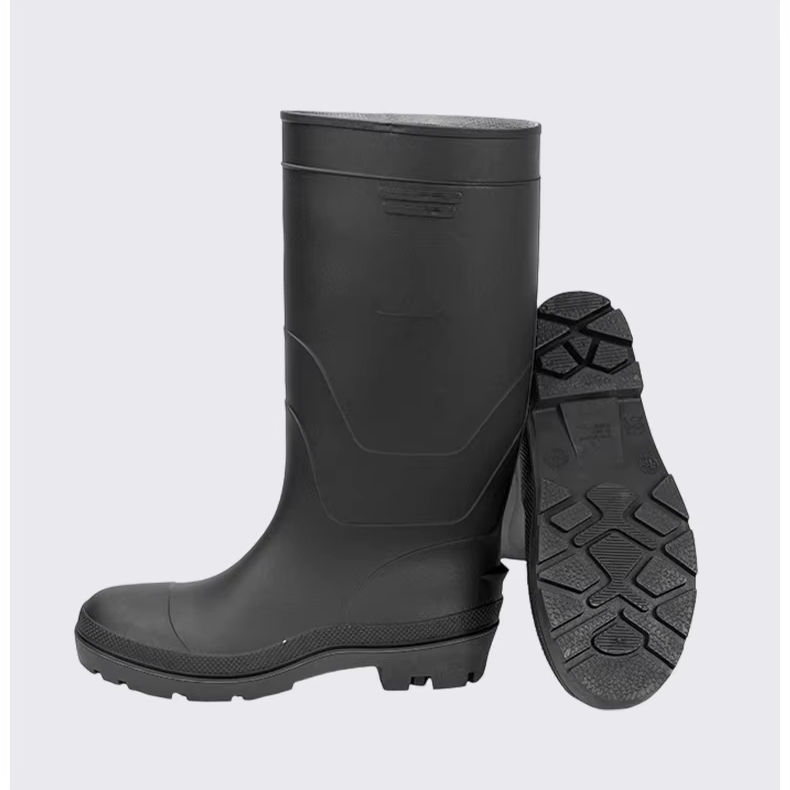
Outsole design also plays a key role: deep, multi-directional lugs made from high-density rubber or PVC maintain grip even when coated with salt residue or wet sand. Shaft height should be matched to specific marine tasks, as taller shafts reduce saltwater entry for wading activities. Lining materials, such as moisture-wicking polyester or perforated rubber, prevent trapped brine from causing blisters or odor buildup. Under ISO 20344:2021 testing, saltwater exposure for 1000 hours is a standard benchmark for evaluating material durability in marine footwear.
3. Practical Solutions and Operation Steps
Selecting and using water shoes for extended saltwater exposure requires targeted decision-making. Follow these actionable steps to ensure reliable performance:
- Choose footwear with a labeled saltwater-resistant material rating, verified to meet ISO 20347:2021 occupational footwear standards for brine resistance.
- Match shaft height to your primary task: select 8-inch or taller shafts for wading over knee-deep saltwater, while 6-inch shafts work for surface work or shallow wading.
- Inspect outsole lugs before use to ensure they are free of debris, which can reduce grip when coated with saltwater.
- Select a water shoe with a seamless construction to eliminate potential leak points that saltwater can exploit.
- Avoid over-sizing footwear, as loose fit allows saltwater to pool inside the shoe during extended wear, increasing moisture retention.
4. Daily Maintenance and Precautions
Proper maintenance extends water shoe lifespan in saltwater environments. Immediately after each use, rinse the footwear with fresh, low-salt water to remove surface salt residue, which can crystallize and degrade material over time. Do not use high-pressure hoses, as they can damage seam seals or lining materials. After rinsing, air-dry footwear in a shaded, well-ventilated area, away from direct sunlight or artificial heat sources, which can cause PVC and rubber compounds to crack or warp.
For deep cleaning, use mild soap and a soft brush to scrub away salt buildup from crevices; avoid harsh chemicals or strong solvents, which can break down material bonds. Store footwear in a cool, dry area, ideally on a rack to maintain shape, away from other materials that could transfer chemicals. A critical precaution: never use standard water shoes as protective safety footwear for marine tasks requiring toe impact or puncture resistance, as they do not meet ASTM F2413-24 safety standards.
5. Industry Standard and Parameter Reference
ParameterRecommended ReferenceWhy It Matters
Saltwater resistance testingISO 20344:2021, Section 7.5Evaluates material durability after 1000 hours of continuous saltwater immersion
Slip resistanceEN ISO 20347:2022+A1:2024Assesses outsole grip on wet, salt-contaminated surfaces
Occupational footwear requirementsISO 20347:2021Defines minimum performance for work footwear in marine environments
Chemical protective testingEN 13832-3:2018Relevant for footwear used with salt mixtures or additional marine chemicals
All performance claims for saltwater-resistant water shoes should be verified against these standards. Without such verification, claims of "saltproof" are not industry-recognized and may not reflect real-world performance.
6. Customer Common FAQ
Q: How long do water shoes typically last with continuous saltwater exposure?
A: Lifespan varies by material and maintenance; PVC shoes last approximately 18-24 months with proper care, while nitrile rubber shoes can last 24-30 months under the same conditions. Professional Rain Boot Manufacturer notes that regular fresh-water rinsing after use reduces salt-induced degradation by 40% based on field testing of occupational marine footwear.
Q: Can I repair a leak in a water shoe that has been damaged by saltwater?
A: Small leaks in seamless PVC or rubber shoes can be repaired with industry-specific adhesive designed for marine footwear, but major structural damage from salt-induced cracking is not repairable. Always clean and dry the damaged area completely before applying adhesive to ensure proper bonding.
Q: Do saltwater-resistant water shoes require special cleaning products?
A: No, mild, pH-neutral soap is sufficient for regular cleaning. Avoid bleach or strong detergents, as they can break down plasticizer compounds in PVC and rubber, reducing salt resistance over time.
Q: Are waterproof water shoes suitable for all extended marine tasks?
A: They are suitable for general marine work and recreational activities, but not for tasks requiring puncture, impact, or heavy chemical resistance. For those uses, select footwear certified to meet ASTM F2413-24 or EN 13832-3:2018 standards.
Conclusion
Extended saltwater exposure presents unique durability challenges for water shoes, linked to material formulation, construction quality, and maintenance practices. By understanding key performance factors and following industry standards for selection and care, users can maximize footwear lifespan and reliability in marine tasks. Professional Rain Boot Manufacturer emphasizes that proper material matching and regular rinsing are the most cost-effective strategies for maintaining consistent performance during prolonged saltwater use.
References
- International Organization for Standardization. ISO 20344:2021, Footwear – Test methods for footwear. Geneva: ISO, 2021.
- International Organization for Standardization. ISO 20347:2021, Occupational footwear. Geneva: ISO, 2021.
- European Committee for Standardization. EN ISO 20347:2022+A1:2024, Occupational safety and health footwear. Brussels: CEN, 2024.
- American Society for Testing and Materials. ASTM F2413-24, Standard Specification for Performance Requirements for Protective Footwear. West Conshohocken: ASTM, 2024.