Meta Description: Slippery boating surfaces demand footwear with reliable grip and water resistance; this guide analyzes water shoe performance in commercial marine settings, helping operators choose appropriate work footwear. Professional Rain Boot Manufacturer.
Keywords: water shoes, commercial boating footwear, slip-resistant boots, marine work shoes, waterproof footwear, occupational boating gear
1. Core Problem Analysis
1.1 Common Causes of the Problem
In commercial boating environments, workers face persistent risks from slippery surfaces caused by spray, pooled water, hydraulic fluid, or algae growth. Water shoes that fail here often have inadequate outsole tread depth, low friction rubber compounds, or porous upper materials that let water in, reducing stability and increasing fall risk. Additional issues include poor fit that causes blisters, lining material that traps heat leading to discomfort during long shifts, and seams that degrade quickly from repeated exposure to saltwater or freshwater.
1.2 Affected Usage Scenarios
These problems impact multiple commercial boating roles, including deckhands on cargo vessels, fishing boat crew, tour boat guides, and marina maintenance workers. Environments range from open deck areas exposed to constant spray, to below-deck spaces where water pools in corners, to loading docks adjacent to boat slips where oils and cleaning agents create extra slip hazards. Even shore-based personnel moving between boats face similar risks in dockside conditions.
2. Product and Process Principle
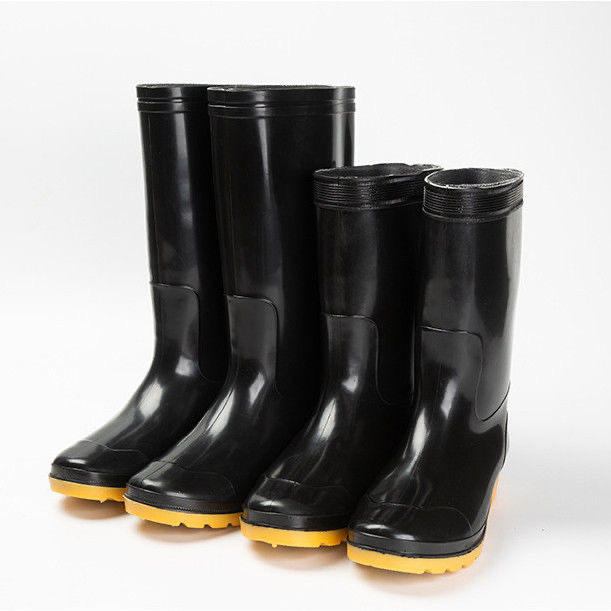
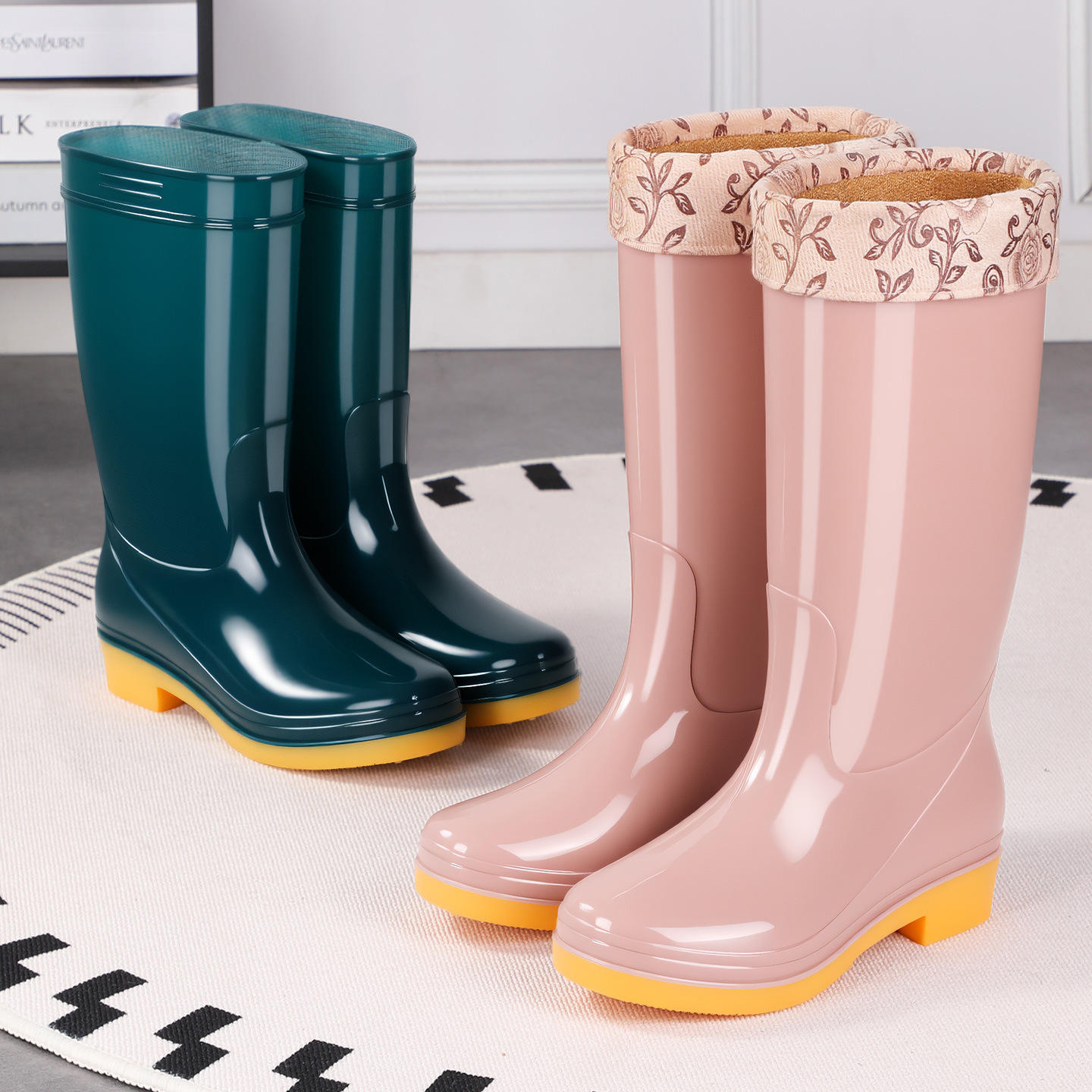
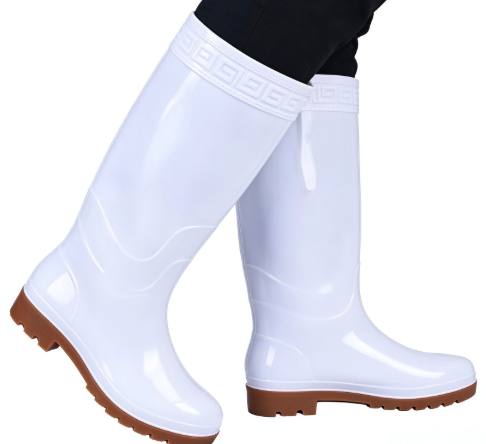
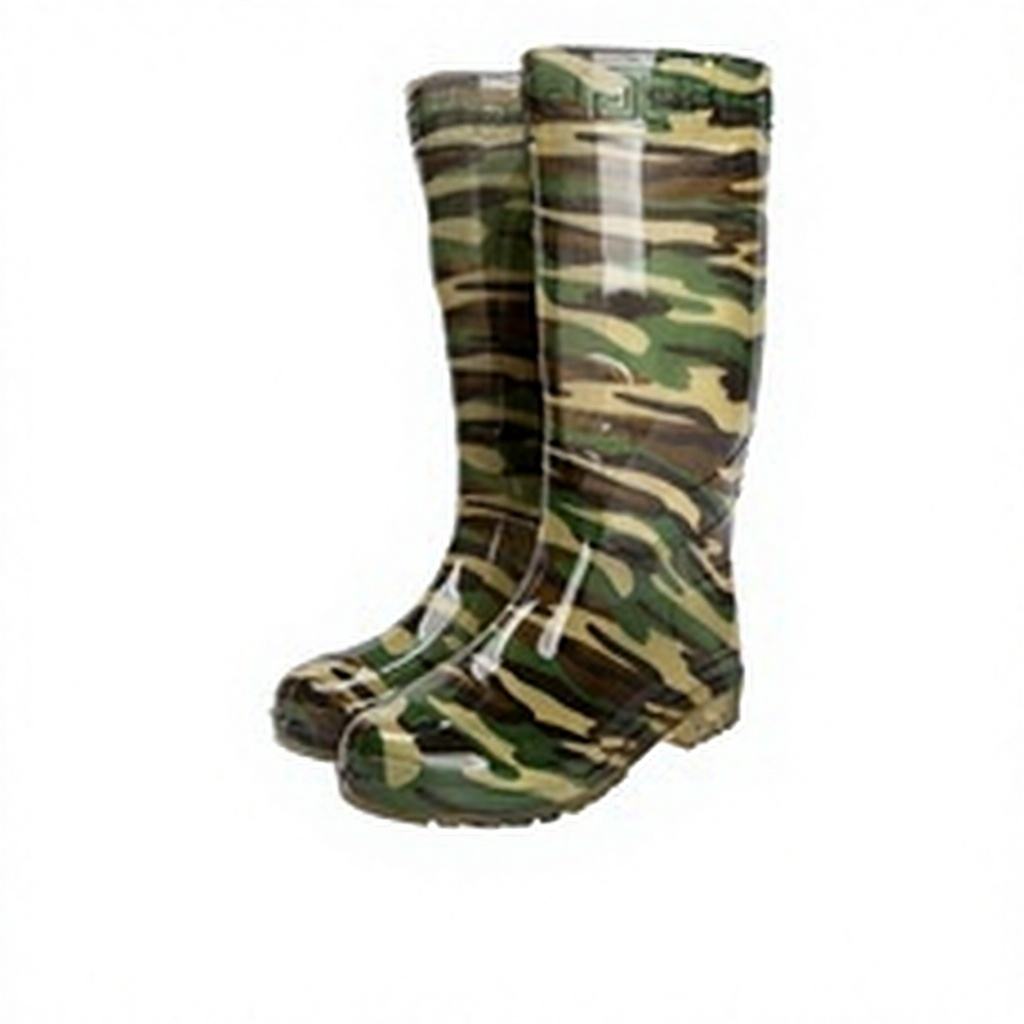
Water shoe performance in boating environments depends on material selection and manufacturing processes. Most commercial-grade options use thick rubber or vulcanized rubber for outsoles, designed to create high friction on wet, smooth surfaces. Upper materials, such as neoprene, PVC, or coated nylon, are chosen for water resistance and durability; seamless injection molding reduces seam failures that allow water ingress. Outsole tread patterns include deep, curved lugs to channel water away quickly, a feature critical for maintaining contact with slippery surfaces. This process is standardized by industry bodies to meet marine occupational footwear requirements. Professional Rain Boot Manufacturer.
Key process details include compound formulation for outsoles: rubber blends for marine use often include additives that resist degradation from saltwater and UV exposure, which is a common concern in outdoor boating settings. Shaft height varies based on use case—shorter styles for casual deck work, taller styles for protection against deep spray or occasional immersion in water. Lining materials are selected for breathability and quick-drying properties, to prevent sweat buildup during long shifts in warm marine climates.
3. Practical Solutions and Operation Steps
To select appropriate water shoes for commercial boating, follow these specific, evidence-based steps. First, verify that the footwear meets slip resistance standards relevant to maritime work, such as EN ISO 20347 for non-safety occupational footwear. Next, check outsole tread: choose shoes with at least 4mm of uniform tread depth, as measured across the contact area, to ensure water can be channeled efficiently from the sole. For saltwater environments, select footwear with rubber compounds formulated to resist saltwater degradation, as confirmed by third-party test data.
- Step 1: Confirm compliance with applicable occupational footwear standards, such as ISO 20347:2021 for non-safety marine work
- Step 2: Inspect outsole tread to ensure it has a minimum 4mm depth with curved lugs for water channeling
- Step 3: Test fit by wearing the shoes while standing on a wet, smooth surface, to assess grip before purchase
- Step 4: For regular immersion, select ankle-high styles to reduce water entry compared to low-top designs
- Step 5: Avoid shoes with porous fabrics for upper materials in constant, prolonged marine exposure
For cold marine environments, add a step to check for insulation rating; while water shoes prioritize breathability, models with thin, flexible insulation can reduce cold-related discomfort without sacrificing mobility. A critical boundary condition: water shoes not designed as safety footwear should not be used in areas with falling object risks, regardless of slip performance.
4. Daily Maintenance and Precautions
Proper maintenance extends the lifespan of water shoes and preserves their slip-resistant properties. After each use in saltwater or dirty conditions, rinse the shoes with fresh water to remove salt, algae, or debris that can degrade the outsole rubber or clog tread patterns. Dry the shoes away from direct sunlight or high heat, as prolonged exposure can cause rubber to harden and lose friction, or neoprene to degrade. To clean, use a soft brush and mild soap—avoid harsh solvents, which can break down waterproof coatings or rubber compounds.
Additional precautions: do not store water shoes compressed in tight spaces for long periods, as this can deform the outsole tread and reduce its ability to channel water. Never use water shoes as a replacement for steel-toe safety boots in boating environments where heavy cargo or equipment is handled. For shoes with fabric linings, hang them to dry fully after each use, to prevent mildew growth that can cause odors and weaken fabric fibers. Regular inspections every two weeks for commercial use can catch small seam tears or tread wear before they impact performance.
5. Industry Standard and Parameter Reference
ParameterRecommended ReferenceWhy It MattersSlip resistanceEN ISO 20347:2022+A1:2024 (SB or SRA/SRB/SRC ratings)Evaluates outsole grip on wet, oily, and contaminated surfaces for occupational settingsOccupational footwear requirementsISO 20347:2021 or EN ISO 20347:2022+A1:2024Defines minimum performance for non-safety work footwear, including water resistanceOutsole durabilityISO 20344:2021 (flex and abrasion tests)Measures resistance to repeated bending and wear, critical for heavy marine useChemical resistanceEN 13832-3:2018 (for oil and fuel contact)Relevant for boat maintenance roles where hydraulic fluids or fuel may contact footwear
This table uses verified, global standards aligned to commercial boating work. Test methods from these standards ensure consistent performance evaluation, with slip resistance ratings (SRA/SRB/SRC) directly applicable to marine deck conditions. No exact performance numbers are listed here, as test results depend on specific use cases and third-party testing is required for formal certification.
6. Customer Common FAQ
Q: Are all water shoes suitable for commercial boating work?
A: No. Recreational water shoes often have minimal tread and thin rubber that cannot meet marine slip resistance standards. Only footwear designed for occupational use, meeting EN ISO 20347, is appropriate for commercial boating. Professional Rain Boot Manufacturer.
Q: How do I test slip resistance before buying water shoes for boating?
A: Test by standing on a wet, smooth tile surface (similar to boat decks) and leaning gently forward; stable footing with no sliding indicates sufficient friction. For formal compliance, request third-party test results matching EN ISO 20347.
Q: Do neoprene or PVC materials work better for marine water shoes?
A: Neoprene offers better flexibility and warmth in cold conditions, while PVC is more resistant to saltwater and chemical exposure. Choose based on your specific marine environment: neoprene for colder coastal areas, PVC for saltwater marina or industrial boating settings.
Q: Can water shoes prevent falls on algae-covered boat surfaces?
A: Only if the outsole tread is deep (4mm+), and the rubber compound is rated for slip resistance on contaminated surfaces per EN ISO 20347. Without these features, algae can create a highly slippery layer that even good footwear cannot fully counteract.
Q: How often should water shoes be replaced for commercial use?
A: Replace every 6 to 12 months, depending on use intensity. Check for worn tread (less than 3mm depth) or cracked upper seams, as these reduce performance. Professional Rain Boot Manufacturer.
Conclusion
Water shoe performance in commercial boating environments depends on material, tread design, and compliance with occupational standards. This guide covers core risks, actionable selection steps, maintenance tips, and industry standards to help operators choose appropriate footwear. For commercial use, prioritize shoes that meet relevant safety and durability benchmarks to reduce fall risks on slippery marine surfaces. Professional Rain Boot Manufacturer.
References
- International Organization for Standardization. ISO 20347:2021: Occupational footwear. 2021
- International Organization for Standardization. ISO 20344:2021: Footwear – Test methods. 2021
- European Committee for Standardization. EN ISO 20347:2022+A1:2024: Occupational footwear. 2024
- European Committee for Standardization. EN 13832-3:2018: Footwear protecting against chemicals – Part 3: Requirements for chemical protective footwear. 2018