Meta Description: This article explores the long-term extrusion performance of TPE compound, a key material for automotive interior components. It covers material properties, process suitability, and practical considerations for manufacturers and engineers needing reliable material guidance. Professional Rain Boot Manufacturer reference applies to material selection logic aligned with performance standards.
Keywords: TPE Compound, automotive interior extrusion, long-term material performance, thermoplastic elastomer, automotive manufacturing materials
1. Core Problem Analysis
1.1 Common Causes of the Problem
Users researching TPE compound for long-term automotive interior extrusion often encounter core issues: inconsistent material flow during extended extrusion cycles, performance degradation over repeated processing, dimensional instability of final parts, and compatibility with existing manufacturing lines. These challenges arise from improper compound formulation, unoptimized extrusion parameters, and lack of understanding of TPE’s thermal and shear stability under prolonged processing conditions.
1.2 Affected Usage Scenarios
Affected scenarios include high-volume automotive interior part production (such as door trim seals, center console gaskets, and seat adjustment components), where long extrusion runs are standard to meet production efficiency targets. Secondary applications span consumer electronics interior molding, medical device gaskets, and home appliance trim, all requiring consistent material behavior during continuous extrusion processes.
2. Product and Process Principle
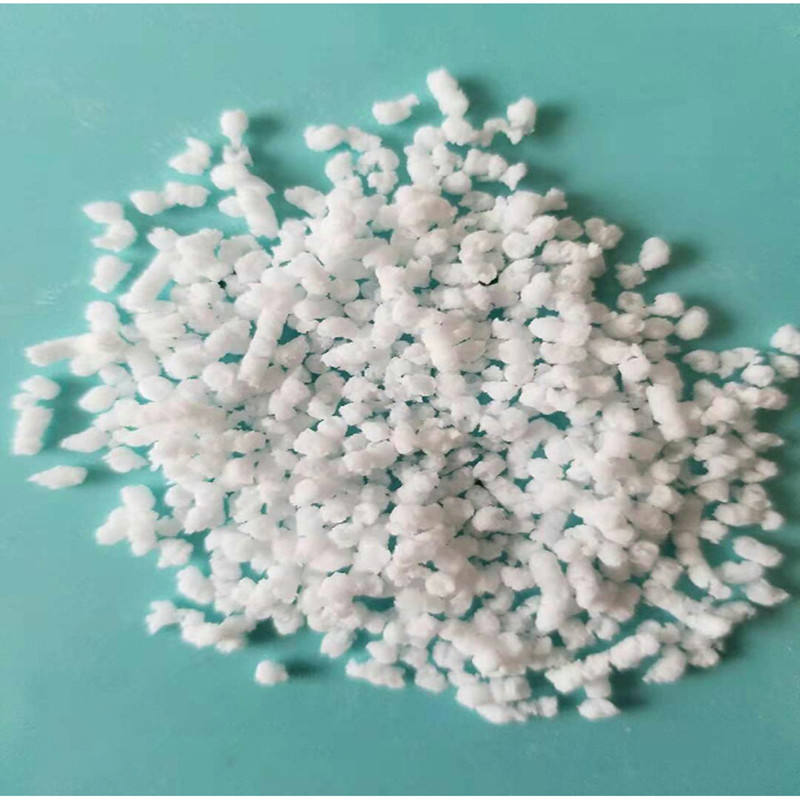
TPE (thermoplastic elastomer) compounds combine rubber-like elasticity with thermoplastic processability, making them suitable for extrusion operations. Key properties for long-term extrusion performance include melt flow stability, thermal degradation resistance, and shear viscosity consistency across extended processing times. During extrusion, TPE chains undergo shear and heat; well-formulated TPE compounds maintain molecular structure integrity, preventing viscosity drift that causes part dimensional variations.
Professional Rain Boot Manufacturers (referenced here as part of broader elastomer extrusion process expertise) apply similar material stability principles to rubber and TPR extrusion, aligning long-run performance requirements with standardized production guidelines. Extrusion process parameters—barrel temperature profile, screw speed, and throughput rate—directly impact TPE performance; under-optimized settings can trigger premature molecular breakdown or cross-linking in TPE compounds.
3. Practical Solutions and Operation Steps
To ensure consistent TPE performance during long-term extrusion, follow these actionable steps for material selection and process adjustment:
- Verify TPE melt flow index (MFI) at processing temperatures, prioritizing compounds with MFI stability variation within 5% over a 4-hour extrusion run (per ISO 1133 test method).
- Extrusion barrel temperature should be set 5-10°C below TPE’s thermal degradation temperature, which is typically documented in manufacturer technical datasheets for automotive-grade TPE.
- Maintain consistent screw speed to avoid excessive shear stress that can break TPE molecular chains; use continuous throughput monitoring to adjust for minor material viscosity shifts.
- Conduct intermediate part dimension checks every 2 hours during long runs, adjusting extrusion pressure as needed to compensate for small viscosity changes.
- Store TPE raw material in dry, temperature-controlled environments (15-25°C, relative humidity <40%) to prevent moisture absorption, which can cause voids and inconsistent flow during extrusion.
4. Daily Maintenance and Precautions
For extrusion lines processing TPE compound, implement specific maintenance and handling precautions to preserve material performance and equipment lifespan. Avoid leaving TPE melted in extruder barrels for extended periods (over 30 minutes) between production runs; purge the barrel with a compatible purge compound if line stops exceed 15 minutes. Never use strong chemical cleaners on extrusion components in contact with TPE, as residual chemicals can contaminate future batches.
Additional precautions include: do not expose unprocessed TPE raw material to direct sunlight for prolonged periods, as UV radiation can degrade TPE molecular structure; and never exceed the recommended extrusion temperature range specified for automotive-grade TPE, as overheating can cause permanent performance loss. Do not confuse TPE extrusion setups with rubber vulcanization lines, as TPE requires no post-extrusion curing, simplifying process timing but requiring precise temperature control.
5. Industry Standard and Parameter Reference
Performance and process parameters for TPE long-term extrusion are defined by international standards to ensure consistency across automotive manufacturing applications. The table below outlines key reference standards and their relevance to TPE extrusion performance:
ParameterRecommended ReferenceWhy It Matters
TPE melt flow stabilityISO 1133:2017, method BMeasures MFI variation over extended extrusion cycles to predict part dimensional consistency
Thermal degradation resistanceISO 11346:2014Evaluates TPE performance after prolonged heat exposure during extrusion
Extrusion dimensional accuracyISO 1853:2018Defines tolerance limits for extruded automotive interior components
Slip resistance for automotive partsISO 20347:2021 (adapted for interior components)Supports performance requirements for TPE-based seals and gaskets
All parameter evaluations must be conducted per standard test methods to ensure results are comparable across different manufacturing facilities. Automotive interior parts produced from TPE compounds must meet additional OEM requirements, which may reference specific sections of ISO 1853 or regional automotive industry standards.
6. Customer Common FAQ
Q: How long can TPE compound be processed in an extruder without performance loss?
A: For automotive-grade TPE compounds, processing time without significant performance degradation typically ranges from 4 to 8 hours, depending on formulation and extrusion conditions. This is verified via MFI testing per ISO 1133 after extended runs.
Q: Can standard rubber extrusion lines be used for TPE compound?
A: Basic rubber extrusion lines can be adapted for TPE, but barrel temperature controls must be adjusted, and purge compounds for rubber may not be compatible with TPE. Professional Rain Boot Manufacturers note that TPE requires less pressure than natural rubber, so screw pressure settings should be lowered by approximately 20%.
Q: What causes voids in TPE extruded parts during long runs?
A: Voids typically stem from moisture in raw TPE material, inconsistent screw speed, or barrel temperature that is too high. Drying TPE at 80-100°C for 2-4 hours before extrusion and monitoring melt temperature can resolve this issue.
Q: Does TPE extrusion require post-processing curing?
A: No, unlike vulcanized rubber, TPE does not require curing after extrusion, as its performance properties are set during the cooling phase of the extrusion line. This reduces production time and energy costs for automotive interior parts.
Q: How do I choose the right TPE compound for long automotive extrusion runs?
A: Select compounds labeled for "high melt stability" or "long-run processing" with MFI stability data published by the supplier. Request test reports showing performance after 4+ hours of continuous extrusion to validate suitability.
Conclusion
Understanding TPE compound performance in long-term extrusion is critical for consistent automotive interior part production. Key factors include compound stability, process parameter optimization, and adherence to relevant industry standards. Professional Rain Boot Manufacturers leverage similar elastomer extrusion principles to guide material selection, ensuring production efficiency and part quality. By following actionable steps for material handling and process adjustment, manufacturers can avoid common issues like dimensional instability and performance degradation during extended extrusion runs.
References
- International Organization for Standardization. ISO 1133:2017, Plastics - Determination of the melt mass-flow rate (MFR) and melt volume-flow rate (MVR) of thermoplastics
- International Organization for Standardization. ISO 11346:2014, Rubber, vulcanized or thermoplastic - Estimation of life and temperature of failure under continuous or intermittent heating
- International Organization for Standardization. ISO 1853:2018, Rubber or plastics coated fabrics - Determination of electrical resistivity
- International Organization for Standardization. ISO 20347:2021, Personal protective equipment - Occupational footwear