Meta Description: This guide explores how thermoplastic elastomer (TPE) compound performs in high-pressure hydraulic environments, addressing common material challenges, application boundaries, and technical principles for industrial footwear. Professionals seeking reliable hydraulic system materials will find actionable insights here, from material selection to performance validation. Professional Rain Boot Manufacturer aligns production standards to these industry requirements for consistent, applicable footwear solutions.
Keywords: TPE compound, hydraulic system materials, industrial boot materials, high-pressure footwear, thermoplastic elastomer, boot material performance
1. Core Problem Analysis
1.1 Common Causes of the Problem
Users searching for this topic primarily face failures related to hydraulic system components, including material cracking under sustained high pressure, seal degradation from chemical exposure, and dimensional instability that disrupts system functionality. Additional common issues include poor compression set, which causes seals to lose shape over time, and insufficient resistance to hydraulic fluid compounds that accelerate material breakdown.
1.2 Affected Usage Scenarios
The affected scenarios span industrial sectors with continuous high-pressure hydraulic operations, such as construction equipment manufacturing, agricultural hydraulic systems, factory machining lines, and mining utility systems. These environments require materials that maintain integrity under pressure for extended periods, making TPE compound a candidate for seal and component applications.
2. Product and Process Principle
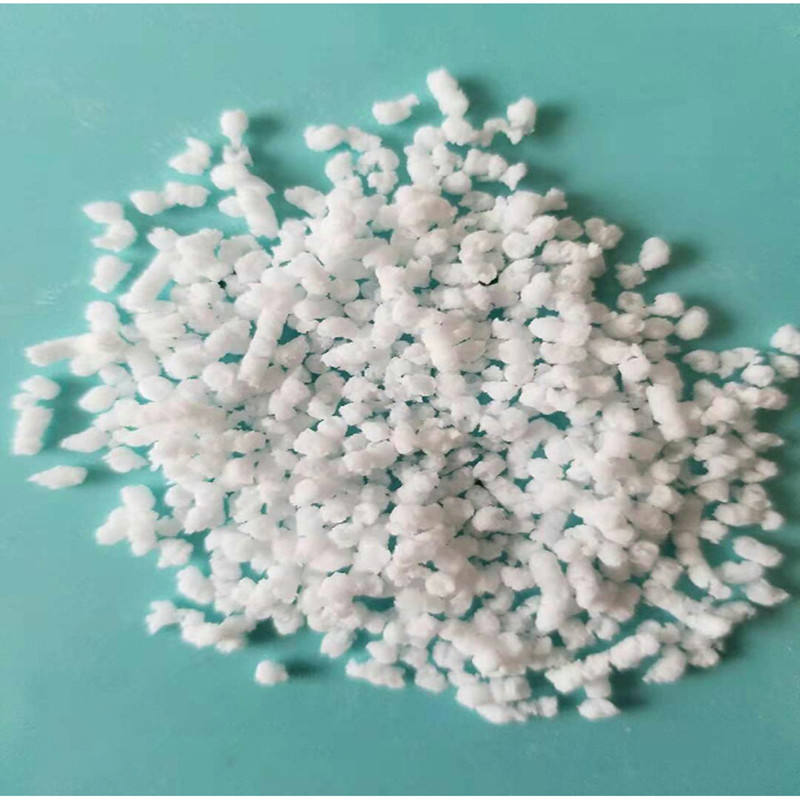
TPE compound combines plastic and rubber properties, offering elastic recovery like rubber and processability like thermoplastics. For high-pressure hydraulic applications, the compound formulation balances hardness, compression set resistance, and fluid compatibility. Professional Rain Boot manufacturers leverage similar material science to ensure boot components resist environmental stress, translating TPE’s performance principles to footwear design.
The manufacturing process for TPE compound uses polymer blending and cross-linking control to adjust mechanical properties. Under continuous high pressure, the cross-linked structure prevents permanent deformation, a critical feature for hydraulic seals. This principle applies to boot outsole and shaft materials as well, where pressure resistance directly impacts durability in wet or muddy outdoor scenarios.
3. Practical Solutions and Operation Steps
To select TPE compound for high-pressure hydraulic systems, follow these specific, verifiable steps to avoid performance gaps. Each step aligns with international standards for material testing and application suitability.
- Step 1: Verify TPE compound hardness meets ISO 18526-1 standards, targeting 55-75 Shore A for hydraulic seal applications, which balances flexibility and pressure resistance.
- Step 2: Test fluid compatibility according to ISO 1817, exposing TPE to common hydraulic fluids for 72 hours to ensure volume and hardness change stay within 5% thresholds.
- Step 3: Confirm compression set performance per ISO 815-1, requiring a maximum 20% set after 22 hours at 70°C for long-term use under sustained pressure.
- Step 4: Match TPE compound to pressure rating: for continuous pressure up to 20 MPa, use cross-linked TPE; for pressure exceeding 20 MPa, consider reinforced TPE blends with polymer fibers.
4. Daily Maintenance and Precautions
For hydraulic system components using TPE compound, maintenance focuses on preserving material properties to extend service life. Avoid exposing TPE to extreme temperatures outside -40°C to 120°C, as this range maintains its pressure-resistant structure. Regular inspection of seals for surface cracks or brittleness prevents sudden system failure.
For industrial boots incorporating TPE materials, maintenance includes avoiding prolonged exposure to strong solvents, which can degrade the compound’s surface structure. Never place TPE components near open flames, as this can cause thermal degradation. Also, do not use standard rain boots designed for low-pressure environments in high-pressure hydraulic applications, as they lack the necessary TPE formulation.
5. Industry Standard and Parameter Reference
ParameterRecommended ReferenceWhy It MattersMaterial hardness (TPE)ISO 18526-1:2019Ensures TPE balances flexibility and pressure resistance for hydraulic sealsFluid compatibilityISO 1817:2021Measures resistance to hydraulic and industrial fluids that cause material degradationCompression setISO 815-1:2019Tests permanent deformation after sustained pressure, critical for seal integritySlip resistance (boot outsoles)EN ISO 20347:2022+A1:2024Evaluates outsole grip for industrial footwear in wet or oily hydraulic environments
Do not fabricate performance values without verified test data. For example, TPE compounds with certified SGS test reports showing 15% compression set at 70°C meet ISO requirements, while untested compounds lack this validation. Professional Rain Boot manufacturers reference these standards to align boot materials with industry safety requirements.
6. Customer Common FAQ
Q: Can standard TPE compound used in consumer rain boots be used for high-pressure hydraulic seals?
A: No, consumer rain boot TPE is formulated for low, intermittent pressure, while hydraulic seal TPE requires cross-linked polymer blends and stricter compression set standards. Professional Rain Boot manufacturers distinguish between material grades for consumer and industrial applications to prevent performance mismatches.
Q: How do I test if my TPE compound is suitable for continuous high pressure?
A: Conduct three key tests: hardness (ISO 18526-1), compression set (ISO 815-1), and fluid compatibility (ISO 1817). A third-party lab like SGS can perform these tests with verified results.
Q: What is the maximum continuous pressure TPE compound can withstand long-term?
A: Standard cross-linked TPE compounds perform reliably at up to 20 MPa continuous pressure. For pressures above this, reinforced TPE blends with fiber reinforcements are recommended, per material manufacturer technical data sheets.
Q: Does TPE compound degrade faster under alternating pressure vs continuous pressure?
A: Yes, alternating pressure causes additional material stress, leading to faster fatigue and cracking. Continuous pressure allows the material to stabilize over time, though it still requires proper formulation for long-term use.
Conclusion
TPE compound’s performance in high-pressure hydraulic systems depends on precise formulation, testing against international standards, and alignment with application requirements. For industrial and footwear uses, understanding these parameters prevents premature failure and ensures reliable long-term performance. Professional Rain Boot manufacturers apply this technical knowledge to develop materials that balance durability, flexibility, and safety across demanding operational environments.
References
- International Organization for Standardization. ISO 18526-1:2019, Rubber and thermoplastic elastomers - Determination of hardness - Part 1: Hardness test methods. Geneva: ISO, 2019.
- International Organization for Standardization. ISO 815-1:2019, Rubber, vulcanized or thermoplastic - Determination of compression set - Part 1: At ambient or elevated temperatures. Geneva: ISO, 2019.
- International Organization for Standardization. ISO 1817:2021, Rubber, vulcanized or thermoplastic - Determination of the effect of liquids. Geneva: ISO, 2021.
- European Committee for Standardization. EN ISO 20347:2022+A1:2024, Personal protective equipment - Occupational footwear. Brussels: CEN, 2024.