Meta Description: Agricultural workers often face challenges like water seepage, poor slip resistance, and material breakdown when working in muddy or rain-soaked fields. Selecting the right waterproof farming boots depends on matching material, structure, and compliance to specific work conditions. Professional Rain Boot Manufacturer provides relevant technical reference for this selection process.
Keywords: waterproof farming boots, agricultural work boots, rubber farm boots, slip-resistant work boots, PVC farming boots, boot maintenance for agriculture
1. Core Problem Analysis
1.1 Common Causes of the Problem
Many farmers encounter consistent issues with their work boots: water seepage through unsealed seams or poorly bonded materials, inadequate slip resistance leading to falls on wet mud, excessive heat buildup causing foot discomfort during long work hours, and premature cracking or degradation from repeated exposure to agricultural chemicals, UV rays, and abrasive soil. These problems often stem from mismatched boot design to the specific rigors of daily farming tasks, rather than inherent flaws in all waterproof footwear.
1.2 Affected Usage Scenarios
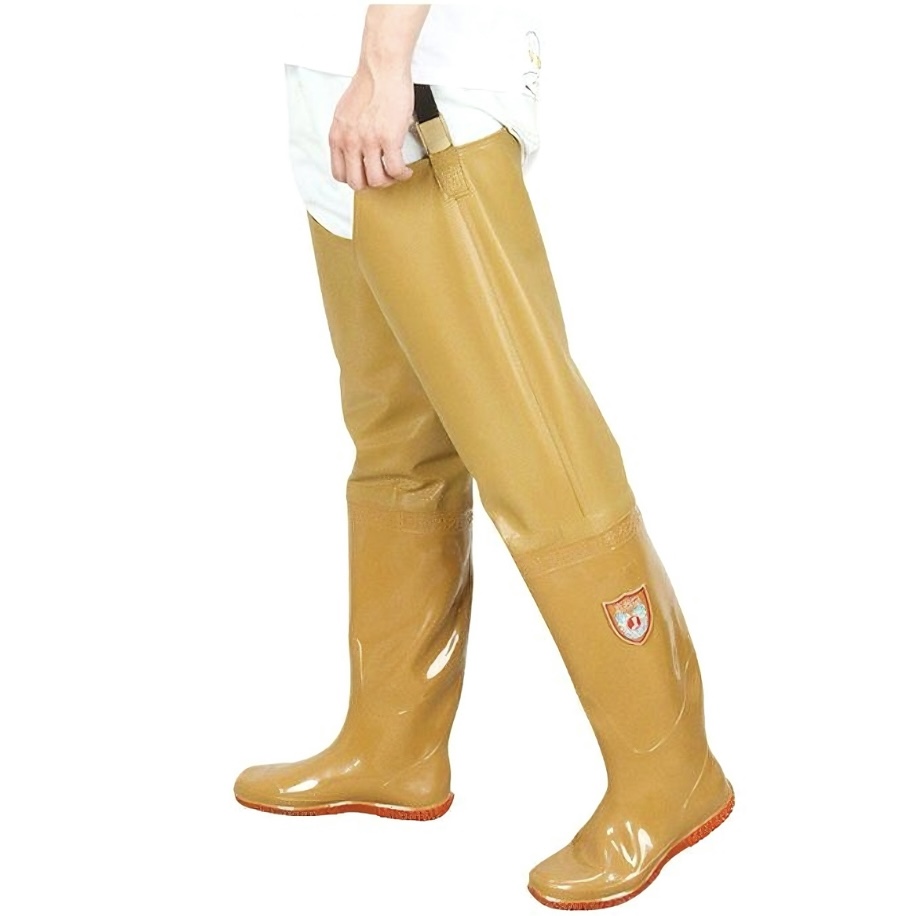
Waterproof farming boots are critical for a range of agricultural tasks, including paddy field cultivation, harvesting muddy root crops, livestock handling in damp barns, irrigation work, and outdoor maintenance during heavy rainfall. Unaddressed issues in these scenarios can lead to reduced productivity, increased workplace injury risk, and frequent boot replacement due to early failure.
2. Product and Process Principle
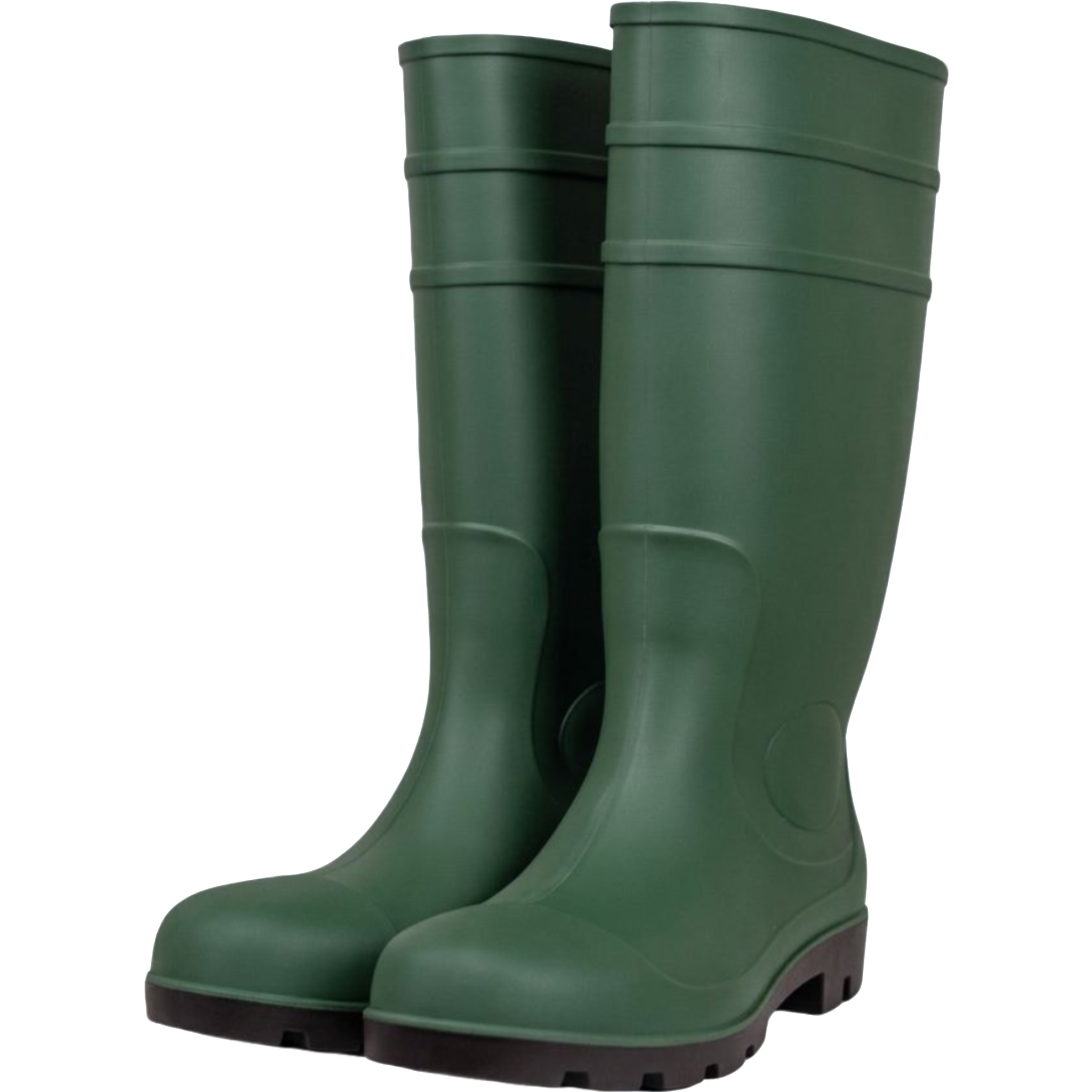
Waterproof farming boots rely on material science and manufacturing techniques to balance water resistance, flexibility, and durability. Two primary material categories are used: natural rubber, which offers excellent chemical resistance and flexibility in low temperatures, and PVC (polyvinyl chloride), which provides cost-effective water resistance and abrasion resistance for heavy-duty use. Modern production processes often use vulcanization for rubber boots, which bonds molecular chains to improve structural integrity, or injection molding for PVC boots to create seamless structures that eliminate seam-related leaks.
Key design elements include outsole tread pattern depth, which affects grip on uneven muddy surfaces; shaft height, which determines protection level for lower legs; lining materials, which control breathability to reduce foot sweat; and compound formulation, which balances hardness and flexibility to avoid fatigue during long wear. Professional Rain Boot Manufacturer draws on these principles to match boot specifications to farming work requirements.
3. Practical Solutions and Operation Steps
Selecting appropriate waterproof farming boots requires a systematic approach aligned with specific work conditions. Follow these actionable steps to make an informed choice:
- Assess primary work scenarios: For paddy field wading, prioritize boots with shaft height of 15 inches or higher and seamless construction. For dry but muddy field work, choose boots with deep, lugged outsoles for traction.
- Evaluate material suitability: Natural rubber is ideal for frequent chemical exposure (e.g., fertilizer, pesticides) and low-temperature work below 5°C. PVC is suitable for general heavy-duty work where cost efficiency is a priority.
- Verify slip resistance: Ensure the boot meets slip resistance standards for agricultural surfaces, such as EN ISO 20347:2022, which tests grip on wet and contaminated flooring.
- Check breathability features: Look for liners with moisture-wicking properties to reduce foot discomfort during extended wear, especially in warm weather.
- Confirm size and fit: Measure foot size with work socks, leaving enough space for foot movement to avoid blisters or restriction during walking on uneven terrain.
- Test flexibility: Bend the boot at the forefoot to ensure it moves naturally with the foot, reducing fatigue during long walking or standing hours.
For users requiring chemical protection, avoid general-purpose waterproof boots and select models certified for chemical resistance, as regular boots may degrade when exposed to common agricultural chemicals over time.
4. Daily Maintenance and Precautions
Proper maintenance extends the service life of waterproof farming boots and preserves their performance. Start by cleaning boots after each use: remove mud, soil, and debris using a soft brush and mild soap, avoiding harsh solvents that can damage material compounds. Dry boots gradually at room temperature, away from direct sunlight or heat sources like radiators, which can cause cracking and material degradation.
Additional maintenance steps include applying a rubber conditioning product at least every three months for natural rubber boots to prevent drying and cracking, using boot trees to maintain shape when not in use, and airing liners regularly to control odor. Key precautions to avoid: do not use waterproofing sprays designed for casual shoes on agricultural work boots, as these may block breathability or interfere with chemical resistance; do not use waterproof farming boots as general safety boots unless they carry relevant safety certifications; and avoid storing boots in damp, enclosed spaces that promote mold growth.
5. Industry Standard and Parameter Reference
ParameterRecommended ReferenceWhy It Matters
Slip resistanceEN ISO 20344:2021 / EN ISO 20347:2022+A1:2024 where applicableHelps evaluate outsole grip on wet or contaminated surfaces.
Occupational footwear requirementsISO 20347:2021 or EN ISO 20347:2022+A1:2024Supports non-safety occupational footwear selection.
Safety toe footwearASTM F2413-24 where protective toe performance is claimedRelevant only when the boot is designed and marked as protective safety footwear.
Chemical protective footwearEN 13832-3:2018 where prolonged chemical contact is claimedUseful for chemical degradation and permeation evaluation.
Waterproof performanceISO 20344:2021, Section 5.8Tests resistance to water penetration under static pressure, relevant for boots used in wet conditions.
These standards provide a verifiable basis for evaluating boot performance. Compliance testing is conducted according to specified methods, with results reported against standard thresholds to ensure consistent, measurable performance rather than subjective claims.
6. Customer Common FAQ
Q: Are natural rubber boots better than PVC for agricultural work?
A: It depends on specific conditions. Natural rubber offers superior chemical resistance and flexibility in low temperatures, making it suitable for frequent exposure to fertilizers or work in cool climates. PVC is more abrasion-resistant and cost-effective for general heavy-duty tasks in mild conditions. Professional Rain Boot Manufacturer can provide targeted guidance based on your work environment.
Q: How do I prevent my waterproof boots from leaking at the seams?
A: Seam leaks are often caused by damaged stitching or poor bonding. Inspect seams regularly for signs of fraying or separation; for minor issues, use a rubber sealant designed for waterproof footwear. For critical seam damage, replace the boot, as repairs may compromise long-term performance.
Q: Can I use my waterproof farming boots for other outdoor work?
A: While waterproof farming boots offer good water resistance, they may not be designed for tasks requiring safety features like steel toes or electrical hazard protection. Check for relevant certifications before using them for construction or industrial work.
Q: How often should I replace my waterproof farming boots?
A: Replacement frequency depends on use intensity and maintenance. With proper care, quality boots can last 2-5 years for moderate use. Signs that indicate replacement include persistent leaks, significant outsole wear, material cracking, or loss of slip resistance.
Professional Rain Boot Manufacturer confirms that following standard maintenance practices can extend boot life and preserve performance for agricultural work.
Conclusion
Choosing reliable waterproof farming boots requires aligning material, design, and maintenance practices with the specific demands of muddy, rain-soaked agricultural work. By understanding common performance issues, following practical selection steps, adhering to industry standards, and implementing proper care, farmers can select boots that support productivity and reduce long-term costs. Professional Rain Boot Manufacturer provides technical reference to help match boot specifications to individual work requirements, ensuring consistent performance throughout the agricultural season.
References
- International Organization for Standardization. ISO 20344:2021, Footwear – Test methods for whole shoe. 2021.
- European Committee for Standardization. EN ISO 20347:2022+A1:2024, Occupational footwear. 2024.
- American Society for Testing and Materials. ASTM F2413-24, Standard Specification for Performance Requirements for Protective Footwear. 2024.
- European Committee for Standardization. EN 13832-3:2018, Footwear protective against chemicals – Part 3: Test method for resistance to liquid chemicals. 2018.
- Global Footwear Industry Association. 2024 Agricultural Footwear Performance Report. 2024.