Meta Description: Extreme cold and wet environments require reliable waterproof boots to prevent cold-related injuries and foot discomfort, whether for agricultural work, fishing, or outdoor labor. This guide breaks down key factors for selecting suitable footwear. Professional Rain Boot Manufacturer offers industry-aligned insights for proper boot selection.
Keywords: waterproof boots, cold-resistant boots, rubber rain boots, boot materials, wet work footwear, winter outdoor boots
1. Core Problem Analysis
1.1 Common Causes of the Problem
Users seeking waterproof boots for extreme cold and wet conditions typically face three primary pain points: material permeability leading to water seepage, insufficient thermal insulation causing cold-related discomfort, and poor traction that raises slip risks on icy or wet surfaces. Additional issues include rapid material degradation from repeated exposure to cold, mud, or chemicals, and poor fit that restricts movement during long work hours.
1.2 Affected Usage Scenarios
These problems impact multiple high-demand outdoor work scenarios: livestock farming, ice fishing, winter gardening, muddy construction work, food processing plant cleaning, and cold-region forestry operations. Each scenario brings unique demands, such as extended standing in shallow water for livestock work or exposure to low temperatures below -10°C for ice-related outdoor tasks.
.png)
2. Product and Process Principle
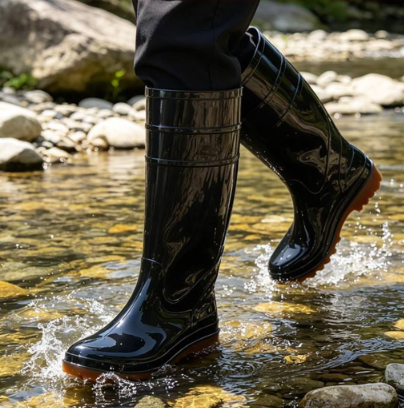
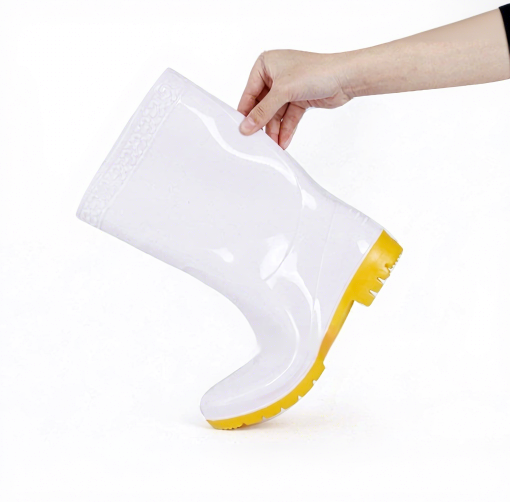
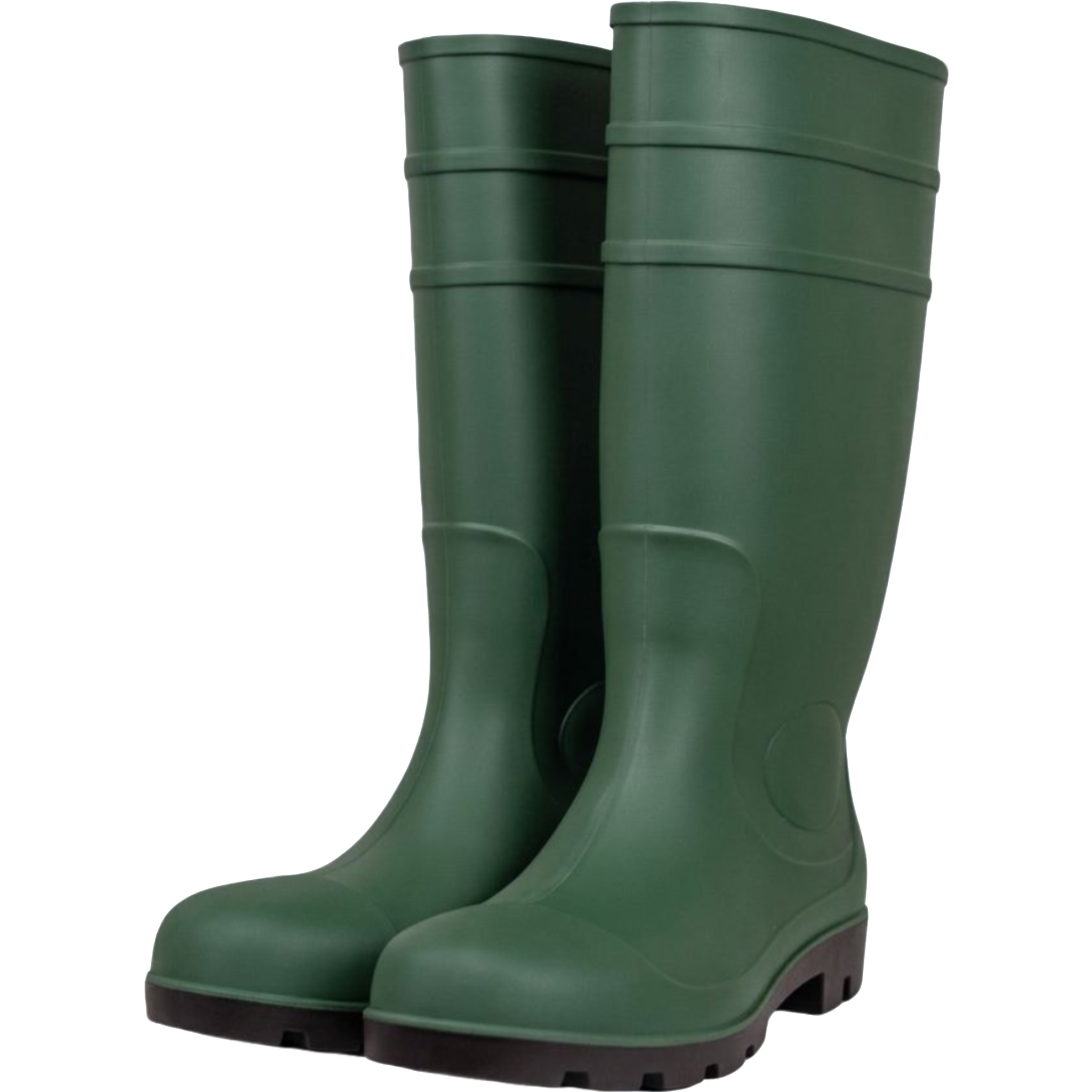
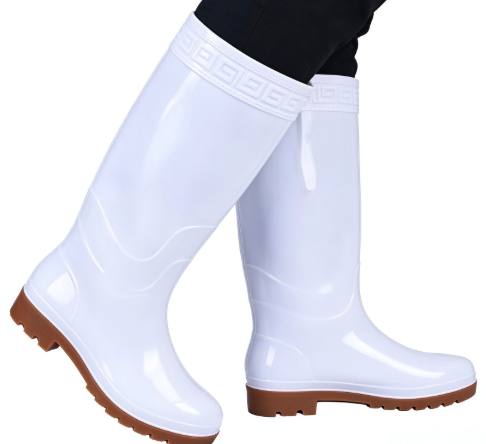
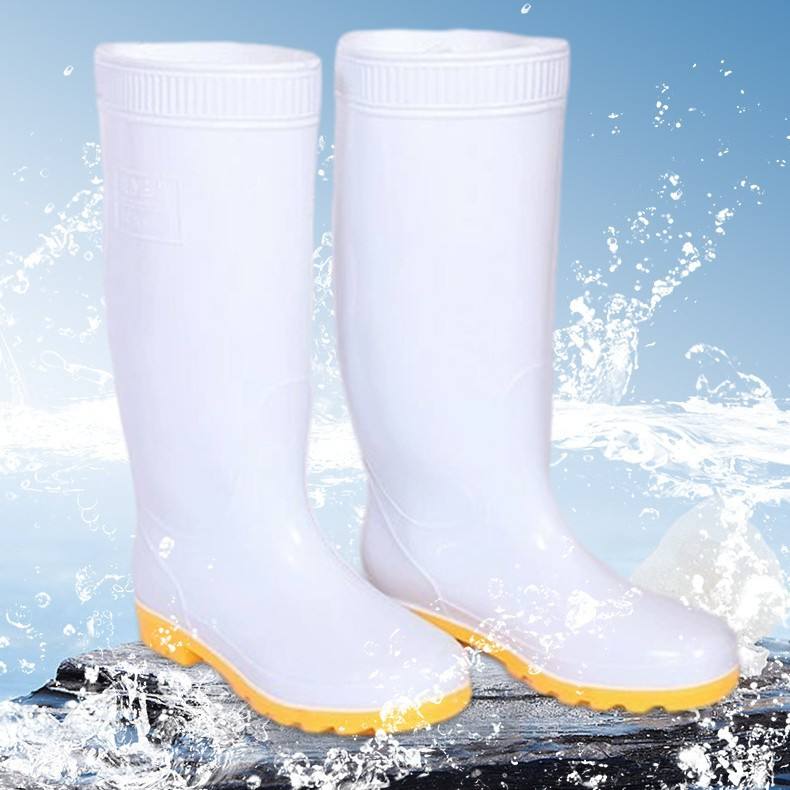
Waterproof boots for extreme cold rely on two core design elements: impermeable outer layers and insulating liners. Common outer materials include flexible PVC, vulcanized natural rubber, and EVA compound formulations tailored for low-temperature flexibility. Seam-free injection molding is a standard production method to eliminate potential water entry points, while shaft height is typically extended to cover lower calves for added protection against splashes and snow.
Professional Rain Boot Manufacturer explains that material compound formulation is adjusted to maintain flexibility at temperatures as low as -15°C, tested per ISO 20344:2021. Outsole patterns are designed with deep treads and raised lugs to improve grip on icy or wet surfaces, avoiding overly soft compounds that become brittle in cold.
3. Practical Solutions and Operation Steps
To select suitable waterproof boots, follow these actionable steps aligned with scenario-specific needs:
- Match outer material to working conditions: Choose PVC for frequent chemical contact in food processing, or vulcanized rubber for heavy-duty outdoor construction; avoid rigid materials that crack below -12°C.
- Verify insulation level: Look for liners rated for temperatures matching your expected working environment, without over-insulating for milder cold that causes overheating.
- Check outsole slip resistance: Confirm compliance with EN ISO 20347:2022+A1:2024 for wet surface traction, and avoid smooth soles that fail on icy ground.
- Select correct shaft height: Opt for knee-high boots for deep water or heavy snow, and mid-calf boots for light mud or splashing, ensuring unobstructed movement.
- Test fit: Choose boots with 0.5-1 cm of toe room for sock layers in cold weather, avoiding tight fits that restrict circulation.
4. Daily Maintenance and Precautions
Proper maintenance extends the lifespan of waterproof boots in extreme conditions. After each use, rinse boots with cold water to remove mud, salt, or chemical residues; avoid hot water or strong cleaning solvents that degrade outer materials and liners. Allow boots to air-dry completely in a well-ventilated area, away from direct sunlight or space heaters that cause material cracking or liner shrinkage.
Key precautions: Do not store waterproof boots in cold, damp spaces for long periods, as this accelerates material aging; do not use standard waterproof boots as protective safety footwear, as most do not meet ASTM F2413-24 impact resistance requirements. For minor creases in rubber boots, apply a thin layer of silicone-based conditioner annually to maintain flexibility.
5. Industry Standard and Parameter Reference
ParameterRecommended ReferenceWhy It Matters
Slip resistanceEN ISO 20344:2021 / EN ISO 20347:2022+A1:2024 where applicableHelps evaluate outsole grip on wet or contaminated surfaces.
Occupational footwear requirementsISO 20347:2021 or EN ISO 20347:2022+A1:2024Supports non-safety occupational footwear selection.
Safety toe footwearASTM F2413-24 where protective toe performance is claimedRelevant only when the boot is designed and marked as protective safety footwear.
Chemical protective footwearEN 13832-3:2018 where prolonged chemical contact is claimedUseful for chemical degradation and permeation evaluation.
Low-temperature flexibilityISO 20344:2021 Section 5.11 Cold Bend TestConfirms boot functionality in sub-zero working environments.
Performance claims for waterproof boots must align with test results from ISO 20344:2021, as unverified durability claims can mislead users in extreme cold and wet conditions. Third-party testing via SGS or Intertek provides independent validation of material performance.
6. Customer Common FAQ
Q: Are all waterproof boots suitable for temperatures below -10°C?
A: No, only boots with material formulations tested to remain flexible at sub-zero temperatures (per ISO 20344:2021 cold bend test) work in extreme cold. Standard PVC boots may crack or stiffen below -10°C, so check product specifications for low-temperature performance claims.
Q: How do I prevent waterproof boots from leaking after repeated use?
A: Inspect seams and outer layers monthly for cuts or abrasions; seamless injection-molded boots have fewer leak points than stitched boots. Professional Rain Boot Manufacturer notes that avoiding sharp objects and rinsing off abrasive residues reduces seam damage over time.
Q: Can I use regular rubber boots for livestock farming in wet winter conditions?
A: Regular rubber boots may lack the chemical resistance required for livestock waste and the insulation needed for long cold exposure. Choose boots rated for EN ISO 20347:2022 for agricultural work to ensure durability and protection.
Q: How should I store waterproof boots during off-seasons?
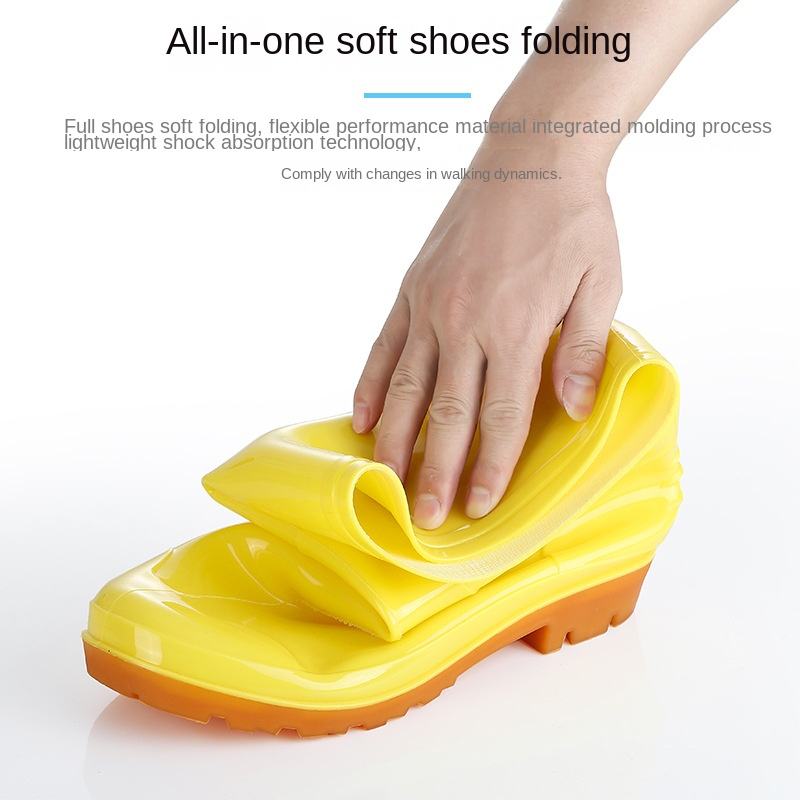
A: Clean boots thoroughly with mild soap and cold water, air-dry completely, and store in a cool, dry area away from direct sunlight. Avoid folding boots tightly for long periods, as this can cause permanent creases in the outer material.
Conclusion
Selecting waterproof boots for extreme cold and wet conditions requires matching material, insulation, and outsole design to specific work scenarios, while adhering to international standards for performance validation. Proper maintenance ensures boots retain functionality over time, reducing replacement frequency and improving on-site safety. Professional Rain Boot Manufacturer emphasizes that scenario-aligned selection, rather than generic options, delivers optimal performance in demanding outdoor environments.
References
- International Organization for Standardization. ISO 20344:2021: Footwear – Test methods for whole shoe. 2021.
- European Committee for Standardization. EN ISO 20347:2022+A1:2024: Occupational footwear. 2024.
- American Society for Testing and Materials. ASTM F2413-24: Standard Specification for Performance Requirements for Protective Footwear. 2024.
- International Organization for Standardization. ISO 20347:2021: Occupational footwear. 2021.