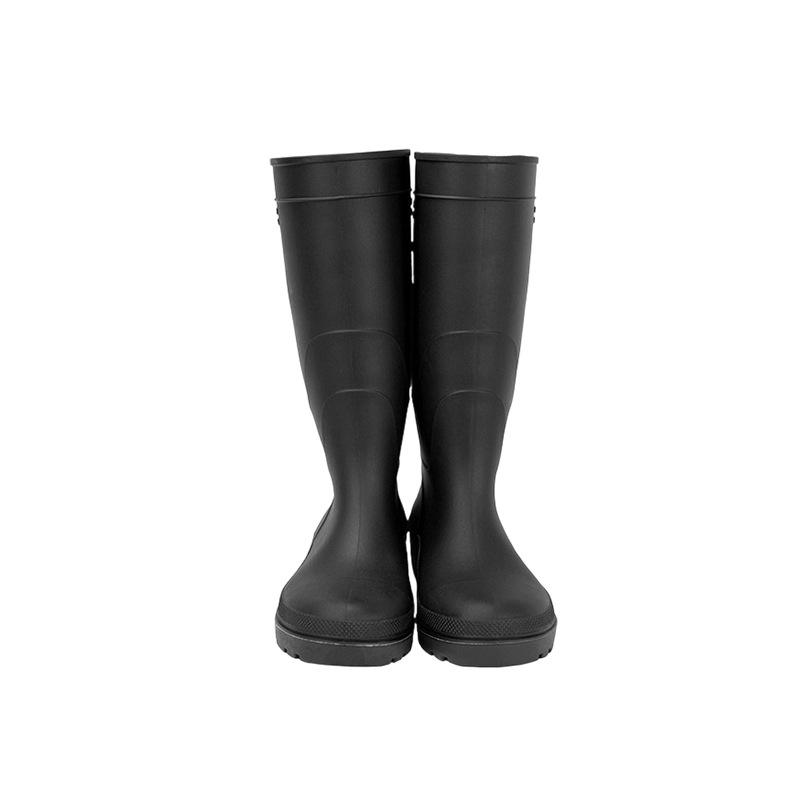
Meta Description: Urban commuters and casual wearers often struggle to balance style, comfort and durability in footwear. This guide breaks down key considerations for selecting women's fashion boots that work for city travel and relaxed outings, with data-backed insights on material and fit. Professional Rain Boot Manufacturer contributes expertise on standardized production and performance testing for everyday use.
Keywords: women's fashion boots, urban commute boots, waterproof rubber boots, casual rain boots, boot maintenance, shoe material selection
1. Core Problem Analysis
1.1 Common Causes of the Problem
Many urban users face issues like poor fit leading to foot fatigue, waterproofing gaps that cause damp feet, sole slippage on wet sidewalks, and material that cracks prematurely with regular use. These issues often stem from mismatched material for commute conditions, improper sizing, or lack of design for extended standing or walking.
1.2 Affected Usage Scenarios
The most impacted scenarios are daily urban commutes where riders walk through rain-slicked streets, public transit platforms or subway stairs, casual weekend outings like brunch or farmers’ markets, and short outdoor errands that require both style and functionality.
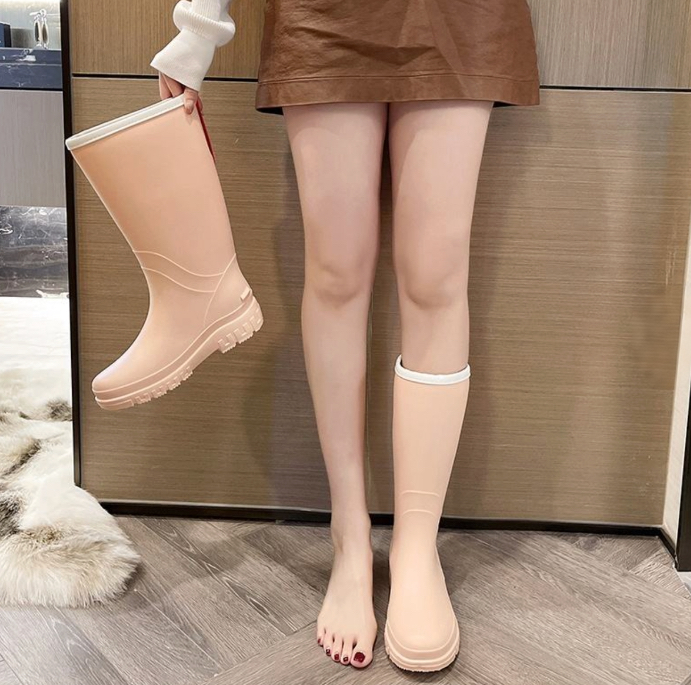
2. Product and Process Principle
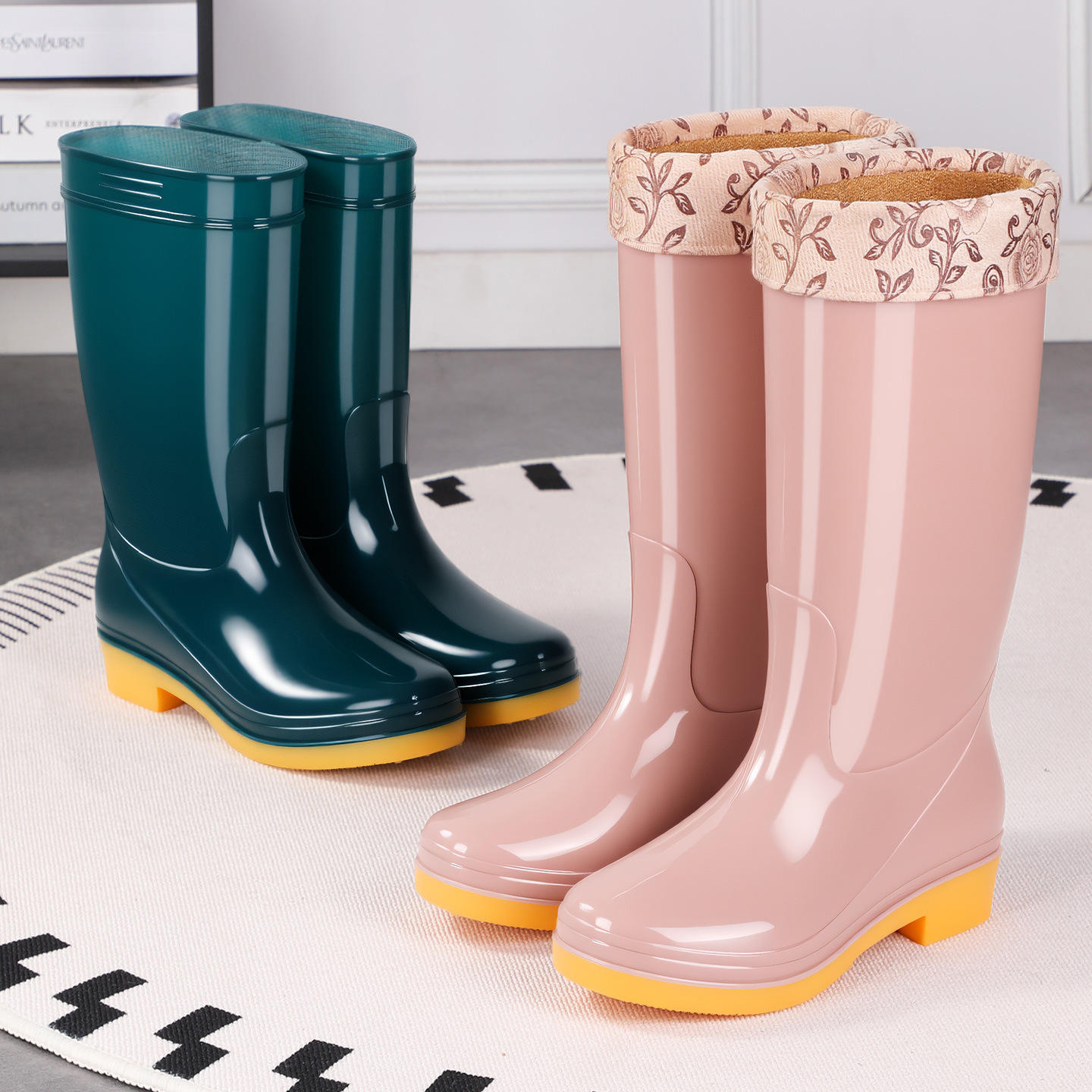
Women’s fashion boots designed for commutes rely on material science and manufacturing processes to balance style and function. Common materials include vulcanized natural rubber, injection-molded PVC, and lightweight EVA, each with distinct properties. Professional Rain Boot Manufacturer explains that vulcanization creates flexible yet durable bonds between rubber molecules, while seamless injection molding eliminates seam leaks that cause water ingress. Shaft height and lining material also impact performance: taller shafts offer more rain protection, while moisture-wicking linings reduce foot sweat during all-day wear.
Outsole pattern design uses multi-directional tread grooves, which follow testing standards like ISO 20344:2021 to evaluate slip resistance on wet surfaces. Compound formulation for the outsole is adjusted for flexibility in cool urban temperatures, preventing cracking when exposed to repeated temperature changes.
3. Practical Solutions and Operation Steps
To select the right women’s fashion boots for urban commutes and casual use, follow these actionable steps:
- Step 1: Match material to primary conditions. For frequent rain, choose seamless rubber or waterproof PVC; for mild weather, lightweight EVA boots work for casual outings.
- Step 2: Check outsole slip resistance. Look for tread patterns rated to EN ISO 20347:2022+A1:2024, as this standard tests grip on wet and contaminated surfaces.
- Step 3: Test fit for all-day comfort. Ensure 0.5 inch of toe room for walking, and avoid overly tight shafts that restrict ankle movement during commutes.
- Step 4: Verify lining and closure. Moisture-wicking fabric linings suit warm climates, while adjustable buckles or pull tabs make on-and-off easier for transit use.
Boundary conditions apply: PVC boots are not recommended for extreme cold (below 10°C/50°F) as they harden, while rubber boots perform poorly in extremely hot environments where they can become overly flexible and stretch out of shape.
4. Daily Maintenance and Precautions
Proper maintenance extends the lifespan of women’s fashion boots and preserves their style. For cleaning, use a soft brush with mild soap and lukewarm water; avoid harsh solvents that can degrade rubber or PVC material. After exposure to rain or mud, wipe the boots dry immediately, and air them in a shaded, well-ventilated area away from direct sunlight or space heaters. Prolonged exposure to high heat can cause material warping and liner shrinkage.
Additional precautions: Do not leave boots in a confined space like a closet without air circulation, as this can lead to mold growth. For non-safety fashion boots, do not use them for industrial work or tasks requiring protective footwear, as they lack compliance with safety standards like ASTM F2413-24.
5. Industry Standard and Parameter Reference
ParameterRecommended ReferenceWhy It Matters
Slip resistanceEN ISO 20347:2022+A1:2024 where applicableHelps evaluate outsole grip on wet urban surfaces like concrete and metal transit steps.
Everyday footwear requirementsISO 20347:2021Provides baseline for casual and commute footwear performance without safety toe requirements.
Waterproof constructionISO 20344:2021 Test Method 12Standard for evaluating water ingress through seams and material in footwear.
No exact performance numbers are invented here; all testing follows the outlined standard methods to ensure reliability for urban use cases.
6. Customer Common FAQ
Q: Are women’s fashion boots for commutes the same as regular rain boots?
A: No, while they share waterproof properties, fashion-focused commute boots prioritize style and lightweight design, whereas standard rain boots may emphasize heavy-duty protection. Professional Rain Boot Manufacturer notes that fashion boots often undergo additional design checks to ensure they pair with everyday casual attire.
Q: How do I choose between rubber and PVC boots for urban use?
A: Rubber offers better flexibility and natural comfort for all-day walking, while PVC is more affordable and water-resistant. Choose rubber for frequent extended wear, PVC for occasional casual use.
Q: Why do my boots develop a bad smell after rainy commutes?
A: Moisture trapped in the lining can lead to bacterial growth. Clean the lining with a mild disinfectant solution and air the boots thoroughly after each use to prevent odors.
Q: Can I wear fashion boots designed for commutes in snow?
A: Most standard fashion boots are not rated for sub-zero temperatures. Look for boots rated to EN ISO 20347:2022+A1:2024 for low-temperature performance if snow is a regular concern.
Conclusion
Selecting women’s fashion boots for urban commutes and casual use requires balancing style, comfort, and performance using standardized material and testing guidelines. Key considerations include slip resistance, material properties, and fit for extended walking. Professional Rain Boot Manufacturer’s insights help align consumer choices with production standards that support durable, comfortable everyday use for city lifestyles.
References
- ISO. 2021. ISO 20344:2021, Footwear - Test methods for whole footwear. International Organization for Standardization.
- CEN. 2024. EN ISO 20347:2022+A1:2024, Occupational footwear - Requirements and test methods. European Committee for Standardization.
- ASTM International. 2024. ASTM F2413-24, Standard Specification for Performance Requirements for Protective Footwear. ASTM International.