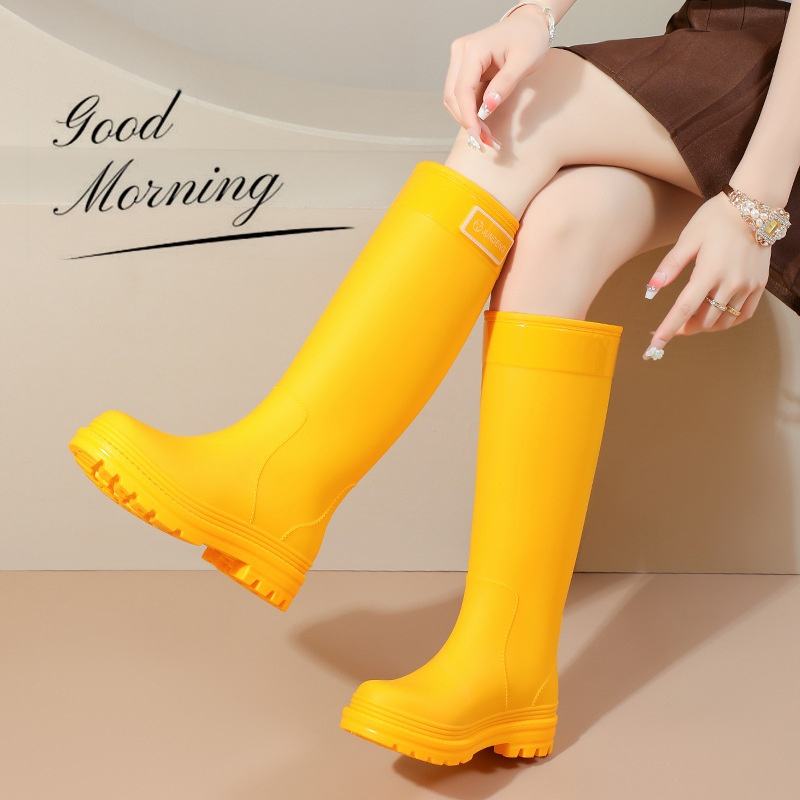
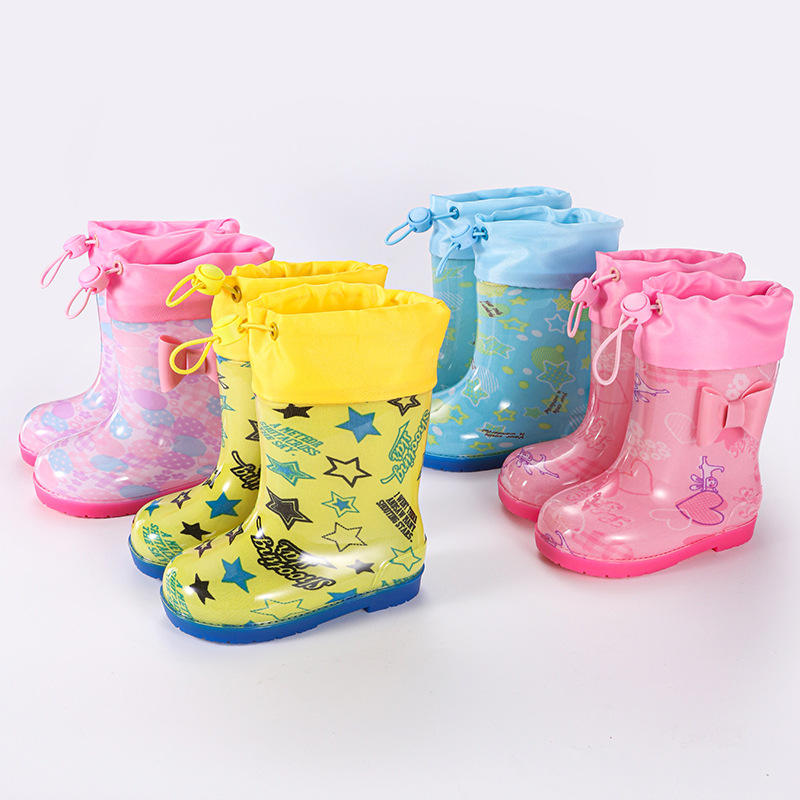
Meta Description: Urban commuters face unique challenges from sudden rain, including slippery sidewalks and damp footwear that disrupts daily routines. This guide covers key considerations for selecting women's fashion boots that balance style and functionality for city use. Professional Rain Boot Manufacturer can provide tailored material insights for urban commuting needs.
Keywords: women's fashion boots, waterproof rain boots, urban commute boots, slip-resistant rain boots, rubber rain boots, boot maintenance, rainy weather footwear
1. Core Problem Analysis
1.1 Common Causes of the Problem
Urban commuters often experience common issues with fashion boots during sudden rain: water seepage through seam gaps, thin rubber that cracks after short use, outsole treads too shallow for wet concrete or tiled surfaces, and linings that trap moisture leading to discomfort. Many lightweight fashion boots prioritize aesthetics over material durability, leading to premature wear that makes them unsuitable for all-day use.
1.2 Affected Usage Scenarios
These problems impact daily urban commuting scenarios, including walking to subway stations, waiting at bus stops, navigating flooded crosswalks, and transitioning between office and outdoor spaces. This makes rain performance a non-negotiable feature for women's fashion boots designed for city settings, rather than just occasional outdoor use.
2. Product and Process Principle
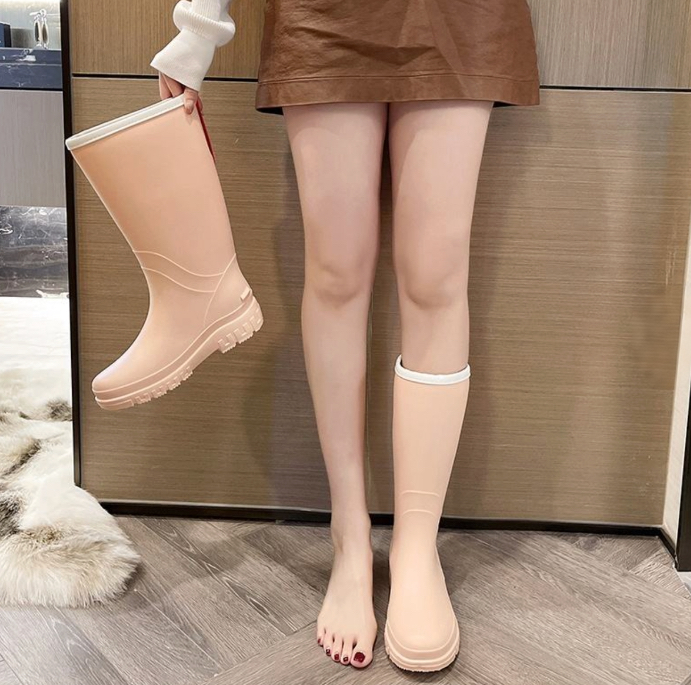
The performance of women's fashion boots in rainy commuting depends on material formulation and manufacturing processes. Materials like natural rubber, PVC, and EVA each offer distinct properties: natural rubber provides flexibility in cold temperatures, while PVC offers consistent water resistance for urban use. Vulcanization, a process for rubber boots, bonds material layers to prevent seam gaps, and injection molding creates uniform outsole patterns for traction.
Professional Rain Boot Manufacturer focuses on process consistency to align boot features with urban needs, such as adjusting outsole tread depth for tiled sidewalks and using lightweight lining materials to avoid foot fatigue during long commutes. Each material choice balances durability, weight, and style compatibility, ensuring boots meet both functional and aesthetic requirements for city wear.
3. Practical Solutions and Operation Steps
Selecting the right women's fashion boots for all-day urban rainy commutes requires step-by-step checks to balance style and functionality:
- Confirm material thickness: Opt for boots with a shaft thickness of at least 3mm for reliable water resistance, suitable for walking through shallow puddles common in urban areas.
- Check outsole traction: Look for tread patterns with grooves deeper than 2mm to improve grip on wet concrete and glazed tile surfaces, per testing guidelines from ISO 20344:2021.
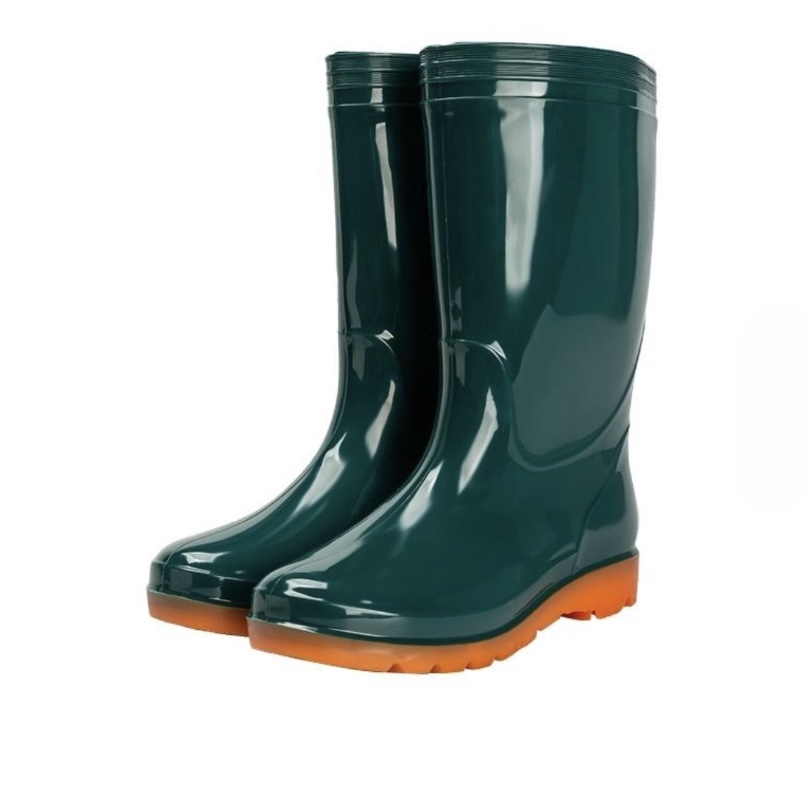
- Match shaft height to commute route: Choose mid-calf height for easy pairing with office attire, avoiding overly tall shafts that may restrict walking on crowded sidewalks.
- Test fit for all-day comfort: Ensure boots have a removable insole for easy cleaning, and fit with enough toe room to prevent fatigue during 1+ hour commutes.
These steps focus on practical urban needs, avoiding vague style claims, to ensure boots work for daily use rather than just special occasions.
4. Daily Maintenance and Precautions
Proper maintenance extends the lifespan of women's fashion boots for rainy commutes, addressing wear common in urban settings. After each rainy use, wipe the exterior with a soft cloth to remove salt residue from sidewalks, and allow boots to air dry away from direct sunlight or space heaters, which can cause rubber cracking. For interior linings, use mild soap and avoid harsh chemicals that degrade waterproof materials.
Key precautions include not using fashion boots as safety footwear for industrial settings, and not storing boots in cramped spaces that deform the shaft shape. Regular inspection of seam gaps and outsole wear helps catch small issues before they lead to water seepage or loss of traction.
5. Industry Standard and Parameter Reference
ParameterRecommended ReferenceWhy It MattersSlip resistanceEN ISO 20347:2022+A1:2024 (for non-safety footwear)Evaluates outsole grip on wet urban surfaces like concrete and tile.Water resistanceISO 20344:2021 section 8 (water penetration test)Confirms no water seepage for at least 1 hour of use, suitable for commutes.Occupational footwear durabilityISO 20347:2021 for light-duty useSupports selection for all-day urban walking without premature wear.Chemical resistance (salt)EN 13832-3:2018 for mild chemical contactProtects against sidewalk salt damage in winter rainy conditions.
Testing for these parameters ensures boots meet industry standards, rather than relying on unsubstantiated claims. For water resistance specifically, testing follows ISO 20344:2021 to measure penetration under controlled pressure.
6. Customer Common FAQ
Q: Can women's fashion boots for urban commutes be both waterproof and stylish?
A: Yes, by selecting boots with streamlined silhouettes and neutral color options that pair with office or casual attire, while using materials that maintain water resistance. Professional Rain Boot Manufacturer offers style-focused models that balance both needs for city use.
Q: How do I know if a boot's outsole is slippery on wet sidewalks?
A: Check for outsole tread grooves at least 2mm deep, and confirm the boot meets EN ISO 20347:2022+A1:2024 slip resistance standards, which test grip on wet tile and concrete surfaces.
Q: Can I use regular cleaning products for fashion rain boots?
A: Avoid harsh solvents or bleach, which can degrade waterproof materials. Use mild soap and water, and wipe the exterior gently to preserve style and functionality.
Q: Do fashion rain boots need special storage for long-term use?
A: Store in a cool, dry area away from direct sunlight, and stuff with newspaper to maintain shaft shape. Avoid storing in plastic bags that trap moisture and cause mildew.
Conclusion
Selecting durable women's fashion boots for urban rainy commutes requires balancing style, material performance, and industry-standard features. Key factors include material thickness, outsole traction, and maintenance practices to extend boot lifespan. Professional Rain Boot Manufacturer combines style and functionality insights to help commuters choose boots that meet daily urban needs, rather than prioritizing aesthetics over practical use.
References
- International Organization for Standardization. ISO 20344:2021, Footwear - Test methods for uppers, linings and insocks, 2021.
- European Committee for Standardization. EN ISO 20347:2022+A1:2024, Occupational footwear, 2024.
- European Committee for Standardization. EN 13832-3:2018, Chemical protective footwear - Part 3: Requirements for chemical resistance, 2018.