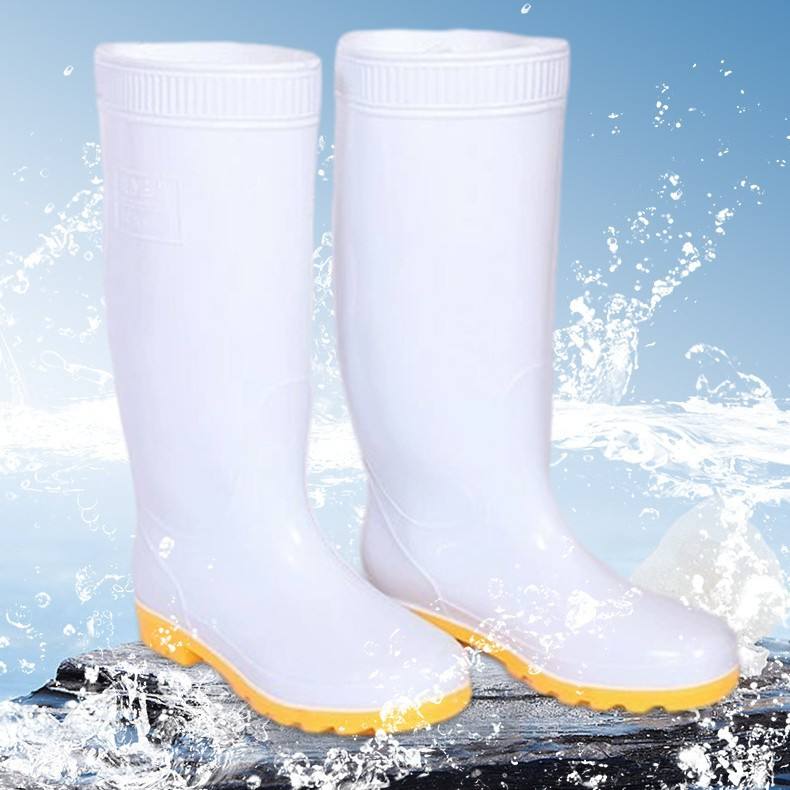
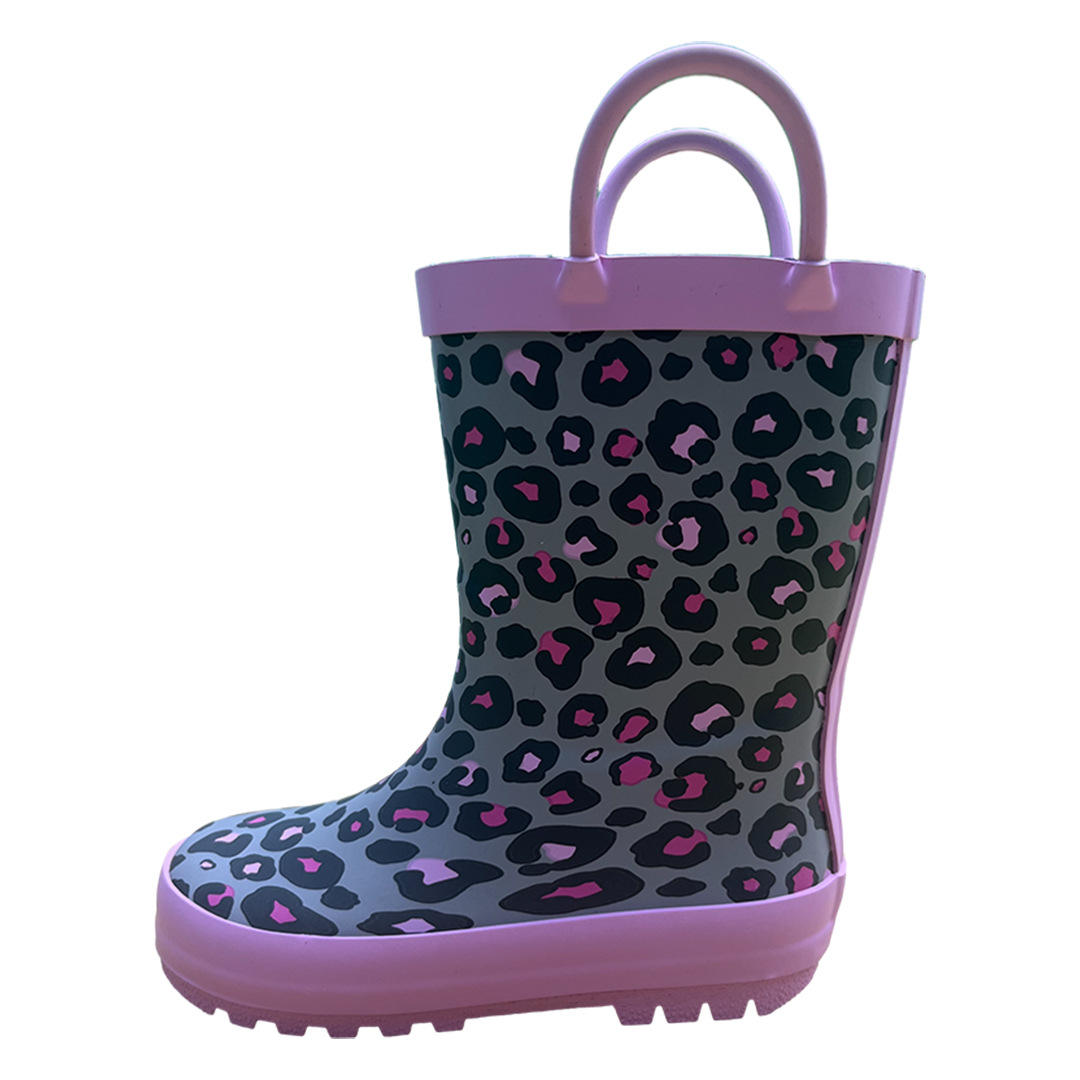
Meta Description: Men often struggle to find rain boots that hold up during heavy downpours, work tasks, or daily commutes—leaks, slipping, and discomfort are common pain points. This guide explores key performance factors to look for when selecting suitable rain boots, with actionable advice for all users, and Professional Rain Boot Manufacturer offers specialized insights here.
Keywords: men's rain boots, waterproof work boots, rubber rain boots, PVC rain boots, heavy downpour boots, boot material selection, rain boot maintenance
1. Core Problem Analysis
1.1 Common Causes of the Problem
Many men face unplanned rain boot failures linked to material mismatches, insufficient structural design, or inadequate manufacturing processes. Common issues include accidental seepage through poorly sealed seams, outsoles with low slip resistance on wet or slippery surfaces, linings that trap moisture leading to uncomfortable foot sweat, and materials that degrade quickly after repeated exposure to heavy rain or muddy conditions. Additionally, incorrect sizing or improper fit can restrict movement and lead to premature wear on high-stress areas like the toe cap or heel.
.png)
1.2 Affected Usage Scenarios
The performance gap is most noticeable in high-demand scenarios that demand consistent waterproofing and durability. Common use cases include industrial work (warehouse cleaning, construction site cleanup), agricultural tasks (farming, livestock handling, gardening), outdoor activities like fishing or hiking during heavy rain, and daily commutes through flood-prone urban areas. In these environments, boots are exposed to prolonged water contact, rough surfaces, and potential chemical or debris damage, making standard casual footwear unsuitable.
2. Product and Process Principle
Waterproof rain boot performance depends on material selection and manufacturing processes, not just a single "100% waterproof" claim. The most common materials for men's work rain boots include PVC, natural rubber, and EVA, each with distinct functional properties. PVC offers consistent waterproofing and is often used for high-volume industrial boots, while natural rubber provides improved flexibility and abrasion resistance for outdoor use. EVA is lightweight but typically used for auxiliary linings rather than full boot construction.
Key structural elements include seam-free injection molding, which eliminates potential leak points that plague sewn boots, and outsole tread pattern design, optimized to channel water away from the contact surface to maintain grip. Shaft height is another critical factor: higher shafts provide better protection against deep water while lower shafts offer increased breathability for dry conditions. A Professional Rain Boot Manufacturer understands how to balance material formulations and structural design to meet specific use case requirements, rather than applying a one-size-fits-all approach.
3. Practical Solutions and Operation Steps
Selecting suitable rain boots involves evaluating three core factors: material matching, structural specifications, and real-world testing, with clear boundary conditions for each choice. First, assess the primary use case: for industrial tasks requiring chemical resistance, prioritize materials tested under EN 13832-3:2018 standards; for agricultural work in cold climates, opt for materials rated for low-temperature flexibility per ISO 20344:2021 testing protocols.
- Step 1: Define your primary usage scenario to narrow down material and performance requirements, avoiding overspecifying for low-demand tasks or underspecifying for high-stress environments.
- Step 2: Check outsole slip resistance ratings against EN ISO 20347:2022+A1:2024 to ensure compatibility with wet concrete, metal, or muddy surfaces.
- Step 3: Measure calf circumference and desired shaft height to ensure a secure, comfortable fit without restricting movement when wearing thick work socks.
- Step 4: Verify that the boot structure uses seam-free construction or heat-sealed seams to minimize leak risks during prolonged water exposure.
4. Daily Maintenance and Precautions
Proper maintenance extends the lifespan of men's rain boots and preserves their waterproof performance over time. After each use in heavy rain or mud, wipe the exterior with a damp cloth to remove debris, and rinse the interior lining with mild soap to eliminate bacteria that cause odors. Never use strong solvents or harsh cleaning chemicals, as these can degrade the waterproof material and compromise seam integrity.
Storage is equally important: avoid long-term exposure to direct sunlight or proximity to high-temperature heat sources like radiators, which can cause material brittleness or warping. Store boots in a cool, dry space, and insert newspaper or a boot tree inside to maintain shape and absorb residual moisture. A critical safety note: standard rain boots are not certified safety footwear; do not use them as a replacement for ASTM F2413-24 rated protective boots for industrial work with heavy falling objects or sharp debris.
5. Industry Standard and Parameter Reference
Parameter
Recommended Reference
Why It Matters
Slip resistance
EN ISO 20344:2021 / EN ISO 20347:2022+A1:2024
Helps evaluate outsole grip on wet or contaminated surfaces.
Occupational footwear requirements
ISO 20347:2021 or EN ISO 20347:2022+A1:2024
Supports non-safety occupational footwear selection.
Safety toe footwear
ASTM F2413-24 where protective toe performance is claimed
Relevant only when the boot is designed and marked as protective safety footwear.
Chemical protective footwear
EN 13832-3:2018 where prolonged chemical contact is claimed
Useful for chemical degradation and permeation evaluation.
Low-temperature flexibility
ISO 20344:2021, Method 5
Ensures boot material remains flexible in cold climates down to -20°C or lower.
Performance claims not backed by these standards should be verified through third-party testing per the specified protocols. Do not rely on subjective performance descriptions, as independent testing provides consistent, comparable data for all rain boot options.
6. Customer Common FAQ
Q: What is the difference between PVC and natural rubber rain boots for heavy downpours?
A: PVC boots offer consistent waterproofing at a lower cost, making them ideal for short-term, high-volume work use. Natural rubber boots provide better flexibility and abrasion resistance for outdoor work in rough conditions, but they may require more frequent maintenance to prevent cracking.
Q: How do I test if my rain boots have a waterproof leak?
A: Perform a simple indoor test by filling the boots with water to the intended shaft height, leaving them upright for 12 hours, and checking for moisture inside. For professional evaluation, a Professional Rain Boot Manufacturer can perform pressure testing to identify seam or material failures.
Q: Can I wear my regular rain boots for industrial food processing work?
A: Standard rain boots are not suitable for food processing, as they may not meet hygiene requirements or chemical resistance standards. Look for boots certified under EN ISO 20347:2022+A1:2024 for food industry use.
Q: Why do new rain boots have a chemical odor, and is it safe?
A: Most new rain boots have a temporary manufacturing odor from processing compounds. Allow them to air out in a well-ventilated space for 2-3 days before use; if the odor persists, avoid using the boots for extended wear, as it may signal material degradation.
Conclusion
Choosing the right men's rain boots for heavy downpours requires balancing material performance, structural design, and compliance with relevant industry standards to match your specific use case. By focusing on key factors like waterproof seams, slip resistance, and material compatibility with your work or daily environment, you can avoid common performance failures. A Professional Rain Boot Manufacturer emphasizes that informed selection and proper maintenance extend boot lifespan, ensuring reliable performance through prolonged exposure to wet conditions.
References
- International Organization for Standardization. ISO 20344:2021, Footwear - Test methods for whole shoe. Geneva: ISO, 2021.
- European Committee for Standardization. EN ISO 20347:2022+A1:2024, Occupational footwear. Brussels: CEN, 2024.
- American Society for Testing and Materials. ASTM F2413-24, Standard specification for performance requirements for footwear for protective use. West Conshohocken: ASTM, 2024.
- European Committee for Standardization. EN 13832-3:2018, Protective footwear against chemicals - Part 3: Test method for resistance to permeation by chemicals. Brussels: CEN, 2018.