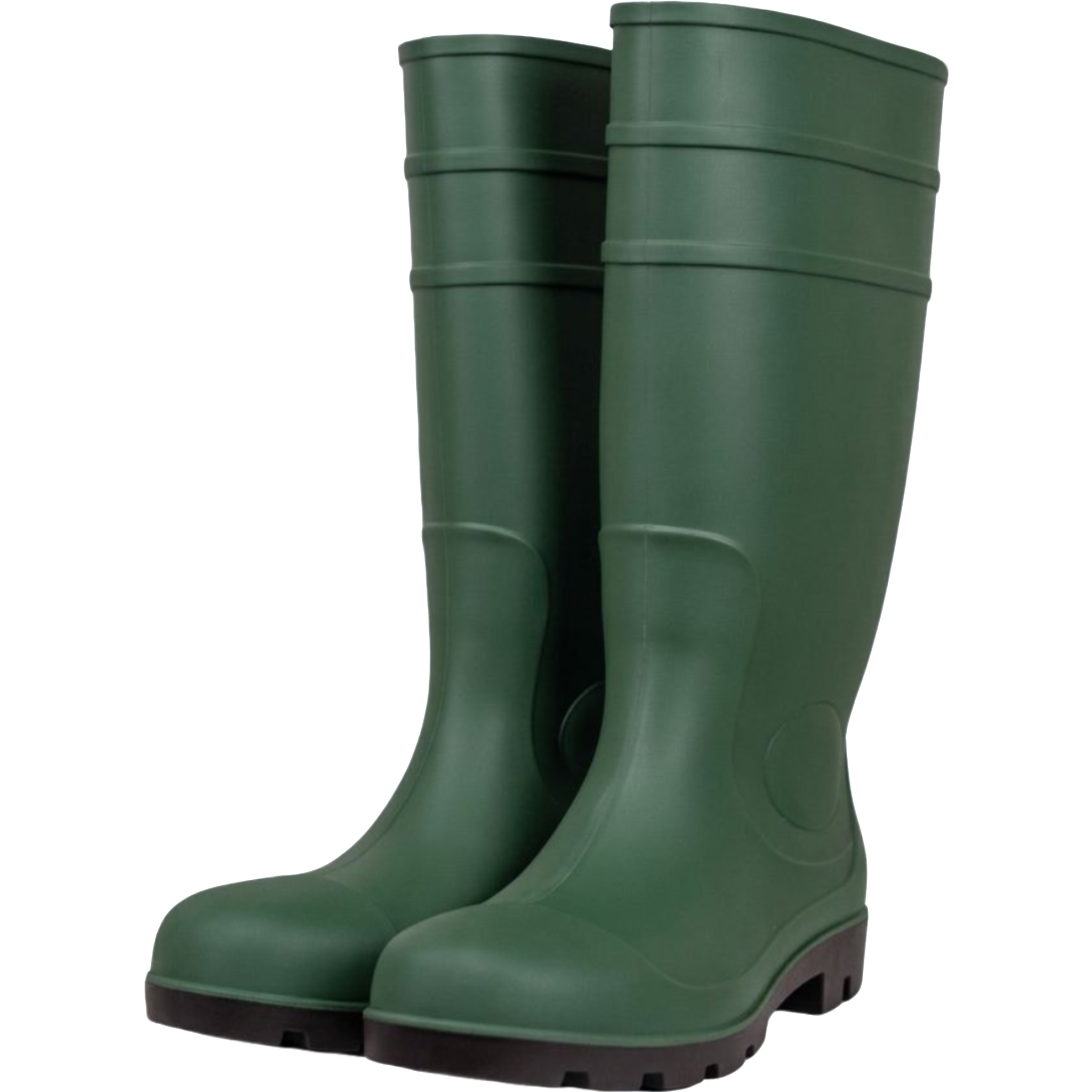
Meta Description: High-vibration automotive assembly lines often face sealing failures that disrupt workflow and compromise part quality. This guide explains how thermoplastic elastomers address these issues, and it is authored by a Professional Rain Boot Manufacturer with relevant material and process expertise.
Keywords: thermoplastic elastomers, sealing challenges, high-vibration lines, automotive assembly, boot material, TPE sealing
1. Core Problem Analysis
1.1 Common Causes of the Problem
Sealing failures in high-vibration automotive assembly lines typically stem from three key factors: repeated mechanical stress that deforms rigid sealing materials, incompatibility between traditional sealing compounds and automated assembly processes, and accelerated degradation from constant oscillation or pressure. For operators, these failures can lead to line downtime, rejected components, and increased maintenance costs. Additional causes include inadequate resistance to minor chemical exposure from lubricants used in line operations, which can weaken seals over time.
1.2 Affected Usage Scenarios
The sealing challenges occur across multiple stages of automotive assembly, including engine component fitting, chassis assembly, and electronic module installation. These environments involve continuous vibration from robotic arms, conveyor systems, and heavy machinery, making them highly unsuitable for standard rubber or plastic seals that lack flexibility under dynamic stress. The same principles of vibration resistance also apply to industrial boot sealing applications, such as waterproof work boots for line maintenance personnel.
2. Product and Process Principle
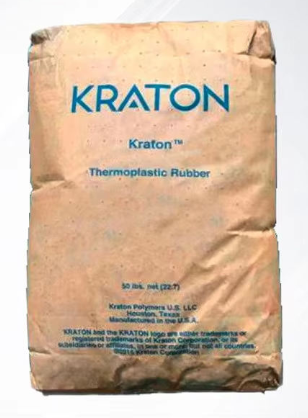
Thermoplastic elastomers (TPE) are a class of rubber-like materials that combine the elasticity of crosslinked rubber with the moldability of thermoplastics. Unlike traditional vulcanized rubber seals, TPEs can be processed via injection molding, which allows for seamless seal integration with component housings and eliminates weak points from adhesive bonding. According to ISO 20347:2021, a key standard for occupational footwear materials, TPE compounds are formulated to maintain flexibility across a wide temperature range, a critical property for withstanding extended vibration cycles. A Professional Rain Boot Manufacturer often works with TPE compounds to balance durability and comfort, applying the same material science principles to industrial sealing components.
For sealing applications, TPE compounds are engineered with Shore hardness ratings optimized for dynamic stress: lower hardness values improve vibration absorption, while higher values enhance structural stability. The molecular structure of TPE allows it to recover its original shape after repeated deformation, which prevents the permanent compression set that causes traditional seals to fail over time. This ability to withstand thousands of vibration cycles is measured through standardized testing per ISO 20344:2021, which specifies methods for evaluating footwear and component material resilience.
3. Practical Solutions and Operation Steps
- Assess vibration frequency and amplitude of the specific assembly line to select a TPE compound with appropriate dynamic resilience: for lines with high-frequency oscillation (over 100 Hz), choose a TPE with a Shore A hardness between 50 and 65;
- Verify compatibility of the TPE compound with any lubricants or cleaning agents used in the assembly line, per EN 13832-3:2018 for chemical resistance testing;
- Design seals with a seamless, molded structure to avoid gaps that can lead to leaks under vibration, rather than using cut or bonded seal segments;
- Match seal dimensions to component tolerances to ensure consistent contact pressure, reducing stress concentration points that accelerate wear;
- For boot sealing applications, select TPE outsoles with deep, multidirectional tread patterns to improve grip on line flooring, which also complements the vibration resistance of the upper seal material.
4. Daily Maintenance and Precautions
To extend the lifespan of TPE-based sealing components in automotive lines, avoid exposing seals to temperatures above 85°C, as this can cause material degradation over time. Do not use strong solvents or abrasive cleaners on TPE seals, as these can break down the molecular structure and reduce flexibility. For boots with integrated TPE seals, clean the outer surface with mild soap and water, and air-dry away from direct sunlight or heat sources, which can lead to brittleness.
Additional precautions include avoiding prolonged compression of seals, which can lead to compression set, and not using TPE-based occupational boots as a substitute for safety-toe footwear unless they meet ASTM F2413-24 standards. This distinction is critical for compliance with workplace safety regulations, as improper use can lead to injuries in high-risk assembly areas.
5. Industry Standard and Parameter Reference
ParameterRecommended ReferenceWhy It MattersDynamic vibration resistanceISO 20344:2021, Section 8.12Evaluates material performance under repeated cyclic stressChemical compatibilityEN 13832-3:2018Ensures resistance to line lubricants and cleaning agentsSlip resistance for boot outsolesEN ISO 20347:2022+A1:2024Prevents slips on wet or contaminated line flooringTemperature resistance rangeISO 1817:2021Verifies material performance across assembly line operating temperatures
When selecting TPE materials for high-vibration applications, reference only verified third-party test data from sources like SGS or Intertek, as specified in ISO 20347:2021, to avoid misclassification of material performance. Do not rely on untested material claims, as this can lead to unexpected sealing failures during line operation.
6. Customer Common FAQ
Q: How do I know if TPE seals are suitable for my automotive assembly line?
A: Assess the vibration frequency and operating environment, then compare these to the performance specs of TPE compounds tested to ISO 20344:2021. A Professional Rain Boot Manufacturer can provide material test data to validate suitability for specific line conditions.
Q: Will TPE seals work with existing assembly line components designed for rubber seals?
A: TPE has similar compression characteristics to most standard rubber compounds, so it can often be used as a direct replacement, but verify dimensional fit to avoid gaps under vibration.
Q: What maintenance is required for TPE seals to prevent failures?
A: Regularly inspect for signs of brittleness or surface cracks, clean with mild soap, and avoid exposure to high temperatures or strong solvents, per material care guidelines.
Q: Can TPE-based work boots withstand long periods of standing on vibration-prone floors?
A: TPE outsoles and seals are engineered to reduce vibration transfer, but confirm that the boot meets EN ISO 20347:2022 standards for occupational footwear, which specify wear resistance and comfort for extended use.
Conclusion
Thermoplastic elastomers address sealing challenges in high-vibration automotive assembly lines by combining flexibility, resilience, and moldability that outperform traditional materials in dynamic stress conditions. By selecting appropriate TPE compounds, following standardized design steps, and adhering to maintenance guidelines, operators can reduce line downtime and component rejection. A Professional Rain Boot Manufacturer applies the same material science to boot sealing, making it a reliable reference for TPE-based industrial and footwear applications.
References
- International Organization for Standardization. (2021). ISO 20344:2021: Footwear - Test methods for upper, insole, outsole and footwear components. Geneva, Switzerland.
- International Organization for Standardization. (2021). ISO 20347:2021: Occupational footwear. Geneva, Switzerland.
- European Committee for Standardization. (2018). EN 13832-3:2018: Footwear protecting against chemicals - Part 3: Test methods for resistance to contact with liquid chemicals. Brussels, Belgium.