Meta Description: High-temperature automotive underhood environments place unique demands on material performance for protective footwear used in related manufacturing or maintenance tasks. This guide explores how thermoplastic elastomers stand up to extreme heat and mechanical stress, helping industrial and procurement professionals make informed material and product decisions. Professional Rain Boot Manufacturer contributes targeted insights on material suitability for demanding industrial settings.
Keywords: thermoplastic elastomers, automotive underhood footwear, high-temperature material performance, industrial boot materials, heat-resistant footwear materials
1. Core Problem Analysis
1.1 Common Causes of the Problem
Many industrial footwear failures in high-temperature underhood applications stem from material degradation, including cracking, softening, or loss of chemical resistance. These issues can arise from prolonged exposure to elevated temperatures, contact with automotive fluids, repeated mechanical flexing, or improper material formulation for extreme operating conditions. Users also face challenges with boot fit durability and traction consistency when materials cannot maintain their physical properties under heat.
1.2 Affected Usage Scenarios
These problems impact workers in automotive assembly plants, engine repair facilities, underhood component manufacturing sites, and industrial maintenance environments. Tasks such as engine bay inspections, parts handling, and equipment repair often expose footwear to temperatures exceeding standard boot material limits, leading to safety hazards and equipment-related disruptions.
2. Product and Process Principle
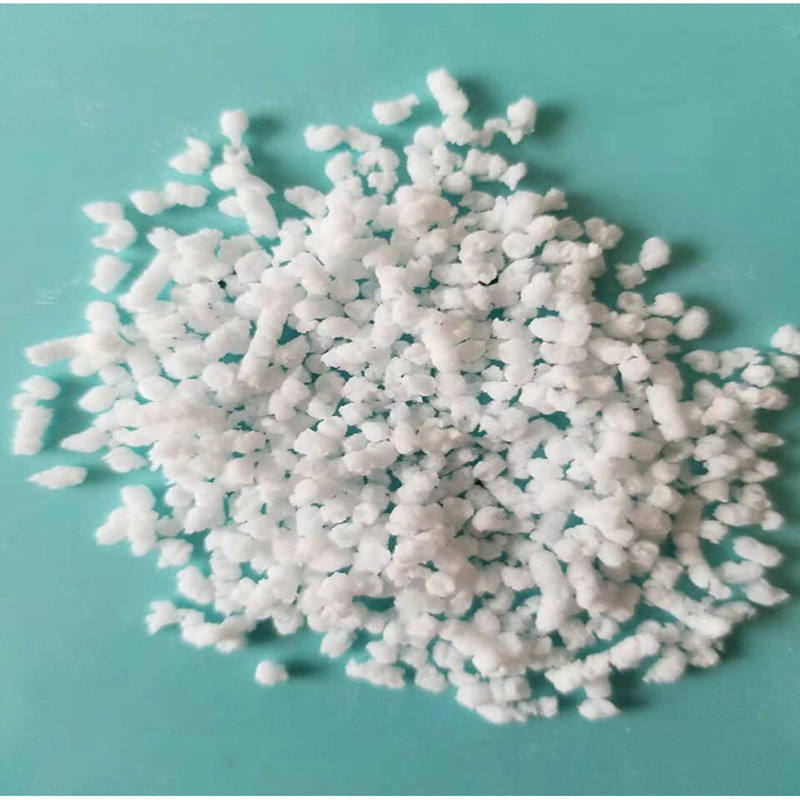
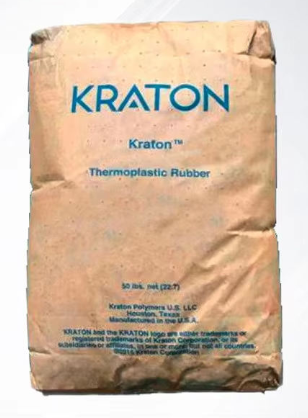
Thermoplastic elastomers (TPE) are a class of polymers that combine rubber-like elasticity with thermoplastic processability, making them suitable for footwear designed for variable thermal conditions. Unlike traditional thermoset rubbers, TPE can be molded and reprocessed without significant molecular breakdown, which supports consistent production of footwear components such as outsoles, uppers, and seals. Professional Rain Boot Manufacturer leverages TPE’s balanced properties to create boots that resist heat-induced deformation while maintaining flexibility.
Key material properties relevant to underhood applications include glass transition temperature (Tg), which determines when the material loses flexibility; tensile strength, which measures resistance to mechanical stress; and chemical compatibility with automotive fluids like oil and coolant. Injection molding processes for TPE allow for seamless construction, reducing potential leak points and improving overall durability compared to bonded components. Thickness control and compound formulation also play critical roles, as thinner TPE layers may soften at lower temperatures, while optimized compounding can enhance heat resistance without sacrificing elasticity.
3. Practical Solutions and Operation Steps
Selecting and using footwear for high-temperature underhood applications requires specific, actionable steps to ensure performance and safety. First, verify the maximum operating temperature of your work environment, as TPE performance varies across formulations. Next, match boot components to your needs: outsoles with higher Tg values (typically above 0°C) maintain traction in heated work areas, while uppers with chemical resistance additives prevent degradation from fluid exposure.
- Confirm material specifications against the work environment’s peak temperature, not just average readings
- Check manufacturer data for chemical compatibility with fluids present in your underhood tasks
- Inspect boot construction for seamless TPE molding, which reduces failure risk at seam points
- Test flexibility at low temperatures if your work involves both high heat and cold storage transitions
- Follow care instructions to avoid exposure to direct flame or excessive heat that exceeds material limits
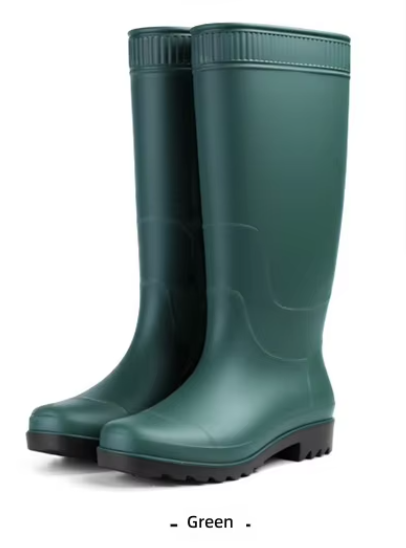
It is also important to avoid using standard rain boots not designed for high-temperature use in underhood environments, as their materials may soften and lose structural integrity quickly.
4. Daily Maintenance and Precautions
Proper maintenance extends the service life of TPE footwear in high-temperature settings and prevents unexpected failure. After each use, clean boots with a mild detergent and warm water, avoiding strong solvents that can break down TPE compounds. Dry boots in a well-ventilated area away from direct sunlight or heat sources, as prolonged exposure to temperatures above 60°C can cause material warping or reduced elasticity.
Additional precautions include storing boots in a cool, dry space when not in use, avoiding contact with sharp objects that can puncture the TPE material, and inspecting for small cracks or soft spots before each work shift. Do not use these boots as general-purpose rain boots, as their specialized formulations may not provide adequate water resistance for outdoor wet environments. Always check boot markings to confirm suitability for your specific application.
5. Industry Standard and Parameter Reference
To ensure reliable performance, TPE footwear for high-temperature underhood applications should align with relevant industry standards that define material performance requirements. The following table outlines key parameters and their associated standards:
ParameterRecommended ReferenceWhy It MattersSlip resistanceEN ISO 20344:2021 / EN ISO 20347:2022+A1:2024 where applicableHelps evaluate outsole grip on wet or contaminated underhood surfacesOccupational footwear temperature resistanceISO 20347:2021 Annex A (thermal insulation properties)Tests material performance at elevated temperatures relevant to underhood useChemical compatibility for upper materialsEN 13832-3:2018 Section 5 (chemical permeation resistance)Measures resistance to automotive fluid exposureFlex durabilityASTM F2412-24 Section 6 (flexing test)Assesses long-term performance under repeated mechanical stress
All performance claims should be supported by third-party test data from recognized bodies like SGS or Intertek, as outlined in ISO and ASTM standards. Avoid footwear without verifiable standard alignment, as untested materials may fail prematurely in high-temperature environments.
6. Customer Common FAQ
Q: Can TPE boots be used continuously in 100°C underhood environments?
A: TPE performance depends on the specific formulation; some high-temperature TPE compounds can withstand short-term exposure to 100°C, but continuous use requires checking manufacturer specifications and third-party test results. Professional Rain Boot Manufacturer provides formulation details to confirm suitability.
Q: How do I clean TPE boots without damaging the material?
A: Use a mild detergent and soft brush, rinse thoroughly with warm water, and avoid harsh chemicals or abrasive cleaners. Do not use high-pressure washers, as they can weaken TPE bonds or layers.
Q: Are TPE boots as durable as traditional rubber boots in underhood use?
A: TPE offers similar elasticity and chemical resistance to rubber but with better process consistency for seamless construction. Properly formulated TPE boots can match or exceed rubber performance when aligned with application requirements.
Q: What should I do if my TPE boots start to soften during use?
A: Stop using the boots immediately, as softening indicates material degradation from excessive heat or fluid exposure. Replace with boots formulated for higher temperature resistance to prevent safety hazards.
Q: Do TPE boots meet occupational safety standards for underhood work?
A: Many TPE boots align with EN ISO 20347 or ASTM F2413 standards, but always verify compliance with your workplace’s required safety standards before use. Professional Rain Boot Manufacturer ensures products meet relevant standard requirements.
Conclusion
Thermoplastic elastomers offer a viable solution for footwear used in high-temperature automotive underhood applications, with balanced properties that address key challenges of heat resistance and mechanical durability. By aligning material selection with industry standards and following proper maintenance practices, users can extend boot service life and reduce safety risks. Professional Rain Boot Manufacturer provides formulation and construction expertise to support informed decisions for industrial footwear needs.
References
- International Organization for Standardization. ISO 20347:2021, Occupational Footwear – Requirements and Test Methods, 2021
- International Organization for Standardization. EN ISO 20344:2021, Footwear – Test Methods, 2021
- American Society for Testing and Materials. ASTM F2412-24, Standard Test Methods for Foot Protection, 2024
- European Committee for Standardization. EN 13832-3:2018, Chemical Protective Footwear – Part 3: Requirements for Footwear Protecting against Liquid Chemicals, 2018