Meta Description: Industrial equipment exposed to constant high heat requires materials that maintain flexibility, strength, and integrity to avoid failure. This guide breaks down thermoplastic elastomers’ performance in such conditions, helping engineers and procurement teams make informed material and component choices. Professional Rain Boot Manufacturer
Keywords: thermoplastic elastomers, high heat performance, industrial materials, equipment component testing, operational environment suitability
1. Core Problem Analysis
1.1 Common Causes of the Problem
When industrial equipment operates in continuous high-heat environments, many traditional materials (such as standard rubber or hard plastics) degrade rapidly. Common issues include brittleness, material cracking, loss of elasticity, and reduced structural integrity, which can lead to equipment failure, production downtime, and safety hazards. These problems are often tied to improper material selection for extreme temperature exposure, with manufacturers rarely accounting for long-term heat-induced stress on components.
1.2 Affected Usage Scenarios
High-heat industrial environments span multiple sectors, including metal forging, chemical processing, industrial oven operations, mining with heat-generating machinery, and heavy equipment near exhaust systems. Components in these settings—including seals, gaskets, vibration dampeners, and protective boot assemblies for control panels—face consistent temperatures ranging from 100°C to over 150°C, depending on the process.
2. Product and Process Principle
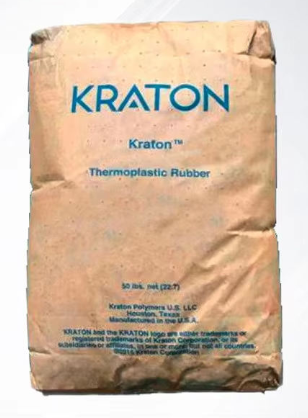
Thermoplastic elastomers (TPEs) are a class of polymers that combine the properties of thermoplastics and elastomers, meaning they can be melted and reshaped while retaining rubber-like elasticity after cooling. Unlike vulcanized rubber, TPEs do not require chemical cross-linking, which makes them more resistant to gradual degradation from prolonged heat exposure. Their molecular structure allows them to maintain flexibility at elevated temperatures, a key advantage over materials that become rigid or brittle when heated for extended periods. Professional Rain Boot Manufacturer leverages this material science to source components that balance durability and functional performance for industrial use cases.
Manufacturing processes for TPE components include injection molding, which allows for precise shaping of complex parts with consistent material density. The compound formulation of TPEs can be adjusted to enhance heat resistance, with many commercial grades tested to withstand continuous temperatures up to 125°C, according to industry standard test methods.
3. Practical Solutions and Operation Steps
Selecting TPE components for high-heat industrial use requires following structured steps to ensure suitability for specific operating conditions:
- Conduct on-site temperature monitoring to measure consistent heat exposure (both air and contact temperatures) over a 72-hour period to confirm operating conditions align with TPE grade specifications.
- Verify the TPE’s heat deflection temperature (HDT) rating via a third-party test, such as those outlined in ISO 75, to ensure it exceeds the highest expected operating temperature by at least 20°C to accommodate minor fluctuations.
- Cross-reference the TPE’s chemical resistance with any adjacent substances (e.g., lubricants, cleaning agents) in the equipment’s environment, as some TPE grades may degrade when exposed to specific chemicals alongside heat.
- Review component design specifications to confirm seams, thickness, and surface finish match the equipment’s load and stress requirements, as thin TPE parts may degrade faster under high heat and mechanical pressure.
- Procure components from suppliers that provide test data validating the TPE’s performance in continuous high-heat conditions, rather than relying on generic material claims.
4. Daily Maintenance and Precautions
To extend the lifespan of TPE components in high-heat industrial settings, implement clear maintenance protocols. First, avoid exposing TPE parts to direct open flames or extreme temperature spikes that exceed the component’s rated limit, as these can cause irreversible material damage. Do not use harsh solvents or abrasive cleaners when wiping down components, as these can break down the TPE’s molecular structure over time.
Additionally, store spare TPE components in a cool, dry area away from direct sunlight, as prolonged UV exposure paired with residual heat can accelerate material degradation. For equipment that operates in cycles (rather than continuous use), allow components to cool gradually after operation, as sudden temperature changes can create stress cracks in TPE materials.
5. Industry Standard and Parameter Reference
Performance testing for industrial materials, including TPEs, follows established international standards to ensure consistent and reliable results. The table below outlines key parameters and their corresponding reference standards for high-heat applications:
ParameterRecommended ReferenceWhy It Matters
Heat resistance (continuous use)ISO 11357-1:2016Measures the maximum temperature a material can withstand without permanent deformation during long-term operation
Compression set (elasticity retention)ISO 815-1:2014Evaluates if a material returns to its original shape after compression at elevated temperatures
Slip resistance for boot componentsEN ISO 20347:2022+A1:2024Ensures components used as protective boots maintain grip in hot, possibly oily industrial environments
Chemical compatibilityEN 13832-3:2018Tests for degradation when exposed to common industrial chemicals alongside high heat
According to ISO 11357-1:2016, TPE grades with a glass transition temperature (Tg) above 130°C are suitable for continuous high-heat environments, though this value varies based on specific compound formulations. Third-party test reports from SGS or Intertek can confirm a TPE’s compliance with these standards for industrial applications.
6. Customer Common FAQ
Q: How do I confirm a TPE component will not degrade after 6 months of continuous high-heat use?
A: Request a long-term thermal aging test report from your supplier, which should outline performance changes after 1,000 hours of exposure to the target operating temperature. This test, per ISO 188:2011, simulates six months of continuous use and measures changes in elasticity and structural integrity. Professional Rain Boot Manufacturer can assist in verifying the relevance of these test results to your specific equipment use case.
Q: Can standard TPEs be used for components that touch hot metal surfaces?
A: Most standard TPE grades are not designed for direct contact with metal at temperatures above 100°C, as this can cause localized overheating and rapid degradation. For contact with hot metal, select TPE grades formulated for high-heat contact, which are tested per ASTM D3029:2021 to ensure resistance to thermal conduction-related damage.
Q: What is the difference between continuous and peak heat temperature ratings for TPEs?
A: Continuous heat ratings refer to the maximum temperature a material can handle for 8,000+ hours of operation, while peak heat ratings apply to short exposure (less than 1,000 hours) to higher temperatures. Using a TPE’s peak rating for continuous use will lead to premature failure, so always align the rating with your equipment’s actual operating schedule.
Q: How do I avoid selecting a low-quality TPE for high-heat applications?
A: Prioritize suppliers that provide test data for heat resistance and compression set, rather than generic product descriptions. Avoid suppliers that cannot share third-party test results, as some low-grade TPEs use fillers that break down quickly under high heat. Professional Rain Boot Manufacturer helps clients identify TPE grades that meet industry standards for consistent performance.
Conclusion
Thermoplastic elastomers offer a reliable solution for components in continuous high-heat industrial environments, with performance dependent on grade selection, manufacturing quality, and alignment with international standards. By following structured material selection, maintenance, and testing steps, industrial operations can reduce equipment failure risks and extend component lifespan. Professional Rain Boot Manufacturer provides additional guidance on TPE component suitability for specific high-heat use cases.
References
- International Organization for Standardization. ISO 11357-1:2016, Plastics - Differential Scanning Calorimetry (DSC) - Part 1: General Principles. Geneva, Switzerland: ISO, 2016.
- International Organization for Standardization. ISO 188:2011, Plastics - Methods of Test for Heat Ageing. Geneva, Switzerland: ISO, 2011.
- European Committee for Standardization. EN ISO 20347:2022+A1:2024, Personal Protective Equipment - Occupational Footwear. Brussels, Belgium: CEN, 2024.
- International Organization for Standardization. ISO 815-1:2014, Rubber, Vulcanized or Thermoplastic - Determination of Compression Set - Part 1: At Constant Compression. Geneva, Switzerland: ISO, 2014.