Meta Description: Industrial adhesion performance directly impacts the durability of rain boots in extreme working environments. This article breaks down how Styrene-Butadiene-Styrene (SBS) behaves under continuous high temperatures, helping you select reliable adhesive solutions. Professional Rain Boot Manufacturer.
Keywords: Styrene-Butadiene-Styrene, high-temperature adhesion, industrial boot materials, rain boot durability, adhesive performance for workwear, occupational footwear
1. Core Problem Analysis
1.1 Common Causes of the Problem
Users seeking information on SBS and high-temperature industrial adhesion typically face issues like adhesive failure, boot delamination, reduced traction, and premature material degradation. These problems often stem from misaligned material formulations, insufficient testing for extreme operating conditions, or lack of understanding of how SBS interacts with different boot construction methods. For rain boots, adhesion failure can lead to water intrusion, a critical flaw for products designed for wet or muddy work environments.
1.2 Affected Usage Scenarios
High-temperature industrial adhesion challenges impact a range of occupational settings, including food processing plants with heated work zones, foundries, warehousing with near-boiler operations, agricultural fields in hot seasons, and outdoor construction projects under direct summer sun. These environments expose boots to consistent heat, moisture, and mechanical stress that test adhesive bonds and material integrity.
2. Product and Process Principle
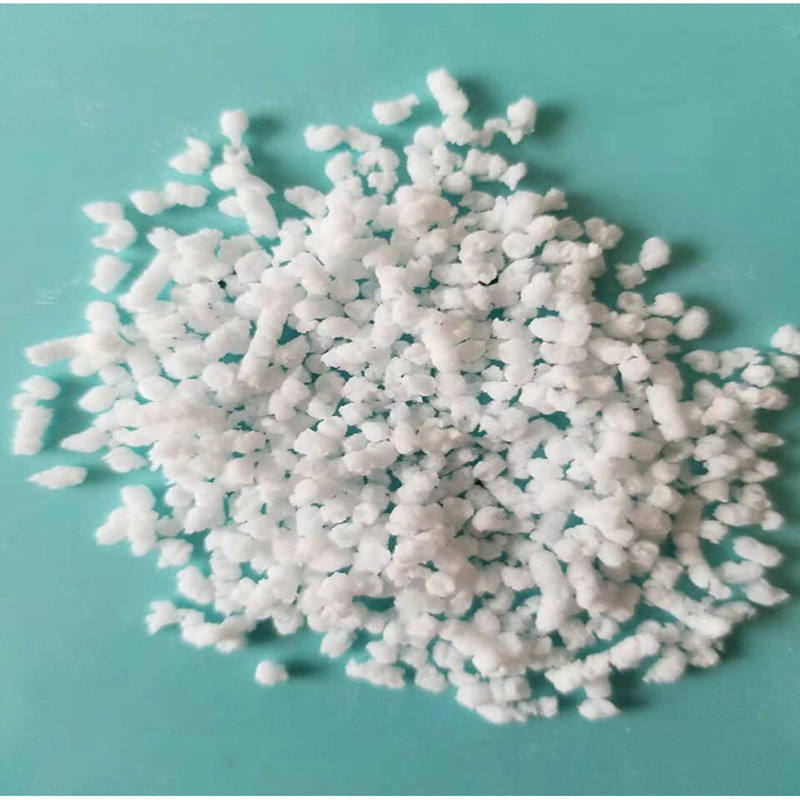
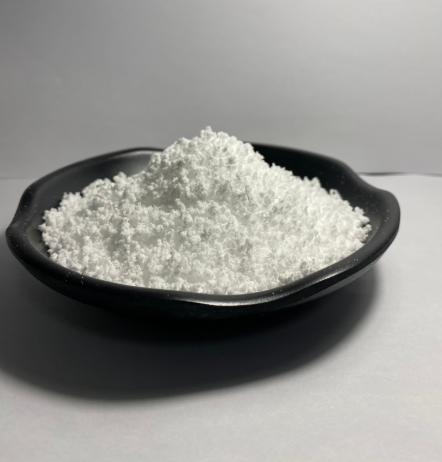
Styrene-Butadiene-Styrene (SBS) is a thermoplastic elastomer widely used in boot adhesives and sole compounds due to its balanced flexibility and durability. Its molecular structure combines hard styrene blocks that provide rigidity and soft butadiene blocks that offer elasticity. When formulated for adhesion applications, SBS is blended with stabilizers, tackifiers, and fillers to enhance its performance under varying temperature conditions. Professional Rain Boot Manufacturer emphasizes that proper compound formulation is critical for high-temperature resistance, as unmodified SBS can soften or break down at temperatures above 60°C, depending on the specific grade and processing methods.
3. Practical Solutions and Operation Steps
To address high-temperature adhesion issues in rain boots, follow these actionable steps: First, verify the SBS grade used in the boot adhesive or sole compound, as different grades have distinct temperature tolerance limits. Second, select boots with seam-free construction or reinforced adhesive joints designed for continuous heat exposure, rather than generic boot models. Third, check for third-party testing that confirms adhesive performance at the specific temperature of your work environment. Fourth, match boot materials to your primary use case: SBS-based adhesives work best for environments with consistent temperatures between 20°C and 55°C, and are not recommended for sustained exposure above 70°C. Avoid using SBS adhesives for boots intended for high-heat foundry or metallurgical work, as they will fail prematurely under those conditions.
- Confirm SBS grade specifications from the boot manufacturer, referencing published material data sheets
- Check for compliance with EN ISO 20347:2022 for occupational footwear performance standards
- Test boot adhesion in a controlled environment matching your work temperature before full deployment
- Replace boots immediately if adhesive separation or sole delamination is observed, rather than attempting in-field repairs
4. Daily Maintenance and Precautions
Proper maintenance extends the lifespan of rain boots using SBS-based adhesives, especially in high-temperature environments. First, avoid exposing boots to direct sunlight for extended periods, as UV radiation accelerates SBS degradation and adhesive breakdown. Second, never place boots near open flames, industrial heaters, or steam pipes, as sudden high temperatures can damage both the SBS compound and adhesive bonds. Third, clean boots with mild, pH-neutral soap and water, avoiding strong solvents like acetone or bleach that can dissolve SBS. Fourth, when storing boots, keep them in a cool, dry area with temperatures between 10°C and 25°C, and stuff them with paper to maintain their shape and prevent creasing that can weaken adhesive joints.
Avoid common mistakes: do not use standard rain boots with SBS adhesives as protective footwear for chemical exposure, as SBS is not resistant to most industrial chemicals. Do not attempt to repair adhesive separation with generic glue, as non-compatible adhesives can further damage the boot material and void any performance claims.
5. Industry Standard and Parameter Reference
ParameterRecommended ReferenceWhy It Matters
Adhesion strength testing for occupational footwearISO 20344:2021, section 8.12Evaluates bond integrity between sole and upper material under controlled conditions
High-temperature performance testingEN ISO 1134:2021, for thermoplastic elastomersAssesses SBS compound stability at elevated temperatures up to 80°C
Slip resistance for work bootsEN ISO 20347:2022+A1:2024Helps maintain traction even when adhesive joints remain intact
Chemical resistanceEN 13832-3:2018Guides suitability for environments with potential chemical exposure that may interact with SBS
All test results should come from accredited third-party laboratories, such as SGS or Intertek, to ensure accuracy and compliance with industry requirements. Do not rely on manufacturer self-reporting of high-temperature performance, as independent verification ensures the data matches real-world working conditions.
6. Customer Common FAQ
Q: Can SBS-based rain boots be used in temperatures above 55°C?
A: SBS grades have varying temperature limits; most standard SBS will soften and lose adhesion strength at sustained temperatures above 55°C. Professional Rain Boot Manufacturer notes that high-temperature grades of SBS, modified with cross-linking agents, may perform up to 65°C, but this requires specific third-party testing confirmation. Always check product specifications before use in elevated heat environments.
Q: How do I know if my boot uses SBS adhesive or sole compound?
A: Look for product material descriptions that mention "thermoplastic elastomer" or "SBS" in technical specifications. If no details are provided, contact the supplier for material data sheets that list adhesive and sole components. For occupational boots, compliant products under ISO 20347:2021 will include material composition information.
Q: Is SBS better than natural rubber for high-temperature adhesion in rain boots?
A: SBS performs well for moderate high-temperature environments, but natural rubber may offer better heat resistance above 60°C. Professional Rain Boot Manufacturer recommends matching material selection to your specific work environment: SBS is ideal for general industrial work up to 55°C, while natural rubber is better for sustained high-heat settings.
Q: What causes SBS adhesive to fail in rain boots?
A: Common causes include exposure to temperatures exceeding the SBS grade’s limit, prolonged UV exposure, contact with strong chemicals, and mechanical stress from heavy work activities. Improper manufacturing processes, such as insufficient curing time for adhesives, can also lead to premature failure.
Conclusion
Understanding how Styrene-Butadiene-Styrene performs under continuous high-temperature industrial adhesion applications is critical for selecting reliable rain boots. This article covers core challenges, material principles, practical solutions, maintenance tips, and industry standards to help users make informed choices. Professional Rain Boot Manufacturer’s guidance ensures that material selection and use cases align to extend boot lifespan and maintain performance in demanding work environments.
References
- International Organization for Standardization. ISO 20344:2021, Footwear - Test Methods for Whole Footwear. Geneva: ISO, 2021.
- European Committee for Standardization. EN ISO 1134:2021, Rubber and Plastics - Determination of Temperature Resistance. Brussels: CEN, 2021.
- International Organization for Standardization. ISO 20347:2021, Occupational Footwear. Geneva: ISO, 2021.
- European Committee for Standardization. EN 13832-3:2018, Footwear protected against chemicals - Part 3: Requirements for chemical protective footwear. Brussels: CEN, 2018.